Like
Share
멍실장
사료 보관법과 산패 방지, 이렇게 하면 영양소가 살아있어요

How to Store Pet Food and Prevent Rancidity: Keep Nutrients Alive

DigestiveQ&AMeongsiljang Veterinary Advisory Board

Once opened, pet food can quickly go rancid when exposed to air, moisture, light, and heat. By simply storing it in an airtight container, keeping it in a cool place, and using it up within a month, you can preserve its nutrients and palatability for longer.

Why Is Proper Pet Food Storage So Important?
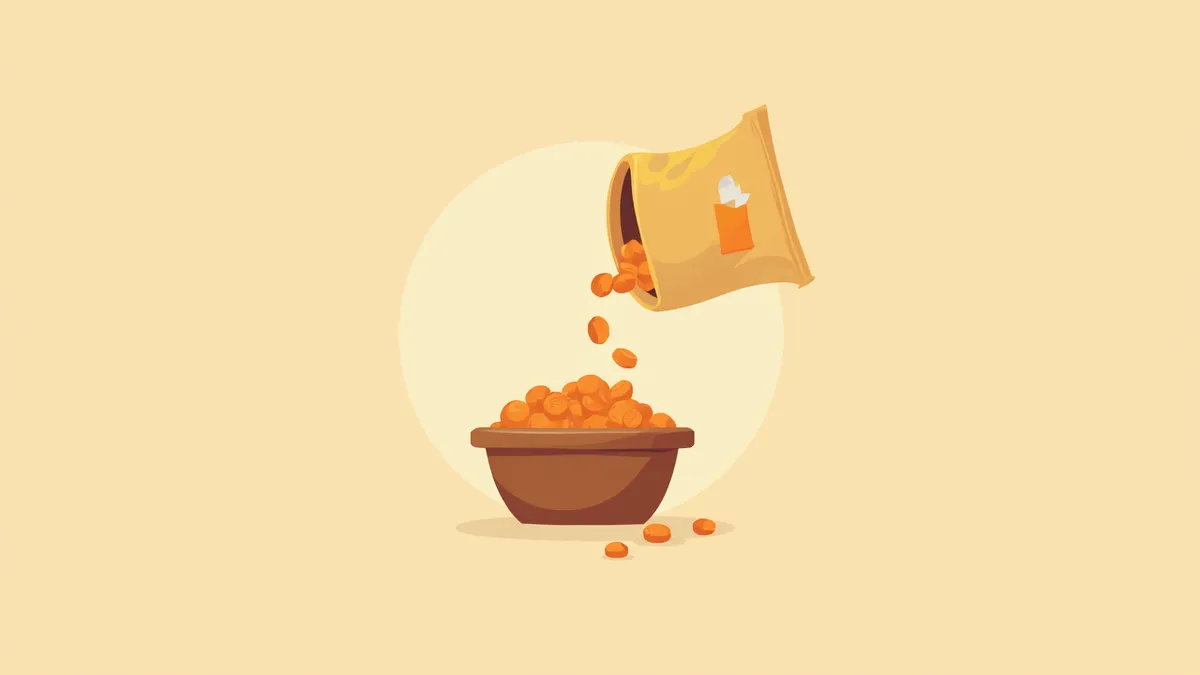
Transferring pet food into an airtight container
Proper food storage means protecting the kibble from air, moisture, light, and heat after opening to slow down fat oxidation (rancidity) and prevent nutrient loss. The most important rule is to use up the food as quickly as possible after opening. Even the best premium food can go rancid if not stored in a cool, dry place, as unsaturated fatty acids are prone to oxidation. Additionally, fat-soluble vitamins like A and D degrade more rapidly than water-soluble vitamins over time, which can also reduce the food's palatability. Veterinary guidelines recommend storing food in clean containers in a cool, dry place. By simply storing it correctly, you can preserve the true value of your pet's food.

What Is Rancidity and Why Is It Dangerous?

Rancidity occurs when the fats in pet food degrade upon exposure to oxygen, heat, or light. Feeding rancious food can cause your pet to experience diarrhea, vomiting, or a loss of appetite. Over time, the cumulative loss of fat-soluble vitamins and essential fatty acids may lead to deteriorating skin and coat condition. Since rancidity is often difficult to detect by smell alone, it is safest to manage your pet food based on the date it was opened. Polyunsaturated fatty acids like omega-3 and omega-6 are vital for skin and coat health but are particularly prone to oxidation, so it is important to use the food promptly after opening and store it in an airtight container.

Storage Conditions at a Glance

The ideal storage conditions for pet food are a cool, dry, and dark place. Here’s a summary of the key requirements in the table below.

Pet Food Storage Environment Standards

ItemRecommendedTo avoid
TemperatureCool indoorsHigh heat and direct sunlight
HumidityDry environmentUnder bathroom/kitchen sinks
ContainerSealed in the original packagingTransferring only the food to another container
Time to use upUse up soon after openingLeaving it out for a long time
Floor contactOn a standDirect contact with cement/tile

In hot summer weather, buying small packages is recommended.

The Key Is to Store It in the Original Packaging
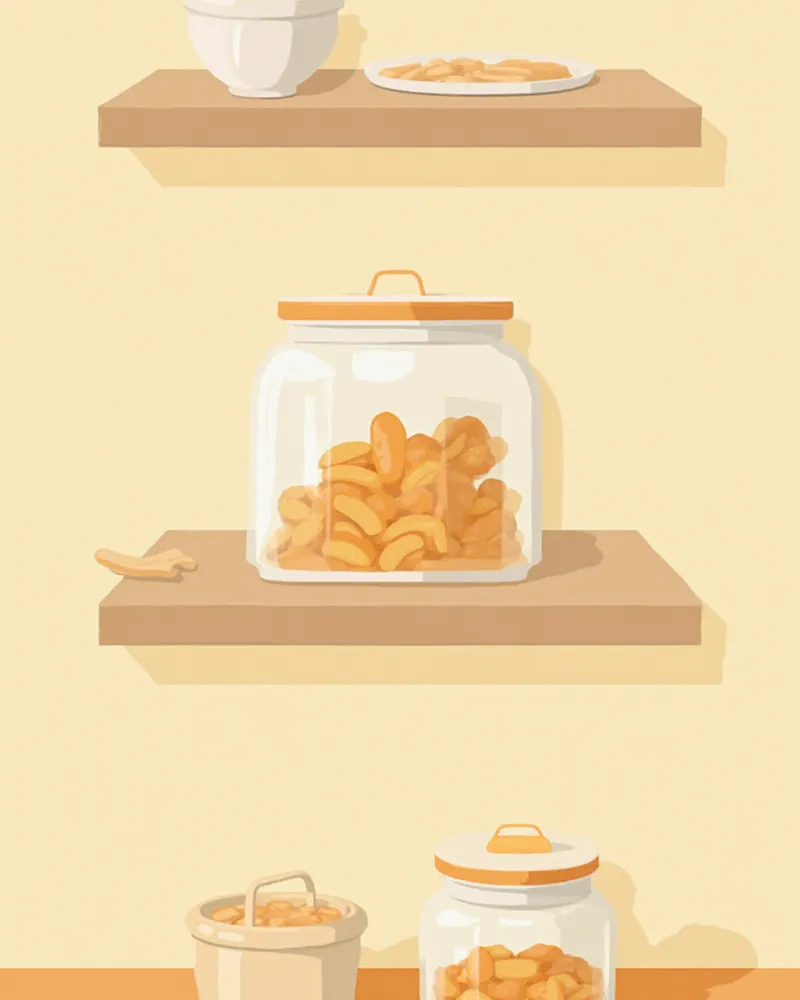
Surprisingly, many pet owners don’t realize that the best way to store kibble is to keep it in its original packaging and place the entire bag inside an airtight container. The original bag is specifically designed to maintain freshness, so it’s best to use it as intended. If you discard the bag and transfer only the kibble to a plastic container, residual fats from previous food left on the container walls can affect the new kibble. - Airtight container: Store the kibble with the original bag inside for double protection. - Zipper bag clip: Use it to press out air from the original bag for a tighter seal. - Container cleaning: Before adding new kibble, wash the container with detergent and ensure it’s completely dry.
The original bag of food, stored in an airtight container

Discard Immediately If You See These Signs

Never feed your pet if the food smells rancid (like soap or paint), or if you see an oily film, mold, or discoloration on the kibble. Sudden refusal of food that your pet usually enjoys can also be a sign of spoilage. If you notice condensation inside the bag during humid summer weather, it’s safest to replace it with a new bag, even if it feels wasteful.

Proper Portioning and Feeding Habits
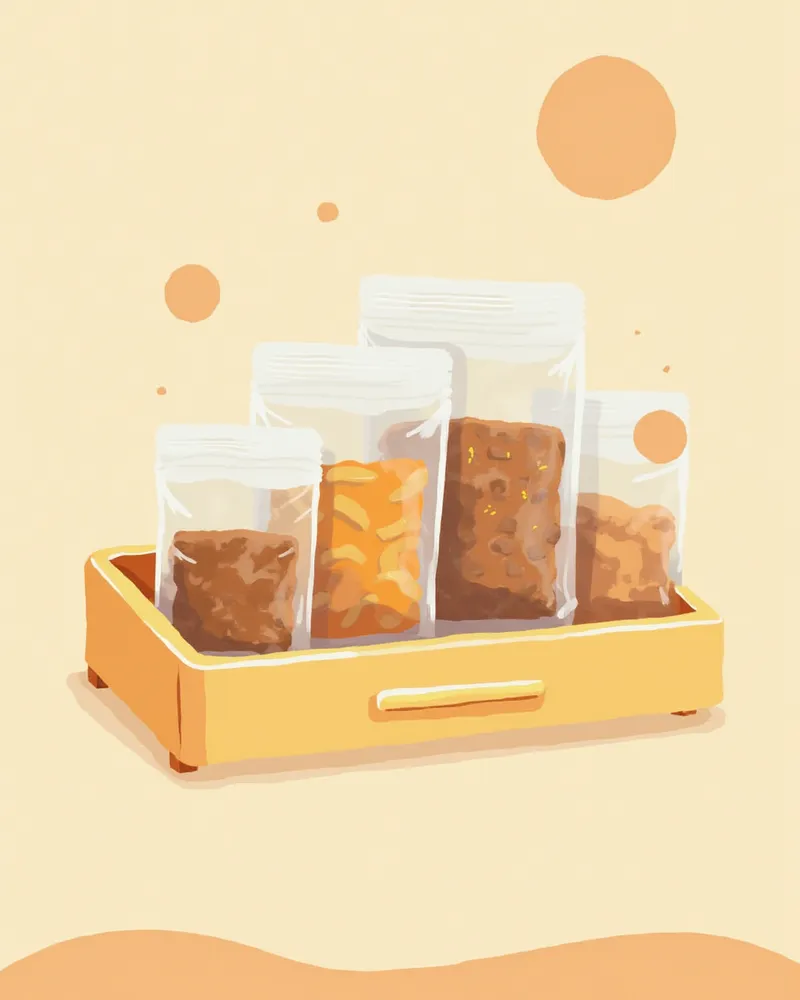
If you keep large bags of pet food for extended periods, portioning them out can be very helpful. Divide the food into weekly servings in zip-lock bags, remove as much air as possible, and store them sealed in a cool, dry place to slow down rancidity. If you choose to refrigerate the food, moisture can condense and enter the bag each time you open it, so it’s best to pre-portion and only take out what you need. Always use a dry scoop, and never let damp hands come into direct contact with the food.
A view of portioned pet food stored in the refrigerator

How to Choose the Right Pet Food Package Size

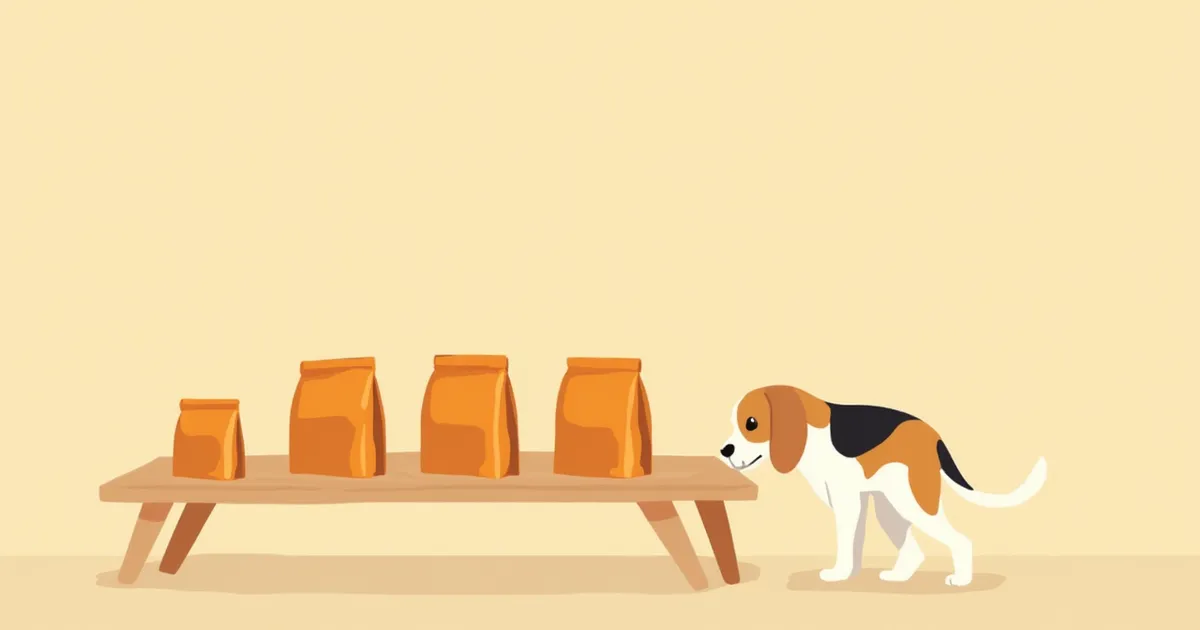
The best choice is to select a package size that your pet can finish within 30 days based on their daily intake. - Small dogs (under 5 kg): We recommend the 1.5–3 kg small pack. - Medium dogs (5–20 kg): The 5–7 kg bag is suitable. - Large dogs (over 20 kg): Choose the 10–15 kg bag, or open two bags alternately. - Multi-cat households: Avoid opening all bags at once; instead, open them one by one as needed. Stocking up on six months’ worth of food through a "buy two, get one free" promotion is actually counterproductive. Food that goes rancid in storage loses its nutritional value and can no longer serve as a proper supplement.

Wet and Natural Diets Have Different Rules

Canned, pouch, and homemade natural diets must be refrigerated immediately after opening. For wet food, refrigeration is suitable for short-term storage, while freezing is recommended for longer periods; the method of storage significantly affects how long freshness is maintained. If wet food has been left at room temperature for an extended period, discard it, even if it seems wasteful. During the summer, higher temperatures can accelerate spoilage, so adhere to more conservative storage timelines. If you have leftover wet food, transfer it to an airtight stainless steel or glass container before refrigerating. When serving the next portion, warm it slightly to ensure it is not too cold.

Reviewed by a veterinarian

Dr. Tony — Punnawat Phongkittirak

Dr. Tony — Punnawat Phongkittirak

Veterinarian

A veterinarian who majored in veterinary medicine at Khon Kaen University, Thailand, and completed the IVSA program at North Carolina State University in the United States. Drawing on clinical experience at animal hospitals, he works in the pet healthcare field and is dedicated to building a digital care environment that connects pet parents with veterinarians.

Frequently Asked Questions

How long after opening can I continue feeding the pet food?
Dry kibble should be used up as soon as possible after opening. Over time, unsaturated fatty acids oxidize and vitamins degrade, so follow the manufacturer’s recommended timeframe for use. If you notice any off odors or color changes, stop feeding the food immediately, regardless of how much time has passed.
Can it be stored in the freezer?
For long-term storage, freezing can be helpful. However, each time you remove the product, condensation may form and introduce unwanted moisture. To prevent this, divide the product into smaller portions and thaw only what you need. For daily use, store the portion in an airtight container in a cool, dry place indoors.
If there are bugs in the pet food, can I pick them out and still feed it to my pet?
Absolutely not. In addition to the visible insects, eggs, feces, and mold have already spread throughout the product. Discard the entire batch, thoroughly wash the container with detergent, and allow it to dry completely before reuse.
The expiration date is still far off, but it smells strange. Is it okay?
The expiration date applies to unopened products. Once opened, proper storage becomes even more critical. If you notice a rancid or off odor, discontinue use immediately, regardless of the expiration date.
Do cat food and dog food require different storage methods?
The basic principles are the same: store in a cool, dry, airtight place and use up the food soon after opening. However, cats are very sensitive to taste, so they often refuse their food as soon as it starts to go rancid. If your cat suddenly stops eating, check the freshness of the food first.

Share

Related Guides

References

[1] Fascetti AJ, Delaney SJ. Applied Veterinary Clinical Nutrition, 2nd Ed — Chapter 8: Commercial and Home-Prepared Diets

[2] Little S. The Dog Care Handbook: Things I Wish My Vet Had Told Me — Nutrition Section

[3] Ettinger SJ, Feldman EC. Textbook of Veterinary Internal Medicine — Nutritional Management

This information is based on veterinary literature and does not replace diagnosis or treatment. Please consult a veterinarian for specific health concerns.

Metapet Co., Ltd. | CEO: Park Sung-yong | Business Reg. No. 417-88-02562 | Seoul, South Korea | Customer Center

How to Store Pet Food and Prevent Rancidity: Keep Nutrients Alive | Meongsiljang