Like
Share
멍실장
강아지 운동량에 맞는 사료량 매칭법

How to Determine the Right Food Amount Based on Your Dog’s Exercise Level — A Calorie Calculation Method to Prevent Overweight

WeightQ&AMeongsiljang Veterinary Advisory Board

We’ve organized how to match your dog’s exercise and food intake in a 1:1 ratio based on activity levels. This is an essential guideline for maintaining weight and managing diet.

How Should You Adjust the Food Amount to Match Your Dog’s Exercise Level?
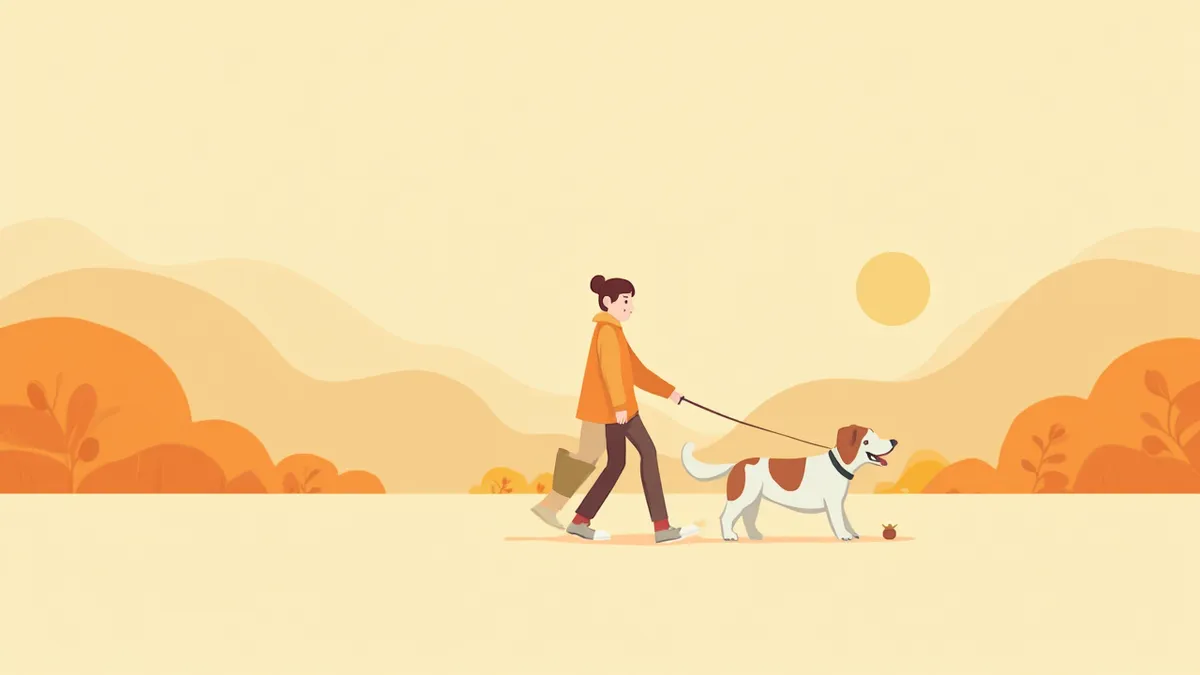
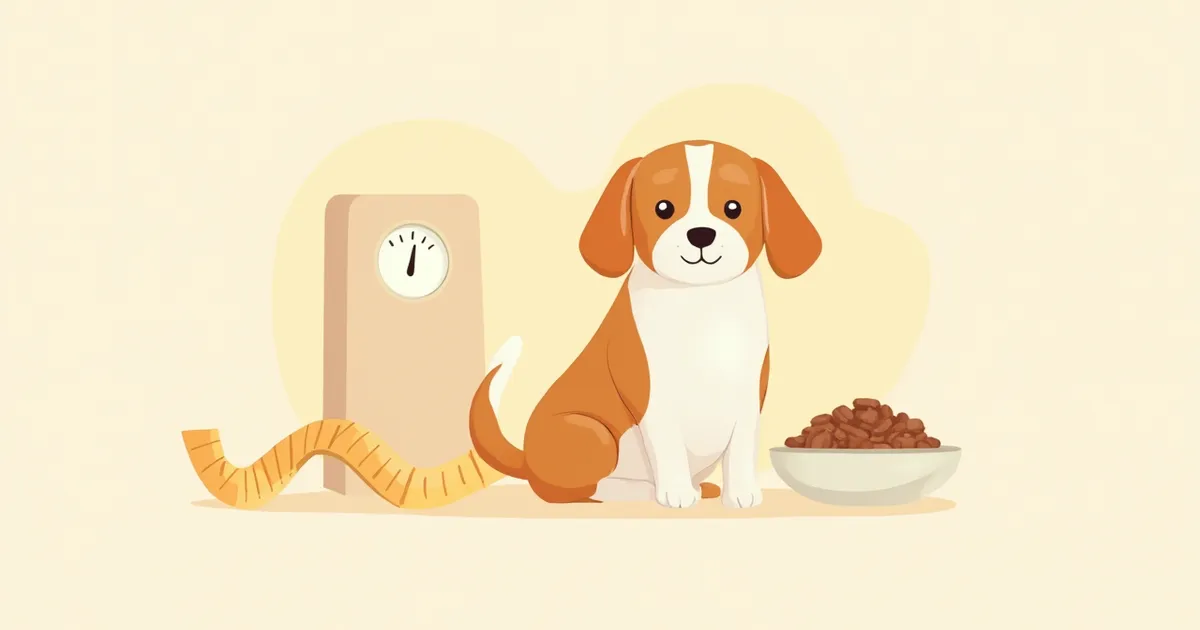
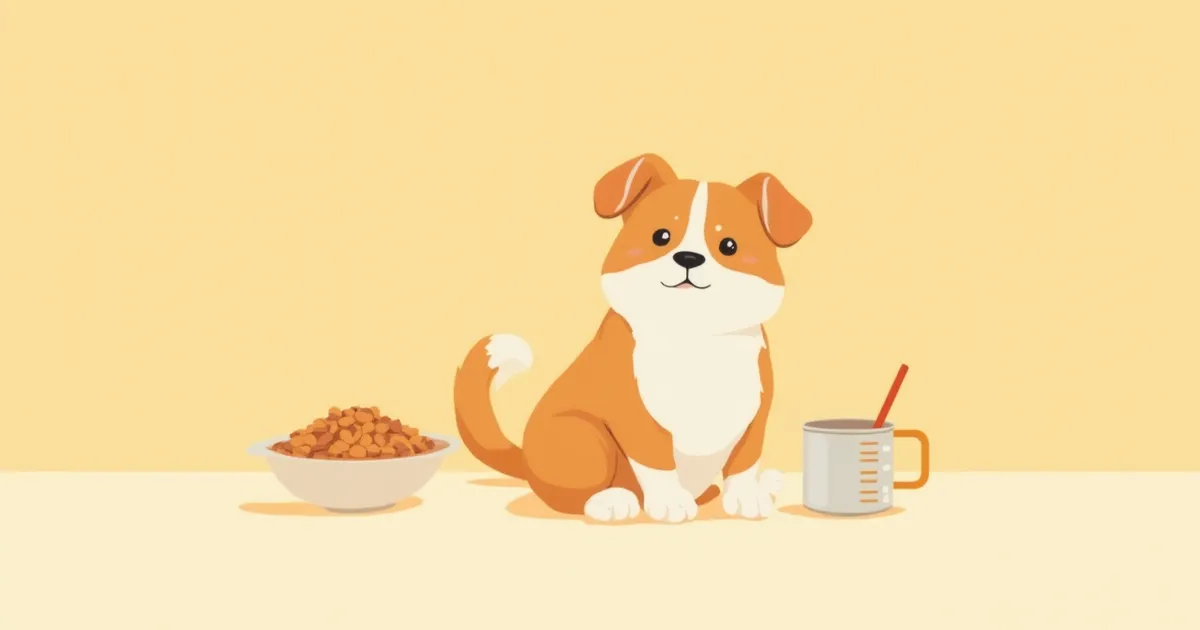
A dog on a walk and a measuring cup filled with dog food
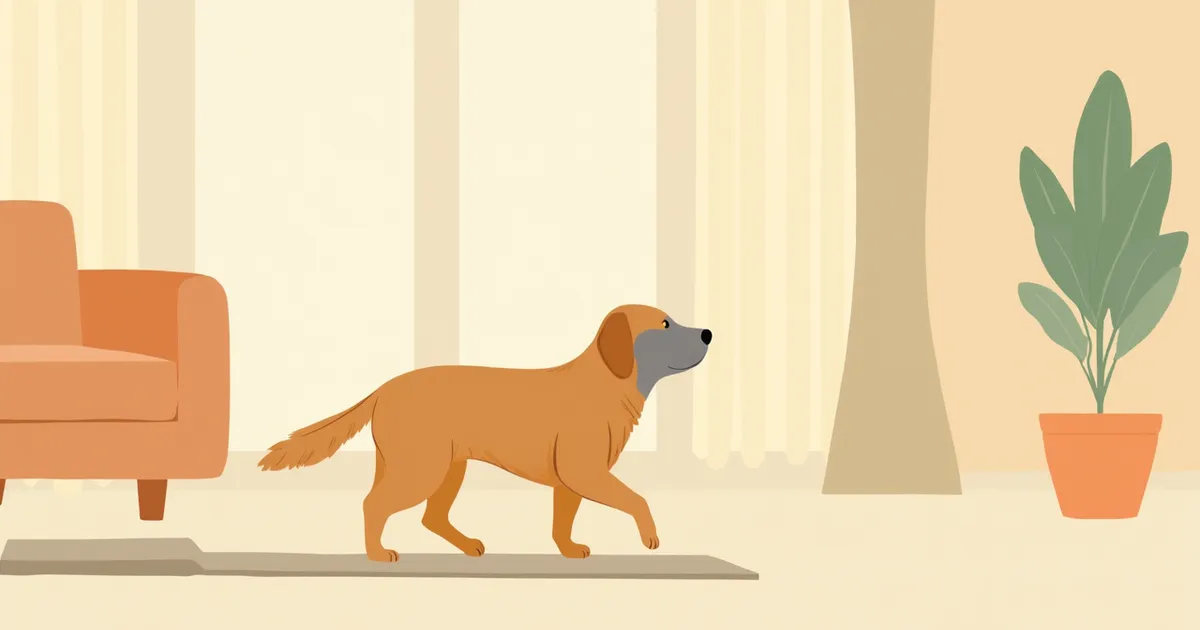
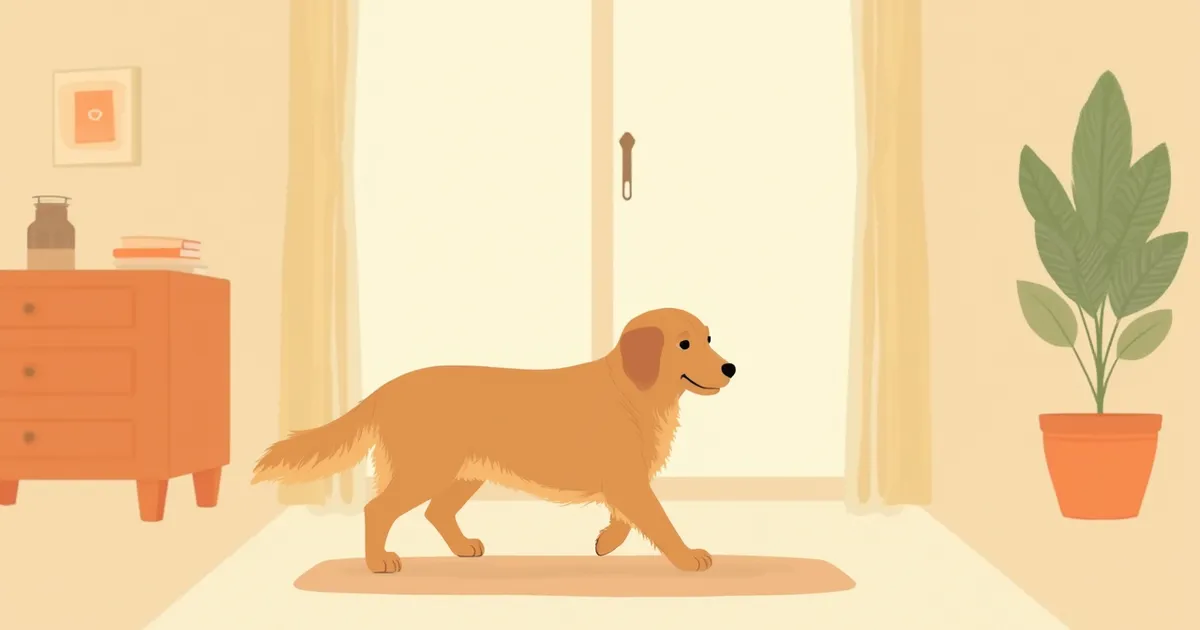
Matching your dog’s exercise diet involves adjusting the daily food portion by ±15–30% based on their activity level (walk duration, intensity, and playtime) as a weight management strategy. The key is not “moving as much as you eat,” but “eating as much as you move.” The recommended serving size on the bag is based on “average activity levels,” so feeding that amount to a dog that only walks for 30 minutes a day will usually lead to weight gain. Please recalculate the portion to match your dog’s actual lifestyle.

Why Should Food Portions Vary by Activity Level?

Dogs burn calories through movement, just like people. If a dog that stays indoors all day eats the same amount as one that runs for an hour every day, the less active dog will naturally gain weight. According to veterinary nutrition textbooks, a dog's daily caloric needs are estimated by multiplying its Resting Energy Requirement (RER), which is based on body weight, by an activity factor. For dogs that barely move, this factor is typically under 1.5, while for those that exercise vigorously every day, it can exceed 2.0. This means that even dogs of the same weight may require significantly different amounts of food. However, these values are not exact formulas but rather starting points, as individual variation can be substantial even among dogs with similar weights and activity levels. Therefore, while you should use the calculated value as a baseline, it is essential to adjust the portion size based on actual changes in your dog's weight and body condition.

Food Portion Adjustment Guidelines by Activity Level

ItemLow Activity (under 30 min/day)Moderate (30-60 min/day)High Activity (over 60 min/day + running)
Adjustment vs. Recommended Amount-15 to -20%Baseline (100%)+15 to +30%
Activity Factor (Adult Dog)1.2-1.41.6-1.82.0-2.5
Example: 5kg Small DogAbout 55gAbout 70gAbout 85g
Example: 10kg Medium DogAbout 100gAbout 125gAbout 155g
Example: 25kg Large DogAbout 230gAbout 290gAbout 360g

The gram amounts in the table are only rough examples assuming a food with average caloric density. Even at the same weight and activity level, individual variation is very large, so actual requirements can differ greatly; these values are a starting point, not an exact formula. Be sure to check the kcal/100g labeling on the back of the bag to calculate by calories, and then adjust while monitoring changes in weight and body condition.

Activity Level Checklist for Your Dog
Please honestly check which category your dog falls into.
Low activity: Less than 30 minutes of walking per day, mostly resting indoors, post-neutering, senior dogs (8 years or older)
Moderate activity: 30–60 minutes of walking per day, playing 2–3 times a week, young adult dogs
High activity: More than 60 minutes of walking per day plus running/swimming, working or sport dogs, daily visits to dog parks
Our dogs often move much less than they appear to. Don’t judge based on walking time alone—also consider their activity levels at home.
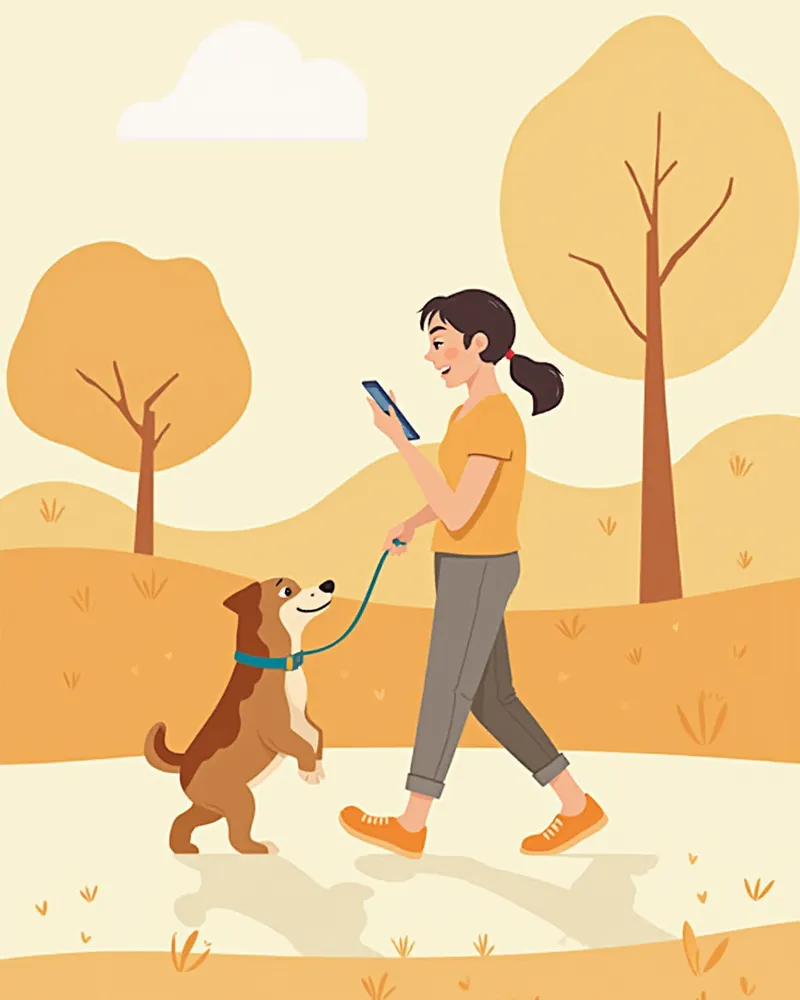
A pet owner and their dog checking the time for a walk

Key Points to Check When Adjusting Food Portions

Sudden, large changes in portion size can cause digestive upset. Instead, gradually adjust the amount in small increments, allowing plenty of time between changes. After making adjustments, carefully monitor your pet’s weight and digestive health to fine-tune the feeding plan. On days with unusually high activity levels, such as long walks or hikes, you may offer a slightly larger portion than usual, but return to the regular amount the following day. Consistently increasing portions every time your pet has an active day can quickly lead to overweight issues.

How to Verify if the Food Portion is Correct by Monitoring Weight Changes
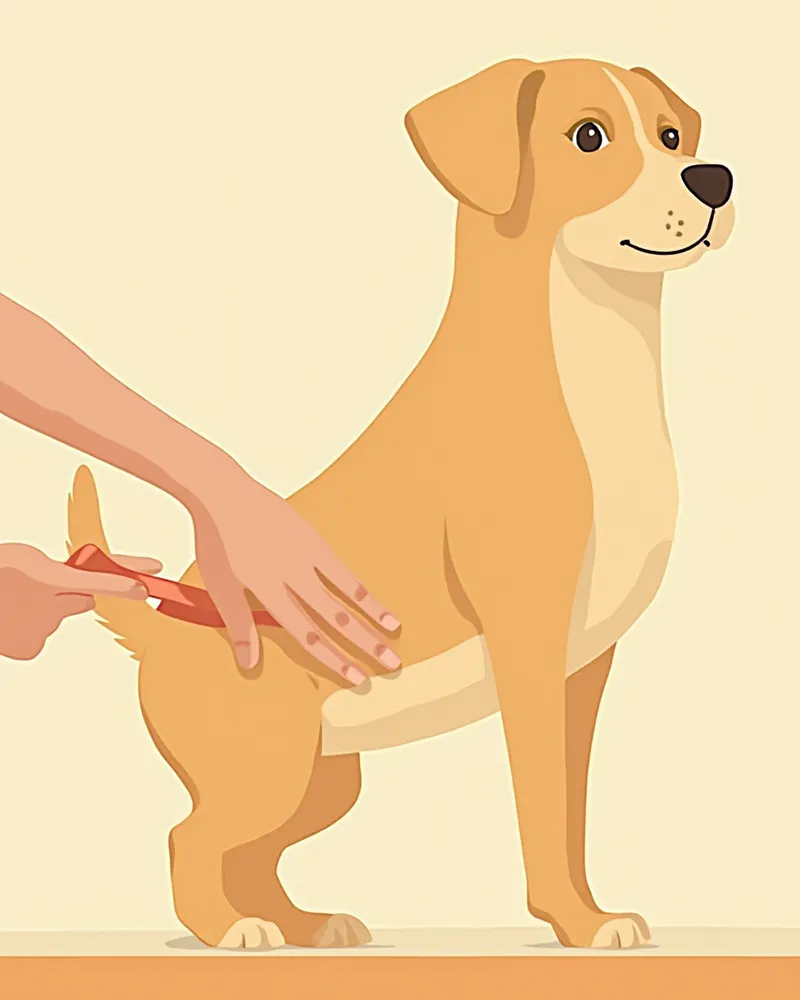
Weighing your pet at the same time on the same day each week is more reliable than relying on calculations. If you notice a consistent upward or downward trend in weight over several weeks, it’s a sign that you need to adjust their food portion. An ideal body condition (BCS 4–5/9) is when you can feel the ribs with a light touch but they aren’t visible. If the ribs are difficult to feel or can’t be felt at all, your pet may be overweight (BCS 7/9 or higher), so consider reducing their current food intake.
A pet owner's hand checking a puppy's ribcage body condition

Tips for Adjusting Food Portions in Special Circumstances

Immediately after neutering: After neutering surgery, your dog’s energy requirements tend to decrease compared to before. Once recovery is stable, regularly monitor their weight and body condition score (BCS), and gradually adjust their food portion to prevent overweight. The exact adjustment varies by individual, so please consult your veterinarian. Senior dogs (8 years and older): Although activity levels decrease, maintain protein intake to preserve muscle mass, and gradually adjust total calories while monitoring changes in weight and body condition. Pregnant and nursing dogs: Energy requirements increase significantly during late pregnancy and lactation. Because individual needs vary greatly, be sure to consult your veterinarian to create a feeding plan tailored to your dog’s specific situation. Accounting for treats: Ensure treats do not make up an excessive proportion of your dog’s daily total calories. On days when treats are given, reduce the regular meal portion accordingly.

When to Consult a Veterinarian

If your pet’s weight continues to increase despite adjusting their food intake for over a month, or if they keep losing weight even with regular exercise, there may be an underlying metabolic disorder such as thyroid disease, diabetes, or Cushing’s syndrome. Additionally, sudden changes in appetite—whether a sharp decrease or increase—are not simply due to changes in activity levels. A veterinary examination and blood tests are necessary to identify the underlying cause.

Reviewed by a veterinarian

Dr. Tony — Punnawat Phongkittirak

Dr. Tony — Punnawat Phongkittirak

Veterinarian

A veterinarian who majored in veterinary medicine at Khon Kaen University, Thailand, and completed the IVSA program at North Carolina State University in the United States. Drawing on clinical experience at animal hospitals, he works in the pet healthcare field and is dedicated to building a digital care environment that connects pet parents with veterinarians.

Frequently Asked Questions

Can’t I just feed my pet the amount recommended on the food bag?
The recommended serving size on the bag is based on an average adult dog with a normal activity level. If your dog is less active, neutered, or senior, feeding the full recommended amount may lead to overfeeding. Adjusting the portion size according to your dog’s activity level is key to maintaining a healthy weight.
Should I only give my dog more food on days when they get a lot of exercise?
On days when your pet has been more active than usual, you can offer a slightly larger portion. However, be sure to return to the regular serving size at the next meal. Frequently increasing and decreasing portions can actually make weight management more difficult.
Do I need to use a separate active dog food (exercise food)?
For working dogs and athletic dogs that engage in high-intensity activity for more than two hours a day, high-calorie, high-protein formulas designed for active dogs can be beneficial. For typical household pets, a standard adult dog food with appropriate portion control is sufficient.
I give my pet treats frequently. How much should I reduce the amount of regular food?
Simply subtract the calories from treats from your pet's daily kibble portion. Check the calorie information on the treat packaging and slightly reduce that day's kibble amount accordingly. It's important to manage treats so they don't make up too large a portion of your pet's daily caloric intake.
If my pet has reached their target weight, should I keep feeding them the same amount of food?
When the season, age, or activity level changes, so does your pet’s caloric requirement. Regularly check their weight and body condition by feeling their ribs, and adjust the amount of food if you notice a consistent trend of gaining or losing weight.

Share

Related Guides

References

[1] Fascetti AJ, Delaney SJ, Applied Veterinary Clinical Nutrition, 2nd Ed, Chapter 8: Commercial and Home-Prepared Diets

[2] National Research Council (NRC), Nutrient Requirements of Dogs and Cats, 2006

[3] WSAVA Global Nutrition Committee, Nutritional Assessment Guidelines, 2011

This information is based on veterinary literature and does not replace diagnosis or treatment. Please consult a veterinarian for specific health concerns.

Metapet Co., Ltd. | CEO: Park Sung-yong | Business Reg. No. 417-88-02562 | Seoul, South Korea | Customer Center

How Much to Feed Your Dog by Exercise Level: Calorie Guide | Meongsiljang