

Cat Lice (Felicola subrostratus) Infestation FAQ — Key Information Every Pet Owner Should Know
Cat lice (a parasitic infestation) is a highly contagious parasitic disease that causes hair loss and itching. We’ve compiled the essential information every pet owner should know in a Q&A format.
What is a cat lice (Felicola subrostratus) infestation?

What are the main causes of lice (Felicola subrostratus) infestation?
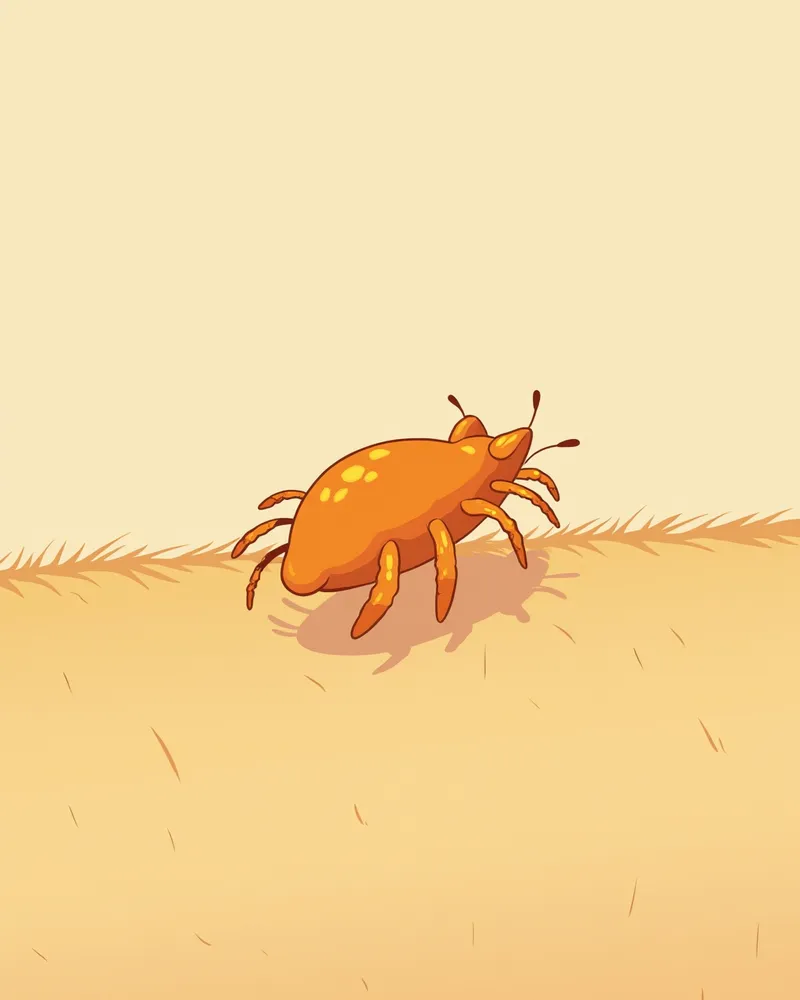
What are the main symptoms of lice (Felicola subrostratus) infestation?

Symptoms Requiring Immediate Veterinary Visit
If your cat is scratching or licking intensely to the point of causing skin wounds, redness, and swelling, or if you notice patchy hair loss, excessive dandruff, and visible eggs (nits), along with restlessness and increased sensitivity, it’s best to seek veterinary care. In particular, if the scratched areas develop oozing or scabs, there may be a secondary bacterial infection. Since other cats living in the same household can also become infected, it’s important to check them as well and not delay treatment.
How is a lice (Felicola subrostratus) infestation diagnosed?

How is a lice (Felicola subrostratus) infestation treated?
Home Care and Prevention Methods

Step-by-Step Comparison of Managing Lice (Felicola subrostratus) Infestation
| Item | Symptoms | How to Respond | Precautions |
|---|---|---|---|
| Mild | Slight itching, minor dandruff, eggs (nits) attached to the fur | Remove lice and eggs by bathing and combing, and start using insecticidal medication | Also check cohabiting cats, and continue treatment to the end |
| Moderate | Persistent itching, hair loss, skin wounds from scratching | See a veterinarian and start drug treatment such as topical insecticides | Prevent secondary bacterial infection, and wash bedding and grooming tools |
| Severe | Severe scratching with discharge and scabs, widespread hair loss, irritable and anxious behavior | Visit the clinic immediately and treat secondary bacterial infection concurrently | Treat all cohabiting cats and thoroughly disinfect the environment |
Because the treatment approach differs depending on the severity of infestation, an accurate diagnosis along with a management plan that includes all animals living together is essential.
Reviewed by a veterinarian

Dr. Tony — Punnawat Phongkittirak
VeterinarianA veterinarian who majored in veterinary medicine at Khon Kaen University, Thailand, and completed the IVSA program at North Carolina State University in the United States. Drawing on clinical experience at animal hospitals, he works in the pet healthcare field and is dedicated to building a digital care environment that connects pet parents with veterinarians.
Reviewed 2026-06-29
Frequently Asked Questions
Can cats transmit diseases to humans?
Why does this infection keep coming back?
Can this infection be completely cured at home just by brushing?
How long does it take to treat this infection?
Can this infection still occur even when using preventive deworming medications?
Share
Related Guides

5 Flea and Tick Preventives for Cats Recommended by Veterinarians — Ingredient Safety Comparison

The Ultimate Guide to Differentiating Symptoms, Managing Internal Parasites in Dogs, and Choosing the Best Products

Best Practices and Selection Criteria for Dog Heartworm Antigen Testing

How Many Days for a Food Transition? Step-by-Step Ratios and Schedules for 5, 7, and 10 Days

Safety Guide for Dog Fresh Food and Homemade Diets (From Nutritional Balance to Hygiene)

What Is a Veterinary Medical Consent Form? — A Guide to Owner Rights Before Surgery and Euthanasia

How to Choose a Pet Sitter? — A Checklist to Review Before Entrusting Your Pet

What is feline lung cancer? — What symptoms appear when lung metastasis occurs?

10 Warning Signs of Dog Cancer — Symptoms Pet Owners Often Miss

Guide to Prescription Abbreviations — Meanings of SID, BID, and PRN at a Glance
References
[1] Feline Emergency and Critical Care Medicine, 2nd Ed. (2023). Chapter 8: Infectious Dermatoses in Cats.
[2] The Cat, Clinical Medicine and Management, 2nd Edition. (2021). Section on Parasitic Skin Diseases.
[3] BSAVA Manual of Canine and Feline Dermatology, 4th Ed. (2020). Lice Infestations in Felines.