

Feline Portosystemic Shunt: Should Surgery Be Performed? — Frequently Asked Questions on Timing, Success Rates, and Prognosis
Surgical correction of feline portal vein shunt is a key treatment to compensate for liver dysfunction. We’ve compiled the essential questions and answers that pet owners should know.
What Is Feline Portosystemic Shunt Correction Surgery?
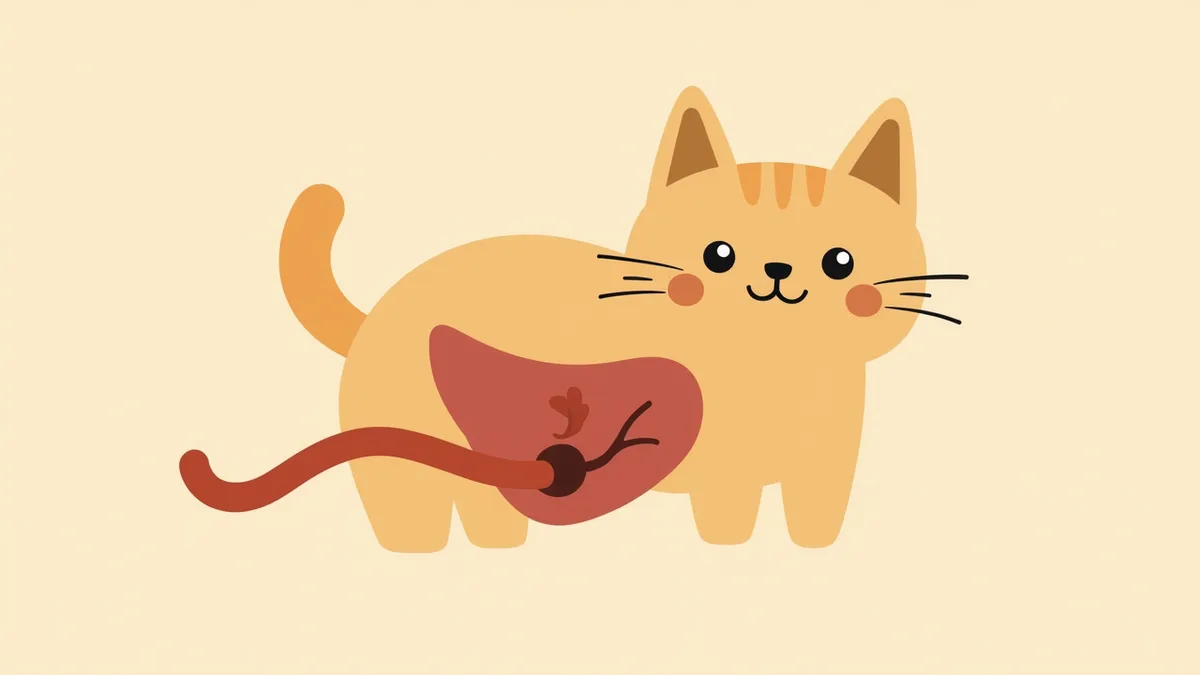
Why Is Portosystemic Shunt Surgery Necessary?

How to Prepare for Surgery

Key Points for Postoperative Care
Visit the Clinic Immediately for Abnormal Symptoms After Surgery
If your pet shows unusual symptoms such as severe vomiting, seizures, decreased consciousness, or difficulty breathing after surgery, please visit the clinic immediately. These could be signs of complications. Especially in the first few days after surgery, their condition can change rapidly, so please monitor them closely and always keep emergency contact information handy.
What Is the Postoperative Prognosis?

Pre- and Postoperative Comparison: Symptoms and Management
| Item | Before Surgery | After Surgery |
|---|---|---|
| Neurological Symptoms | Decreased consciousness, seizures, disorientation, etc. may appear | May improve depending on the individual |
| Appetite | Decreased or absent | May recover depending on the individual |
| Activity Level | Lethargy, reduced movement | Activity may recover depending on the individual |
| Pain Management | Pre-surgical stage | Analgesic management as directed by the veterinarian is needed |
Recovery progress and the timing of improvement can vary by individual, and long-term management and regular veterinary care are needed.
Essential Checks for Pet Owners

Reviewed by a veterinarian

Dr. Tony — Punnawat Phongkittirak
VeterinarianA veterinarian who majored in veterinary medicine at Khon Kaen University, Thailand, and completed the IVSA program at North Carolina State University in the United States. Drawing on clinical experience at animal hospitals, he works in the pet healthcare field and is dedicated to building a digital care environment that connects pet parents with veterinarians.
Reviewed 2026-06-07
Frequently Asked Questions
How long does the recovery period after surgery take?
Can the symptoms return after surgery?
What should I do about the food my cat ate before surgery?
What care can I provide at home after surgery?
How much does surgery typically cost?
Share
Related Guides

7 Key Symptoms and Management Essentials for Canine Cholecystitis Recommended by Veterinarians

Top 5 Milk Thistle (Silymarin) Liver Supplements for Dogs — A Comparison Guide Based on Silybin Content and Absorption Rates

Top Prescription Diets for Dogs with Liver Disease and Selection Criteria

Dog Gingivitis FAQ — Key Points Pet Owners Must Know

Frequently Asked Questions (FAQ) on Canine Enamel Hypoplasia — Key Information for Pet Owners
Dog Dental Radiography FAQ — Key Information Every Owner Should Know

Recommended Frequency for Puppy Oral Exams: Frequently Asked Questions (Q&A) — Key Information Every Pet Owner Should Know

Dog Dental Preventive Treats & Chews FAQ — Key Points Owners Must Know

Dog Tartar and Plaque Prevention FAQ — Key Points Every Owner Must Know

Dog Oral Abscess & Dental Root Abscess FAQ — Key Information for Pet Owners
References
[1] Fossum TW. Preoperative and intraoperative care of the surgical patient. In: Fossum TW, Duprey LP, O’Connor D, editors. Small animal surgery. 3rd ed. Boston, MA: Elsevier; 2007.
[2] Hosgood G, Scholl DT. Evaluation of age as a risk factor for perianesthetic morbidity and mortality in the dog. J Vet Emerg Crit Care. 1998;8(3):222-36.
[3] Reader RC, McCarthy RJ, Schultz KL, et al (2020) Comparison of liposomal bupivacaine and 0.5% bupivacaine hydrochloride for control of postoperative pain in dogs undergoing tibial plateau leveling osteotomy. J Am Vet Med Assoc 256:1011–19.