Like
Share
멍실장
강아지 수면 중 호흡수 심장 모니터링 자주 묻는 질문 Q&A — 보호자가 꼭 알아야 할 핵심

How to Measure Your Dog’s Resting Respiratory Rate — How to Catch Early Signs of Heart Disease at Home

HeartQ&AMeongsiljang Veterinary Advisory Board

Regularly monitoring your dog’s breathing rate and heart rate while they sleep can help detect heart disease early. We’ve put together easy-to-follow methods and important precautions that pet owners can practice at home.

Why Is Monitoring Your Dog’s Respiratory Rate and Heart Rate During Sleep Important?

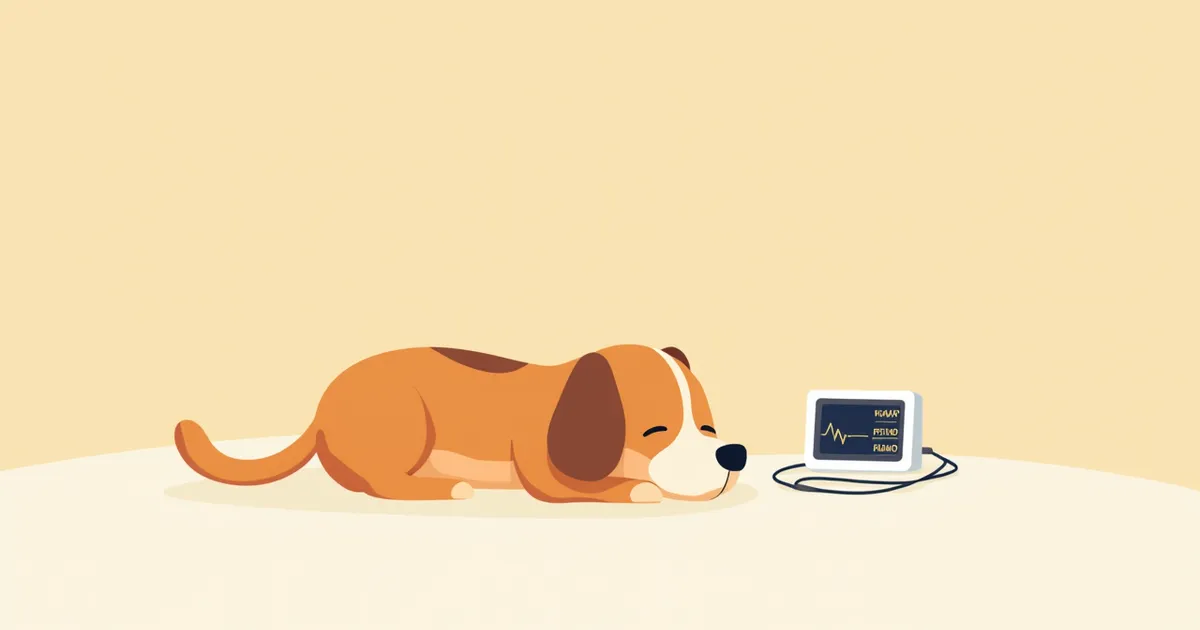
Placing your hand on your puppy’s chest while it sleeps to check its heartbeat
Your dog’s breathing rate and heart rate while sleeping are key indicators of heart function and overall health. Consistently counting and recording their resting respiratory rate during sleep can help you detect early signs of heart or respiratory issues, such as irregular heartbeats (arrhythmia) or pulmonary edema (fluid in the lungs), relatively quickly. This is especially helpful for senior dogs or breeds predisposed to heart disease, such as certain terriers like the West Highland White Terrier, where regular at-home monitoring is beneficial. - Heart rate: Normal resting heart rates vary by size: approximately 60–100 beats per minute for large breeds, 80–120 for medium breeds, and 90–140 for small breeds. If the rate consistently exceeds these ranges significantly (tachycardia), consult your veterinarian. - Rapid breathing: A consistent respiratory rate over 30 breaths per minute while sleeping may indicate lung problems or rapid breathing due to heart failure. - Blue or bluish mouth or tongue: This cyanosis signals insufficient oxygen supply and indicates respiratory distress, which is an emergency. If you notice these signs, seek immediate veterinary care, so please monitor your pet closely.

What Are the Normal Respiratory Rate and Heart Rate During Sleep?
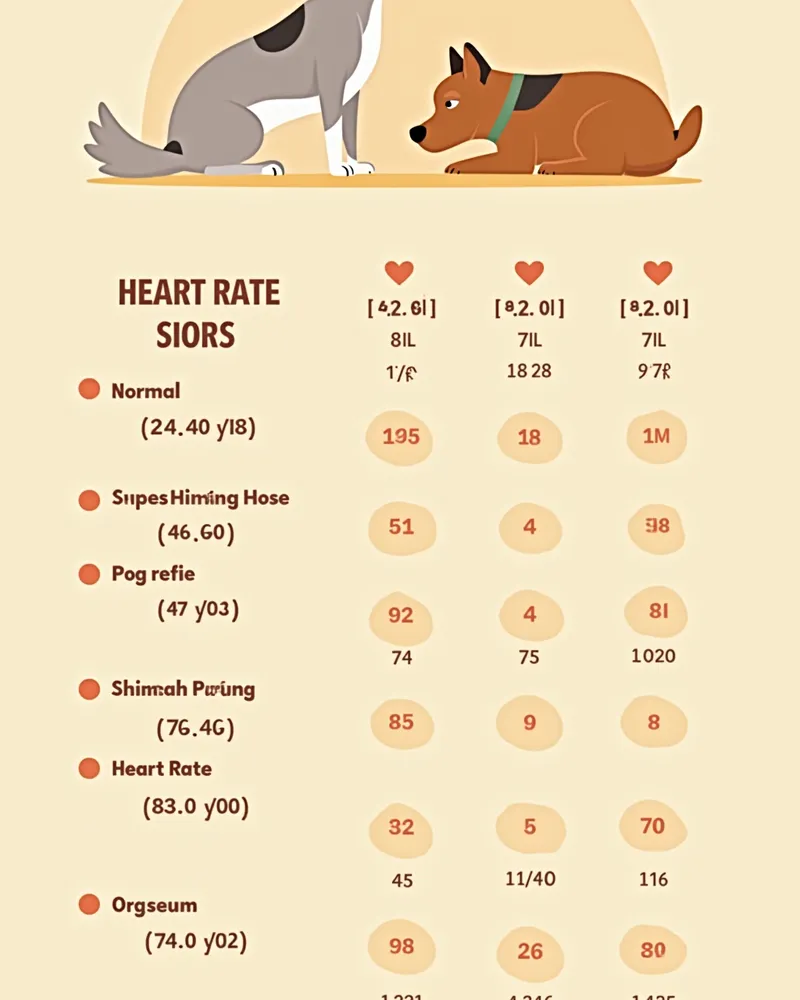
When a dog is in deep sleep, a normal respiratory rate is about 10 to 30 breaths per minute. Heart rate varies by body size: large breeds typically have 60 to 100 beats per minute, medium breeds 80 to 120, and small breeds 90 to 140. As such, the normal range can vary somewhat depending on breed, weight, and age. For example, small breeds tend to have faster heart rates than large breeds. During normal sleep, breathing should be quiet and chest movements smooth. If these values consistently fall outside the normal range, it may indicate strain on the heart or respiratory system, so careful monitoring is recommended.
A chart showing the normal respiratory and heart rate ranges for dogs by breed and age

5 Easy Monitoring Methods You Can Do at Home

Checking your dog’s breathing rate and heart rate while they’re asleep is simple. First, gently place your hand on your dog’s chest while they’re sleeping comfortably to feel their heartbeat. For breathing, watch for movement around their nose or mouth and count each breath. It’s important to count accurately for a full minute. You can also use a smartwatch or a dedicated monitor. Checking at the same time every day helps you notice changes more easily. Keeping a record will be very helpful when discussing your dog’s health with your veterinarian.
Monitoring your dog's heart rate and respiratory rate in real time via a smartphone app

When to Consult a Veterinarian Immediately
If your dog’s resting respiratory rate consistently exceeds 30 breaths per minute while asleep, or if their heart rate persistently and significantly surpasses the normal range for their size (approximately 100 beats per minute for large breeds and up to 140 for small breeds), consult a veterinarian immediately. Additionally, difficulty breathing, cyanosis (a blue or bluish tint to the mouth or tongue), or sudden awakening and restless movements are warning signs. These symptoms may indicate serious conditions such as heart failure, pulmonary edema, or arrhythmia. Since respiratory distress is an emergency, it is crucial to keep your dog in a quiet, stable position and ensure good ventilation while transporting them to the clinic or awaiting veterinary care. - Abnormal heart rhythm: Immediate veterinary attention is required if tachycardia (a heart rate consistently and significantly above the normal range) is observed. - Rapid breathing: A respiratory rate exceeding 30 breaths per minute during sleep may indicate lung issues or heart failure. - Changes in mouth color: A blue tint signals oxygen deprivation (cyanosis). In such cases, prompt veterinary care can be life-saving.
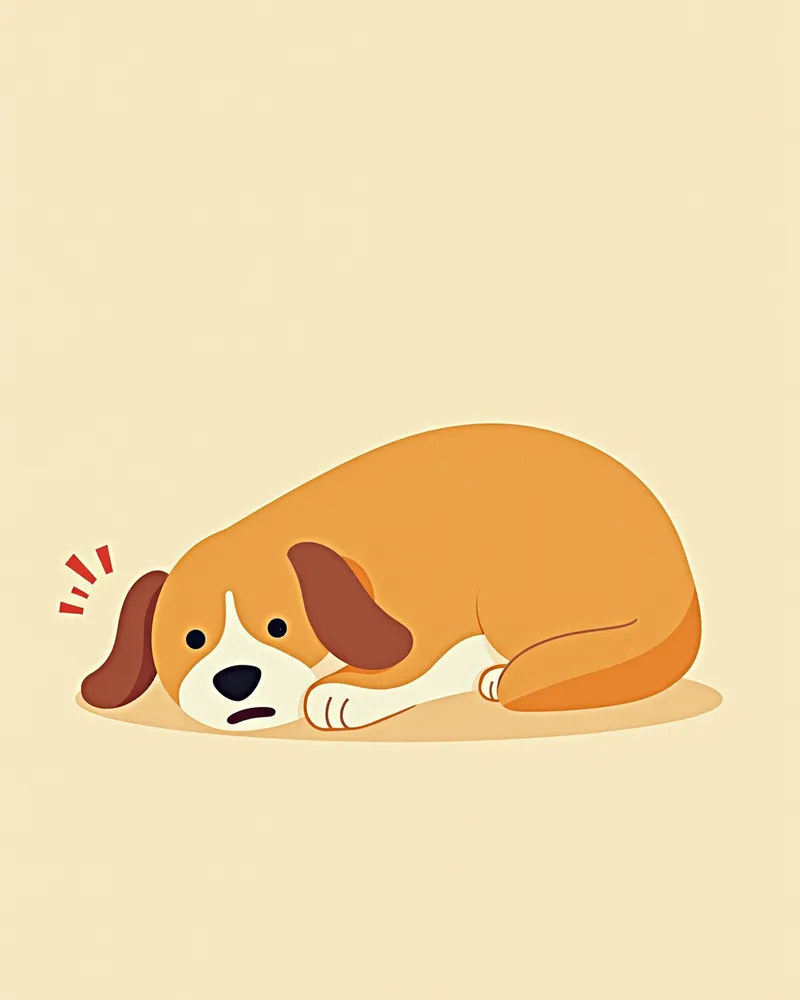
An image of a dog panting and appearing anxious

Emergency: Heavy Breathing or Abnormal Heartbeat

If your dog appears to be breathing heavily while sleeping, or if their mouth or tongue turns blue, take them to a veterinary clinic immediately. These are signs that could indicate cardiac arrest or pulmonary edema. Until the veterinarian arrives, keep your dog calm and in a stable position, and ensure they have plenty of fresh air.

Practical Tips for Monitoring During Sleep

It’s best to check your dog’s vital signs during their deepest sleep at the same time every day. The ideal windows are typically between 7–9 AM and 8–10 PM, as these times allow you to capture accurate readings while your dog is in a natural, relaxed state. For the most effective check, choose a quiet environment, gently place your hand on your dog’s chest to feel the heartbeat, and count the breaths by observing the movement near the nose. Recording these observations in a single line each day helps your veterinarian easily track trends over time. Using a smartphone app or smart collar can automate this process, making it more convenient and reducing the chance of errors. - Regular Checks: Perform them at the same time every day. - Keep Records: Consistently log data in a journal or app. - Set the Environment: Conduct checks in a quiet, calm space.
An image showing a daily health logbook and pen for recording your dog's health information.

Comparison of Monitoring Methods During Sleep: Manual Check vs. Smart Devices

ItemAccuracyCostEase of Use
Checking heartbeat by handMediumCheapLow
Smartwatch/MonitorHighMediumHigh
Veterinary examination equipmentVery highHighLow

Home monitoring is suitable for regular observation, while veterinary examination is necessary for accurate diagnosis.

4 Signs Pet Owners Often Miss
- Tendency for rapid breathing: If your pet’s breathing becomes fast even while sleeping, it may indicate an increased burden on the heart. - Irregular heartbeat: A disrupted heart rhythm could signal an abnormal cardiac rhythm. - Rapid chest movement: Visible effort in breathing, such as the chest rising and falling quickly, may be a sign of respiratory distress. - Frequent waking: Waking up often during sleep could indicate anxiety or pain. It’s important to carefully observe these signs.
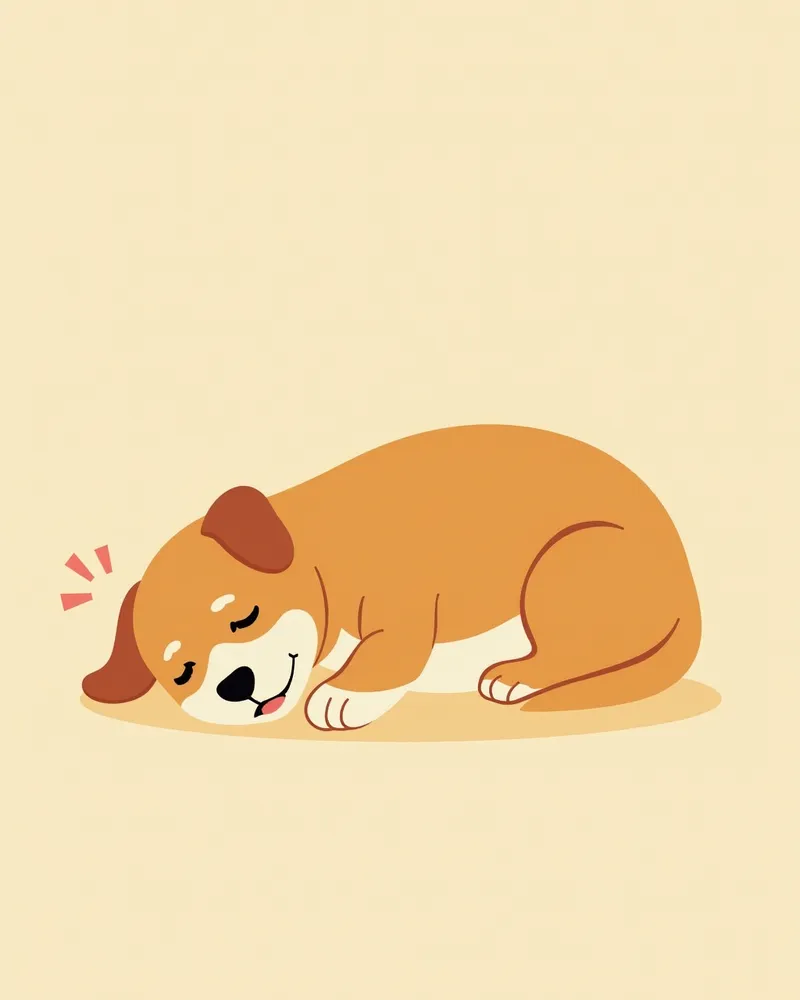
An image of a puppy panting and appearing anxious

Reviewed by a veterinarian

Dr. Tony — Punnawat Phongkittirak

Dr. Tony — Punnawat Phongkittirak

Veterinarian

A veterinarian who majored in veterinary medicine at Khon Kaen University, Thailand, and completed the IVSA program at North Carolina State University in the United States. Drawing on clinical experience at animal hospitals, he works in the pet healthcare field and is dedicated to building a digital care environment that connects pet parents with veterinarians.

Frequently Asked Questions

How can I accurately count my pet’s respiratory rate while they’re sleeping?
Count your dog's breaths for one minute while they're in a deep sleep by observing the movements around their nose or mouth. Checking chest movements as well can provide a more accurate count.
Do I need to check it every day?
It’s helpful to count and record your pet’s resting respiratory rate once a day, especially while they’re asleep. The more consistently you track it under the same conditions each day, the easier it will be to notice any changes from their normal baseline.
Do small breeds have different normal ranges?
Yes, small-breed dogs tend to have faster heart rates than large-breed dogs (approximately 90–140 beats per minute for small breeds, and 60–100 beats per minute for large breeds). It’s helpful to refer to breed-specific guidelines.
How should I share my pet’s medical records with the veterinarian?
Take photos or create a simple chart to track your pet's symptoms, and share it with your vet. This can be incredibly helpful in identifying patterns and trends.
Can heart disease still develop even with regular monitoring?
Yes, regular monitoring helps with early detection, but it can't prevent all diseases. Regular check-ups are also important.

Share

Related Guides

References

[1] Small Animal Critical Care Medicine, 3rd Ed. (2023). Chapter 24: Cardiac Output Monitoring in Resting Dogs.

[2] Advanced Monitoring for Small Animal Emergency and Critical Care, 2nd Ed. (2021). Section 16: Cardiac Output Monitoring Techniques.

[3] American College of Veterinary Internal Medicine (ACVIM). Guidelines for Home Monitoring of Canine Cardiovascular Health (2022).

This information is based on veterinary literature and does not replace diagnosis or treatment. Please consult a veterinarian for specific health concerns.

Metapet Co., Ltd. | CEO: Park Sung-yong | Business Reg. No. 417-88-02562 | Seoul, South Korea | Customer Center

How to Measure Your Dog's Resting Respiratory Rate at Home | Meongsiljang