
Like
Share
멍실장
강아지 폐암·폐 전이 자주 묻는 질문 Q&A — 보호자가 꼭 알아야 할 핵심

Is My Dog’s Cough a Sign of Lung Cancer? — Symptoms of Lung Metastasis and When to Visit the Vet

Oncology/CancerQ&AMeongsiljang Veterinary Advisory Board

Because canine lung cancer and lung metastases often present no early symptoms, diagnosis can be delayed. We’ve compiled the key questions and answers every pet owner should know.

Early Detection Is Most Important for Canine Lung Cancer and Lung Metastases

An anatomical illustration showing canine lung cancer and its metastatic pathways
Canine lung cancer is difficult to detect early because it shows few symptoms in its initial stages. Since primary lung tumors are typically diagnosed in dogs averaging 10 to 11 years of age, older dogs require more careful monitoring. - Early Detection: For senior dogs, regular chest radiographs can help identify lesions and check for metastasis. - Metastatic Risk: Primary lung tumors can be aggressive, potentially invading local tissues or spreading to other areas via the bloodstream or lymphatic system. Lymph node metastasis worsens the prognosis. - Regular Check-ups: Regular examinations with your veterinarian, including chest radiographs, aid in staging and early detection. - Treatment Potential: If the tumor is small, localized, and has not metastasized, complete surgical removal is highly likely. - Owner’s Role: Carefully monitor for symptoms such as coughing or changes in breathing, and visit the clinic immediately if you suspect any issues.

Why Is Early Detection of Canine Lung Cancer Difficult?
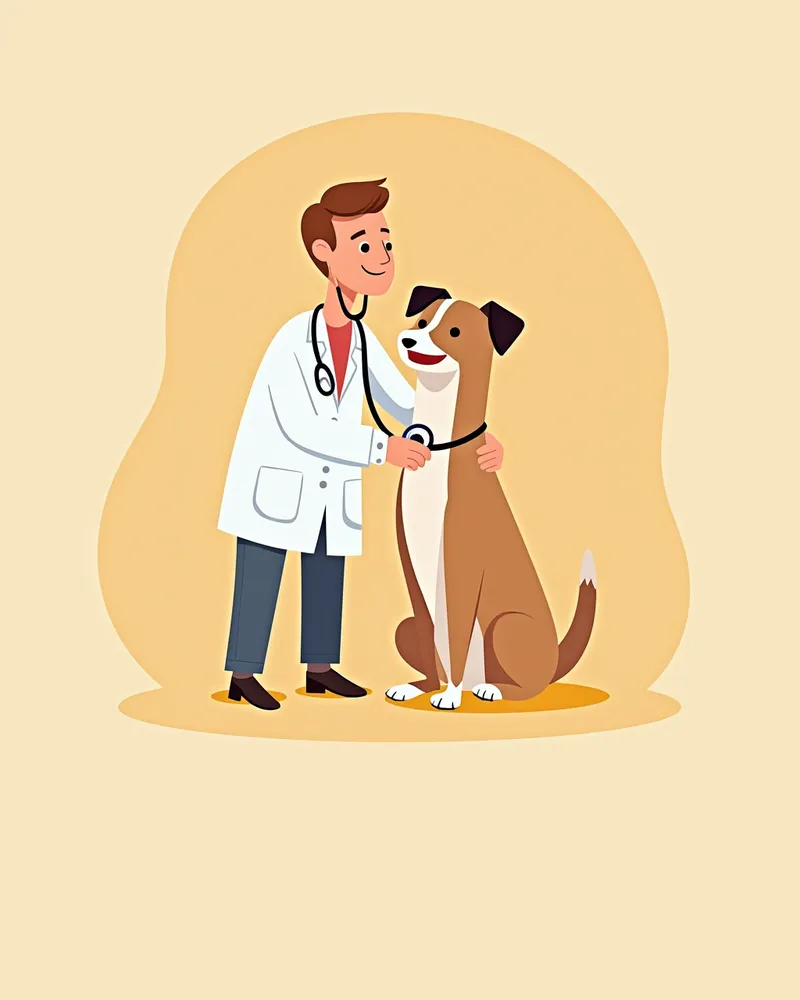
In the early stages of lung cancer in dogs, symptoms such as coughing, difficulty breathing, and decreased activity are often very mild. This is because the lungs are highly active organs with effective compensatory mechanisms that can mask damage. Additionally, these symptoms are non-specific and easily mistaken for bronchitis or pneumonia. As a result, lung cancer is frequently diagnosed only after metastasis has already occurred. Regular chest X-rays are essential for early detection.
A scene of auscultation examination for early diagnosis of lung cancer in dogs

What Are the Key Diagnostic Tests for Canine Lung Cancer?

Diagnosing lung cancer in dogs requires a series of tests to ensure accuracy. - Chest X-ray: This is the first step to check for abnormal lesions in the lungs. It is cost-effective and can be performed quickly. - CT scan: Essential for determining the exact size and location of the lesion, as well as checking for metastasis. - Biopsy: A key procedure that involves collecting tissue samples to confirm the type and classification of the cancer. - Blood tests: These help evaluate the dog’s overall health and liver function, aiding in the development of a treatment plan. - Combination of multiple tests: Since a single test is often insufficient, combining several tests is necessary to achieve an accurate diagnosis.
A scene of a CT scan being performed to diagnose lung cancer in a dog

Comparison of Diagnostic Tests by Stage for Canine Lung Cancer

ItemAccuracyCostTime Required
Chest X-rayIntermediateInexpensiveAround 10 minutes
CT ScanHighIntermediate30–60 minutes
BiopsyVery HighHigh1–2 hours

CT and biopsy offer high accuracy but require more cost and time. Start with X-ray when initially suspected, and proceed with follow-up tests when a definitive diagnosis is needed.

What Are the Treatment Options for Canine Lung Cancer?

Treatment for canine lung cancer is tailored to the specific characteristics of the tumor and the individual dog’s condition. - Surgical treatment: When the tumor is localized and there is no evidence of metastasis, surgical resection is the most effective and commonly recommended approach. Smaller tumors, in particular, have a high likelihood of complete removal. - Radiation therapy: While attempted in some cases, the role of radiation therapy for lung tumors has not yet been clearly established. - Chemotherapy: Drugs such as vinorelbine and carboplatin may be used depending on the tumor type, but there is currently no confirmed evidence that postoperative chemotherapy improves prognosis. - Diagnosis and staging: Determining the tumor stage through procedures like lymph node biopsy during surgery helps provide owners with accurate prognostic information. - Comprehensive care: The most important step is working closely with your veterinarian to develop a treatment plan aimed at alleviating symptoms and improving your dog’s quality of life.
A scene explaining treatment options for canine lung cancer.

Early Detection Determines Survival Rates

When a dog’s lung cancer is small, localized, and has not spread, surgery may offer the possibility of complete removal. However, once metastasis occurs, the prognosis worsens and treatment becomes more challenging. Even when metastasis is confirmed, survival times vary greatly among individual dogs, with some cases reported to live symptom-free for over a year. For senior dogs, it is advisable to consult with your veterinarian about regular chest X-rays.

What Can Pet Owners Do in Managing Canine Lung Cancer?

Managing canine lung cancer hinges on close collaboration with your veterinarian. - Medication administration: Ensure your dog receives the correct dosage at the precise scheduled times. - Dietary management: Provide nutritious, easily digestible meals to help maintain strength and energy levels. - Activity regulation: If your dog experiences difficulty breathing, reduce walks and minimize stress. - Regular follow-up visits: Monitor treatment response and seek immediate veterinary care if symptoms worsen. - Record keeping: Document changes in symptoms, appetite, and activity levels to facilitate clearer communication with your veterinarian.
Home environment for managing a dog with lung cancer

Reviewed by a veterinarian

Dr. Tony — Punnawat Phongkittirak

Dr. Tony — Punnawat Phongkittirak

Veterinarian

A veterinarian who majored in veterinary medicine at Khon Kaen University, Thailand, and completed the IVSA program at North Carolina State University in the United States. Drawing on clinical experience at animal hospitals, he works in the pet healthcare field and is dedicated to building a digital care environment that connects pet parents with veterinarians.

Frequently Asked Questions

Is there a genetic component to lung cancer in dogs?
Just like in humans, most canine cancers arise randomly, making it difficult to pinpoint a single cause. There is limited evidence to definitively link environmental factors such as smoking or air pollution to cancer development. Therefore, regardless of breed, it is important to have your dog undergo regular check-ups if you notice any suspicious symptoms.
Can a dog’s lung cancer be cured?
When the tumor is small and localized, complete surgical removal can yield a favorable outcome. However, if there is metastasis or the malignancy is high, the risk of recurrence is elevated. Survival time varies depending on the individual and treatment, with reports ranging from several months to one to two years.
What kind of diet is best for a dog with lung cancer?
A diet that is high in protein and calories, yet easy to digest, is recommended. Use nutritional supplements or prescription diets as advised by your veterinarian. Adjust portion sizes based on your pet’s symptoms, and always ensure they have access to plenty of fresh water.
Should I continue taking my dog for walks if they have lung cancer?
Activity levels should be adjusted based on symptoms. If coughing or difficulty breathing is severe, reduce walks and encourage rest. Light walks can help improve mood and provide a pleasant change of pace.
What should I do if my dog experiences side effects during lung cancer treatment?
If side effects such as nausea, loss of appetite, or fatigue occur, please contact your veterinarian immediately. Symptoms can be managed through medication adjustments or supportive care. Left untreated, these symptoms may lead to a worsening of your pet’s condition.

Share

Related Guides

References

[1] Withrow SJ, MacEwen EG. (2001). Small Animal Clinical Oncology. 3rd ed. St. Louis: Saunders.

[2] Lloyd WH, et al. (2018). Pulmonary neoplasia in dogs: A retrospective study of 127 cases. Veterinary and Comparative Oncology, 16(2), 234–242.

[3] American Veterinary Medical Association. (2022). Canine Lung Cancer: Diagnosis and Management Guidelines.

This information is based on veterinary literature and does not replace diagnosis or treatment. Please consult a veterinarian for specific health concerns.

Metapet Co., Ltd. | CEO: Park Sung-yong | Business Reg. No. 417-88-02562 | Seoul, South Korea | Customer Center

Is Your Dog's Cough Lung Cancer? Metastasis Signs & Vet | Meongsiljang