

Soft Tissue Sarcoma in Dogs: Frequently Asked Questions — Key Information Every Pet Owner Should Know
Soft tissue sarcomas in dogs are uncommon but challenging-to-treat malignant tumors. We’ve compiled essential information on symptoms, diagnosis, treatment options, and prognosis that every pet owner should know.
What Is Soft Tissue Sarcoma in Dogs?
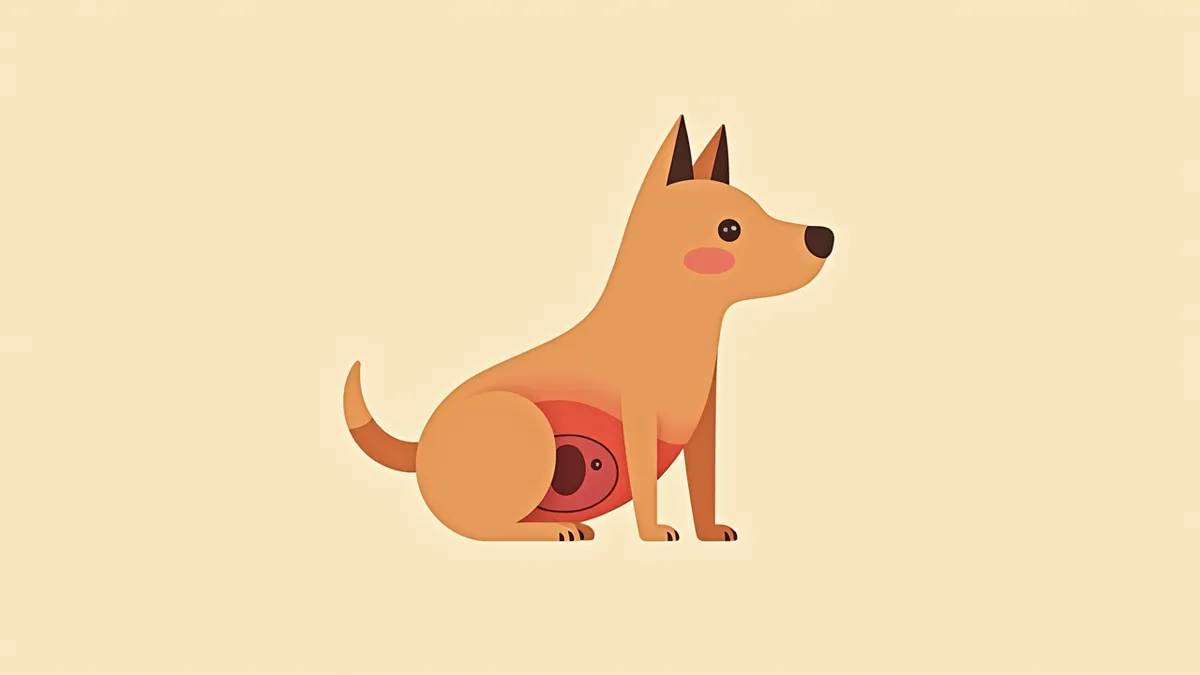
Why Is Soft Tissue Sarcoma Dangerous?
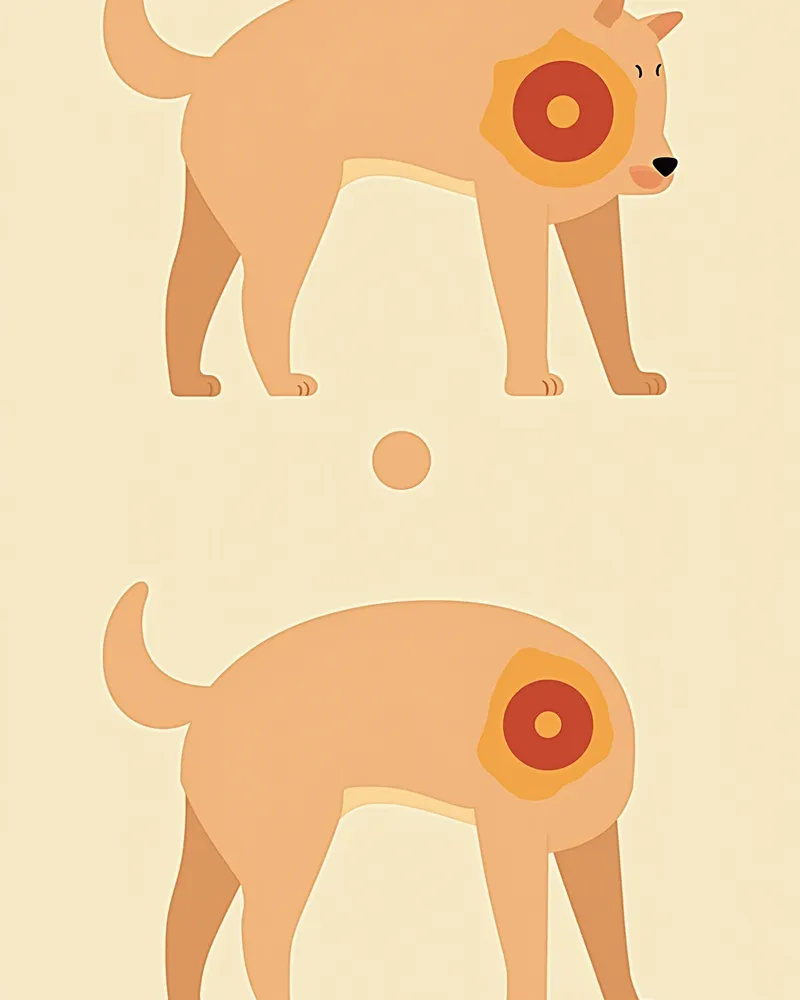
What Are the Main Symptoms?

Signs That Require Immediate Veterinary Visit
If the mass grows rapidly, pain worsens, or your pet has difficulty walking, consult a veterinarian immediately. Soft tissue sarcomas grow by infiltrating surrounding tissues, so early diagnosis significantly increases the likelihood of successful treatment.
Tests Needed for Accurate Diagnosis

What Are the Treatment Options?

Comparison of Management Strategies by Treatment Stage
| Item | Main method | Goal | Prognosis |
|---|---|---|---|
| Early stage (small mass, under 5 cm) | Complete surgical removal with wide margins | Curative intent | With complete resection, the risk of local recurrence tends to be low |
| Intermediate stage (increased size, invasion) | Surgery + adjuvant radiation therapy | Prevention of local recurrence | Prognosis varies depending on whether sufficient margins are achieved |
| Advanced stage (possibility of metastasis, high grade) | Radiation / chemotherapy | Symptom relief and local control | If distant metastasis is present, the prognosis may be poor |
The treatment success rate and prognosis vary greatly depending on the tumor's size, location, grade, and whether clear surgical margins can be achieved (when surgery is possible).
Points to Note: Risk of Recurrence After Surgery
Especially when a tumor has been incompletely or conservatively removed, the risk of local recurrence is high. Early detection through regular check-ups and imaging is crucial, and it's essential to work with your veterinarian to develop a management plan.
Reviewed by a veterinarian

Dr. Tony — Punnawat Phongkittirak
VeterinarianA veterinarian who majored in veterinary medicine at Khon Kaen University, Thailand, and completed the IVSA program at North Carolina State University in the United States. Drawing on clinical experience at animal hospitals, he works in the pet healthcare field and is dedicated to building a digital care environment that connects pet parents with veterinarians.
Reviewed 2026-06-07
Frequently Asked Questions
Are soft tissue sarcomas in dogs hereditary?
Can soft tissue sarcomas be cured?
Do soft tissue sarcomas cause pain?
How long can my pet live after surgery?
Can it be prevented?
Share
Related Guides

Comprehensive Guide to Recommended Hospice Care and Quality of Life Management for Cats with Tumors

7 Factors Determining Prognosis and Life Expectancy in Dogs with Tumors, According to Veterinarians

7 Key Management Points for Canine Transitional Cell Carcinoma (Bladder Cancer) Recommended by Veterinarians — From Symptoms to Care

Comparing Implantable Microchips and External ID Tags

What Is Therapeutic Massage for Dogs and Cats? — Safe Techniques and Precautions at Home

Low-Level Laser Rehabilitation Therapy

The Complete Guide to Post-Disc Surgery Rehabilitation Protocols

Complete Guide to the Post-TPLO Surgery Rehabilitation Protocol

Monitoring Anesthesia Recovery (Body Temperature, Pain, Vomiting)
Types of Local and Regional Anesthesia and Their Indications
References
[1] Murray, R.L., Aitken, M.L., & Gottfried, S.D. (2010). The use of rim excision as a treatment for canine acanthomatous ameloblastoma. Journal of the American Animal Hospital Association, 46(2), 91–96.
[2] Birchard, S.J., Couto, C.G., & Johnson, S. (1986). Nonlymphoid intestinal neoplasia in 32 dogs and 14 cats. Journal of the American Animal Hospital Association, 22(5), 533–537.
[3] Chu, M.L., Hayes, G.M., Henry, J.G., et al. (2020). Comparison of immunohistochemical markers in canine peripheral nerve sheath tumors and other soft tissue sarcomas. Veterinary Pathology, 57(4), 307–318.