Like
Share
멍실장
고양이 각막궤양 원인과 치료

Causes and Treatment of Feline Corneal Ulcers

Eye HealthQ&AMeongsiljang Veterinary Advisory Board

I’ve compiled a comprehensive overview of feline corneal ulcers, covering their main causes and symptoms, as well as diagnosis, treatment, and home care, based on veterinary medical resources.

What Are Feline Corneal Ulcers and How Are They Treated?
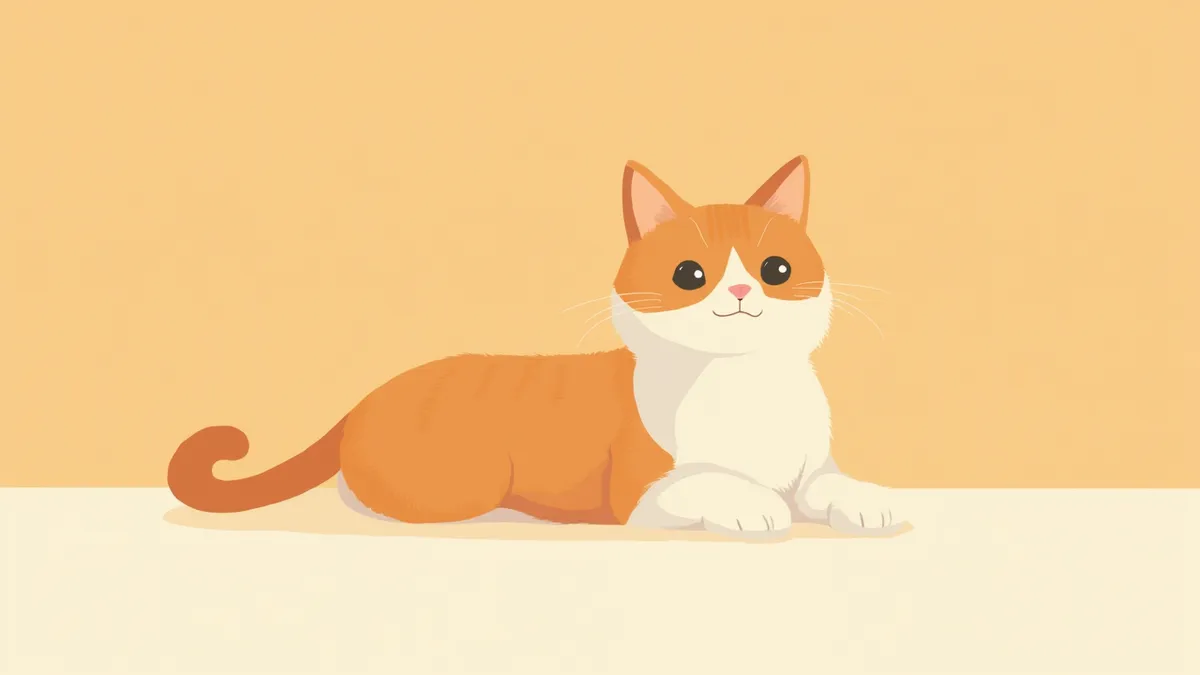
A cat with healthy eyes resting comfortably.
Corneal ulcers occur when the cornea, the transparent outer layer of a cat’s eye, becomes damaged. Feline herpesvirus infection is a common cause, but they can also result from trauma or abnormalities of the tear film, such as dry eye (keratoconjunctivitis sicca). It is crucial to seek veterinary examination promptly if your cat squints or produces excessive tears, as delayed treatment can allow the ulcer to deepen, potentially leading to corneal melting or perforation. Superficial ulcers typically heal within 5 to 7 days with antibiotic eye drops, whereas deeper ulcers may require 2 to 4 weeks for healing or even surgical intervention. Regardless of the ulcer type, it is standard practice to perform a re-staining examination after 5 to 7 days to confirm proper healing.

Main Causes of Corneal Ulcers

There are three main causes of corneal ulcers in cats.
Feline herpesvirus infection: This is a common cause in cats. The virus characteristically creates dendritic (branching) ulcers on the surface of the cornea. These ulcers may start as superficial but can spread rapidly. Once infected, the virus can remain latent in the body and reactivate during times of stress.
Trauma: Fights with other cats, scratches from claws, or foreign objects can cause corneal ulcers. In particular, injuries from cat scratches are a frequent cause of corneal damage.
Tear film abnormalities and structural issues: Conditions like dry eye (keratoconjunctivitis sicca), where there is insufficient tear production, leave the cornea unprotected. Structural problems such as entropion (inward rolling of the eyelid) or distichiasis (abnormal eyelashes that rub against the cornea) can also lead to ulcers. However, if no clear structural cause is identified, the ulcer is often attributed to herpesvirus.

Suspect Corneal Ulcers If You See These Symptoms

Cats with corneal ulcers experience eye pain, which often leads to noticeable changes in their behavior.
Squinting: The cat may frequently squint or keep one or both eyes partially or fully closed.
Excessive tearing: There is significantly more tearing than usual.
Eye rubbing: The cat may repeatedly scratch or rub around the eyes with its front paws.
Changes in discharge: Clear tears may gradually turn into yellow or green discharge.
Corneal cloudiness: The normally clear part of the eye may appear cloudy or show white spots.
Redness: The whites of the eyes may become red and inflamed.
A cat squinting one eye

Comparison of Corneal Ulcer Stages

The risk level and treatment approach for corneal ulcers vary depending on their depth.
CategorySuperficial UlcerDeep UlcerMelting Corneal Ulcer
Depth of DamageSurface layer of the corneaMiddle layer of the cornea or deeperFull thickness of the cornea
Risk LevelLowModerate to HighVery High
Primary TreatmentAntibiotic eye dropsIntensive medication therapyPossible surgical intervention
Recovery Period5–7 days2–4 weeksSeveral weeks or more

Diagnostic Tests Performed at the Veterinary Clinic

The cornerstone of diagnosing corneal ulcers is fluorescein staining. When this fluorescent dye is applied to the eye, it adheres only to damaged areas of the cornea, causing them to glow green. This allows for precise assessment of the ulcer’s location, size, and shape. According to veterinary ophthalmology textbooks, it is standard practice to examine both eyes, even if symptoms appear in only one. If a herpes virus infection is suspected, viral testing is added; if the ulcer is deep or accompanied by infection, bacterial culture may also be performed.
A veterinarian examining a cat's eyes

Go to the Clinic Immediately in These Cases

If the clear part of the eye appears to turn white or yellow, as if melting, corneal melting may be progressing. If a jelly-like substance protrudes from the eye, or if the eye suddenly becomes severely swollen and cannot open at all, there is a risk of corneal perforation. At this stage, vision loss can occur, so do not delay—seek emergency veterinary care immediately.

Treatment Methods for Corneal Ulcers
Treatment depends on the depth and cause of the ulcer.
Superficial ulcers: Apply antibiotic eye drops several times a day and monitor progress. Most cases heal within 5 to 7 days.
Deep ulcers: Increase the frequency of antibiotic eye drop applications and consider adding oral antibiotics. Autologous serum eye drops may also be used to prevent corneal melting.
Herpes virus-induced ulcers: Use antiviral eye drops in combination with other treatments. Stress management is essential to prevent recurrence.
Most importantly, never use steroid-containing eye drops when a corneal ulcer is present, as this can worsen the ulcer or lead to corneal melting.
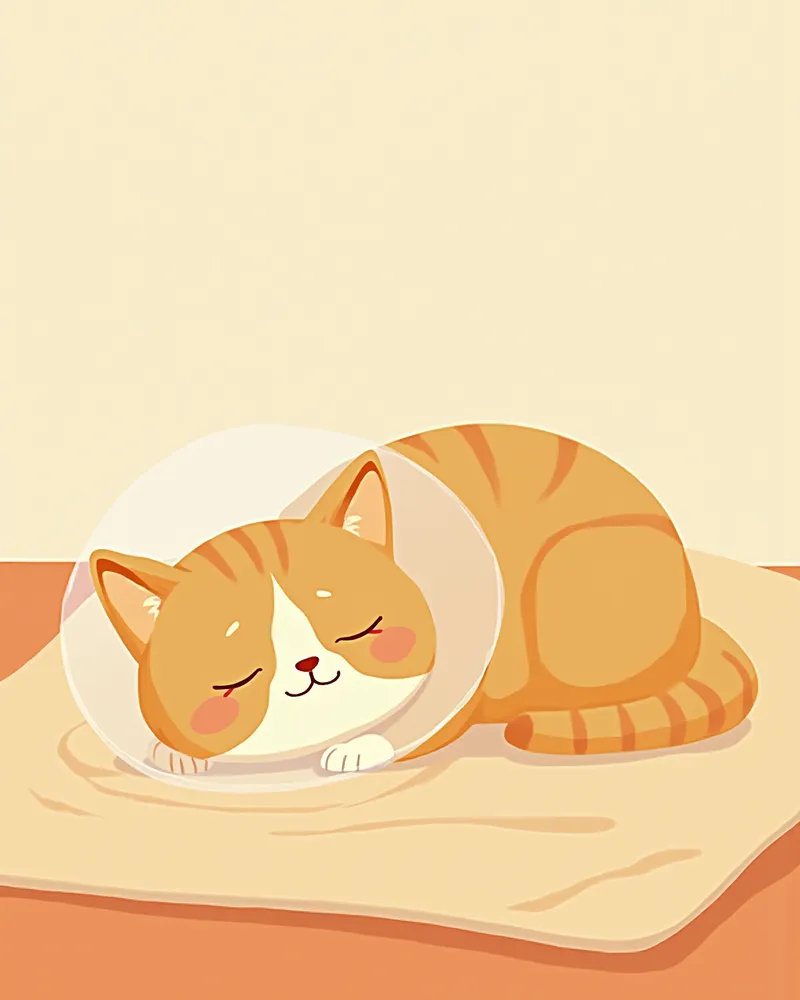
A cat wearing a neck collar resting comfortably.

Home Care Points

Keep the Elizabethan collar on: To prevent your cat from scratching its eyes, ensure the collar stays securely in place. Even if your pet seems uncomfortable, it’s important not to remove it during treatment.
Stick to the eye drop schedule: Follow the prescribed frequency and timing for administering eye drops exactly as directed by your veterinarian. If you’re having trouble applying them, don’t hesitate to ask the clinic to demonstrate the proper technique.
Manage eye discharge: If secretions around the eyes harden, gently wipe them away with gauze moistened with warm saline solution.
Reduce stress: If the condition is caused by a herpesvirus, maintaining a quiet and stable environment can help prevent recurrence.
Attend follow-up visits: A fluorescein recheck is essential to confirm that the ulcer is healing properly.

Cats Prone to Recurrence: Points to Note

Cats that have been infected with feline herpesvirus are prone to recurrent corneal ulcers because the virus remains latent in the body and can reactivate during periods of stress or when the immune system is compromised. Brachycephalic breeds such as Persians and Himalayans are more susceptible to corneal diseases due to their eye structure, which leaves the cornea relatively more exposed. For these cats, regularly monitor their eye condition and minimize environmental changes and stress.

Reviewed by a veterinarian

Dr. Tony — Punnawat Phongkittirak

Dr. Tony — Punnawat Phongkittirak

Veterinarian

A veterinarian who majored in veterinary medicine at Khon Kaen University, Thailand, and completed the IVSA program at North Carolina State University in the United States. Drawing on clinical experience at animal hospitals, he works in the pet healthcare field and is dedicated to building a digital care environment that connects pet parents with veterinarians.

Frequently Asked Questions

Can corneal ulcers be transmitted to other cats?
Corneal ulcers themselves are not contagious. However, if the underlying cause is a herpesvirus, the virus can spread to other cats. It’s safest to isolate the affected cat from others until it has fully recovered.
How much does it typically cost to treat a corneal ulcer?
Superficial ulcers are relatively affordable to treat, typically involving just prescription eye drops and a follow-up visit. However, costs can vary significantly for deeper ulcers or cases requiring surgery, so please consult your veterinarian for an accurate estimate.
Can corneal ulcers lead to blindness?
Superficial ulcers usually heal completely with proper treatment. However, if deep ulcers or corneal melting are left untreated, they can lead to corneal perforation and permanent vision loss. Prompt treatment is essential.
Putting eye drops in my cat is so difficult. Is there a better way?
Gently wrap your cat in a towel to keep them still, then use one hand to lift the upper eyelid slightly while applying the eye drops. If you find it challenging at first, the best approach is to ask your veterinarian to demonstrate the technique in person.
Can recurrent corneal ulcers be prevented?
While complete prevention is difficult, keeping the indoor environment clean and minimizing stress can help reduce the reactivation of the herpes virus. In multi-cat households, reducing conflicts between cats can also help prevent injuries.

Share

Related Guides

References

[1] Englar RE. The Veterinary Workbook of Small Animal Clinical Cases. 5M Publishing. Chapter: The New Kitten Wellness Examination — FHV-1 and Dendritic Corneal Ulcers.

[2] Carter J. Corneal ulcers. In: 100 Top Consultations in Small Animal General Practice. Wiley-Blackwell, Chapter 61.

[3] Clinical Atlas of Canine and Feline Ophthalmic Disease, 2nd Edition. Chapter 90: Stromal Ulcerative Keratitis.

This information is based on veterinary literature and does not replace diagnosis or treatment. Please consult a veterinarian for specific health concerns.

Metapet Co., Ltd. | CEO: Park Sung-yong | Business Reg. No. 417-88-02562 | Seoul, South Korea | Customer Center

Feline Corneal Ulcers: Causes, Symptoms & Treatment | Meongsiljang