
Like
Share
멍실장
고양이 벼룩 감염·구제 자주 묻는 질문 Q&A — 보호자가 꼭 알아야 할 핵심

Flea Infestation in Cats: Frequently Asked Questions — Key Information for Pet Owners

Infection/ParasitesQ&AMeongsiljang Veterinary Advisory Board

Flea infestations in cats can cause skin itching and health issues. Here’s a summary of the key information that pet owners should know.

Flea Infestation in Cats Varies Depending on the Pet Owner and Environment

A cat scratching its back with its hind leg, with fleas visible on its fur
Flea infestation in cats occurs when fleas parasitize the skin and repeatedly feed on blood, potentially causing itching, self-inflicted hair loss, and dermatitis. The back line, lower back, and base of the tail are most commonly affected, and in cats, this may present as miliary dermatitis, characterized by millet-sized papules along the back. Immature flea stages, such as eggs, larvae, and pupae, can persist in the environment for extended periods, making early intervention and comprehensive management essential once an infestation is detected. Therefore, the owner’s management approach and the cleanliness of the living environment are key to prevention, and consistent care for at least six months is necessary to prevent reinfection. Early intervention improves management success rates, and extra caution is warranted in kittens, as severe infestations can lead to anemia.

The Main Causes of Flea Infestation Are Outdoor Exposure and Environmental Contamination
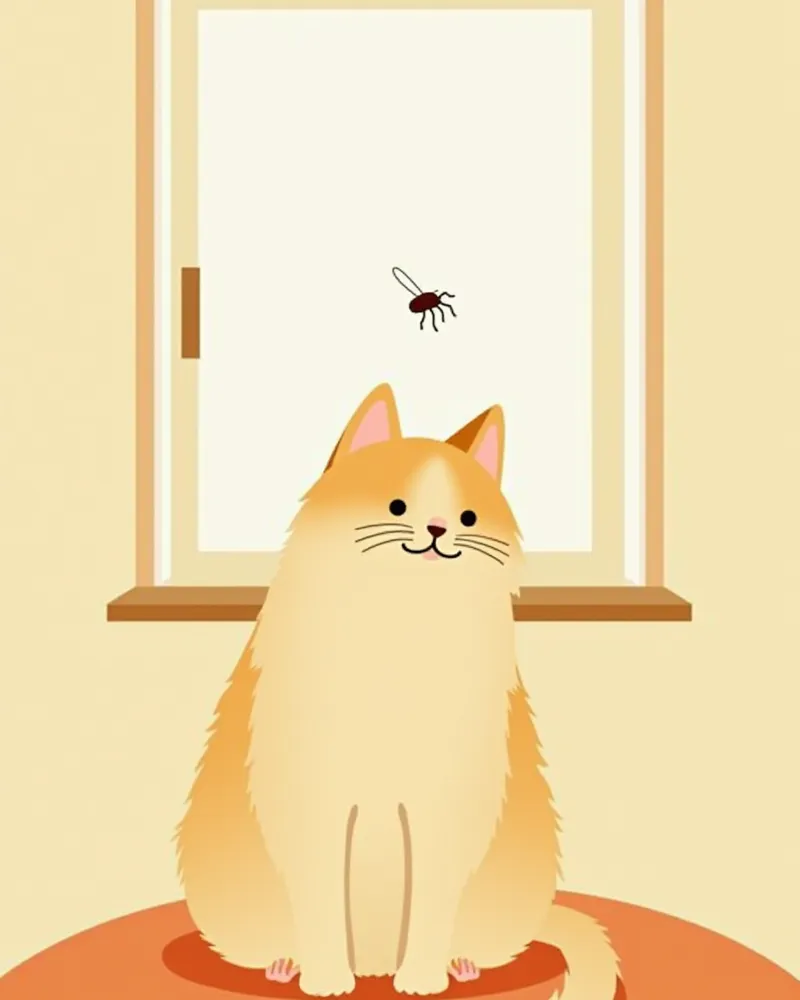
Flea infestations in cats typically begin through contact with other animals carrying fleas or when immature flea stages are introduced into the indoor environment. Fleas reproduce when eggs laid by adult fleas hatch in the environment and develop into new individuals, meaning other pets living in the same household can serve as sources of infection. Immature stages such as eggs, larvae, and pupae can persist in the environment for extended periods, hatching and developing when conditions are favorable, which can lead to reinfection. If these immature stages are not thoroughly eliminated, treatment is likely to fail, making it essential to adopt a preventive approach that includes managing the environment. Fleas can cause more than just itching; they may trigger flea allergy dermatitis and, in severe cases, anemia in kittens. Therefore, it is crucial to accurately identify the source of infection and take appropriate preventive measures.
A cat sitting near the window, the moment fleas jump up from the carpet

The Main Signs of Flea Infestation in Cats Are Itching and Skin Reactions

The main signs of a flea infestation in cats are persistent scratching and licking, along with hair loss. The area along the spine, particularly the lower back and the base of the tail, is most commonly affected. In severe cases, the skin may develop small, grain-like rashes, scabs, and lesions such as maceration or ulcers, which can lead to allergic dermatitis. Severe infestations in kittens can even cause anemia. Cats with flea allergies may excessively lick or bite itchy areas, causing self-inflicted damage to accessible spots like the tail tip or paws. However, symptoms such as emotional anxiety or decreased appetite are difficult to confirm based on the provided evidence, so it’s best to focus on itching, hair loss, and skin reactions as the key indicators. If you notice these signs, consult your veterinarian immediately and begin appropriate care and treatment before the condition worsens.
A cat with scabs and hair loss on its back, and fleas visible on the skin

When to Seek Immediate Veterinary Care

If your cat is constantly scratching or licking, causing the skin to peel, and shows signs of severe weakness or anemia, consult a veterinarian immediately. Severe flea infestations can lead to anemia, allergic reactions, and the spread of infectious diseases.

Diagnosis of Flea Infestation Involves Visual Inspection and Testing

Veterinarians examine your cat’s fur closely to directly check for fleas or flea eggs. If needed, they may perform skin scrapings or blood tests to assess for anemia and determine the severity of the infestation. Comprehensive evaluation is especially important if your cat has underlying health conditions, as these can worsen flea infestations. Because flea infestations can impact overall health beyond just skin issues, an accurate diagnosis is the essential first step toward effective treatment. Following diagnosis, a personalized treatment plan is developed. Early diagnosis significantly improves treatment outcomes and helps prevent complications.
A veterinarian examining a cat's fur under a magnifying glass, with fleas visible on a white sheet of paper.

Treatment for Flea Infestation Is Conducted in Stages
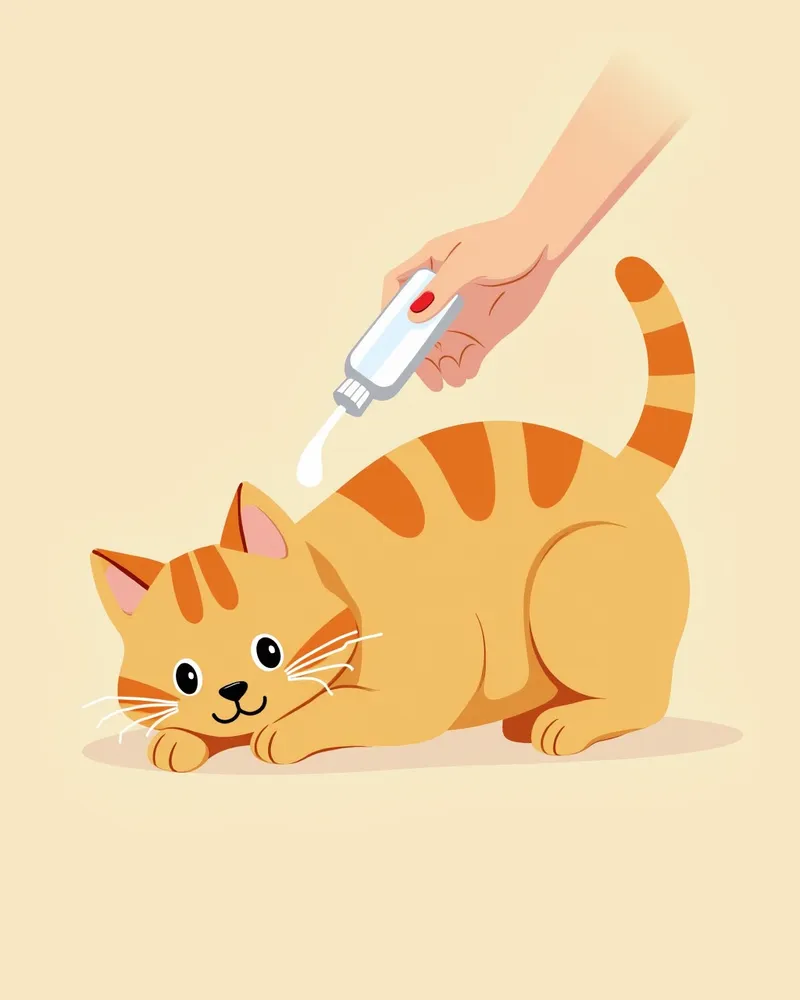
Treatment involves flea removal, environmental cleaning, and preventing reinfection. Use a veterinarian-prescribed flea control product, and repeatedly wash indoor fabrics at high temperatures and vacuum thoroughly. Because of the flea life cycle, consistent management for 3–4 weeks is essential; short-term treatment is ineffective, so it’s important to cover the entire life cycle. During treatment, closely monitor your cat for any changes in condition and consult your veterinarian regularly. For safety, continue monitoring for 1–2 weeks after treatment is complete.
A veterinarian applying a topical flea treatment to a cat’s back.

Managing Flea Infestation at Home Requires Simultaneous Care of the Environment and the Animal
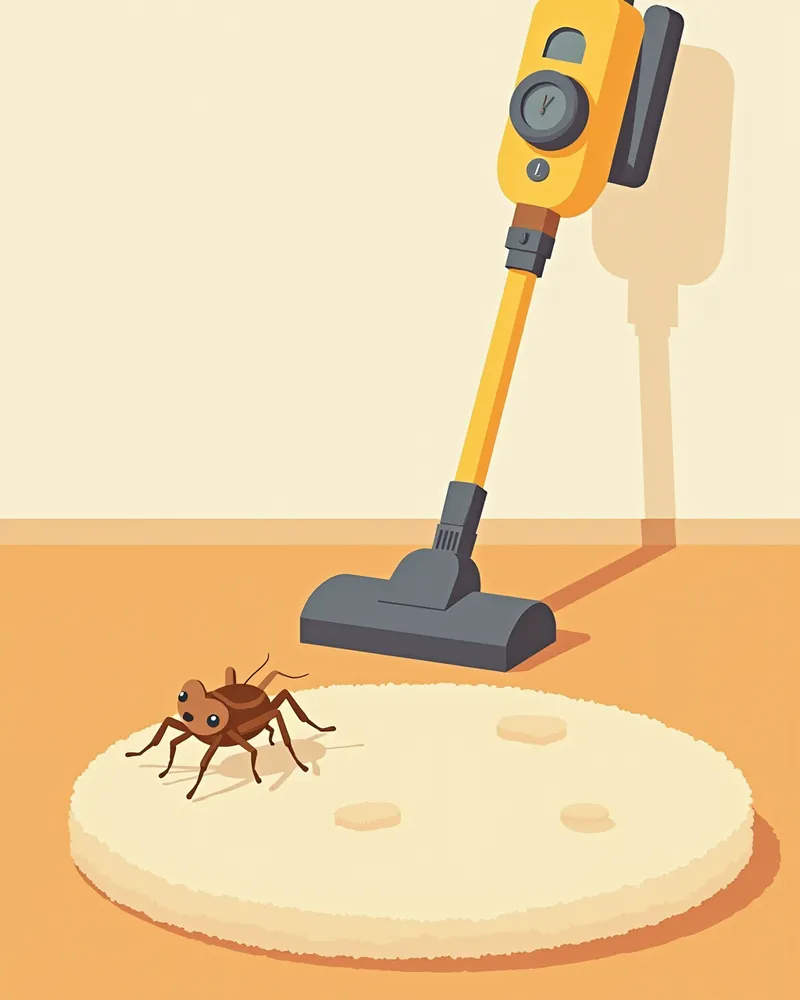
Managing flea infestations in cats requires a two-pronged approach that addresses both the animal and its environment. Use only flea treatments recommended by your veterinarian for your cat, and regularly wash bedding, sofas, and floors with hot, soapy water or vacuum them frequently. Immature flea stages—such as eggs, larvae, and pupae—can persist in the environment for extended periods, making consistent cleaning essential to eliminate them as much as possible. Pay special attention to areas where your cat frequently rests, cleaning these spots regularly. After washing, thoroughly rinse and dry all items to prevent any detergent residue. To prevent reinfestation, maintain this management routine for at least six months, ideally continuing indefinitely, and ensure all other pets in the household receive treatment as well. Your consistent care and attention are the most important factors in success.
A vacuum cleaner being used on a carpet, with fleas visible inside the dust bag

Caution Regarding Reinfection: Fleas Can Persist in the Environment for Extended Periods

Immature flea stages, such as eggs, larvae, and pupae, can persist in the environment for extended periods before hatching and developing. Therefore, to prevent reinfection, it is essential to continue environmental cleaning and preventive care for at least six months after treatment, and ideally on an ongoing basis. Caution is necessary because cats can become reinfected if they go outdoors or come into contact with other infested animals, and all animals living in the same household must be managed together.

Reviewed by a veterinarian

Dr. Tony — Punnawat Phongkittirak

Dr. Tony — Punnawat Phongkittirak

Veterinarian

A veterinarian who majored in veterinary medicine at Khon Kaen University, Thailand, and completed the IVSA program at North Carolina State University in the United States. Drawing on clinical experience at animal hospitals, he works in the pet healthcare field and is dedicated to building a digital care environment that connects pet parents with veterinarians.

Frequently Asked Questions

Can flea infestations in cats be transmitted to humans?
External parasites, including fleas, can also be transmitted to humans (zoonotic potential). In people, this typically manifests as a temporary, itchy, papular rash. However, caution is advised because fleas that enter the home can reproduce. If you live with someone experiencing itchy skin, it is best to have them checked as well.
Can I use cat flea treatment at home?
Over-the-counter flea and tick products used at home have limited effectiveness compared to those prescribed by a veterinarian. Improper use of these products can cause toxic reactions in cats, so it's essential to follow professional guidance.
I thought the flea infestation was over, but it’s back. Why is that happening?
Immature flea stages, such as eggs, larvae, and pupae, can persist in the environment for extended periods before hatching and causing reinfection. If environmental cleaning is inadequate, these immature stages remain and easily lead to recurrence, making consistent management for at least six months essential.
How can I prevent flea infestations in my cat?
Regular use of flea control products, thorough indoor cleaning, limiting your cat’s outdoor access, and minimizing contact with other animals are all important. Even indoor cats need preventive care, so please consult your veterinarian to develop a tailored prevention plan.
Can I keep a cat with fleas together with other pets?
If you have multiple pets, the risk of flea transmission is high. Separate the infected cat from other animals and treat all pets in the household at the same time. Otherwise, reinfection can occur repeatedly.

Share

Related Guides

References

[1] BSAVA Manual of Canine and Feline Dermatology, 4th Ed. (2003). Thiemann T, Fielden LJ, Kelrick MI. Water uptake in the cat flea Ctenocephalides felis.

[2] Shaw SE, Kenny MJ, Tasker S et al. (2004). Pathogen carriage by the cat flea Ctenocephalides felis in the United Kingdom. Veterinary Microbiology, 102, 183-186.

[3] Franc M, Bouhsira E, Beugnet F. (2013). Direct transmission of the cat flea (Ctenocephalides felis) between cats exhibiting social behaviour. Parasite, 20, 49.

This information is based on veterinary literature and does not replace diagnosis or treatment. Please consult a veterinarian for specific health concerns.

Metapet Co., Ltd. | CEO: Park Sung-yong | Business Reg. No. 417-88-02562 | Seoul, South Korea | Customer Center

Cat Flea Infestation & Relief: 5 FAQs | Meongsiljang