Like
Share
멍실장
고양이 문맥 고혈압 자주 묻는 질문 Q&A — 보호자가 꼭 알아야 할 핵심

My Cat’s Belly Keeps Swelling — Portal Hypertension, Causes of Ascites, and When to Visit the Vet

Liver HealthQ&AMeongsiljang Veterinary Advisory Board

Feline portal hypertension is a dangerous complication that often occurs alongside chronic kidney disease. Early detection and management are crucial.

What Is Feline Portal Hypertension?
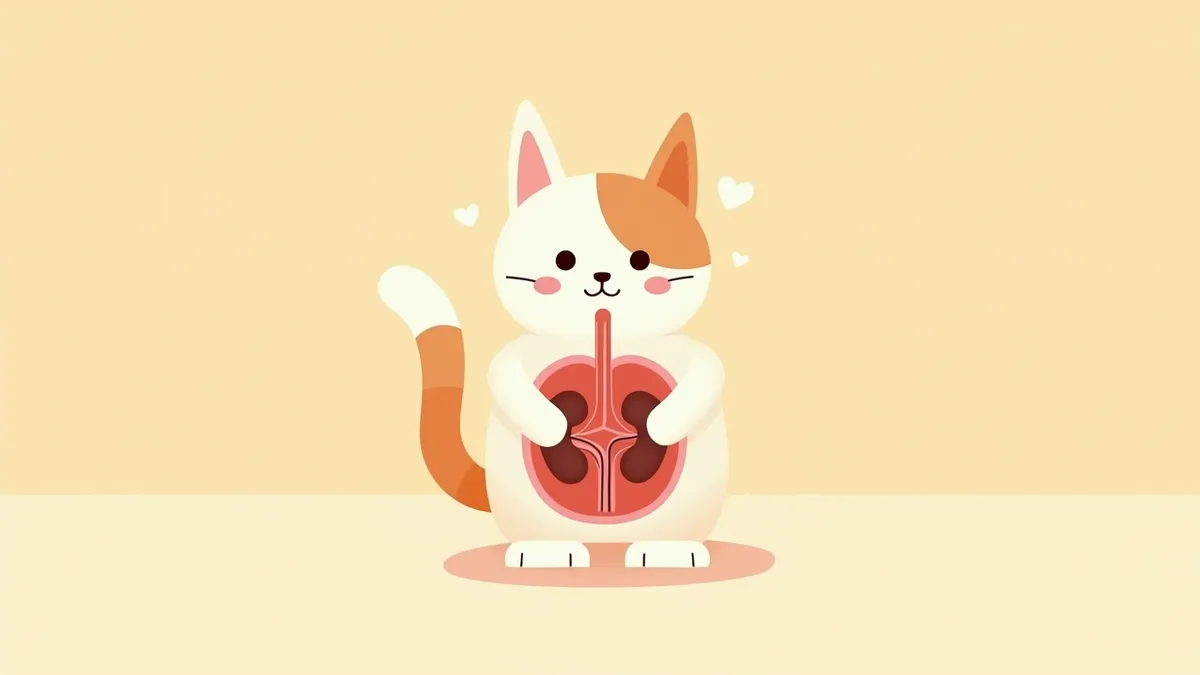
An illustration highlighting the areas affected by hypertension in a cat's blood vessels and organs.
Feline portal hypertension occurs when pressure within the portal venous system—which carries blood from abdominal organs to the liver—becomes elevated. This pressure is determined by the volume of blood flowing through the portal vein and the resistance within the vessels; an increase in blood flow or vascular resistance leads to a rise in pressure. This condition is distinct from systemic (arterial) hypertension, which is measured with a standard blood pressure cuff. Portal hypertension is classified as prehepatic, intrahepatic, or posthepatic, depending on the anatomical location of the obstruction. Elevated pressure can lead to complications such as ascites (fluid accumulation in the abdominal cavity), acquired portosystemic shunts (vascular bypasses), and hepatic encephalopathy. - Mechanism of increased pressure: Pressure rises due to increased portal blood flow or increased vascular resistance. - Risk of complications: Ascites, acquired portosystemic shunts, and hepatic encephalopathy may develop. - Need for early management: Veterinary care is essential to identify the underlying cause and manage complications.

Why Does Feline Portal Hypertension Occur?

Feline portal hypertension differs from systemic hypertension, which is often linked to chronic kidney disease, as it arises from changes in resistance or flow within the portal circulation. The causes are categorized into prehepatic, intrahepatic, and posthepatic types, depending on the anatomical location of the issue. Prehepatic causes can result from problems before blood reaches the liver, such as portal vein thrombosis. Intrahepatic causes are commonly seen when liver diseases increase resistance within the portal system. Posthepatic causes are associated with obstruction of the posterior vena cava. - Prehepatic causes: These arise from issues before blood enters the liver, such as portal vein thrombosis. - Intrahepatic causes: Liver diseases can increase vascular resistance in the portal system, leading to elevated pressure. - Posthepatic causes: Obstruction of the posterior vena cava can increase pressure in the portal circulation. - Complications: Persistent pressure can lead to the development of acquired portosystemic shunts and may result in hepatic encephalopathy. The exact cause should be confirmed through veterinary examination.
A scenario in which a cat that consumes high-salt foods experiences elevated blood pressure and kidney damage.

What Are the Main Symptoms of Portal Hypertension?

Portal hypertension may not show obvious symptoms in its early stages. However, as it progresses, signs related to increased portal pressure and its complications can appear.
Abdominal distension: You may notice your pet’s belly swelling due to fluid (ascites) accumulating in the abdominal cavity.
Signs of hepatic encephalopathy: If an acquired portosystemic shunt develops, excessive drooling or behavioral changes may occur.
Decreased appetite and lethargy: As systemic symptoms related to liver function, your pet may seem weak or lose interest in food.
Possibility of pleural effusion: In rare cases, fluid may also accumulate in the chest cavity.
If you notice any of these symptoms, a visit to the vet is necessary for an accurate diagnosis.
A cat that has lost its sense of direction due to vision impairment

Signs Requiring Immediate Veterinary Visit

If your cat’s abdomen suddenly swells severely, breathing becomes rapid, excessive drooling occurs, or consciousness becomes cloudened—signs that may indicate hepatic encephalopathy—seek veterinary care immediately. These symptoms could signal an emergency such as ascites, pleural effusion, or advanced liver dysfunction. Delaying management of complications can lead to rapid deterioration.

How Is Portal Hypertension Diagnosed?
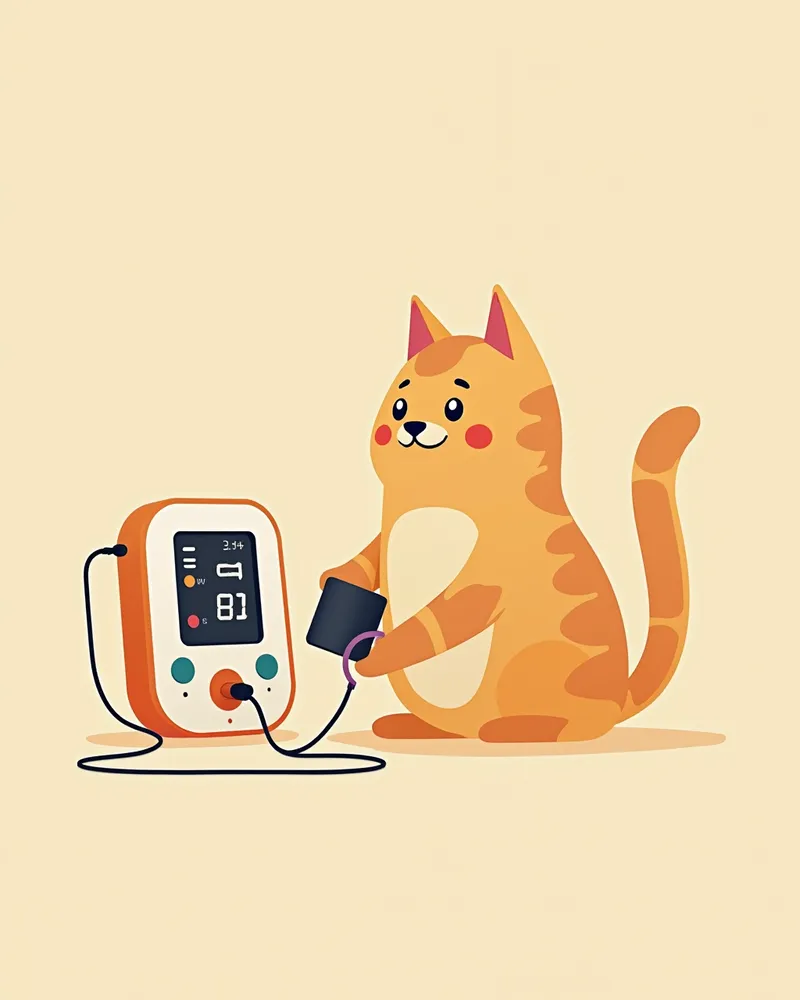
Feline portal hypertension is diagnosed by combining physical examination findings with imaging studies, unlike systemic hypertension, which is measured with a blood pressure cuff. The gold standard for diagnosis involves directly or indirectly measuring portal venous pressure. Ultrasound can identify liver lesions, ascites, and vascular abnormalities such as portosystemic shunts, and a liver biopsy may be performed if needed to confirm the diagnosis. - Imaging studies: Ultrasound is used to evaluate the liver, portal vein, and any fluid accumulation within the abdominal cavity. - Portal pressure measurement: Direct or indirect measurement of portal venous pressure remains the most accurate diagnostic criterion. - Assessment of underlying disease: We determine whether the issue is prehepatic, intrahepatic, or posthepatic. - Confirmation: If necessary, additional tests such as a liver biopsy are conducted to identify the cause. Accurate diagnosis relies on the veterinarian’s interpretation of these test results.
A veterinarian measures a cat's blood pressure by attaching a cuff to its leg.

What Are the Treatment Options?

Treatment options for portal hypertension are limited, so therapy primarily focuses on managing complications arising from elevated portal pressure. For instance, if hepatic encephalopathy is present, treatments such as lactulose enemas are used to reduce toxic substances produced by intestinal bacteria. This is combined with management of the underlying liver disease and symptomatic treatment for fluid retention, such as ascites. The treatment plan is determined by the veterinarian based on the cat’s underlying condition and overall health. - Complication-focused management: Due to limited medication options, managing complications is key. - Hepatic encephalopathy care: Reduce the production of toxic substances using methods like lactulose enemas. - Treatment of underlying disease: Manage the primary liver disease causing elevated portal pressure. - Regular monitoring: Consistently check for complications and liver function. Portal hypertension requires long-term management rather than just temporary interventions.
A veterinarian administering medication to a cat, with specialized pet food nearby.

Stage-by-Stage Symptoms and Management of Portal Hypertension

ItemMain SymptomsManagement
MildNo obvious symptoms or mild changes in appetite/energyFollow-up monitoring with imaging, evaluation of underlying liver disease
ModerateAbdominal distension (ascites), decreased appetite, lethargySymptomatic treatment of complications such as ascites, management of the underlying disease, regular checkups
SevereSevere ascites/respiratory distress, hepatic encephalopathy (excessive drooling/decreased consciousness)Emergency treatment and hospitalization, hepatic encephalopathy management (lactulose enema, etc.), intensive monitoring

The stages are clinical judgment criteria; portal pressure and complications are accurately assessed by a veterinarian.

Caution: Points to Note When Administering Medication

Treatment options for portal hypertension are limited, so management focuses primarily on addressing complications. Administer prescribed medications exactly as directed by your veterinarian, and never stop or adjust the dosage on your own. Contact your veterinarian immediately if you notice any unusual changes in your cat’s behavior or condition.

Reviewed by a veterinarian

Dr. Tony — Punnawat Phongkittirak

Dr. Tony — Punnawat Phongkittirak

Veterinarian

A veterinarian who majored in veterinary medicine at Khon Kaen University, Thailand, and completed the IVSA program at North Carolina State University in the United States. Drawing on clinical experience at animal hospitals, he works in the pet healthcare field and is dedicated to building a digital care environment that connects pet parents with veterinarians.

Frequently Asked Questions

Can feline portal hypertension be cured?
The key is to manage the underlying liver disease and its complications, rather than just the portal hypertension itself. Since medication options are limited, long-term management focuses on controlling complications such as ascites and hepatic encephalopathy.
Should blood pressure be measured during routine check-ups?
Pulmonary hypertension is assessed through physical examinations and imaging tests like ultrasounds, rather than blood pressure measurements. If there is an underlying liver disease, it is advisable to undergo regular follow-up examinations as recommended by your veterinarian.
What kind of dietary management would be best?
Dietary management for portal hypertension differs from the low-sodium diet used for systemic hypertension. The appropriate diet depends on whether there is underlying liver disease or concurrent hepatic encephalopathy, so it is safest to follow the diet recommended by your veterinarian.
My cat hates taking medicine. What should I do?
Try mixing the medication with your pet’s food or using a special treat designed for giving medicine. Your veterinarian can also change the form of the medication if needed. It’s important to follow the prescribed dosage and not skip doses on your own.
If my pet develops portal hypertension, will they need to take medication for the rest of their life?
The management period for pulmonary hypertension varies depending on the underlying disease and the presence of complications. Do not stop medication on your own; any reduction or change in dosage must be done strictly under a veterinarian's guidance.

Share

Related Guides

References

[1] Taylor SS, Sparkes AH, Briscoe K, et al. ISFM consensus guidelines on the diagnosis and management of hypertension in cats. J Feline Med Surg. 2017;19(3):28.

[2] Brown SA, Henik RA. Diagnosis and treatment of systemic hypertension. Vet Clin North Am Small Anim Pract. 1998;28(6):1481–1494.

[3] The Cat, Clinical Medicine and Management, 2nd Edition. Beate Egner, et al. Blackwell Publishing, 2015.

This information is based on veterinary literature and does not replace diagnosis or treatment. Please consult a veterinarian for specific health concerns.

Metapet Co., Ltd. | CEO: Park Sung-yong | Business Reg. No. 417-88-02562 | Seoul, South Korea | Customer Center

Cat's Belly Keeps Swelling? Portal Hypertension & Ascites | Meongsiljang