
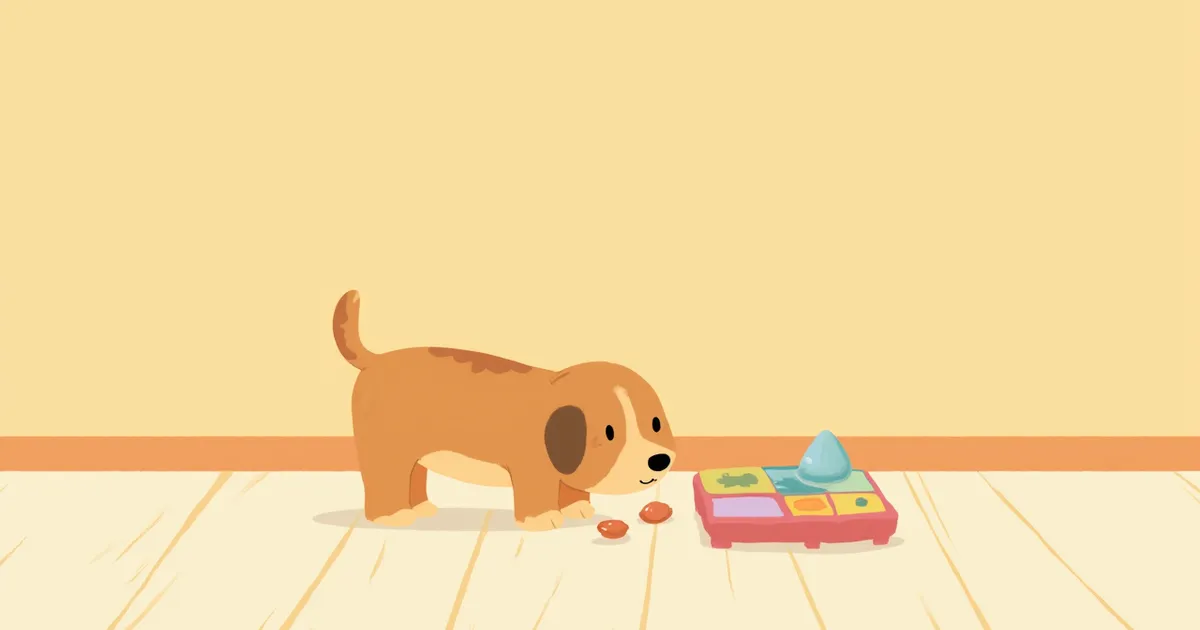
How to Choose the Right Dog Puzzle Toy for Your Pup
Dog puzzle toys help stimulate your pup’s brain and ease separation anxiety. Choose the right difficulty level and material based on your dog’s age, personality, and chewing habits.
What Are Dog Puzzle Toys?
Why Are Puzzle Toys Necessary?
5 Key Factors to Consider When Choosing a Puzzle Toy
Comparison of Puzzle Toys by Difficulty Level
| Item | Level 1 (Beginner) | Levels 2–3 (Intermediate) | Level 4 (Advanced) |
|---|---|---|---|
| Representative Type | Snuffle mat, KONG Classic | Slider, flip puzzle | Multi-stage combination puzzle |
| Recommended For | Dogs new to puzzle toys, senior dogs, puppies | Adult dogs with average activity levels | Smart working dogs, dogs that love a challenge |
| Time Required | 5–10 minutes | 10–20 minutes | 20–40 minutes |
| Owner Involvement | Almost none | Demonstrate only the first 1–2 times | Hints needed partway through |
What to Avoid
Cheap products with small parts that can break off pose a high risk of choking accidents. Ingestion of foreign objects can lead to serious emergencies requiring surgical intervention in dogs, making prevention crucial. When introducing a puzzle toy for the first time, always supervise your pet closely, and immediately discard the toy if any parts break or if deep tooth marks appear. Leaving a plastic puzzle toy with a strong chewer while you're out is dangerous.
How to Use a Puzzle Toy for the First Time
Selection Tips by Age and Breed
How Long Should You Use Them Daily?
It’s important to adjust the duration and frequency of puzzle toy use based on each dog’s response and attention span. Using them for too long can lead to stress, while using them for too short a time may not yield the desired benefits. Incorporating puzzle toys into mealtime by placing some of their kibble inside can naturally provide mental stimulation. Offering a puzzle toy before leaving for the day can also help reduce anxiety during alone time.
Reviewed by a veterinarian

Dr. Tony — Punnawat Phongkittirak
VeterinarianA veterinarian who majored in veterinary medicine at Khon Kaen University, Thailand, and completed the IVSA program at North Carolina State University in the United States. Drawing on clinical experience at animal hospitals, he works in the pet healthcare field and is dedicated to building a digital care environment that connects pet parents with veterinarians.
Reviewed 2026-04-27
Frequently Asked Questions
Can I put kibble in a puzzle toy?
My pet isn’t interested in puzzle toys. What should I do?
Can I use it for multiple pets at the same time?
Is it safe for my pet to chew on plastic puzzle toys?
What’s the difference between puzzle toys and nose work?
Share
Related Guides

7 Behavioral Enrichment Strategies for Mental Stimulation Recommended by Veterinarians

Top 5 Calming Supplements for Dogs and Cats in 2026

L-Theanine Effects and Calming Support
Can Cats Wear Tick Collars? — Ingredient Checklist to Prevent Permethrin Poisoning
Cat Antifreeze Poisoning — Why It Progresses Faster Than in Dogs
My Cat Ate Ibuprofen — Key Emergency Response for Kidney Failure and Stomach Bleeding
Canine Cannabis (THC) Exposure Emergency — Key Differences from CBD
Antifreeze Poisoning in Dogs — Why Even a Single Lick Can Be Fatal
What to Do If Your Dog Ingests Ibuprofen: Emergency Response for GI Bleeding and Kidney Failure
Rice-like Granules Around Your Dog’s Anus — Tapeworm Causes and When to Visit the Vet
References
[1] Horwitz D, Mills D, BSAVA Manual of Canine and Feline Behavioural Medicine, 2nd Edition, 2009
[2] Bekoff M, Canine Confidential: Why Dogs Do What They Do, University of Chicago Press, 2018
[3] Overall K, Manual of Clinical Behavioral Medicine for Dogs and Cats, Elsevier, 2013