Like
Share
멍실장
동물병원 공포 둔감화, 어떻게 시작해야 할까요?

How to Start Desensitization for Veterinary Clinic Fear?

Brain & CognitionQ&AMeongsiljang Veterinary Advisory Board

This is a systematic desensitization training program for pets who tremble and hide at the vet clinic. We’ll guide you through step-by-step adaptation, starting from home and progressing all the way to actual clinic visits.

What Is Desensitization for Veterinary Clinic Fear?
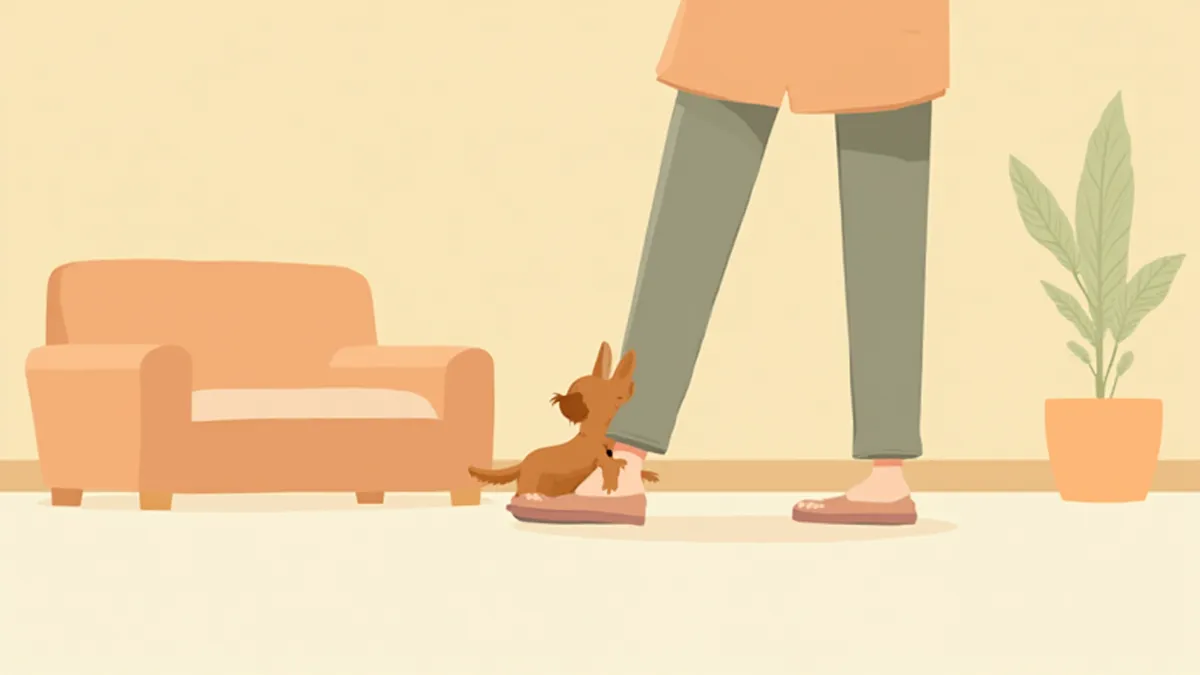
A puppy cautiously peeking around its owner’s leg to observe the clinic’s waiting room.
Desensitization to veterinary clinic anxiety is a behavior modification technique that gradually exposes your pet to low-intensity stimuli associated with the clinic—such as carriers, vehicles, waiting rooms, and examination tables—while pairing these experiences with positive outcomes. The key is not forced exposure, but rather creating positive associations. If your pet shows signs of trembling or attempts to hide, immediately reduce the intensity of the stimulus. Severe clinic anxiety can compromise both the quality of care and safety during treatment, so it’s best to start management early in life or as soon as signs of anxiety appear.

Why Are Pets So Scared Only at the Vet?

Veterinary fear is far more than simple shyness. It stems from a complex sensory environment where unfamiliar surroundings, unpleasant memories linked to medical procedures and injections, and various stimuli from sharing space with other animals all converge. Veterinary behavioral medicine textbooks explain that "fear conditioning" occurs when a stimulus that is not inherently frightening, such as a car, becomes paired with unpleasant experiences like pain or fear, leading the pet to learn to fear it. This can be compounded by "contextual fear conditioning," where the surrounding environment itself triggers fear responses. Additionally, pets may become more sensitive to these experiences during adolescence. However, even adult dogs and cats can achieve desensitization and adaptation through proper training. Pets that have already developed established fears simply require more time and a careful, gradual approach.

4-Stage Desensitization Roadmap

Desensitization gradually expands through four stages: home, car, near the clinic, and inside the clinic. At each stage, your pet must feel comfortable before moving on to the next. The table below outlines the goals, expected duration, and key checkpoints for each stage.

Stage-by-Stage Desensitization Training Roadmap

ItemStage 1: HomeStage 2: CarStage 3: Outside the ClinicStage 4: Inside the Clinic
GoalCarrier = a good placeRiding in the car = funApproaching the clinic = calmAllowing waiting and handling
ActivityTreats and toys in the carrierShort drive + rewardWalk in the clinic parking lotGreeting visit; getting on the exam table
Duration1–2 weeks1–2 weeks1–2 weeks2–4 weeks
Success SignsEnters on their ownDoesn't bark in the carRelaxed tail, voluntary approachAccepts treats, body loosens up

Depending on the pet's anxiety level, the duration can more than double. The key is not to rush.

Mock Examination Training Starting at Home
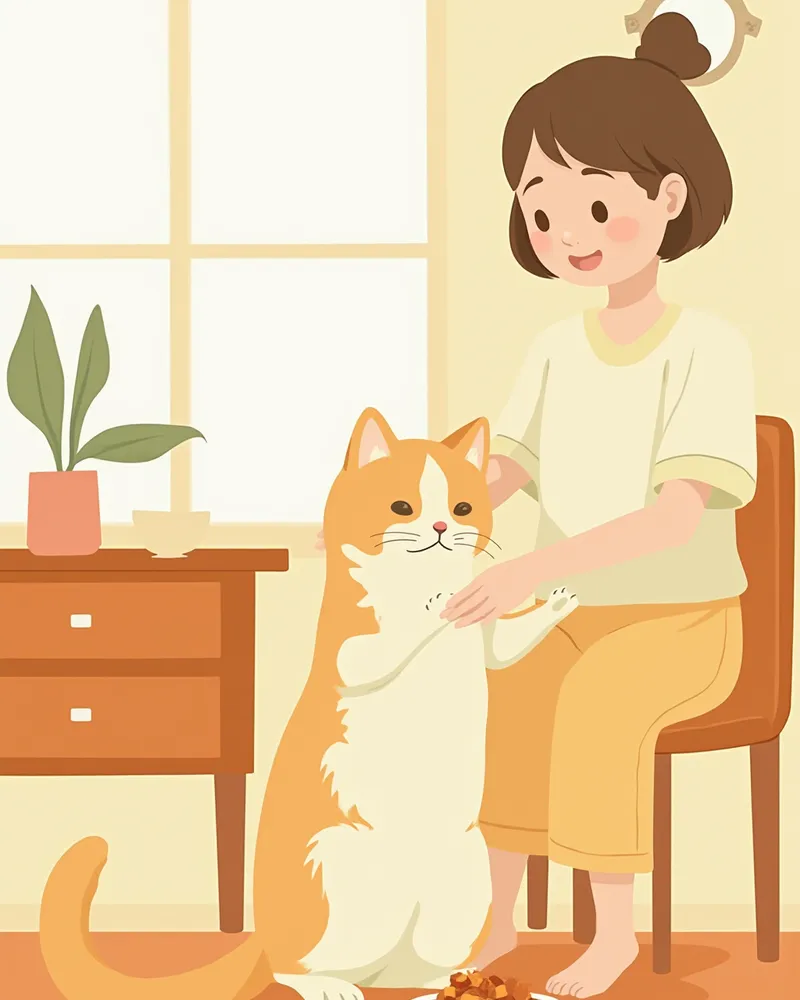
Practice the types of touch your pet will experience at the clinic by rehearsing them at home. - Touching the ears: Gently touch behind the ears → give a treat. - Opening the mouth: Place a finger on the lips → give a treat. - Touching the paws: Touch the paw pads and nails in sequence → give a treat. - Wrapping around the body: Gently wrap your arms around the chest and abdomen, similar to the position for using a stethoscope → give a treat. Initially, even 1–2 seconds is sufficient. If your pet becomes stiff or turns their head away, stop immediately and reduce the intensity. Short, consistent daily sessions are the most effective approach.
A pet owner gently massaging their cat’s paws at home and rewarding them with treats

Lower Training Intensity Immediately If You See These Signs

If you notice lip-licking, yawning, whale eye (showing the whites of the eyes), ears pinned back, a lowered or tucked tail, trembling, or urine leakage, your pet has already exceeded their stress threshold. Continuing at this point will only reinforce their fear. Stop immediately, move to a calm environment, and restart the next session at an easier level than before. The mindset of "just a little more patience" will backfire.

Visiting the Clinic Without an Examination
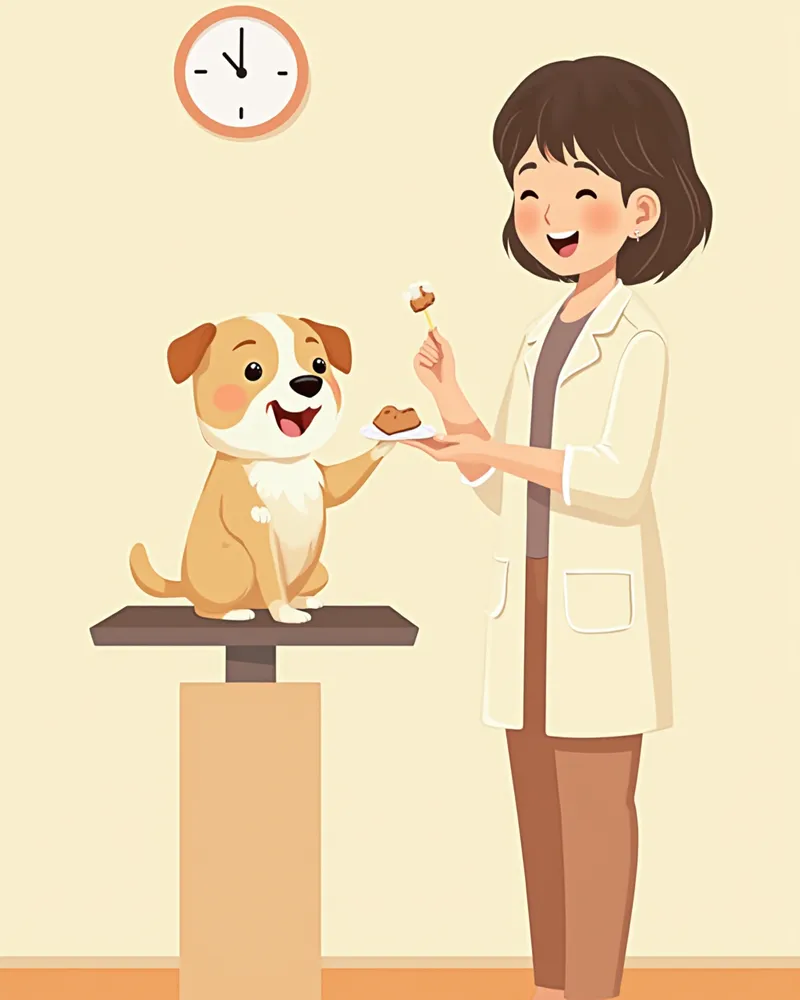
One of the key techniques for desensitization is the “Happy Visit.” This is a brief, unreserved stop at the clinic where your pet simply enjoys a treat and leaves. The routine is simple: greet the reception staff, step on the scale once, receive a treat, and head home. Keep the first visit under five minutes. Veterinary behavioral medicine textbooks explain that it’s most effective to first practice behavior modification training at home, then gradually and safely familiarize your pet with the clinic and veterinary staff in a non-threatening way. Happy Visits put this principle of “gradual adaptation” into practice within the clinic environment. Most clinics welcome calls to schedule an “adaptation training visit.” Consistent repetition alongside behavior modification training is essential, though the required duration varies significantly depending on each pet’s fear level and individual differences. You may also find our Carrier Training Guide helpful.
A dog receiving a treat after stepping on the scale at the veterinary clinic

For Cats, Carrier Training Is Half the Battle

A cat’s fear of the vet often begins the moment it is forced into a carrier. Veterinary guidelines emphasize that pets should never be shoved into carriers; instead, owners should use positive cues like “house” or “kennel” to encourage voluntary entry and build positive associations. To make the carrier a familiar part of the home and a “safe space,” leave it open in a quiet corner of the living room with a blanket, treats, and favorite toys inside. Top-opening carriers are recommended because they make it easier to lift the cat onto the examination table. Studies have shown that carrier acclimation training significantly reduces stress during transport and vet visits, and even shortens appointment times, so consistent practice is key. During car rides, cover the carrier with a blanket to minimize visual stimulation.

Medication May Be Needed in Some Cases

If progress is slow with desensitization alone, or if your pet already experiences severe fear, consult your veterinarian about combining behavioral modification with anti-anxiety medication. Studies have shown that topical gels applied to the oral mucosa before vet visits and oral anxiolytics can be effective. Medication does not replace behavioral training; rather, it supports it. Your veterinarian will determine the appropriate dosage and administration schedule based on your pet’s weight and overall health. Never administer human medications or medications intended for other pets without veterinary guidance.

Reviewed by a veterinarian

Dr. Tony — Punnawat Phongkittirak

Dr. Tony — Punnawat Phongkittirak

Veterinarian

A veterinarian who majored in veterinary medicine at Khon Kaen University, Thailand, and completed the IVSA program at North Carolina State University in the United States. Drawing on clinical experience at animal hospitals, he works in the pet healthcare field and is dedicated to building a digital care environment that connects pet parents with veterinarians.

Frequently Asked Questions

Can adult dogs and cats also undergo desensitization?
Yes, it is possible. However, it will take significantly longer than during the early socialization period, and a more careful, gradual approach is necessary. Approach it with a long-term plan spanning several months, and consider combining medication if urgent veterinary care is needed midway.
What should I do if my pet is so scared that it refuses treats?
Refusing treats indicates that your pet has already exceeded their stress threshold. You need to significantly increase the distance (for example, to a park where the clinic building is barely visible) or greatly reduce the intensity of the stimuli, and then restart from a point where your pet is comfortable enough to eat.
If a dog suddenly needs medical attention during training, does that disrupt the desensitization process?
A single unpleasant experience can cause your pet to become reluctant to return. After the visit, it’s helpful to reinforce positive associations with several more “happy visits” to rebuild their confidence.
Does it affect my pet if I’m nervous too?
Yes, pets can be influenced by their owner’s tone of voice and changes in behavior. It’s actually more helpful to speak in the same calm, steady tone you normally use, rather than repeatedly saying “It’s okay, it’s okay” in an overly reassuring manner.
How long should I train my pet before I see results?
Consistent daily behavior modification training can show signs of improvement within a few weeks. However, the required duration varies significantly depending on the severity of the fear and individual differences, so it’s important to take a long-term approach tailored to your dog’s pace. Short, consistent daily sessions are far more effective than cramming training into weekends.

Share

Related Guides

References

[1] Veterinary Guide to Preventing Behavior Problems in Dogs and Cats, Ch.11 Prevention and the Veterinary Hospital

[2] Herron, M.E. & Shreyer, T., The Pet-Friendly Veterinary Practice: A Guide for Practitioners, Vet Clin Small Anim, 2014

[3] Korpivaara et al., Dexmedetomidine oromucosal gel for noise-associated acute anxiety and fear in dogs, Vet. Rec. 180(14):356, 2017

[4] Introduction to Animal Behavior and Veterinary Behavioral Medicine, Ch.17 Fear Free Handling

This information is based on veterinary literature and does not replace diagnosis or treatment. Please consult a veterinarian for specific health concerns.

Metapet Co., Ltd. | CEO: Park Sung-yong | Business Reg. No. 417-88-02562 | Seoul, South Korea | Customer Center

How to Desensitize Pets to Vet Visits: Tips for Dogs and Cats | Meongsiljang