
A Complete Guide to Canine Glaucoma Symptoms and Treatment
Glaucoma in dogs is an emergency eye condition where increased intraocular pressure damages the optic nerve. Here’s a clear overview of symptoms, emergency criteria, and treatment options.
What Is Glaucoma in Dogs?
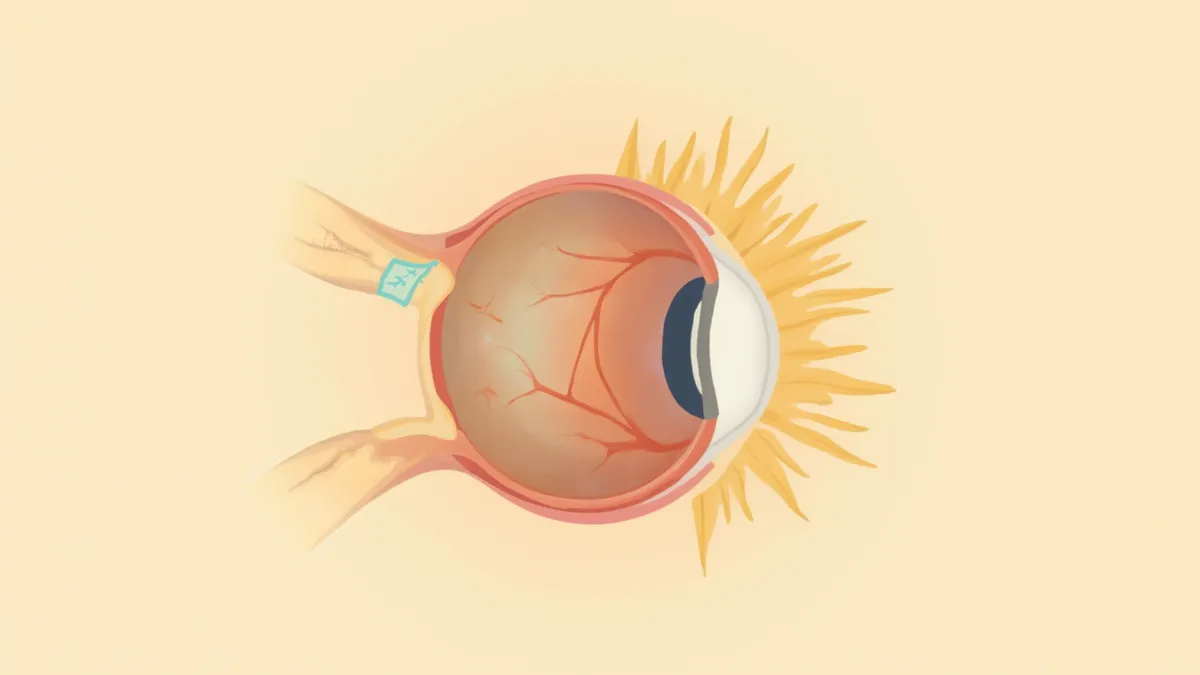
Why Does Intraocular Pressure Rise? Causes of Glaucoma
Comparison of Glaucoma by Breed and Type
Characteristics of Each Glaucoma Type
| Item | Primary glaucoma | Secondary glaucoma |
|---|---|---|
| Cause | Genetic drainage angle abnormality | Uveitis · lens luxation · tumor |
| High-risk breeds | Cocker Spaniel, Basset Hound, Boston Terrier, Shar-Pei | Regardless of breed |
| Onset pattern | Both eyes may develop sequentially | Only the eye with the underlying condition |
| Progression speed | Often acute onset | Varies by cause |
| Prognosis | Preventive treatment of the other eye needed | Treating the underlying condition is key |
This is the general classification per veterinary ophthalmology textbooks.
Suspect Glaucoma If You See These Symptoms

Go to the Vet Immediately If You See These Signs
If any of the following signs are present, it’s an emergency. In glaucoma, vision can be determined within just a few hours. • One eye suddenly becomes red and appears enlarged. • The pupil is dilated and does not respond to light. • The pet rubs its eyes and presses its face against the floor. • The pet appears dazed or refuses to eat. In acute glaucoma, intraocular pressure can spike within hours, causing permanent damage to the optic nerve. Even on weekends or at night, please visit a 24-hour veterinary clinic immediately.
How Glaucoma Is Diagnosed at the Vet
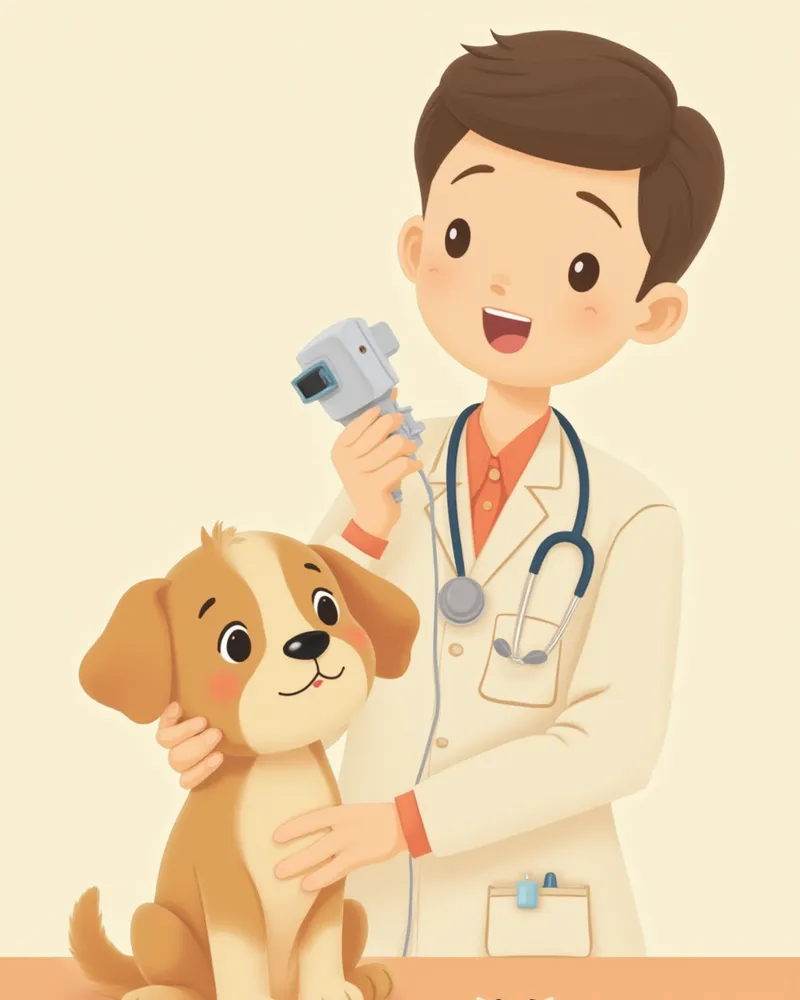
How Is Glaucoma Treated?
Be Sure to Provide Preventive Treatment for the Other Eye
Primary glaucoma often affects the other eye after it develops in one, so we proactively prescribe preventive eye drops for the unaffected eye to help lower intraocular pressure. Please don’t hesitate to use them just because the eye looks healthy—follow your veterinarian’s instructions and apply the prescribed drops without missing a dose. Consistency is key, so try to administer the drops at the same time each day.
Be Sure to Follow These Points When Managing at Home
Reviewed by a veterinarian

Dr. Tony — Punnawat Phongkittirak
VeterinarianA veterinarian who majored in veterinary medicine at Khon Kaen University, Thailand, and completed the IVSA program at North Carolina State University in the United States. Drawing on clinical experience at animal hospitals, he works in the pet healthcare field and is dedicated to building a digital care environment that connects pet parents with veterinarians.
Reviewed 2026-04-21
Frequently Asked Questions
Can glaucoma in dogs be cured?
Can I use human glaucoma eye drops?
How should I care for an eye that has already lost its vision?
Is it possible to prevent glaucoma?
How does a dog’s quality of life change if it becomes blind in both eyes?
Share
Related Guides
Top 5 Dog Tear Supplements Recommended for 2026
What is Lutein? Effects on Dog Eye Health
The Best Canine Uveitis Management Products and Selection Criteria: A Comprehensive Guide

Pet Influencer Industry Guide: From Revenue Models to Health Management

Essential Information on Pet Expos in Korea

AAFCO Certification Detailed Guide — How to Read Labels
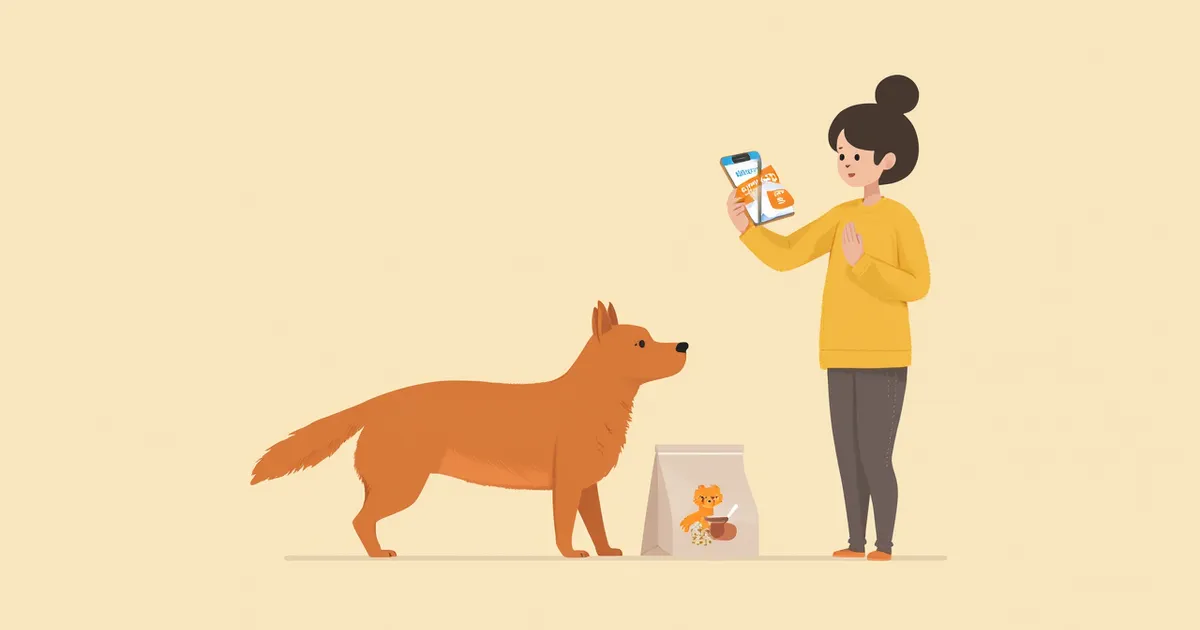
If Your Pet’s Food Is Subject to a Recall — How to Check Recall Information and Take Action

Beach & Pool Safety: How to Keep Your Pet Safe During Water Play?

Is hiking with your pet okay? — Safety rules to check before heading out

Can You Go Camping with Your Pet? A Safety Guide from Preparation to Emergency Response
References
[1] Gelatt KN, Veterinary Ophthalmology, 6th Edition, 2021
[2] Maggs DJ et al., Slatter's Fundamentals of Veterinary Ophthalmology, 6th Ed, 2018
[3] Notes on Canine Internal Medicine, 4th Edition, Chapter on Ocular Disorders