Like
Share
멍실장
자동급식기·급수기 사용 가이드: 선택부터 관리까지

Automatic Feeder and Waterer User Guide: From Selection to Maintenance

ImmunityQ&AMeongsiljang Veterinary Advisory Board

Automatic feeders and waterers help maintain consistent food and water intake for your pet when you’re away. We’ve outlined the key features of different models along with tips for keeping them clean and hygienic.

What Are Automatic Feeders and Waterers?
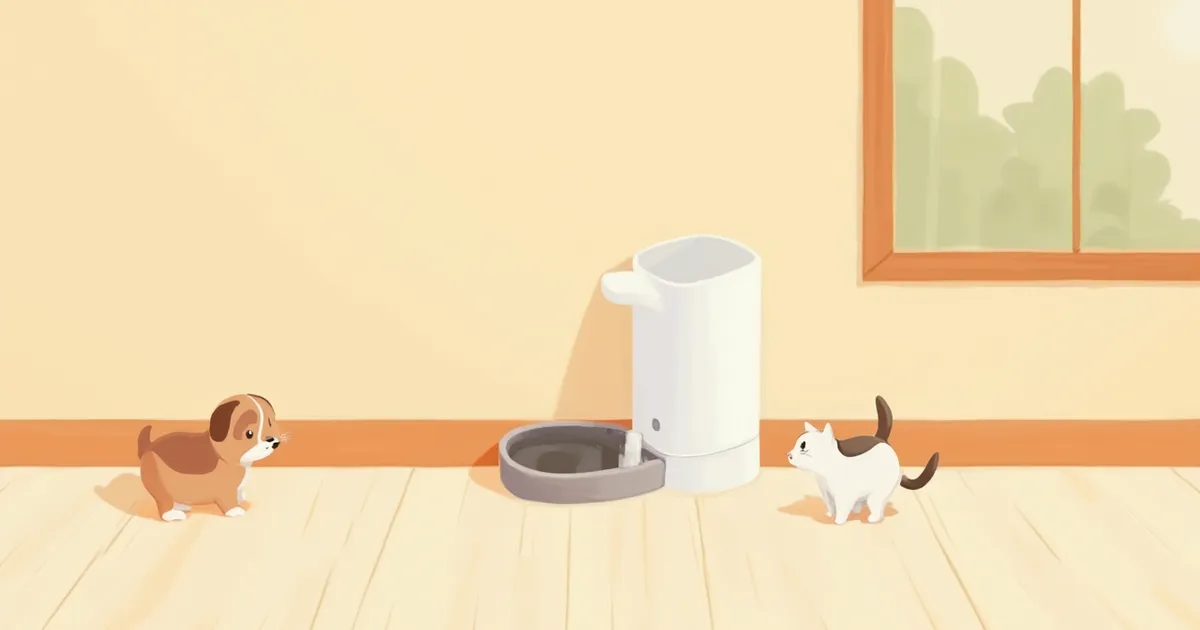
A dog watching the automatic feeder dispense its food.
Automatic feeders dispense a set amount of food at scheduled times, while automatic waterers circulate and filter water to keep it fresh. What truly matters isn’t just convenience—it’s maintaining a consistent feeding routine and ensuring a clean water supply. Think of these devices as tools to prevent dietary mismanagement and dehydration, especially if you’re often away from home or struggle to portion meals accurately.

Why Do You Need an Automatic Feeder and Waterer?

Consistent meal intervals and adequate hydration are the foundation for maintaining your pet’s overall health and normal physiological functions. According to veterinary nutrition textbooks, all nutrients must continuously meet minimum requirements to sustain proper health and bodily functions. When dietary management is neglected, it can lead to health issues such as overeating, dehydration, or nutritional imbalances. This is especially true for pets requiring weight control or disease management, making it crucial to consistently provide the right amount of food at set times. However, rather than restricting water intake, it is recommended to always provide fresh water that pets can drink freely whenever they want. Since it’s realistically difficult for owners to monitor this throughout the day, automatic feeders and waterers play an important role in maintaining consistent dietary care.

Comparison of Automatic Feeder Types

ItemGravity typeTimer typeCamera/app-connected type
Operating methodAutomatically refills when food runs outDispenses a set amount at set timesRemote control and alerts via smartphone
Recommended forAdult cats/dogs capable of free feedingCases needing weight management or overeating preventionLong absences, multi-cat/multi-dog households
CautionsRisk of overeating and obesityMust check battery/power interruptionsWon't work if Wi-Fi drops
Hygiene managementEasyModerateSome difficulty disassembling for cleaning

Device specs are based on the manufacturer's manual, and hygiene management difficulty is based on typical household conditions.

How to Choose the Right Device for Your Pet
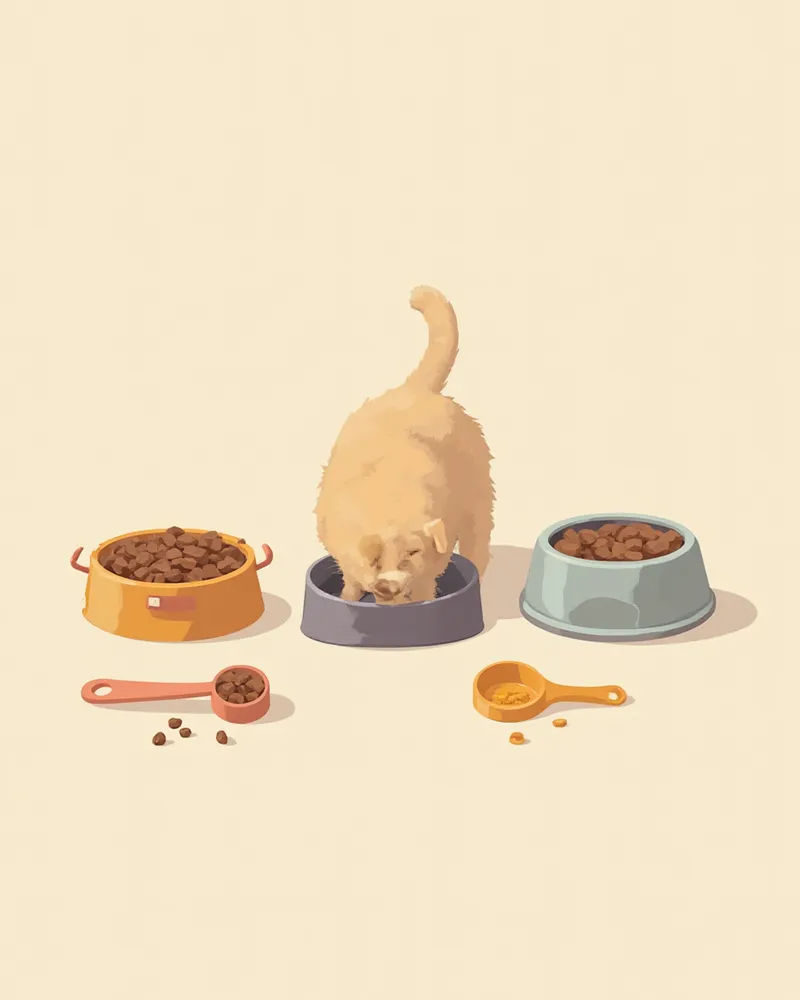
When choosing a device, first consider your pet’s body type, eating habits, and any existing health conditions. - Small dogs and cats: If the dispensing opening is too large, food may pour out all at once, so opt for a model that allows small-portion dispensing. - Large dogs: Look for a feeder with a storage capacity of at least 3 kg and a sturdy base to keep it firmly in place. - Pets that eat too quickly: Choose a model with a multi-meal dispensing feature that breaks meals into shorter intervals. - Pets managing conditions such as diabetes or kidney disease: Select a device that allows you to set precise portions in exact grams, as recommended by your veterinarian. - Multi-cat households: Consider a high-end model with individual feeding via RFID collars to identify each cat.
A scene comparing various types of automatic pet feeders.

Essential Checks Before Using an Automatic Feeder

Failure to follow these guidelines may increase the risk of overeating, hypoglycemia, or choking. • During initial use, monitor your pet closely for several days to verify dispensing accuracy. • Do not add old kibble all at once to the storage container (limit to a maximum of two weeks' supply). • In humid summer conditions, watch for moisture absorption and mold growth in the food. • Verify the power and battery backup system to prevent automatic shutdown during power outages. • Secure the device to prevent your pet from tampering with it or causing it to fall.

Why Are Automatic Water Fountains Better Than Regular Bowls?
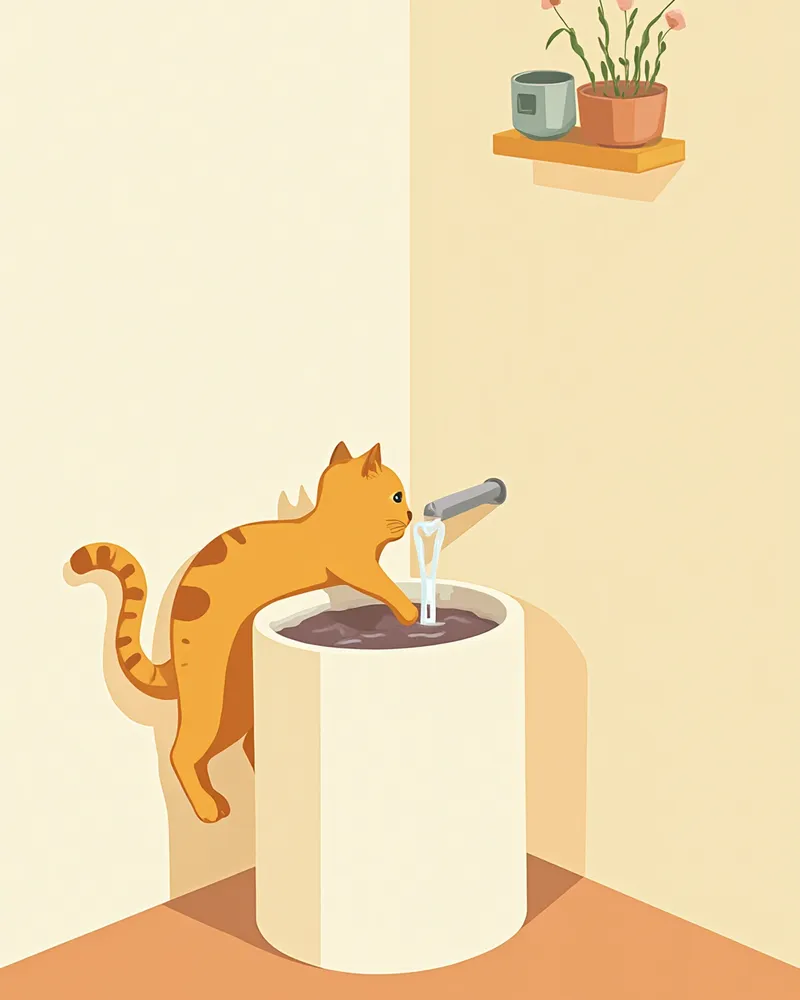
Automatic water fountains help keep water fresh by continuously circulating and filtering it. According to veterinary nutrition and clinical textbooks, adequate hydration plays a crucial role in maintaining lower urinary tract health in cats. For conditions such as feline lower urinary tract disease, including idiopathic cystitis, or kidney issues, increasing water intake to maintain good hydration is beneficial for management. Therefore, textbooks recommend providing fresh, clean water that is freely accessible at all times, regardless of breed or life stage. Since cats often lack the habit of sitting by a water bowl to drink frequently, and some pets are known to prefer running water, a fountain can help encourage drinking. Think of a water fountain simply as a device that provides water more frequently and more cleanly.
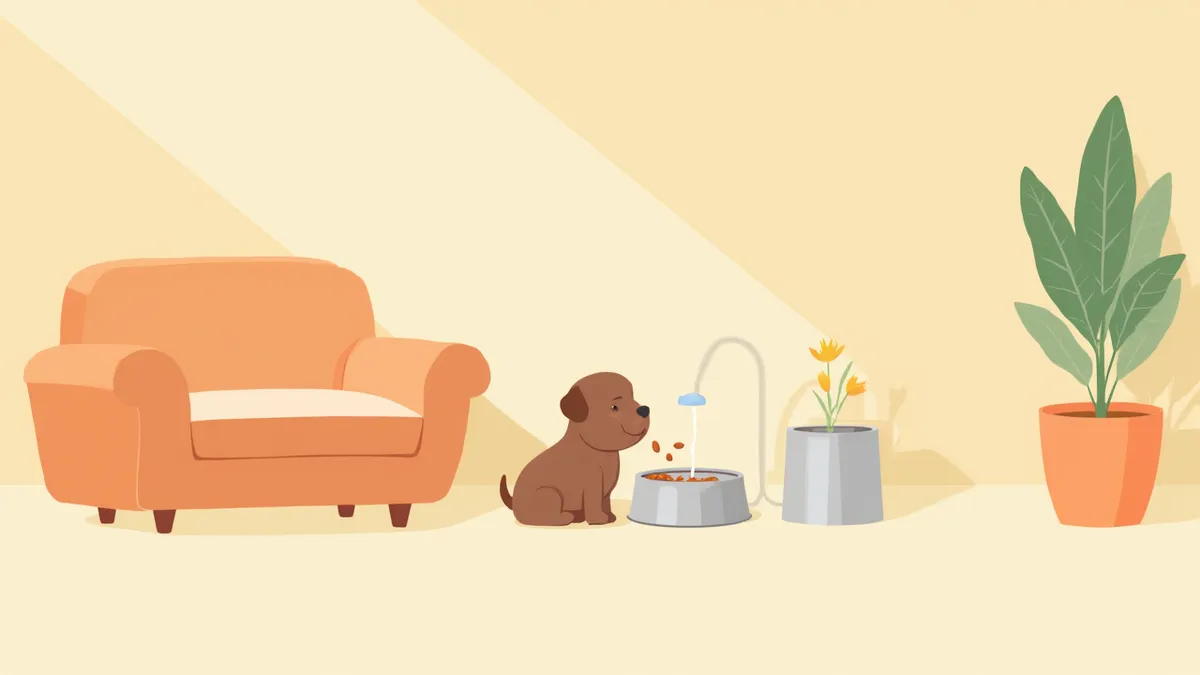
Cats drinking flowing water from an automatic water dispenser

Hygiene Management: The Most Commonly Overlooked Aspect

Automatic pet feeders and waterers can actually become hazardous if they’re not properly maintained. - Automatic feeder hopper: Empty and dry completely once a week to prevent rancidity caused by fat from the kibble. - Dispensing chute: Brush away any powder or food residue daily. - Automatic waterer filter: Replace according to the manufacturer’s recommended schedule (usually every 2–4 weeks). - Pump and water reservoir: Disassemble and clean once or twice a week to remove slime (biofilm). - Summer months: Clean more frequently than usual. Delaying cleaning allows mineral deposits, mold, and bacteria to multiply, compromising hygiene. Contaminated water or food can lead to digestive issues, so it’s essential to keep everything fresh and clean at all times.

When to Consult a Veterinarian Before Using an Automatic Feeder

• Pets with diabetes — insulin injections and meal times must align precisely. • Chronic kidney or heart disease — a veterinarian must directly adjust the prescription diet portion. • Sudden loss of appetite — relying solely on automatic dispensing without monitoring can cause you to miss the window for early diagnosis. • Young puppies and kittens in early growth stages — their nutritional needs differ from adults, and they are at risk of hypoglycemia; automatic feeders alone do not provide sufficient monitoring. In these situations, it is safest to establish a feeding plan with your veterinarian before using the device.

The Relationship Between Automatic Water Fountains and Immunity

Adequate hydration is essential for maintaining your pet’s kidney and urinary tract health. Dehydration can dry out mucous membranes and lead to clinical signs of dehydration, and in pets with chronic kidney disease, hydration status directly impacts disease management. Cats, in particular, have a delayed thirst response, so owners may not easily notice reduced water intake. Using a pet water fountain to keep water fresh and flowing can naturally encourage drinking, supporting kidney function and lower urinary tract health. It’s also helpful to develop the habit of monitoring how much water your pet drinks each day.

Reviewed by a veterinarian

Dr. Tony — Punnawat Phongkittirak

Dr. Tony — Punnawat Phongkittirak

Veterinarian

A veterinarian who majored in veterinary medicine at Khon Kaen University, Thailand, and completed the IVSA program at North Carolina State University in the United States. Drawing on clinical experience at animal hospitals, he works in the pet healthcare field and is dedicated to building a digital care environment that connects pet parents with veterinarians.

Frequently Asked Questions

Is it okay to rely solely on an automatic feeder for all of your pet’s daily meals?
For adult dogs and cats, it’s possible in the short term, but it’s safer if the owner checks their appetite and stool at least once a day. The owner’s eyes are the best way to catch signs of illness early.
My child gets startled by the sound of the automatic water dispenser. What should I do?
For the first few days, keep the unit turned off and placed nearby to help your pet get used to it. After that, gradually turn it on, starting at the lowest setting. If air gets trapped in the filter or pump, it can cause noise, so be sure to check everything right after installation.
Can I put wet food in an automatic feeder?
It’s best not to use regular dry-food-only models for wet food, as wet food spoils quickly at room temperature. Models designed for wet food typically feature an ice pack compartment and are intended for short-term storage, so be sure to check the manual.
How should I prepare for power outages or Wi-Fi disruptions?
Choose a model with a battery backup, and for extra safety, keep a day’s worth of emergency food in a regular bowl before leaving home for an extended period. Be sure to enable app notifications on smart feeders.
How often should you change the water in an automatic pet water dispenser?
As a general rule, you should replace all the water at least every two to three days. In the summer or in households with multiple cats or dogs, it’s safer to change it daily. Don’t rely solely on the filter—keeping the water itself fresh is what really matters.

Share

Related Guides

References

[1] Applied Veterinary Clinical Nutrition, 2nd Ed — Chapter on Enteral Feeding and Nutritional Management

[2] The Cat, Clinical Medicine and Management, 2nd Edition — Nutritional Support and Feeding Devices

[3] Advanced Monitoring for Small Animal Emergency and Critical Care, 2nd Ed — Nutritional Monitoring

This information is based on veterinary literature and does not replace diagnosis or treatment. Please consult a veterinarian for specific health concerns.

Metapet Co., Ltd. | CEO: Park Sung-yong | Business Reg. No. 417-88-02562 | Seoul, South Korea | Customer Center

Automatic Feeder Guide: How to Choose and Maintain Safely | Meongsiljang