Like
Share
멍실장
고양이 노령묘 건강검진 항목 자주 묻는 질문 Q&A — 보호자가 꼭 알아야 할 핵심

Senior Cat Health Checkup Items FAQ — Key Points Every Pet Owner Should Know

Lifestyle & Age CareQ&AMeongsiljang Veterinary Advisory Board

Health checkups for senior cats are essential for the early detection of chronic diseases. We’ve compiled the key questions and answers every pet owner should know.

Senior Cat Health Checkup Items Are Key to Early Detection of Chronic Diseases
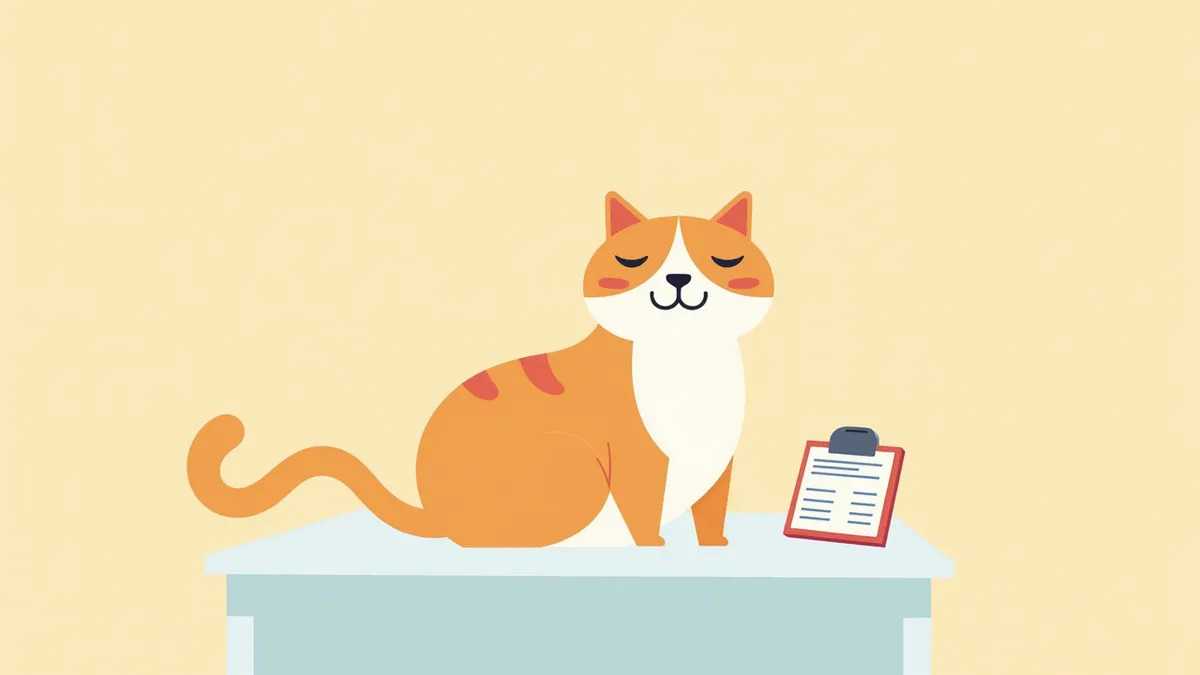
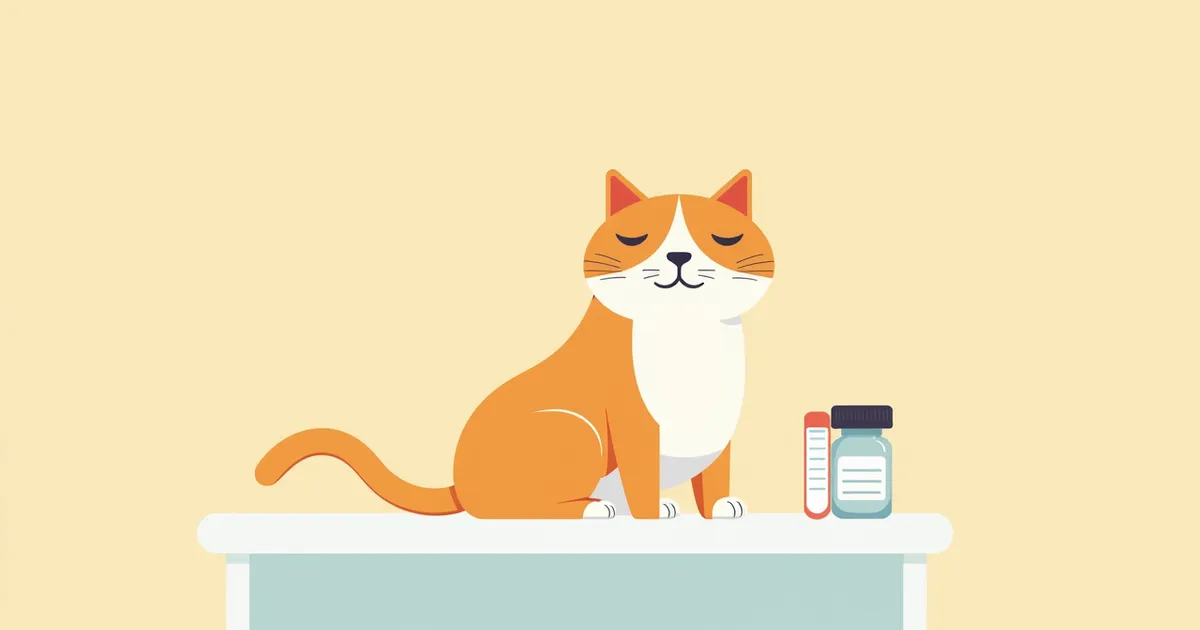
An elderly cat sitting on a veterinarian's examination table
For cats aged 11 and older, senior health screenings are an essential preventive measure. As cats age, the risk of declining function in internal organs such as the kidneys, liver, and thyroid increases. Early detection can slow disease progression and significantly improve quality of life. - Blood tests: Check liver and kidney function, as well as thyroid hormone levels, to catch early signs of chronic disease. - Urinalysis: Important for evaluating kidney function and detecting urinary tract infections. - Blood pressure measurement: Hypertension is common in senior cats and can strain the heart and kidneys. Regular check-ups help identify and address risks early.

Why Is at Least One Annual Senior Cat Health Checkup Necessary?
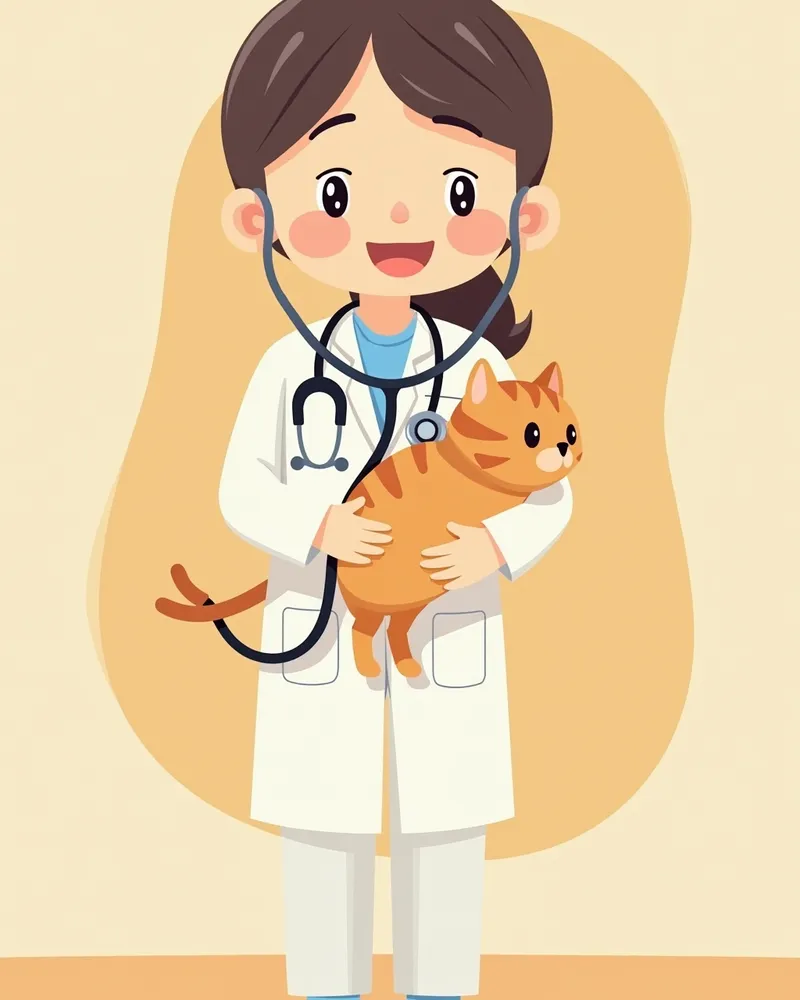
Cats age much faster than humans. Generally, cats aged 7 to 10 are considered middle-aged (mature), while those 11 and older are classified as senior. Regardless of age, at least one annual checkup is recommended, and more frequent examinations are advisable as cats enter their senior years. In particular, having senior cats checked every six months helps ensure that rapid changes are not missed. Catching early signs of chronic disease through regular checkups can slow disease progression through dietary management or medication. Because senior cats have reduced physiological reserves, even minor changes can place a significant burden on their bodies, making early detection even more critical. Early detection is key to improving treatment outcomes and maintaining your cat’s quality of life. The most accurate and reliable approach is to determine the specific checkup items in consultation with your veterinarian.
A veterinarian examining the heart of a senior cat

What Are the Essential Items to Include in a Senior Cat Health Checkup?

A comprehensive health checkup for senior cats should always include these essential components: - Blood tests: Evaluate liver function, kidney function, and thyroid hormone levels to detect early signs of chronic disease. - Urinalysis: Essential for assessing kidney function and identifying urinary tract infections. - Blood pressure measurement: Hypertension is common in older cats and can place significant strain on the heart and kidneys. - Weight measurement and physical examination: Directly monitor weight changes and check for any external abnormalities. - Cardiac examination (if needed): Listen to heart rate and sounds to assess for potential heart disease. These five key areas help provide a thorough overview of your senior cat’s overall health.
A veterinarian preparing a blood sample for testing.

Why Are Blood Tests, Urinalysis, and Blood Pressure Measurements Essential?
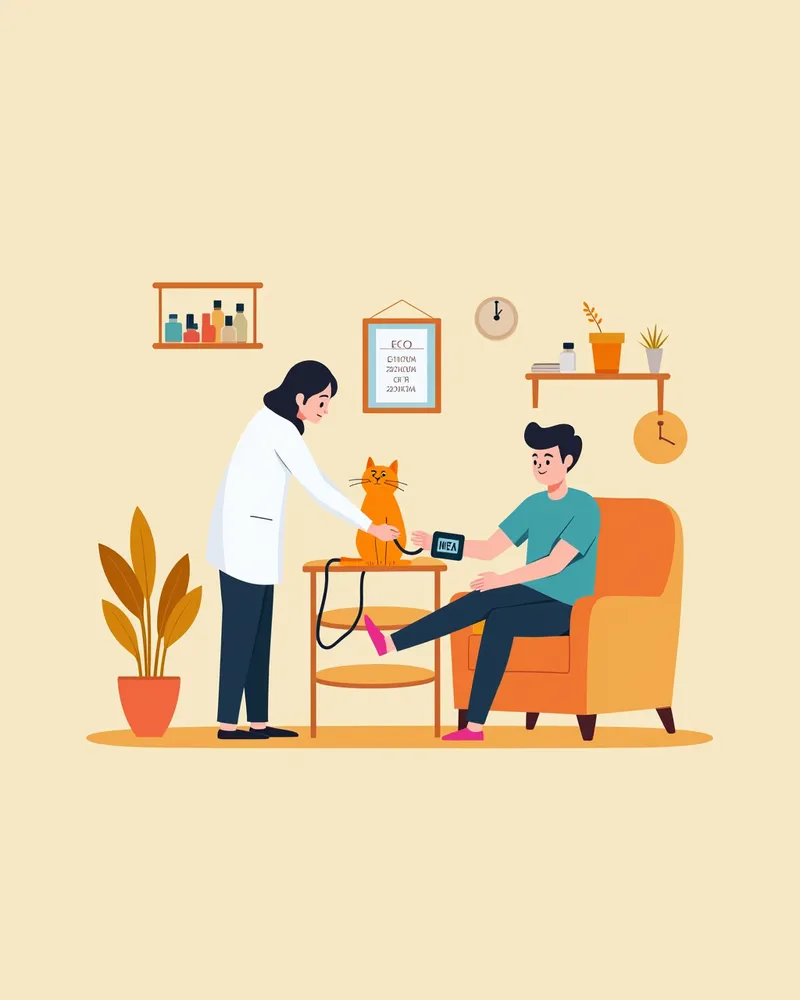
Blood tests are essential for evaluating liver, kidney, and thyroid function. - Blood tests: These check liver and kidney function, as well as thyroid hormone levels, helping to detect early signs of chronic disease. Urinalysis assesses kidney function and checks for infections. - Urinalysis: This is important for evaluating kidney function and detecting urinary tract infections. Blood pressure measurement is also key, given that hypertension is common in senior cats. - Blood pressure measurement: High blood pressure is a major contributor to heart and kidney strain. While these three tests are non-invasive, they are highly effective at catching early disease indicators. The screening items recommended by your veterinarian are based on professional expertise, which is more accurate than relying solely on an owner’s judgment.
A veterinarian measuring the blood pressure of an elderly cat.

Comparison of Senior Cat Health Checkup Items: Basic vs. Comprehensive Checkups

ItemBasic CheckupIn-Depth Checkup
Blood Test (CBC, Biochemistry)✅ Included✅ Included
Urine Test✅ Included✅ Included
Blood Pressure Measurement✅ Included✅ Included
Thyroid Hormone Test (Total T4)❌ Excluded✅ Included
Cardiac Ultrasound❌ Excluded✅ Included
Infectious Disease Test (FeLV/FIV)❌ Excluded✅ Included

In-depth checkups are recommended for high-risk cats and help detect diseases earlier.

Factors to Consider When Selecting Senior Cat Health Checkup Items
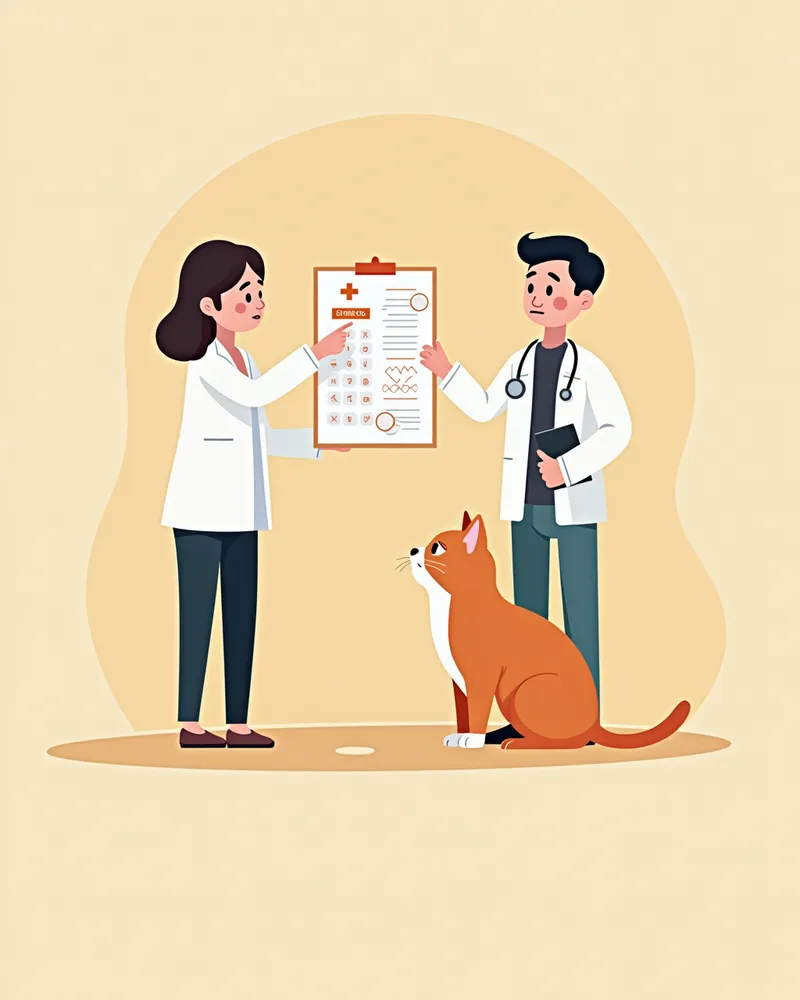
When selecting health screening items for senior cats, it is important to comprehensively consider factors such as the cat’s age, presence of underlying conditions, recent behavioral changes, and changes in appetite. For cats aged 11 years and older, it is advisable to include thyroid function tests. For breeds at risk of heart disease, consider adding an echocardiogram. Additionally, the cat’s stress level and behavioral traits during the examination can influence the screening approach. Consulting with your veterinarian to develop a personalized screening plan is the safest and most effective approach. Regular check-ups are the first step in disease prevention.
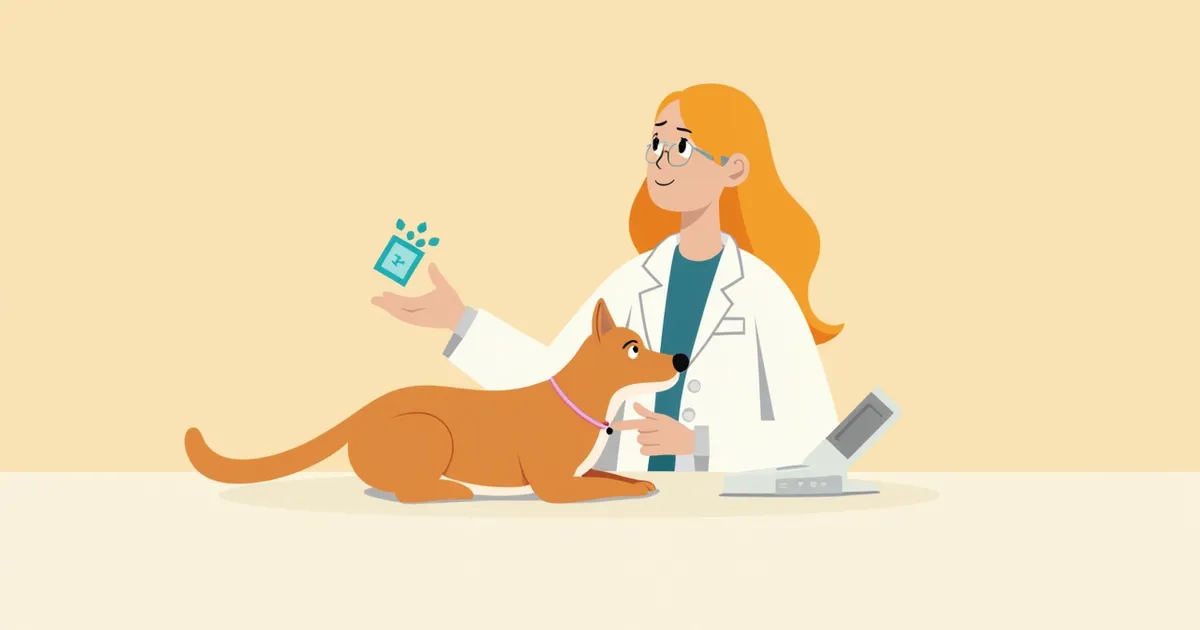
A veterinarian and a pet owner discussing a health check-up for a senior cat.

Immediate Veterinary Visit Required If These Symptoms Are Present

If your pet shows symptoms such as loss of appetite, weight loss, recurrent vomiting and diarrhea, increased urination, or difficulty breathing, please visit a veterinary clinic immediately. These signs may indicate serious conditions like kidney dysfunction, hyperthyroidism, or diabetes. Early diagnosis significantly improves the chances of successful treatment.

Pet Owner Checkpoints for Senior Cat Health Checkup Items
- Changes in appetite: A sudden decrease in food intake or almost no eating at all. - Weight loss: Noticeable weight loss over a short period. Pay special attention if your pet is losing weight despite having a normal or even increased appetite. - Changes in urination: A sudden increase in the frequency of bathroom visits or a decrease in urine output. - Decreased activity: Your pet is less active than usual and tends to stay in one place all day. - Repeated vomiting: Frequent or recurring vomiting. If you notice any of these signs, it's best to seek veterinary care as soon as possible.
An elderly cat lying down listlessly

Reviewed by a veterinarian

Dr. Tony — Punnawat Phongkittirak

Dr. Tony — Punnawat Phongkittirak

Veterinarian

A veterinarian who majored in veterinary medicine at Khon Kaen University, Thailand, and completed the IVSA program at North Carolina State University in the United States. Drawing on clinical experience at animal hospitals, he works in the pet healthcare field and is dedicated to building a digital care environment that connects pet parents with veterinarians.

Frequently Asked Questions

When should you start scheduling senior cat health checkups?
Regular check-ups are recommended at least once a year for cats of all ages. As cats transition from middle age (7-10 years) to senior status (11 years and older), more frequent examinations are advisable. Scheduling check-ups every six months helps ensure no changes go unnoticed.
How much does a senior cat health checkup cost?
A basic checkup typically costs between $20 to $40, while a more comprehensive examination can exceed $70. The exact amount may vary depending on whether you have pet insurance and which clinic you visit.
What problems can arise if you skip a health checkup for an older cat?
Missing the early signs of a disease can delay treatment and worsen functional decline, leading to a rapid drop in quality of life. Early detection is key to effective treatment.
What should you prepare at home in advance for a senior cat’s health checkup?
Please prepare your cat’s recent meal logs, medication history, and records of any behavioral changes. Since fasting before the checkup may be required, please confirm with the clinic in advance.
What should you keep in mind after your senior cat’s health checkup?
Depending on the examination results, dietary adjustments, medication, or additional tests may be necessary. Please follow your veterinarian’s instructions carefully, and remember that regular follow-up checkups are also important.

Share

Related Guides

References

This information is based on veterinary literature and does not replace diagnosis or treatment. Please consult a veterinarian for specific health concerns.

Metapet Co., Ltd. | CEO: Park Sung-yong | Business Reg. No. 417-88-02562 | Seoul, South Korea | Customer Center

Senior Cat Health Checkup: 5 Frequently Asked Questions | Meongsiljang