
Like
Share
멍실장
면역 항암 치료(체크포인트·백신)

Immunotherapy for Cancer (Checkpoint Inhibitors and Vaccines)

ImmunityQ&AMeongsiljang Veterinary Advisory Board

Immunotherapy for cancer helps your pet’s immune cells directly attack cancer cells. Here’s a clear overview of how checkpoint inhibitors and cancer vaccines work, which pets they’re suitable for, and details on costs and side effects.

What is Immunotherapy for Cancer?

A veterinarian explaining immunotherapy for pets to their owners.
Pet immunotherapy for cancer doesn’t directly attack cancer cells. Instead, it helps your pet’s immune system recognize and eliminate the cancer on its own. What’s truly important to understand is that this treatment isn’t a cure-all for every type of cancer. In veterinary practice, its effectiveness has been most clearly proven in highly immunogenic tumors, such as oral melanoma in dogs. It’s most commonly used in combination with traditional cancer treatments (chemotherapy or radiation) or to help prevent recurrence after surgery.

How is it Different from Traditional Cancer Treatment?

Traditional chemotherapy drugs indiscriminately attack rapidly dividing cells, damaging not only cancer cells but also healthy cells such as bone marrow, intestinal lining, and hair follicles. This often leads to side effects like vomiting, loss of appetite, and decreased white blood cell counts. In contrast, immunotherapy works by "releasing the brakes" on your pet's immune system, enabling T cells and natural killer (NK) cells to selectively target cancer cells. While this approach causes less damage to healthy cells, it may instead trigger different types of side effects, such as autoimmune reactions.

Traditional Cancer Treatment vs. Immunotherapy Comparison

ItemCytotoxic chemotherapyImmunotherapy
Target of attackAll dividing cellsSelective attack on cancer cells
Major side effectsMyelosuppression/hair loss/vomitingAutoimmune reactions/dermatitis
Duration of effectShort-term, administration-dependentLong-term once immune memory forms
Applicable cancer typesBroad range, including lymphoma and mast cell tumorsHighly immunogenic cancers such as melanoma
Cost burden$70 to $200 per session$400 to $1,000 per session or more

Costs vary by veterinary clinic and drug; these are the estimated ranges of caregiver burden compiled for reference.

How Do Checkpoint Inhibitors Work?
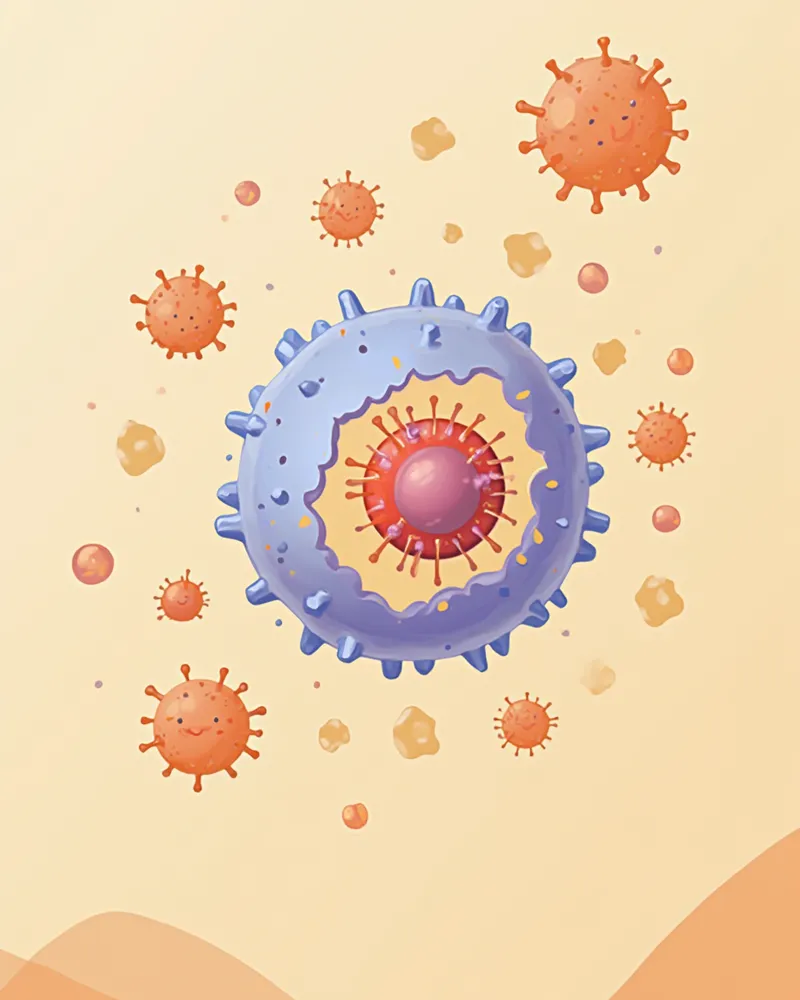
Cancer cells evade immune attack by engaging "immune brakes" (receptors such as PD-1 and CTLA-4) on the surface of T cells. Checkpoint inhibitors are antibody-based drugs that block these brakes. Once the brakes are released, exhausted T cells with diminished function can regain their ability to attack cancer cells. Although veterinary medicine has not yet achieved the same level of standardization as human medicine, dog-specific anti-PD-1, anti-PD-L1, and anti-CTLA-4 antibodies are in development and research stages, with reports indicating they can restore the anti-tumor function of exhausted T cells. However, since not all patients show sustained responses, combination therapy strategies using multiple agents are being studied. Additionally, because availability and prescribing practices vary by clinic in Korea, consultation with a veterinary oncologist is essential.
Checkpoint inhibitors release the brakes on T cells, enabling them to attack cancer cells.

Go to the Vet Immediately if You See These Symptoms During Immunotherapy

Checkpoint inhibitors work by powerfully activating the immune system, which can sometimes lead to autoimmune side effects where the body attacks its own healthy organs. If your pet develops any of the following symptoms—severe skin inflammation, sudden worsening of diarrhea, jaundice (yellowing of the eyes or gums), extreme lethargy, or coughing and difficulty breathing—contact your oncology clinic within 24 hours. Delaying early intervention may necessitate high-dose steroid treatment.

What Are Cancer Vaccines? (e.g., Melanoma Vaccine)

Cancer vaccines work by training your pet’s immune system to recognize specific markers (antigens) unique to cancer cells, enabling T cells to identify and attack them. A well-known example is the DNA vaccine for canine oral melanoma, which uses a human tyrosinase gene to induce cross-reactive immunity. It is used as an adjuvant therapy after surgery to eliminate microscopic residual cancer cells and delay recurrence. It is important to note that this is not a standalone treatment capable of shrinking large, advanced tumors, but rather an adjunctive therapy used in combination with surgery and radiation.
A veterinarian administering an anti-cancer vaccine to a dog

Which Cancers Are Candidates for Immunotherapy?

- Oral Melanoma: This is the cancer in dogs where the efficacy of immunotherapy (dog-specific checkpoint inhibitors and tyrosinase DNA vaccines) has been most thoroughly validated. - Osteosarcoma: While immune-based adjuvant therapies are under investigation, they are not yet established as standard treatments proven to extend survival, so a cautious approach is necessary. - Lymphoma: Standard chemotherapy remains the primary treatment, but immune therapies such as antibodies targeting B-cell lymphoma (e.g., anti-CD20) are currently in preliminary research stages. - Feline Injection-Site Sarcoma and Oral Squamous Cell Carcinoma: Although still in the research phase, combination therapies using immune modulators like imiquimod are being explored. - Skin and Soft Tissue Tumors: Treatment decisions must be made on a case-by-case basis, depending on the tumor type and its immunogenicity.

What to Check Before Starting Immunotherapy

Before starting immunotherapy for cancer, it is essential to have accurate biopsy results and staging information to determine the extent of cancer spread. Pets with a history of autoimmune diseases (such as immune-mediated hemolytic anemia or cutaneous lupus) may experience worsening of their existing conditions due to treatments that further stimulate the immune system. If your pet is currently taking steroids or immunosuppressants, be sure to inform the oncologist. For more detailed information on surgical options, please refer to [Diagnosis and Treatment of Canine Melanoma] (/ko/disease/dog-melanoma).

Cost, Duration, and Tips for Choosing a Hospital

Immunotherapy for cancer is not readily available at general primary veterinary clinics and is primarily administered at secondary or university-affiliated animal hospitals with veterinary oncologists. Checkpoint inhibitor treatments cost between $400 to $1,000 per session, while vaccine series typically involve four initial doses followed by booster shots every six months. The total treatment period requires ongoing management for at least six months to over a year. When selecting a hospital, be sure to confirm: ① the presence of a board-certified veterinary oncologist, ② an emergency response system for immune-related adverse effects, and ③ whether the facility offers collaborative consultations with surgery and radiation oncology departments.

Reviewed by a veterinarian

Dr. Tony — Punnawat Phongkittirak

Dr. Tony — Punnawat Phongkittirak

Veterinarian

A veterinarian who majored in veterinary medicine at Khon Kaen University, Thailand, and completed the IVSA program at North Carolina State University in the United States. Drawing on clinical experience at animal hospitals, he works in the pet healthcare field and is dedicated to building a digital care environment that connects pet parents with veterinarians.

Frequently Asked Questions

Can immunotherapy cure cancer?
There’s no treatment that guarantees a cure. For cancers with well-documented efficacy, such as oral melanoma, studies have shown that treatment can significantly extend the time before recurrence or metastasis after surgery. However, the response varies greatly depending on the type and stage of cancer, as well as your pet’s immune status. Therefore, it’s important to first establish realistic goals—whether aiming for a cure or extending quality of life—in consultation with your veterinarian.
Is immunotherapy also an option for cats?
Checkpoint inhibitors officially approved specifically for cats are still rare. However, immune-modulating adjuncts and investigational treatments are being explored for feline injection-site sarcomas and lymphoma. Cats exhibit different immune response profiles than dogs, so canine formulations should never be used in cats. It is essential to consult a veterinarian with specific experience in treating feline tumors.
Can it be used together with conventional chemotherapy drugs?
Most modern protocols are designed with combination therapy in mind. A common three-step approach involves surgically removing visible tumors, using chemotherapy to reduce residual cancer cells, and then applying immunotherapy to prevent recurrence. However, high-dose steroids can suppress the immune system and potentially diminish the effectiveness of checkpoint inhibitors, so careful dosage adjustment is necessary.
Should I stop the treatment if side effects occur?
Mild dermatitis and temporary loss of appetite can be managed with supportive care while continuing immunotherapy. However, if moderate or greater elevations in liver enzymes, autoimmune hemolytic anemia, or severe enteritis or pneumonia are confirmed, treatment should be temporarily suspended, and steroids administered to suppress the immune response before deciding whether to resume therapy. Do not independently extend dosing intervals or skip doses.
Is it covered by insurance?
Whether immunotherapy for cancer is covered depends on the specific pet insurance plan in Korea. Some plans include immunotherapy under the "cancer treatment" category, but annual coverage limits and deductibles vary, and newer checkpoint inhibitor drugs may be excluded. Before starting treatment, be sure to check your policy for the terms "immunotherapy" and "biological agents."

Share

Related Guides

References

[1] Tizard, I.R., Veterinary Immunology, 11th Edition, Chapter: Tumor Immunology and Immunotherapy, 2021

[2] Therapeutic Strategies in Veterinary Oncology, Chapter: Cancer Immunotherapy, 2022

[3] Bergman, P.J. et al., Long-term survival of dogs with advanced malignant melanoma after DNA vaccination with xenogeneic human tyrosinase, Clinical Cancer Research, 2003

[4] Maekawa, N. et al., A canine chimeric monoclonal antibody targeting PD-L1 and its clinical efficacy in canine oral malignant melanoma, Scientific Reports, 2017

This information is based on veterinary literature and does not replace diagnosis or treatment. Please consult a veterinarian for specific health concerns.

Metapet Co., Ltd. | CEO: Park Sung-yong | Business Reg. No. 417-88-02562 | Seoul, South Korea | Customer Center

Cancer Immunotherapy for Pets: Checkpoints & Vaccines | Meongsiljang