Like
Share
멍실장
강아지 폐동맥 고혈압 자주 묻는 질문 Q&A — 보호자가 꼭 알아야 할 핵심

Dog Pulmonary Arterial Hypertension FAQ — Key Information Every Pet Owner Should Know

HeartQ&AMeongsiljang Veterinary Advisory Board

Pulmonary arterial hypertension in dogs is a condition that’s difficult to detect early, and by the time symptoms appear, the disease may already be advanced. Here’s a summary of the key information every pet owner should know.

What Is Pulmonary Arterial Hypertension in Dogs?

An explanation of the condition in which the pulmonary artery portion of a dog's heart is in a state of high blood pressure.
Pulmonary arterial hypertension in dogs is a condition in which blood pressure within the pulmonary artery remains persistently elevated (systolic approximately 30 mmHg, mean exceeding 25 mmHg). Rather than being an independent disease, it is more accurately described as an abnormal hemodynamic state resulting from other underlying conditions. Increased resistance in the pulmonary blood vessels forces the right ventricle to work harder, which over time can lead to right ventricular hypertrophy or dilation and ultimately progress to right-sided heart failure. In the early stages, blood pressure may be normal at rest and only rise during exercise, resulting in few or no symptoms and making early detection challenging. Therefore, regular veterinary check-ups are essential. While managing the underlying cause can help improve pulmonary arterial pressure, vascular changes that have already occurred are often difficult to reverse completely, making early intervention crucial.

What Causes Pulmonary Arterial Hypertension?
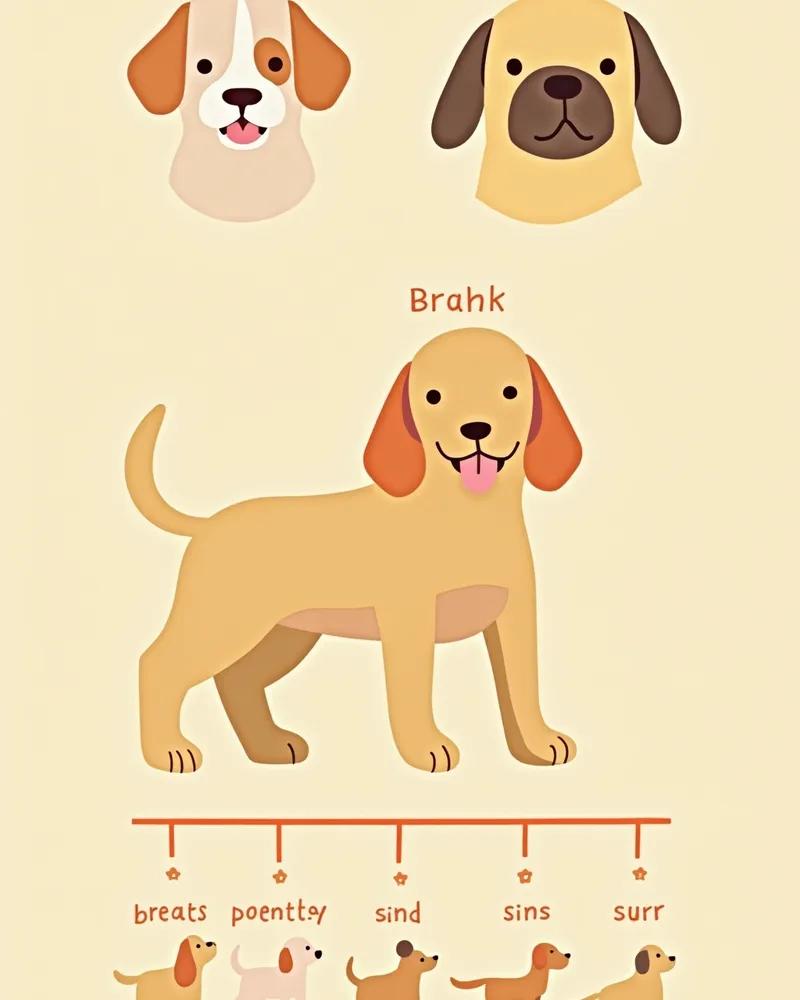
Pulmonary hypertension in dogs is most often a secondary consequence of another underlying condition. The most common cause is left-sided heart disease, such as chronic mitral valve disease, which leads to elevated pulmonary venous pressure. Other significant causes include respiratory diseases and hypoxemia, pulmonary thromboembolism, and parasitic infections like heartworm (Dirofilaria immitis). Congenital left-to-right shunts, such as patent ductus arteriosus or ventricular septal defects, can also increase pulmonary blood flow and pressure. Additionally, brachycephalic breeds like Pugs are at risk due to airway obstruction and hypoxemia. Identifying the underlying cause is the first step in treatment, and regular cardiac examinations are essential for early diagnosis. Managing or resolving the primary disease can help improve pulmonary arterial pressure.
A chart explaining the genetic predisposition in breeds susceptible to pulmonary hypertension.

What Are the Main Symptoms?

Pulmonary hypertension in dogs is often difficult to detect in its early stages because it typically shows few or no symptoms. However, as the condition progresses, signs such as difficulty breathing—especially severe shortness of breath after exercise—may appear. Your dog may also cough frequently, show reluctance to exercise, or tire easily. You might notice bluish discoloration of the lips or gums, or even fainting episodes. In severe cases, the condition can lead to heart failure, which can be life-threatening. Early screening is essential before symptoms develop.
A puppy struggling with difficulty breathing

Signs Requiring Immediate Veterinary Visit

If your dog suddenly starts panting heavily, their lips turn blue, or they collapse, you should take them to the vet immediately. These are urgent signs that the heart is not functioning properly.

How Is It Diagnosed?
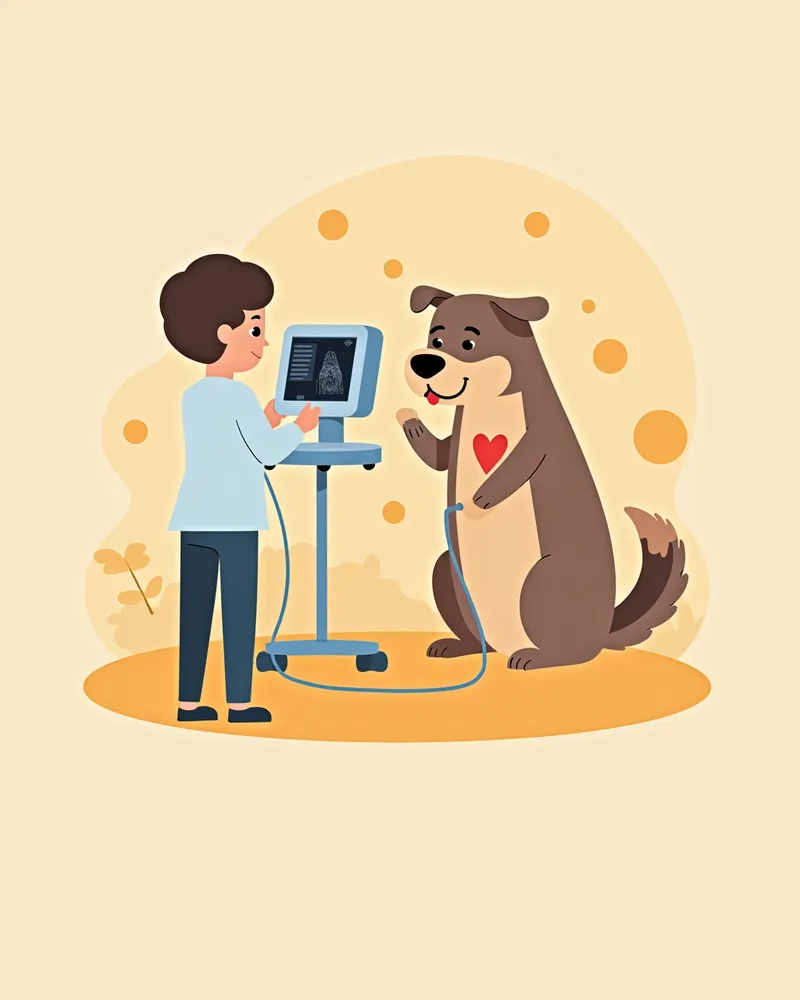
Pulmonary hypertension is primarily assessed using Doppler echocardiography. This minimally invasive test analyzes heart structure, right ventricular function, and blood flow velocity to estimate pulmonary artery pressure. While right heart catheterization provides the most accurate measurements, its invasive nature means echocardiography is the preferred method in clinical practice. Interpretation of results heavily depends on the examiner’s experience and skill, so evaluation by an experienced veterinarian is crucial. Additional tests such as electrocardiograms and chest X-rays may also be performed as needed. Regular cardiac check-ups are essential for early diagnosis, as earlier detection significantly improves management outcomes.
A veterinarian performing an ultrasound examination of a puppy’s heart.

What Are the Treatment Options?

Treatment begins with identifying the underlying cause. If left-sided heart disease is the culprit, diuretics and pimobendan are used to reduce cardiac workload and pulmonary congestion; if a respiratory disease is the cause, it is treated concurrently. The primary goal is to relax the pulmonary blood vessels, lower vascular resistance, and reduce the burden on the right side of the heart. Sildenafil, a phosphodiesterase-5 inhibitor, is commonly used as a pulmonary vasodilator to lower pulmonary arterial pressure. In cases of acute collapse, oxygen therapy can be beneficial. Treatment is often lifelong, requiring regular veterinary check-ups, as stopping medication or missing doses can lead to worsening of the condition. Consistent management under the guidance of your veterinarian is essential.
A veterinarian administering medication to a puppy

How to Manage at Home

To help reduce your dog’s stress, avoid excessive exercise. Short walks in quiet, calm environments are especially beneficial. It’s important to manage portion sizes and limit salt intake. Always administer any medications prescribed by your veterinarian at the exact times recommended. Regular check-ups and consistent weight monitoring are essential. Maintaining a stable home environment and carefully tracking any changes in symptoms can also be very helpful. Proper home care plays a key role in improving treatment outcomes.
A dog resting in a calm and stable environment

Comparison of Responses by Symptom Stage

ItemSymptom StageMain SymptomsResponse MethodHospital Visit Required
MildSlightly short of breath after exerciseTires even from routine walksAdjust medication after veterinary consultationYes
ModerateShort of breath even at restCoughing, bluish lipsBegin medication, limit exerciseYes
SevereSudden collapseSevere respiratory distress, cyanotic lipsEmergency treatment required, oxygen supplyImmediately

If symptoms worsen, an immediate hospital visit is essential.

Reviewed by a veterinarian

Dr. Tony — Punnawat Phongkittirak

Dr. Tony — Punnawat Phongkittirak

Veterinarian

A veterinarian who majored in veterinary medicine at Khon Kaen University, Thailand, and completed the IVSA program at North Carolina State University in the United States. Drawing on clinical experience at animal hospitals, he works in the pet healthcare field and is dedicated to building a digital care environment that connects pet parents with veterinarians.

Frequently Asked Questions

Can pulmonary hypertension in dogs be treated?
Identifying and treating the underlying cause, along with managing the condition using pulmonary vasodilators such as sildenafil, can help improve symptoms and enhance both quality of life and survival time. However, pulmonary arterial hypertension is often difficult to reverse completely, and the prognosis is generally guarded—except in cases where left-to-right shunts (e.g., patent ductus arteriosus) are surgically corrected—making consistent, long-term management essential.
Which breeds are at higher risk?
The most common cause in dogs is chronic mitral valve disease, which can lead to pulmonary hypertension in small breeds prone to this condition, such as Cavalier King Charles Spaniels. Brachycephalic breeds like Pugs are also at risk due to airway obstruction and hypoxemia. Extra caution is also necessary in cases of heartworm infection or pre-existing heart conditions.
Is prevention possible?
Early detection through regular health check-ups is the most important thing. For breeds with heart disease or at risk, we recommend having a heart exam once or twice a year.
Do I need to give the medication for a long time?
In most cases, lifelong medication is necessary. Stopping treatment can cause symptoms to worsen, so it's important to follow your veterinarian's instructions and continue the medication consistently.
How should I manage my pet’s meals?
It's best to reduce salt intake, manage weight, and switch to a diet that puts less strain on the heart. Using a prescription diet recommended by your veterinarian is the safest option.

Share

Related Guides

References

[1] Textbook of Cardiovascular Medicine in Dogs and Cats, 4th Ed. 2023

[2] Small Animal Critical Care Medicine, 3rd Ed. 2021

[3] Clinical Medicine of the Dog and Cat, 4th Ed. 2022

This information is based on veterinary literature and does not replace diagnosis or treatment. Please consult a veterinarian for specific health concerns.

Metapet Co., Ltd. | CEO: Park Sung-yong | Business Reg. No. 417-88-02562 | Seoul, South Korea | Customer Center

5 Common Questions About Pulmonary Hypertension in Dogs | Meongsiljang