
Like
Share
멍실장
강아지 진드기 매개 질환 종합 자주 묻는 질문 Q&A — 보호자가 꼭 알아야 할 핵심

Comprehensive FAQ on Tick-Borne Diseases in Dogs — Key Information Every Pet Owner Must Know

Infection/ParasitesQ&AMeongsiljang Veterinary Advisory Board

Tick-borne diseases in dogs are infectious conditions caused by tick bites, making prevention and early detection crucial. Here’s a comprehensive overview of the key information every pet owner should know.

What Are Tick-Borne Diseases in Dogs?

Ticks clinging to a dog that has been walking through tall grass
Tick-borne diseases in dogs are infectious conditions caused by pathogens transmitted when ticks feed on blood. The main culprits include Babesia, a protozoan parasite that infects red blood cells, and bacteria such as Borrelia (Lyme disease), Ehrlichia, and Anaplasma, which are spread by ticks. These diseases show clear seasonal and regional patterns, with the risk increasing significantly during the summer months when tick activity peaks. Dogs that frequently visit tick habitats like grassy areas, forests, and wetlands are at higher risk of infection. Once the pathogens enter the body, the immune system is activated, but early symptoms are often mild, making early detection challenging. Therefore, prevention and early diagnosis are key to improving treatment success rates.

Why Are Tick-Borne Diseases Dangerous?
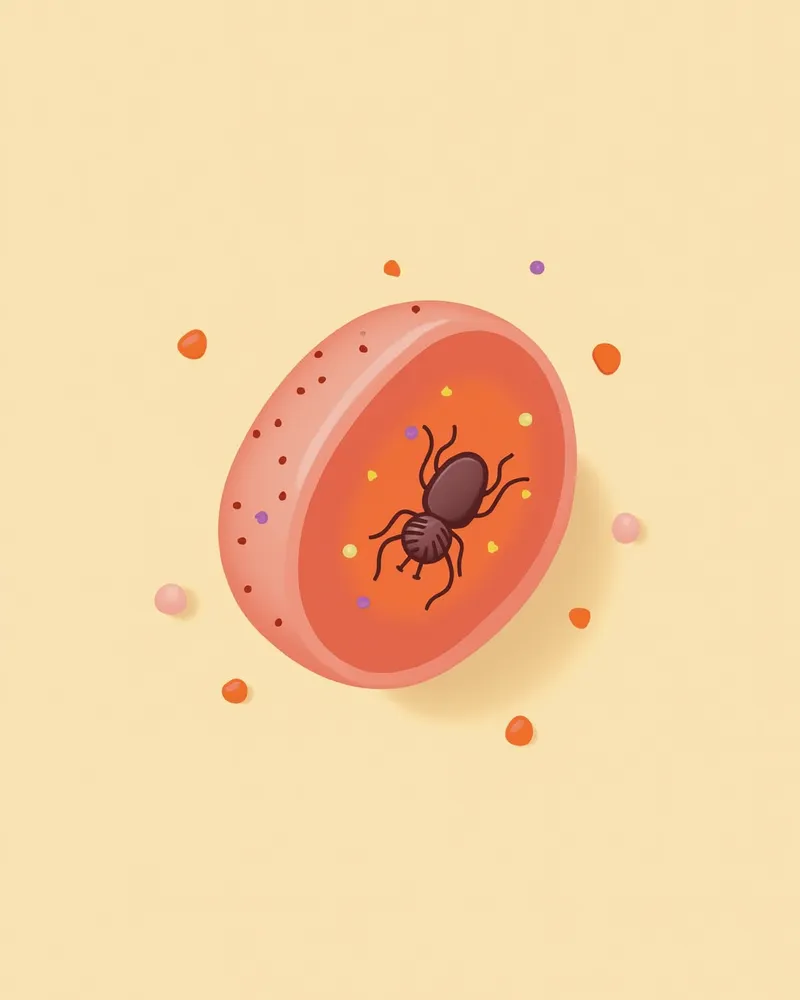
Tick-borne diseases are dangerous because their early symptoms are vague and resemble a common cold, making early detection difficult. Fever, fatigue, and loss of appetite are often mistaken for minor issues that will pass on their own. However, if left untreated, they can lead to anemia, liver dysfunction, and a weakened immune system. In particular, Babesia infection destroys red blood cells, which can cause severe anemia. This can progress to life-threatening conditions such as difficulty breathing and shock. Early diagnosis and appropriate treatment are key factors in improving survival rates.
Microscopic image of Babesia parasites within a dog’s red blood cells

What Are the Main Symptoms?

The main symptoms of tick-borne diseases in dogs include fever, loss of appetite, extreme fatigue (lethargy), and pale lips indicating anemia. Hematuria (blood in the urine), splenomegaly (enlarged spleen), and lymphadenopathy (swollen lymph nodes) are also common signs. Sudden collapse or difficulty breathing constitutes a medical emergency. If symptoms appear, consult your veterinarian immediately. Since symptoms can develop one to three weeks after tick exposure, close monitoring during this period is essential. Early detection is key to improving treatment success rates.
A tired dog with pale lips

Signs Requiring Immediate Veterinary Visit

If your pet suddenly collapses, has difficulty breathing, shows severe anemia (bluish lips), passes blood in their urine, or has a persistent high fever (above 40°C), you should take them to the vet immediately. These are signs of a life-threatening condition, so if any of these symptoms appear within 1 to 3 weeks after tick exposure, it's crucial to have them checked right away.

How Is Diagnosis Made?

Diagnosis is made through blood tests and pathogen-specific antibody tests. A blood smear can directly identify the pathogen, while ELISA or POC (point-of-care) tests measure antibody responses. However, antibody tests only indicate exposure and cannot confirm an active infection, as they yield positive results only after antibodies have formed. Therefore, PCR testing, with its high sensitivity and specificity, is the most accurate method for identifying the specific pathogen. Testing is more reliable two to three weeks after tick exposure, once antibodies have developed. Since diagnostic methods vary depending on the pathogen, it is important to consult your veterinarian to determine the most appropriate test. Early diagnosis is key to improving treatment success rates.
A veterinarian drawing blood from a puppy's leg

What Are the Treatment Methods?

Treatment depends on the specific pathogen and typically involves antibiotics or antiprotozoal medications. For Babesia infections, imidocarb or a combination of atovaquone and azithromycin is commonly used. For bacterial infections such as Ehrlichia, Anaplasma, and Lyme disease (Borrelia), doxycycline-based therapies are prescribed. In severe cases, blood transfusions or immunomodulators may be necessary. The treatment course generally lasts 14 to 30 days, depending on the pathogen, and follow-up testing is required even after recovery. Close monitoring of your dog’s condition is essential throughout treatment. Early intervention is key to speeding up recovery.
A puppy receiving an intravenous injection at the veterinary clinic

How Can You Prevent Tick-Borne Diseases?

The key to prevention is minimizing tick exposure. Use tick-preventive products consistently according to the recommended schedule for each product (typically monthly or more frequently), and regularly check your dog if they have long fur. Avoid areas where ticks thrive, such as grassy fields, forests, and wetlands, and thoroughly inspect your dog’s entire body after walks. It’s also important to consult with your veterinarian to create a customized prevention plan. Choose the most suitable method based on the type of preventive product, its usage frequency, and your dog’s activity patterns. Due to climate change, tick activity can persist year-round, so continuous prevention is recommended. Consistent care is essential for preventing tick-borne diseases.
A hand checking a puppy's ears and belly

Tick Preventive Product Comparison Chart

ItemDuration of EffectHow to UsePrecautions
Spot-on (fipronil-based)4 weeksApply directly onto the skinDo not use on cats. Efficacy may be limited against some tick species
Collar (fluralaner)3 monthsWorn around the neckEfficacy may decrease after playing in water. Product performance varies by tick species
Oral medication (moxidectin)1 monthGiven like a treatAbsorption may decrease when taken with food. Drinking water is recommended when administered

Fipronil-based products are effective against fleas, but their tick-prevention effect is limited, and products with high efficacy against various tick species worldwide (e.g., fluralaner, moxidectin) are recommended. When used on cats there is a risk of toxicity, so they must be used separately.

Precautions and Contraindications

Fipronil-based products can cause severe toxicity in cats. In households with both dogs and cats, always store these products separately and wash your hands thoroughly after use. Additionally, if your dog has a history of drug sensitivity, consult your veterinarian before using any such product.

Reviewed by a veterinarian

Dr. Tony — Punnawat Phongkittirak

Dr. Tony — Punnawat Phongkittirak

Veterinarian

A veterinarian who majored in veterinary medicine at Khon Kaen University, Thailand, and completed the IVSA program at North Carolina State University in the United States. Drawing on clinical experience at animal hospitals, he works in the pet healthcare field and is dedicated to building a digital care environment that connects pet parents with veterinarians.

Frequently Asked Questions

Can tick-borne diseases be transmitted to humans?
Some pathogens, such as those causing Lyme disease and anaplasmosis, can be transmitted to humans. However, Babesia is not considered a zoonotic disease in people with normal immune systems. The risk increases if a tick attached to the skin is not removed promptly. Family members living with dogs should take precautions, such as wearing gloves, when handling ticks.
What should I do after removing a tick?
When removing a tick, use a specialized tool or tweezers to grasp it as close to the skin as possible and pull it out slowly and steadily. Yanking it out abruptly can leave the mouthparts embedded, which may cause inflammation. After removal, have your veterinarian examine the site, and follow their recommendations for monitoring and testing. If you want to check for infection, a blood test is best performed 2 to 3 weeks later, once antibodies have had time to develop.
When should I start flea and tick prevention for my pet?
Due to climate change, tick activity persists year-round, so prevention is necessary not just in spring but throughout all four seasons. The risk is particularly high in summer and autumn, making year-round prevention the most effective approach.
Can my dog get infected with ticks again after recovering from a previous infestation?
Yes, reinfection can occur even after recovery. Because immunity may not develop or new tick exposure may happen, ongoing prevention is necessary.
Can my pet still get infected with mites even when using preventive products?
Yes, complete prevention isn't possible. However, using the product can significantly reduce the likelihood of infection and may also result in milder symptoms. Prevention remains the most effective way to minimize the risk of infection.

Share

Related Guides

References

[1] BSAVA Manual of Canine and Feline Dermatology, 4th Ed. British Small Animal Veterinary Association, 2023.

[2] Principles and Practices of Canine and Feline Clinical Parasitic Diseases. Wiley-Blackwell, 2018.

[3] Fipronil-based spot-on products for tick prevention in dogs: Efficacy and safety evaluation. Veterinary Parasitology, 2021, 295, 109456.

This information is based on veterinary literature and does not replace diagnosis or treatment. Please consult a veterinarian for specific health concerns.

Metapet Co., Ltd. | CEO: Park Sung-yong | Business Reg. No. 417-88-02562 | Seoul, South Korea | Customer Center

Tick-Borne Diseases in Dogs: Essential Owner FAQs | Meongsiljang