
Like
Share
멍실장
고양이 기생충 인수공통 감염 위험 자주 묻는 질문 Q&A — 보호자가 꼭 알아야 할 핵심

Frequently Asked Questions on the Risk of Zoonotic Parasitic Infections in Cats — Key Points Pet Owners Must Know

Infection/ParasitesQ&AMeongsiljang Veterinary Advisory Board

Parasites in cats can cause zoonotic diseases that may also infect humans. Here’s a summary of the risks and prevention methods that pet owners should know.

What is the risk of zoonotic parasitic infections from cat parasites?

Image of tiny parasites visible on an enlarged cat claw
Some parasites found in cats can cause zoonotic diseases, meaning they can also infect humans. - Toxoplasma: Spread through soil, water, or food contaminated with sporulated oocysts from cat feces, or by consuming undercooked meat. Infection during pregnancy can have severe effects on the fetus, including miscarriage, stillbirth, or congenital malformations. - Roundworms (Toxocara): Infection occurs when eggs from contaminated soil are transferred to the mouth via hands. This poses a particular risk to children and immunocompromised individuals. - Giardia can be contracted through contaminated water or food, hookworms can penetrate the skin, and Dipylidium (tapeworm) infection occurs when an infected flea is ingested. The key to transmission is usually direct contact with contaminated environments. To prevent infection, it is essential to wash your hands after handling your cat and to keep the environment clean.

Major types of zoonotic parasites and their transmission routes
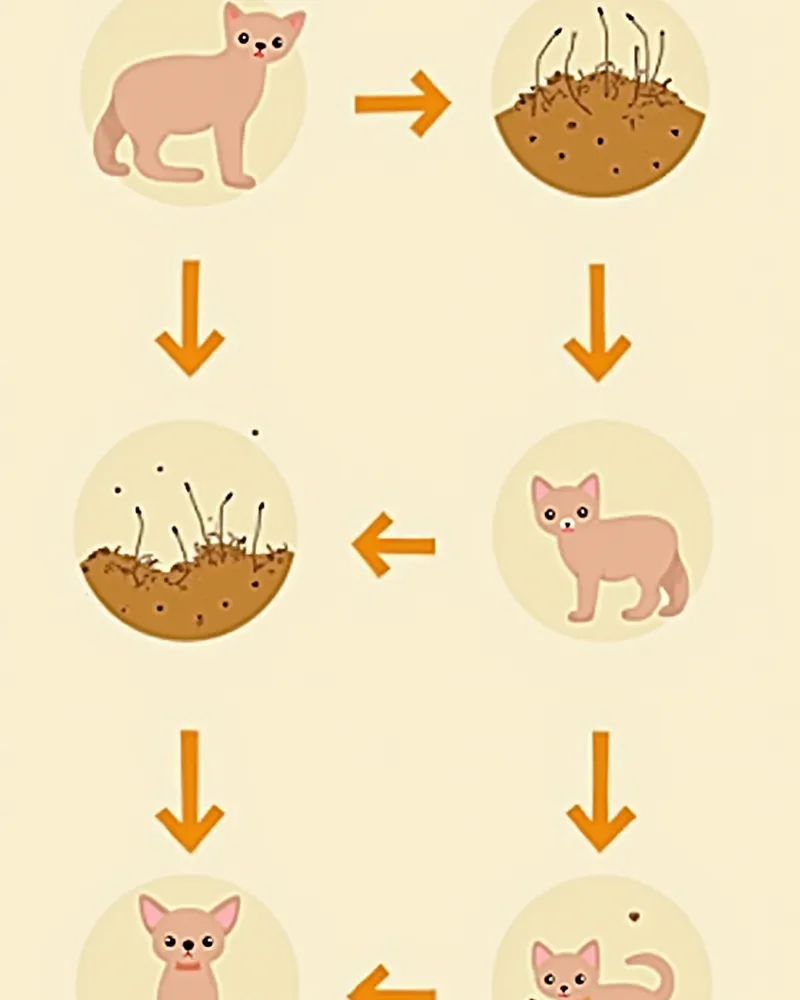
The most common parasites that cats can transmit to humans include Toxoplasma, roundworms, Giardia, hookworms (Ancylostoma), and Dipylidium (tapeworms). Toxoplasma is transmitted through soil, water, or food contaminated with oocysts from cat feces, as well as through undercooked meat. Roundworm infection occurs when eggs from contaminated soil get on the hands and are ingested. Giardia can be contracted through contaminated water or food, while hookworms penetrate directly through the skin. Dipylidium is transmitted when an infected flea is accidentally swallowed. Among these, Toxoplasma is the primary concern during pregnancy due to its potential for causing severe effects on the fetus, whereas the other parasites typically cause gastrointestinal or skin symptoms.
A diagram showing the transmission routes of feline parasites to humans

Main symptoms in infected individuals and at-risk groups
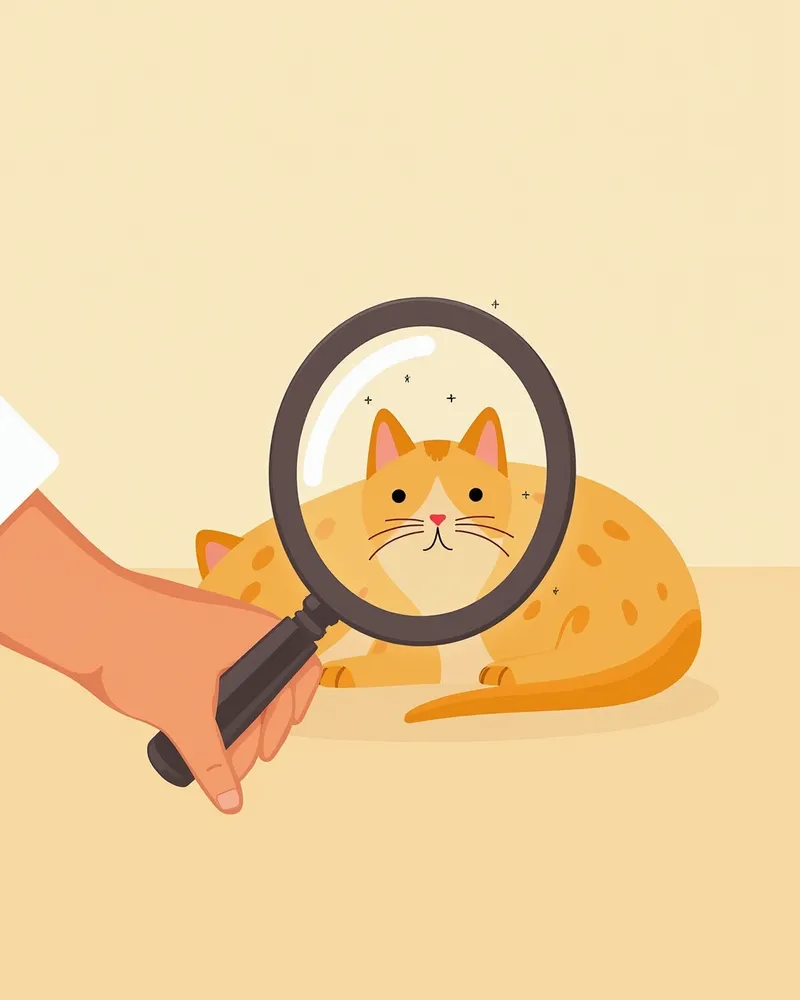
Zoonotic parasitic infections may initially present with no symptoms or only mild, cold-like signs such as fever, lethargy, and swollen lymph nodes. However, they can lead to serious complications in immunocompromised individuals, particularly pregnant women, children, and those with weakened immune systems. Toxoplasma can cause encephalitis, and infection during pregnancy may result in miscarriage, stillbirth, or congenital malformations. Intestinal parasites such as roundworms can lead to gastrointestinal issues or organ dysfunction. Because it is difficult to determine whether an infection has occurred before symptoms appear, prevention is paramount.
An image of a hand magnifying parasites on a cat's fur

Pregnant pet owners should visit a veterinary clinic immediately

If you are pregnant and experience fever, muscle aches, headaches, or fatigue after contact with your cat, please visit a hospital immediately. Toxoplasmosis can have serious effects on the fetus, so early diagnosis and treatment are essential. Be especially cautious if you have handled your cat’s feces directly or failed to wash your hands after touching soil.

Key prevention methods to reduce the risk of infection

To reduce the risk of zoonotic parasitic infections from cats, regular deworming and veterinary check-ups are essential. - Deworming: Administer deworming medication consistently on the schedule recommended by your veterinarian. Clean up your cat’s feces daily and always wash your hands thoroughly with soap. - Indoor Living: Keeping your cat indoors significantly lowers the risk of infection. - Wear Gloves: Wear gloves when cleaning up feces and wash them immediately after use. - Food Hygiene: Always wash any food or cooking utensils that your cat has touched. Preventing infection starts with daily habits.
An image of a person wearing gloves while cleaning a cat's litter box.

Comparison of response methods by level of parasitic infection risk

ItemRisk LevelRoute of InfectionMain PreventionResponse upon Infection
LowIndoor life, regular medication, cat does not go outdoorsLow risk of contact infectionDaily litter box cleaning, hand washing, hygiene management when feedingRegular check-ups are sufficient
ModerateSome outdoor activity, insufficient medication, possibility of outside contactContact with soil, feces, fleas, contaminated water or foodWear gloves, strengthen medication, clean fur, manage water hygieneIf suspected, perform a blood test and seek medical consultation
HighContact with pregnant women, no medication administered, record of flea exposureDirect contact with feces, possible ingestion of infected fleasImmediate medication and hospital visit, block the route of infectionSeek immediate veterinary care and begin treatment

The risk level varies depending on the cat's living environment and the owner's hygiene habits.

Practical tips for parasite prevention

Small daily habits make a big difference in reducing the risk of zoonotic parasitic infections from cats. - Litter box hygiene: Clean your cat’s litter box daily and wash your hands immediately afterward. Remove feces within 24 hours, and wear gloves when handling the litter. - Post-outdoor care: If your cat has been playing outside, wipe down its fur, and wash your hands right away if they come into contact with soil. - Feeding practices: Avoid feeding your cat directly from your hands; use a bowl instead. Skip raw meat or raw food, and offer cooked food instead. - Regular check-ups: Consult your veterinarian for routine parasite screenings. Adult cats are recommended to have fecal tests once or twice a year, and deworming medication should be administered at least four times a year. - Educating children: Teach children not to touch their cat’s feces or fur, and encourage regular handwashing. Be mindful to prevent them from handling soil contaminated by cats in play areas or with toys. Prevention starts with consistency.
An image of gently brushing a cat's fur with a soft brush

Caution is needed when children come into contact with cats

If children touch a cat’s feces or fur and don’t wash their hands afterward, the risk of parasitic infection increases. It’s best to avoid activities like petting the cat during play, touching its fur or soil, or handling its feces. Pet owners should explain the risks of parasitic infections to children and teach them proper handwashing and hygiene habits. It’s important to always wash hands and face thoroughly after outdoor activities.

Reviewed by a veterinarian

Dr. Tony — Punnawat Phongkittirak

Dr. Tony — Punnawat Phongkittirak

Veterinarian

A veterinarian who majored in veterinary medicine at Khon Kaen University, Thailand, and completed the IVSA program at North Carolina State University in the United States. Drawing on clinical experience at animal hospitals, he works in the pet healthcare field and is dedicated to building a digital care environment that connects pet parents with veterinarians.

Frequently Asked Questions

Can cat parasites be transmitted to humans?
Yes, parasites such as Toxoplasma, roundworms, Giardia, hookworms, and Dipylidium can be transmitted from cats to humans. They pose a particular risk to pregnant women, children, and immunocompromised individuals.
How can I tell if my pet has a parasitic infection?
In the early stages, there may be no symptoms or they may resemble a common cold. Infection can be confirmed through fecal tests (microscopic examination), blood and antibody tests, and imaging studies.
How should I prevent parasites?
Regular deworming, daily litter box cleaning, handwashing, grooming your pet’s coat and washing your hands after outdoor activities, and flea prevention are all important.
Is it safe to keep a cat while pregnant?
While it is possible, you should never touch your cat’s feces directly and must always wash your hands afterward. Regular veterinary check-ups and strict hygiene are essential due to the risk of infection. Pregnant women should avoid cleaning the litter box or wear gloves when doing so.
Do indoor cats still need parasite medication?
Even if your cat lives indoors, there’s still a risk of parasitic infection, so regular deworming is essential. It’s important to follow your veterinarian’s recommended schedule. For adult cats, fecal testing is advised one to two times per year, and deworming medication should generally be administered at least four times a year.

Share

Related Guides

References

[1] The Cat, Clinical Medicine and Management, 2nd Edition, 2018

[2] Clinical Medicine of the Dog and Cat, 4th Ed, 2020

[3] Small Animal Critical Care Medicine, 3rd Ed, 2019

This information is based on veterinary literature and does not replace diagnosis or treatment. Please consult a veterinarian for specific health concerns.

Metapet Co., Ltd. | CEO: Park Sung-yong | Business Reg. No. 417-88-02562 | Seoul, South Korea | Customer Center

Zoonotic Parasite Risks in Cats: Owner Checklist FAQ | Meongsiljang