Like
Share
멍실장
강아지 여행·이동 시 건강 관리 자주 묻는 질문 Q&A — 보호자가 꼭 알아야 할 핵심

Frequently Asked Questions on Health Management for Dogs During Travel and Transport — Key Essentials for Pet Owners

Lifestyle & Age CareQ&AMeongsiljang Veterinary Advisory Board

Traveling with your dog can be a joyful experience, but maintaining their health is essential. Here’s a summary of key questions and responses that every pet owner should know.

Health Management for Dogs During Travel and Transport is Essential

A puppy appearing calm and settled inside the car
Traveling with your dog can be a joyful experience, but you must never neglect their health. Stress from travel or changes in the environment can worsen existing conditions or trigger acute symptoms. - Health Check: Consult your veterinarian before departure to assess your dog’s health status and ensure vaccinations and deworming treatments are up to date. - Travel Essentials: Prepare necessary items in advance, including water, food, waste disposal supplies, emergency medications, and a travel crate. - Environmental Adaptation: Upon arriving at a new location, carefully observe your dog’s reactions and allow them to adjust gradually. - Observation Checklist: Monitor your dog’s appetite, bowel movements, activity level, and breathing closely for at least 24 hours. If you notice any abnormal signs, contact your veterinarian immediately.

Preparation Items to Check Before Travel
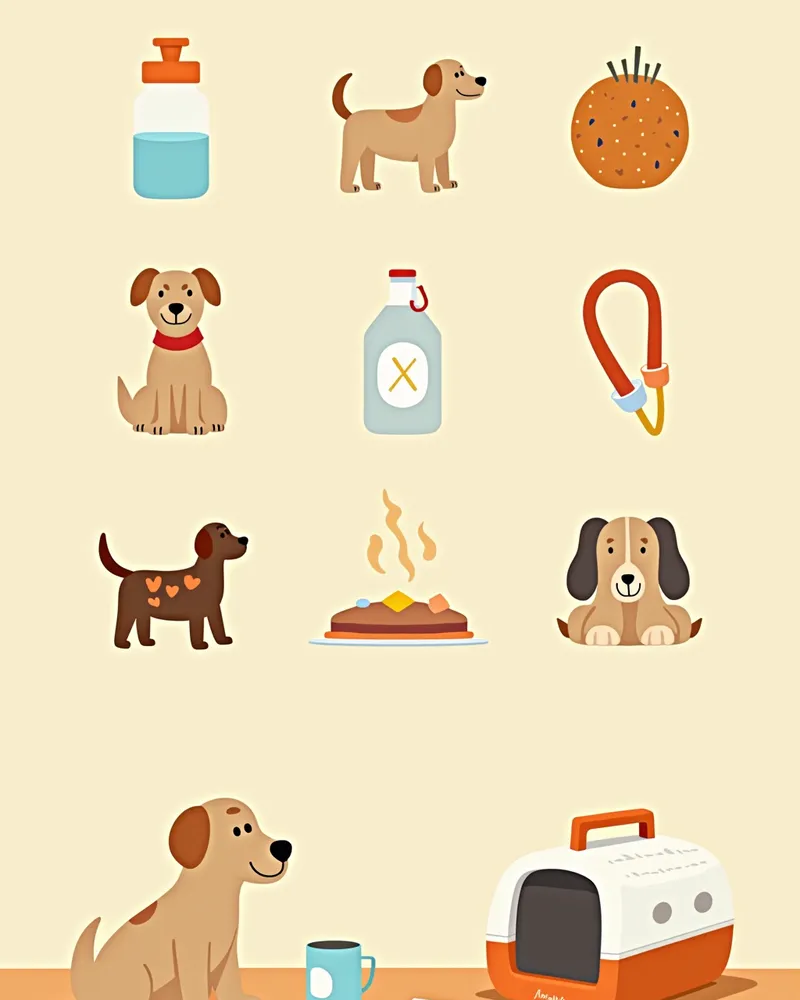
Before traveling with your dog, always have a veterinarian check their health status. - Check vaccination status: Work with your vet to confirm that all core vaccinations are up to date. Rabies vaccination is especially important for international or long-distance travel. The rabies vaccine should be administered after 12 weeks of age and completed at least 21 days before travel. Additionally, a veterinary health certificate is often required, which must typically be issued within 10 days of departure. - Check deworming status: Confirm that your dog has received regular deworming to prevent external and internal parasites. - Prepare a travel crate: Choose a crate that is the right size for your dog to feel secure, and include a comfortable mat. - Prepare water and food: For long trips, pack sufficient water and food in advance, and offer them regularly during travel. Avoid overfeeding and provide meals at appropriate intervals. - Carry emergency prescription medications: Always bring medications prescribed by your vet to handle vomiting, diarrhea, allergic reactions, and other emergencies. These preparations are the first step in ensuring your dog’s safety and health.
Puppy Travel Essentials Checklist

Health Issues That May Occur During Travel and How to Handle Them
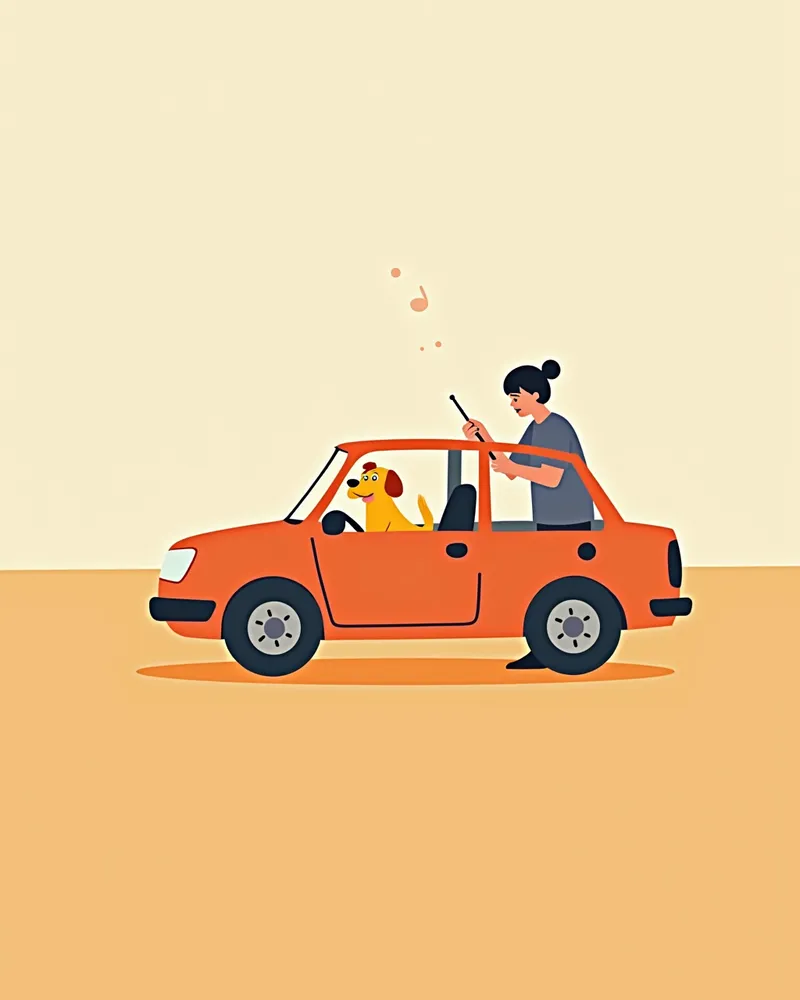
During travel, dogs may experience stress or environmental changes that can lead to symptoms such as vomiting, diarrhea, lethargy, or difficulty breathing. - Vomiting and diarrhea: These can occur if your dog eats or drinks too much during the journey, so offer food and water at appropriate intervals. - Lethargy: If your dog becomes less active due to tension or fatigue, allow them to rest in a quiet space. - Difficulty breathing: Ensure proper ventilation inside the carrier and avoid excessive temperature changes. - Abnormal behavior: If your dog suddenly starts barking, trembling, closing their eyes, or collapsing, stop the journey immediately and let them rest. - Emergency response: If severe symptoms persist, contact a nearby veterinary clinic or stop the journey right away. Continuous monitoring is essential throughout the trip.
Your dog appears anxious in the car.

Comparison of Preparation Tips by Mode of Transport

ItemCar TravelTrain/BusAirplane
Travel TimeLong distances possibleLimited to medium distancesLimited to short distances
Stress LevelLowMediumHigh
Items to PrepareTravel carrier, water, snacksTravel carrier, ID tagAirline regulation check, carrier, ID
Emergency Response FeasibilityHighMediumLow

For air travel, be sure to check the airline's regulations and your dog's condition.

Criteria for Immediate Veterinary Visit in Case of Emergency
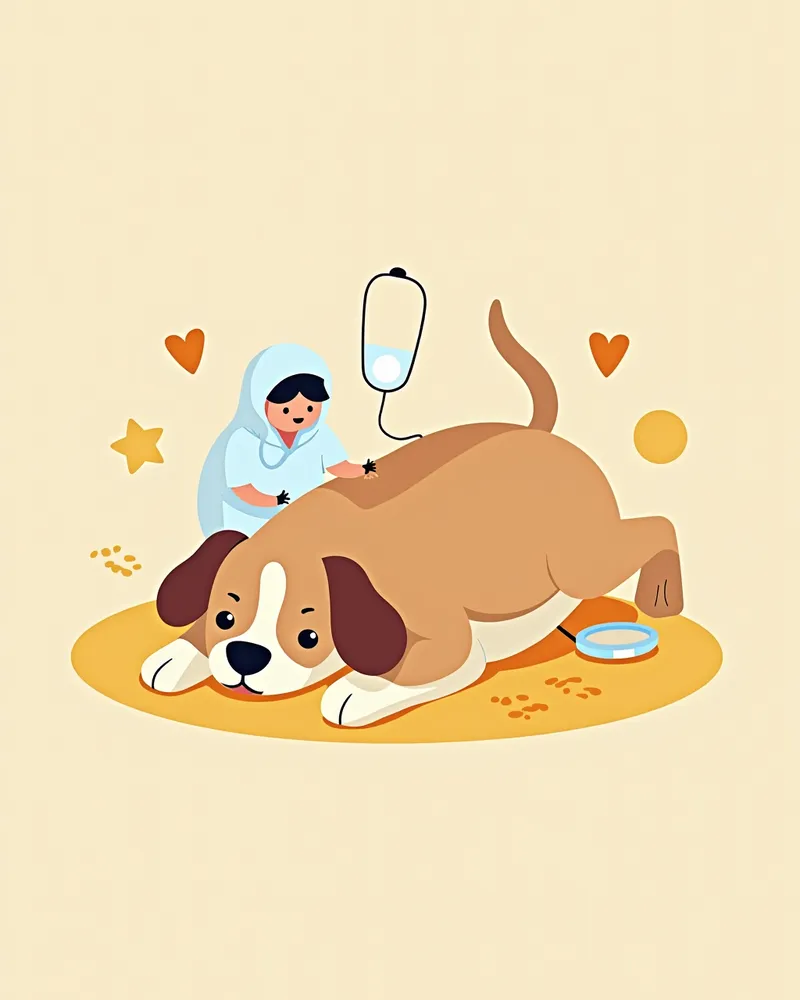
If your dog is experiencing difficulty breathing, persistent vomiting or diarrhea, loss of consciousness, or severe seizures, seek veterinary care immediately. - Difficulty breathing: If your dog is panting heavily or breathing with its mouth open, immediate veterinary attention is required. - Persistent vomiting or diarrhea: Repeated episodes lasting more than two hours or the presence of blood in the stool are warning signs. - Loss of consciousness: If your dog is unresponsive or cannot be awakened, this can be life-threatening. - Severe seizures: If your dog is trembling, convulsing uncontrollably, or rolling over involuntarily, prompt action is necessary. - Advanced age or underlying conditions: Dogs with pre-existing conditions are more prone to symptom deterioration, so monitor them closely. Keep your dog in a stable position and seek help as quickly as possible, even before arriving at the clinic.
A veterinarian checking a puppy's condition

Signs Requiring Immediate Veterinary Visit in Case of Emergency

If your pet experiences difficulty breathing, persistent vomiting or diarrhea, loss of consciousness, or severe seizures, seek veterinary care immediately. These are life-threatening emergencies.

Post-Travel Care and Recovery Checkpoints

After a long-distance trip, carefully monitor your dog’s condition for at least 24 hours. - Appetite: If your dog refuses to eat or only takes a few bites, try to identify the cause. - Elimination: Check the frequency and consistency of bowel movements. If constipation or diarrhea persists, consult your veterinarian. - Activity Level: If your dog is less active than usual or seems prone to collapsing, they may be severely fatigued. - Breathing: If you notice rapid breathing or panting, consider the possibility of heart or lung issues. - Rest: Allow your dog plenty of rest after travel and avoid strenuous activity. - Veterinary Consultation: If you notice any abnormal signs or have concerns, consult your veterinarian. Recovery after travel takes time, so please be patient and keep a close watch.
A puppy resting comfortably after a trip.

Reviewed by a veterinarian

Dr. Tony — Punnawat Phongkittirak

Dr. Tony — Punnawat Phongkittirak

Veterinarian

A veterinarian who majored in veterinary medicine at Khon Kaen University, Thailand, and completed the IVSA program at North Carolina State University in the United States. Drawing on clinical experience at animal hospitals, he works in the pet healthcare field and is dedicated to building a digital care environment that connects pet parents with veterinarians.

Frequently Asked Questions

When should I get my puppy’s vaccinations before traveling?
Rabies vaccines should be administered after 12 weeks of age and completed at least 21 days before travel. Additionally, a veterinary health certificate is often required, so please consult with your veterinarian in advance before traveling.
Can dogs experience stress when boarding an airplane?
Yes, long-haul flights can be particularly stressful. Be sure to check the airline’s regulations and your dog’s health status beforehand.
When is the best time to give treats during travel?
During travel, avoid giving excessive treats and instead offer them in small amounts. Prioritize keeping your pet well-hydrated.
What should I do if my dog vomits during a car ride?
Stop moving immediately and observe your pet in a calm, stable environment. If symptoms persist, a veterinary visit is necessary.
What should I do if my dog becomes lethargic after traveling?
Monitor your pet for at least 24 hours, keeping an eye on their appetite, bowel movements, and activity level. If you notice any abnormalities, consult your veterinarian.

Share

Related Guides

References

[1] The Dog Care Handbook, Things I Wish My Vet Had Told Me, 2023

[2] BSAVA Manual of Canine and Feline Dermatology, 4th Ed, 2020

[3] Plumb's Veterinary Drug Handbook, 9th Ed, 2021

This information is based on veterinary literature and does not replace diagnosis or treatment. Please consult a veterinarian for specific health concerns.

Metapet Co., Ltd. | CEO: Park Sung-yong | Business Reg. No. 417-88-02562 | Seoul, South Korea | Customer Center

5 Essential Health Questions for Dog Travel and Transport | Meongsiljang