Like
Share
멍실장
강아지 사회화 적기(생후 3~14주) 자주 묻는 질문 Q&A — 보호자가 꼭 알아야 할 핵심

Frequently Asked Questions (FAQ) on the Critical Socialization Period for Puppies (3–14 Weeks of Age) — Key Information Every Pet Owner Must Know

Lifestyle & Age CareQ&AMeongsiljang Veterinary Advisory Board

The critical window for puppy socialization is between 3 and 14 weeks of age, as experiences during this period significantly shape an adult dog’s behavior and emotional well-being. Here’s a summary of the key information every pet owner should know.

The Critical Socialization Period for Puppies Is Between 3 and 14 Weeks of Age
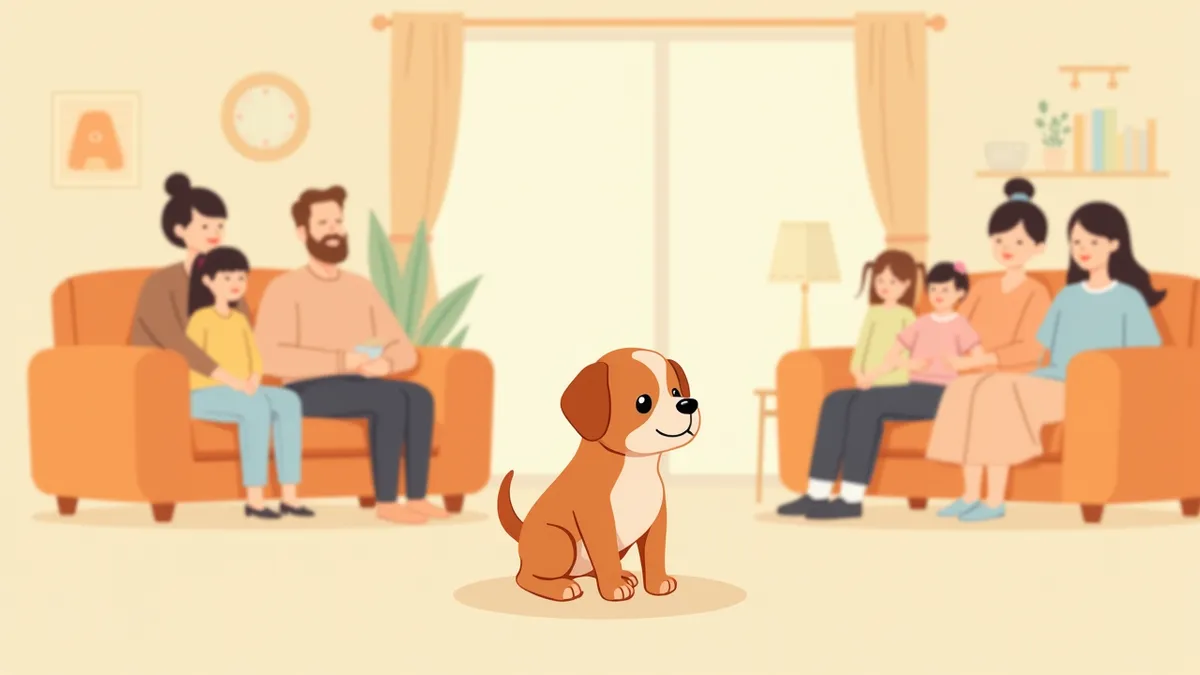
A dog sitting quietly indoors among people of various ages
The critical window for puppy socialization is between 3 and 14 weeks of age, a pivotal period that profoundly shapes an adult dog’s behavior and emotional development. - Socialization Sensitive Period: The brain is highly plastic, allowing puppies to naturally adapt to new stimuli. - Building Positive Experiences: Repeated, appropriate exposure guided by the owner helps establish stable social skills. - Preventing Fear: Insufficient stimulation during this time can lead to aggression or hypersensitivity later in life. - Safe Exposure: Introduce stimuli gradually and in stages, carefully monitoring the puppy’s reactions. - Long-Term Impact: Experiences during this window influence behavioral patterns for the rest of the dog’s life.

Why Are 3 to 14 Weeks Important?

This is the “critical socialization period,” when a puppy’s brain is most sensitive to development. - Sensory Development: Toward the end of the neonatal period and into the transitional period, a puppy’s newly opened eyes and ears rapidly heighten their senses, making them more responsive to their surroundings. - Bonding: The bond with their caregiver strengthens, helping the puppy feel secure. - Optimal Learning Window: This is the ideal time for puppies to naturally learn how to interact with other dogs and people. - Preventing Fear Fixation: If this period is missed, fear responses can become deeply ingrained, and the puppy will struggle to overcome these fears on their own. - Preventing Behavioral Issues: Without appropriate stimulation, adult dogs may develop fear, aggression, or anxiety toward unfamiliar people or situations.
A close-up shot of the moment a puppy’s eyes first open.

What Does Socialization Include?

Dog socialization is the process of allowing your puppy to safely and gradually experience a variety of stimuli. - Different people: Exposure to people of various ages, genders, and appearances is essential. - Other dogs: Positive encounters with dogs of different sizes and temperaments are important. - Environmental stimuli: This includes cars, bicycles, noises, various floor surfaces, fur, and smells. - Observing reactions: Carefully monitor your puppy’s facial expressions and body language to ensure you don’t miss any signs of stress. - Appropriate pace: Moving too quickly can actually instill fear. - Repetitive learning: Build positive memories by repeating small successes.
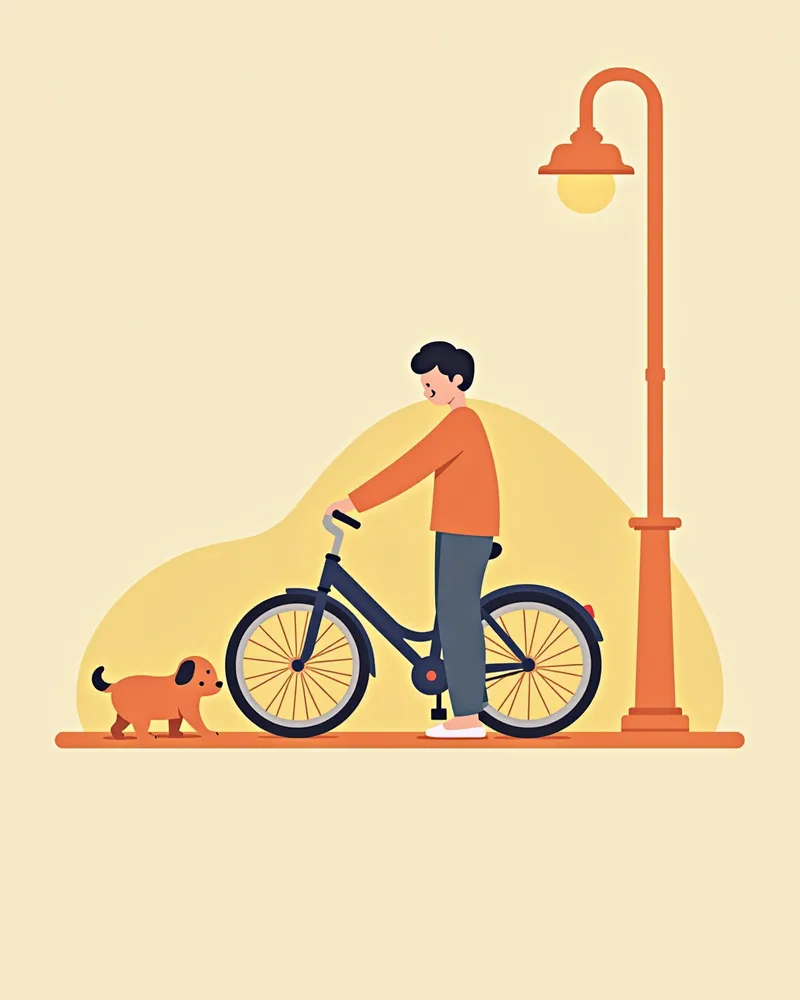
A dog carefully holding a bicycle and a person smiling next to it

Key Goals and Methods for Each Stage of Socialization

ItemMain GoalRecommended Method
3–6 weeksForming a bond with the motherGentle touch, vocal stimulation, light contact
7–10 weeksContact with various peopleBrief encounters with people of various ages, positive reinforcement
11–14 weeksExperiencing various environmentsObserving city noise, vehicles, parks, and other dogs from a distance

Socialization should be paced according to the puppy's reactions. Stop immediately at signs of stress.

What to Do If You Miss the Socialization Window
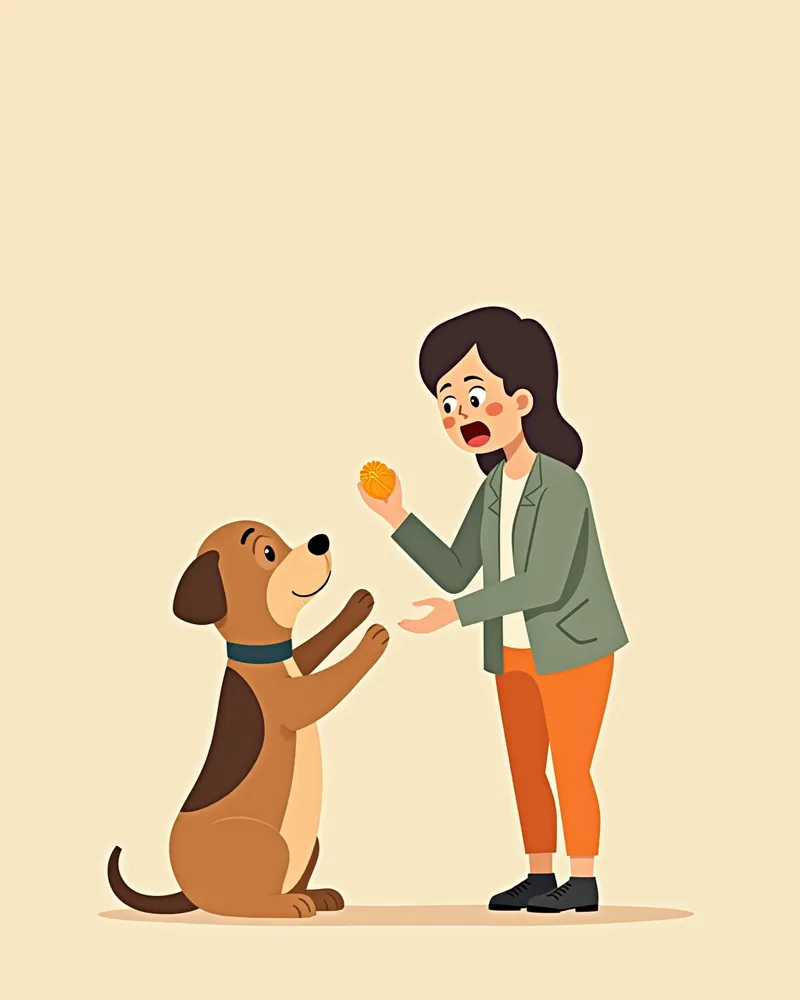
Missing the critical socialization window doesn’t mean you should lose hope. - Adult dogs can still learn: Adult dogs can also be socialized, provided the process is slow and careful. - Seek professional guidance: Working with a veterinary behaviorist or a certified trainer is the most effective approach. - Never force interactions: Ignoring your dog’s fear or forcing exposure can deepen their trauma. - Repeat positive experiences: Build positive associations by repeatedly reinforcing small successes. - Take your time: Even just 5 to 10 minutes a day is sufficient; consistency is key. - The value of patience: The most important thing you can do is wait until your dog is ready.
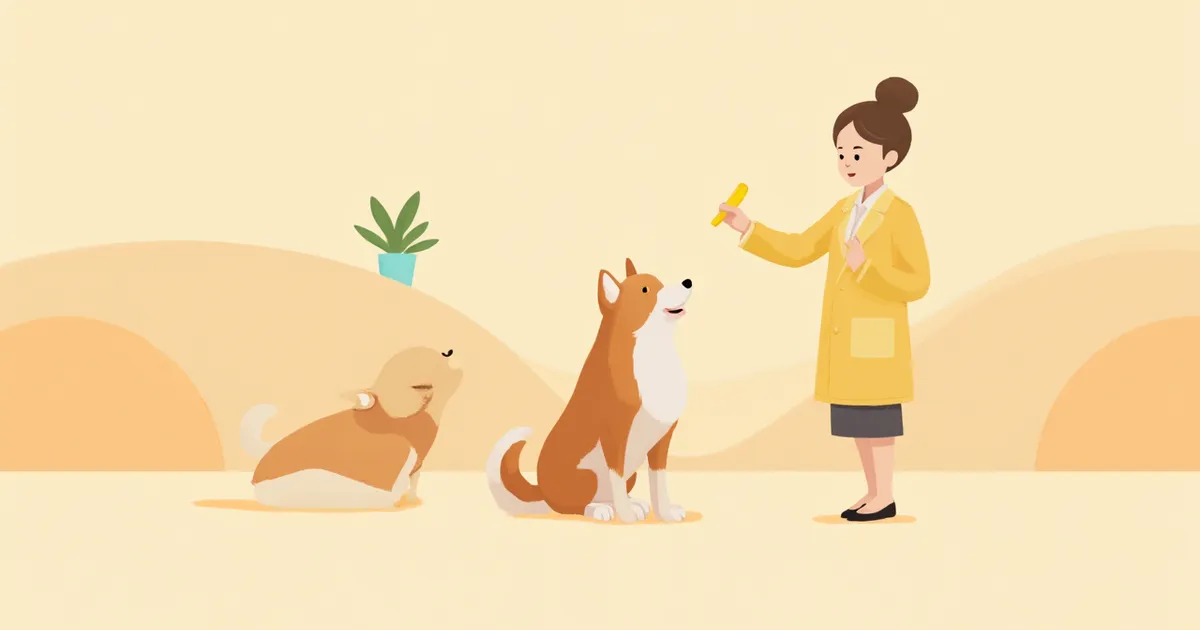
A scene where a therapist guides a fearful dog using therapeutic treats and a calm, soothing voice.

Socialization Can Cause Stress in Puppies

Socialization is all about creating positive experiences, but excessive or forced stimulation can cause stress. Ears pinned back, a tucked tail, hiding, or trying to escape are all signs of stress. If you notice these behaviors, stop the stimulation immediately and move your pet to a safe, comfortable space.

5 Practical Tips for Socialization

- Prepare a safe environment: Start in your home or a quiet yard. - Proceed in small steps: Expose your dog to only one stimulus per day. - Use positive reinforcement: Encourage good responses with treats and praise. - Observe reactions closely: Carefully watch your dog’s facial expressions and body language. - Allow plenty of time: Even 5–10 minutes a day is sufficient. Consistency is key. - Maintain regular exposure: Build confidence through consistent, repeated experiences.
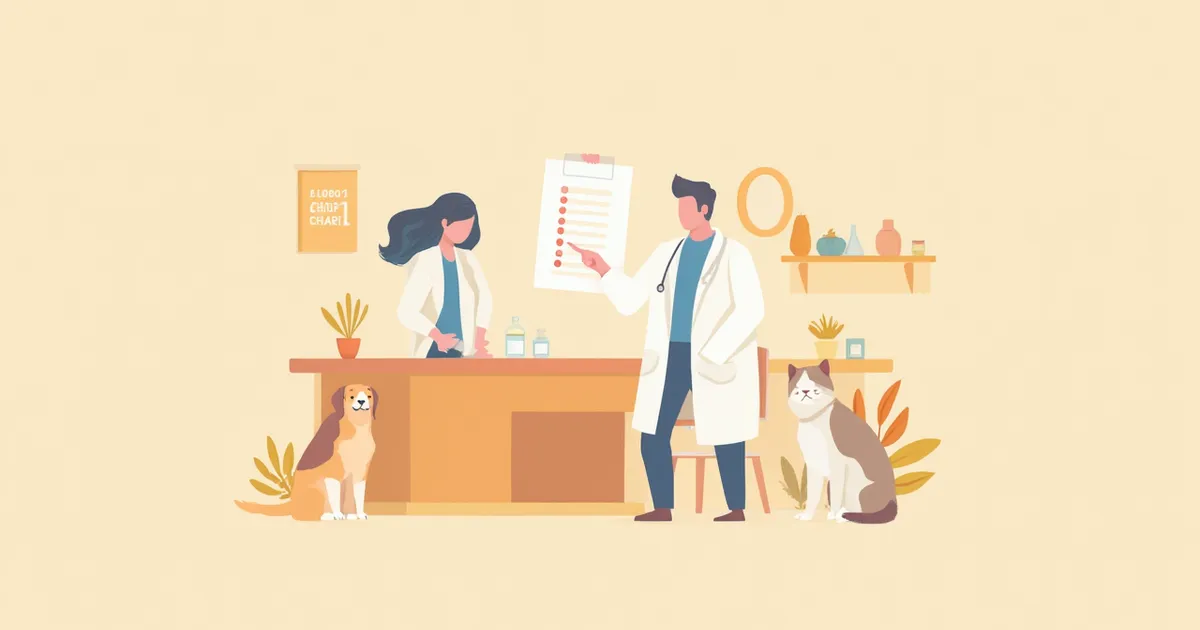
A checklist with five socialization tips

Reviewed by a veterinarian

Dr. Tony — Punnawat Phongkittirak

Dr. Tony — Punnawat Phongkittirak

Veterinarian

A veterinarian who majored in veterinary medicine at Khon Kaen University, Thailand, and completed the IVSA program at North Carolina State University in the United States. Drawing on clinical experience at animal hospitals, he works in the pet healthcare field and is dedicated to building a digital care environment that connects pet parents with veterinarians.

Frequently Asked Questions

Is it okay to start socializing my pet at 3 weeks old?
From three weeks of age, puppies begin forming bonds with their mothers, so gentle touch and vocal stimulation are appropriate. However, it is safest to wait until they are six weeks old before introducing them to other dogs or people.
Does socializing make puppies more dangerous?
No. Socialization helps puppies better understand the world around them and reduces unnecessary fear. The risk arises when stimuli are forced upon them.
Is it still possible to socialize my pet after 14 weeks of age?
Yes, it is possible. However, the process needs to be slower and more cautious. For adult dogs, socialization is most effective when guided by a professional.
Is it okay for my dog to play with other dogs?
Once your puppy has completed its vaccination series, it can safely participate in professional socialization classes or interact with other dogs in a healthy environment. However, if the vaccinations are not yet complete, there is a risk of infection, so caution is necessary.
What problems can arise if socialization is not done?
Your pet may exhibit fear, aggression, excessive barking, or avoidance behaviors, especially reacting strongly to unfamiliar people or environments.

Share

Related Guides

References

[1] Houpt, K. A. (2018). Canine Behavior: A Guide for Veterinarians. Elsevier.

[2] Serpell, J. A. (2017). The Domestic Dog: Its Evolution, Behaviour and Interactions with People. Cambridge University Press.

[3] Veterinary Guide to Preventing Behavior Problems in Dogs and Cats (2023). American Veterinary Medical Association.

This information is based on veterinary literature and does not replace diagnosis or treatment. Please consult a veterinarian for specific health concerns.

Metapet Co., Ltd. | CEO: Park Sung-yong | Business Reg. No. 417-88-02562 | Seoul, South Korea | Customer Center

Puppy Socialization (3–14 Weeks): 5 FAQs for Owners | Meongsiljang