Like
Share
멍실장
강아지 촌충(테이프웜) 자주 묻는 질문 Q&A — 보호자가 꼭 알아야 할 핵심

Dog Tapeworm FAQs — Key Information Every Owner Must Know

Infection/ParasitesQ&AMeongsiljang Veterinary Advisory Board

Tapeworms in dogs are primarily transmitted through flea infestations, and treatment is possible with praziquantel-based medications. Be mindful of the risk of reinfection.

What Are Dog Tapeworms?
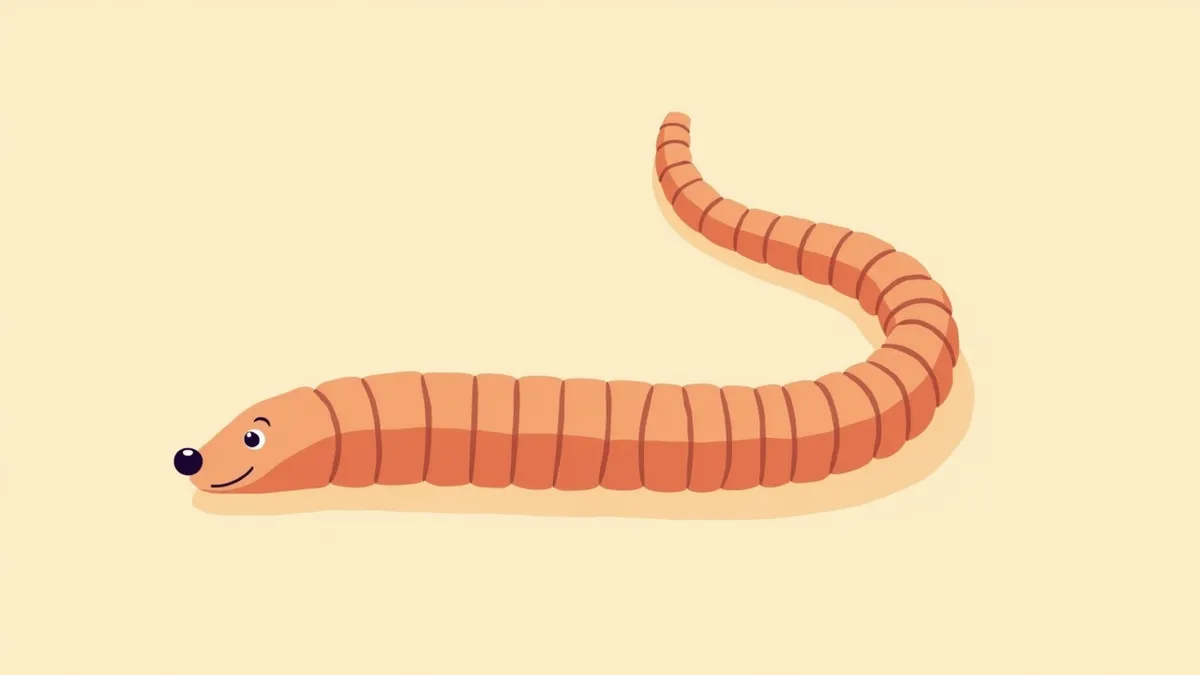
Diagram of the structure of tapeworms parasitizing a dog's small intestine
Tapeworms in dogs are parasitic infections primarily caused by Dipylidium caninum and Taenia taeniaeformis. - Tapeworms: These parasites reside in the small intestine and grow into long, white, ribbon-like structures. Adult worms consist of multiple segments (proglottids) linked together and can grow quite long. - Transmission: The main cause of infection is when dogs ingest fleas, which serve as intermediate hosts for Dipylidium caninum. Fleas carry the larval stage of Dipylidium caninum (cysticercoids), so dogs become infected by swallowing them. This is especially common in puppies that swallow fleas while licking or grooming themselves. Frequent exposure to environments with many fleas, such as lawns or backyards, also increases the risk. Infections often occur when owners do not closely monitor their pets. - Symptoms: You may notice white fragments in your dog’s stool, which are proglottids that have detached from the worm. Your dog might also rub or scratch its anal area on hard surfaces. - Precautions: While symptoms are often mild or absent, signs such as diarrhea, decreased appetite, weight loss, and a dull coat can occur. If you suspect an infection, it’s best to seek diagnosis and treatment.

Why Do Dogs Get Tapeworms?

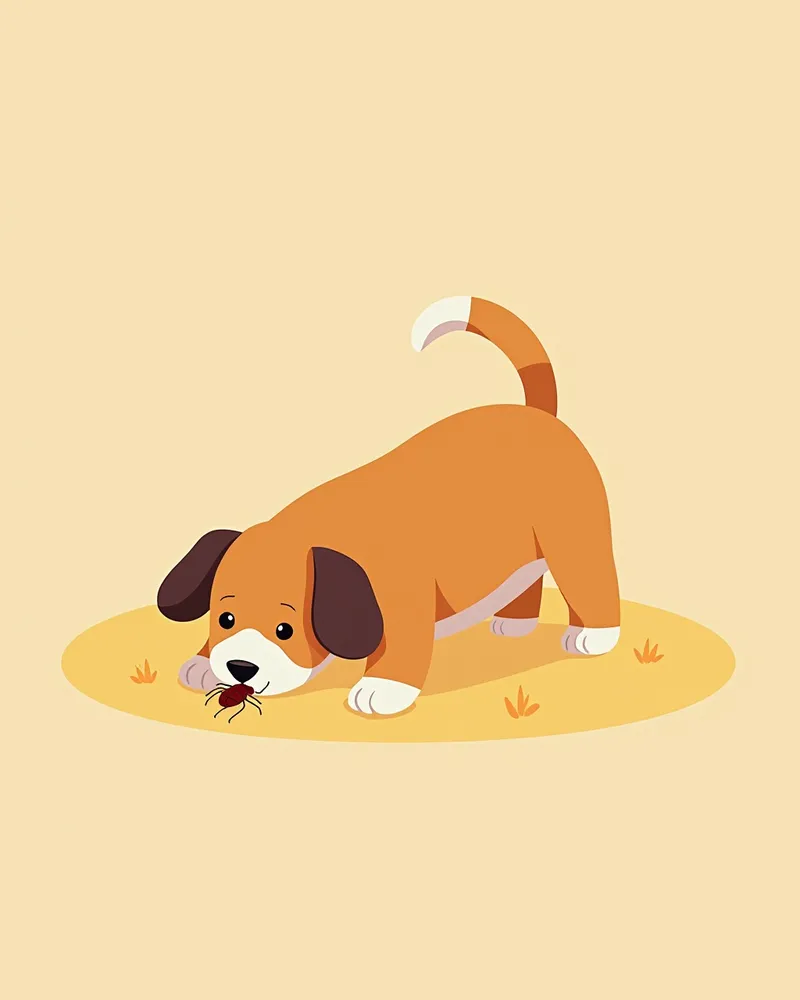
The most common cause of tapeworm infection in dogs is ingesting fleas. Fleas carry the larvae (cysticercoids) of Dipylidium caninum. When a dog licks or grooms itself and accidentally swallows a flea, the larvae reach the small intestine and develop into adult tapeworms. Puppies are especially prone to swallowing fleas while playing or grooming. Additionally, frequent exposure to environments with high flea populations, such as lawns and backyards, increases the risk. Infections often occur when owners fail to closely monitor their pets.
A puppy licking a snake worm

What Are the Main Symptoms of Tapeworm Infection?
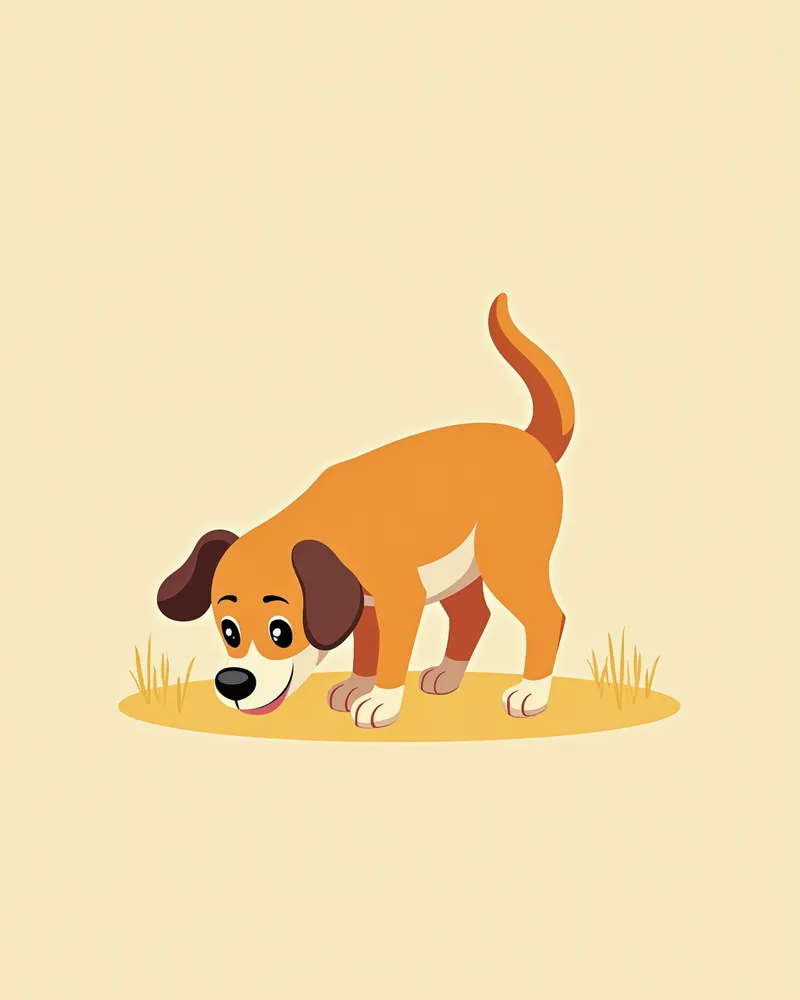
The most common sign of tapeworm infection in dogs is the presence of small, white, rice-like segments in the stool. These are proglottids—segments that have detached from the worm—and often resemble grains of cooked rice. Your dog may also scratch around the anus or drag its hindquarters along the floor, a behavior known as scooting. In severe cases, symptoms can include weight loss, decreased appetite, diarrhea, and abdominal bloating. However, because symptoms are often mild, many pet owners overlook them. Early detection is key.
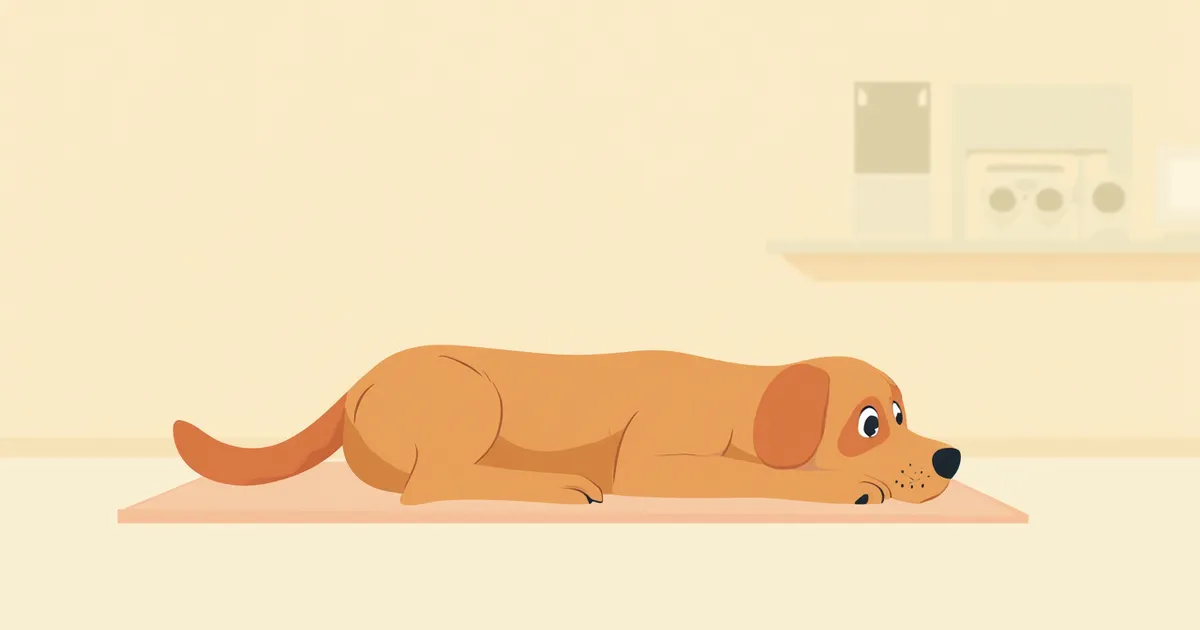
A puppy scratching around its anus

Signs That Require Immediate Veterinary Visit

If your dog repeatedly scratches around the anus, drags its hindquarters on the floor, or frequently passes white, rice-like segments during defecation, consult a veterinarian. Prompt veterinary care is especially important if you notice weight loss, loss of appetite, or persistent diarrhea. Tapeworms can absorb nutrients from the intestines, so long-term infections may impact your dog’s health. Additionally, repeated ingestion of fleas significantly increases the risk of reinfection.

Tapeworm Infection Stages, Symptoms, and Management

ItemMain SymptomsManagement
MildBegins scratching the anusSmall white segments observed in the stool
ModerateRepeated scratching, weight lossTake praziquantel-based medication
SevereNo appetite, abdominal distensionVisit the clinic immediately; further testing needed

Treating the infection in its early stages leads to faster recovery and reduces the risk of reinfection. Also, flea control is the key to prevention.

How Is Treatment Performed?

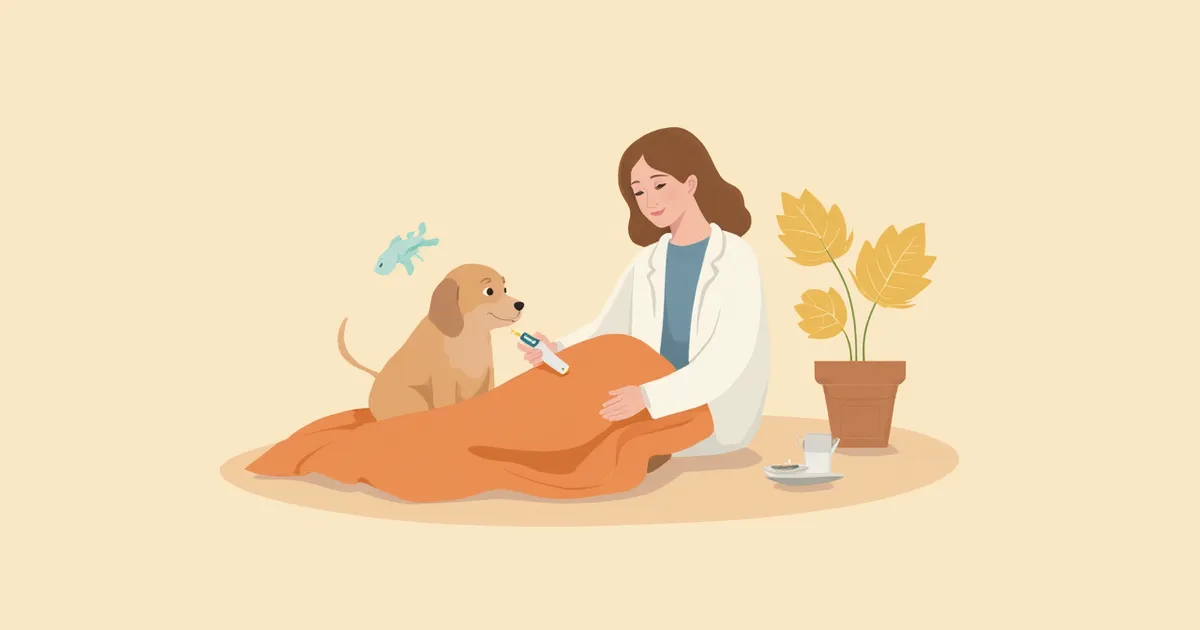
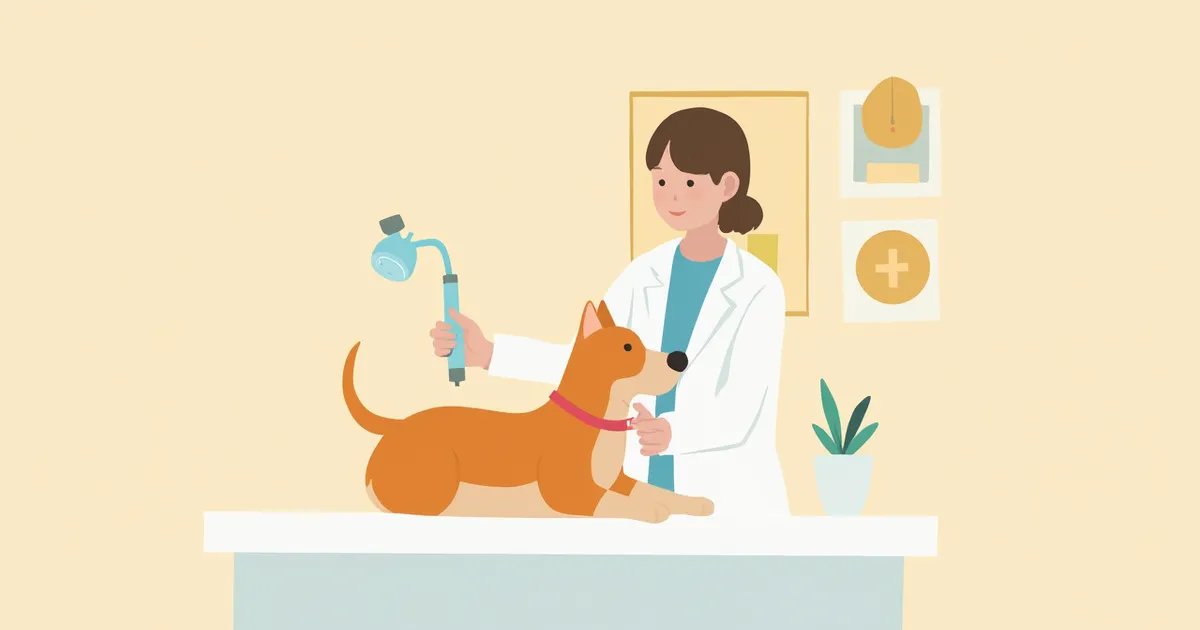
Tapeworm treatment is carried out with praziquantel-based medications. - Praziquantel: This medication effectively eliminates both immature stages and adult worms. Worm fragments may appear in the stool within 1–2 days after administration. - Administration: Your veterinarian will determine the appropriate dosage based on your pet’s weight. Various products are available, such as Drontal Plus and Drontcat. - Treatment Duration: A single dose is usually sufficient, but follow-up testing is recommended to prevent reinfection. Most importantly, if the source of infection (fleas) is not eliminated, reinfection can occur. - Precautions: Temporary loss of appetite or vomiting may occur in dogs during medication. Always administer under professional veterinary guidance.
Combination Products: While praziquantel can be used alone, it is often combined with pyrantel pamoate, febantel, or other agents in combination products to provide broader deworming coverage.
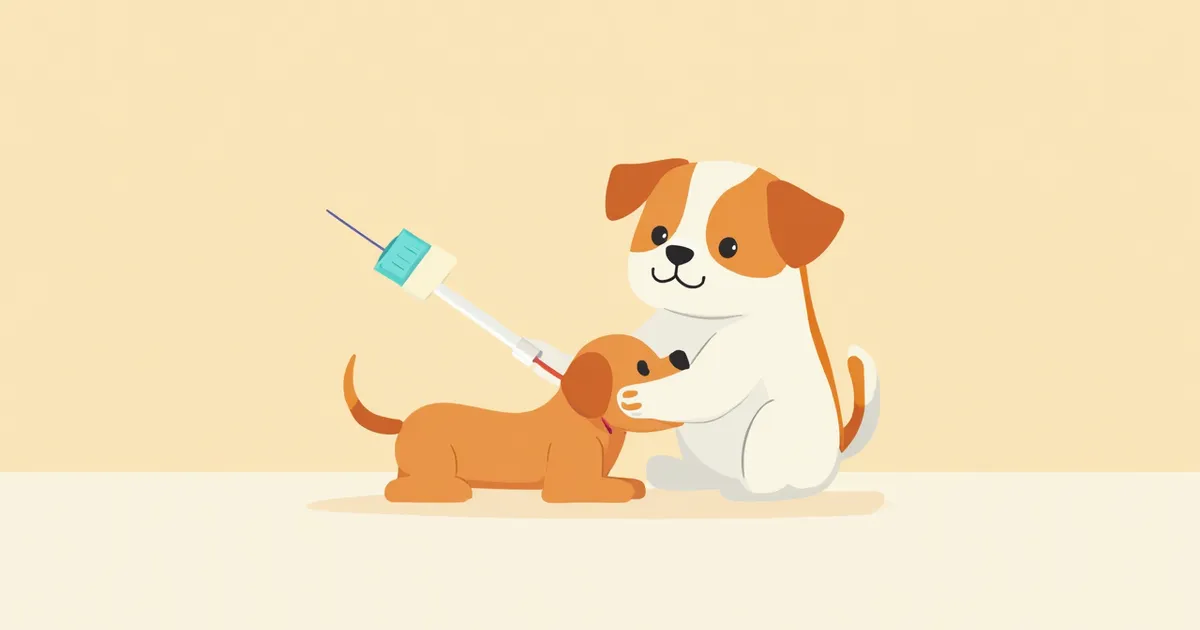
A veterinarian administering medication to a puppy.

Post-Treatment Care and Prevention Tips
After treatment, the key is proper care to prevent reinfection. - Flea prevention: Minimize your dog’s exposure to fleas when playing in the backyard or on grass. Regular use of flea control products is essential, and this should be combined with thorough environmental cleaning. - Environmental cleaning: Dispose of your dog’s feces immediately and frequently clean any contaminated areas. - If you also have a cat: Cats require flea management as well, since both pets are at risk of infection. The risk of contracting Taenia taeniaeformis is especially high if your cat enjoys hunting, as it may be exposed through rodents. - Preventive habits: Consistently manage fleas to prevent your dog from ingesting them while grooming or licking itself. Consistent care is the key to successful prevention.
A puppy walking in an environment free of hookworms.

Beware of Reinfection! Essential Flea Management

Even after tapeworm treatment, your dog can become reinfested if it continues to ingest fleas. To prevent this, keep the environment clean and use flea control products regularly. If you have cats as well, make sure they’re treated too. Prevention is just as important as treatment.

Reviewed by a veterinarian

Dr. Tony — Punnawat Phongkittirak

Dr. Tony — Punnawat Phongkittirak

Veterinarian

A veterinarian who majored in veterinary medicine at Khon Kaen University, Thailand, and completed the IVSA program at North Carolina State University in the United States. Drawing on clinical experience at animal hospitals, he works in the pet healthcare field and is dedicated to building a digital care environment that connects pet parents with veterinarians.

Frequently Asked Questions

Can dog tapworms be transmitted to humans?
Yes, it’s rare but possible. Children can become infected if they accidentally swallow fleas. Infection occurs when the larvae of Dipylidium caninum (cysticercoids) inside the fleas are ingested, and symptoms may include abdominal discomfort and pain, bloating, diarrhea, and anal itching. However, infection is uncommon, usually asymptomatic or mild, and can be prevented through thorough hygiene practices.
Can I easily get tapeworm medication at home?
This medication requires a veterinarian’s prescription. Self-prescribing can be dangerous, so please consult your vet before administering it to your pet.
Is it normal to see worm fragments in my pet’s stool after giving deworming medication?
Yes, that’s normal. When the medication kills the worms, their body segments (proglottids) may appear in the stool. This is a sign that the treatment is working.
How often should I use flea preventatives?
It is typically used once a month or as directed by your veterinarian. In environments with a high risk of flea infestation, more frequent application may be recommended, but always follow the specific label instructions for each product.
Should I take my dog to the vet right away if it swallowed a flea?
While an immediate vet visit isn't necessary, start using flea control products right away and consult your veterinarian afterward. It's important to check if your dog has ingested any fleas and take preventive measures.

Share

Related Guides

References

[1] The Veterinary Workbook of Small Animal Clinical Cases, Case 14, 2023

[2] Plumb's Veterinary Drug Handbook, 10th Edition, 2022

[3] Handbook of Veterinary Pharmacology, Anticestodal Drugs Section, 2021

This information is based on veterinary literature and does not replace diagnosis or treatment. Please consult a veterinarian for specific health concerns.

Metapet Co., Ltd. | CEO: Park Sung-yong | Business Reg. No. 417-88-02562 | Seoul, South Korea | Customer Center

Dog Tapeworms: FAQs, Causes, and Treatment | Meongsiljang