
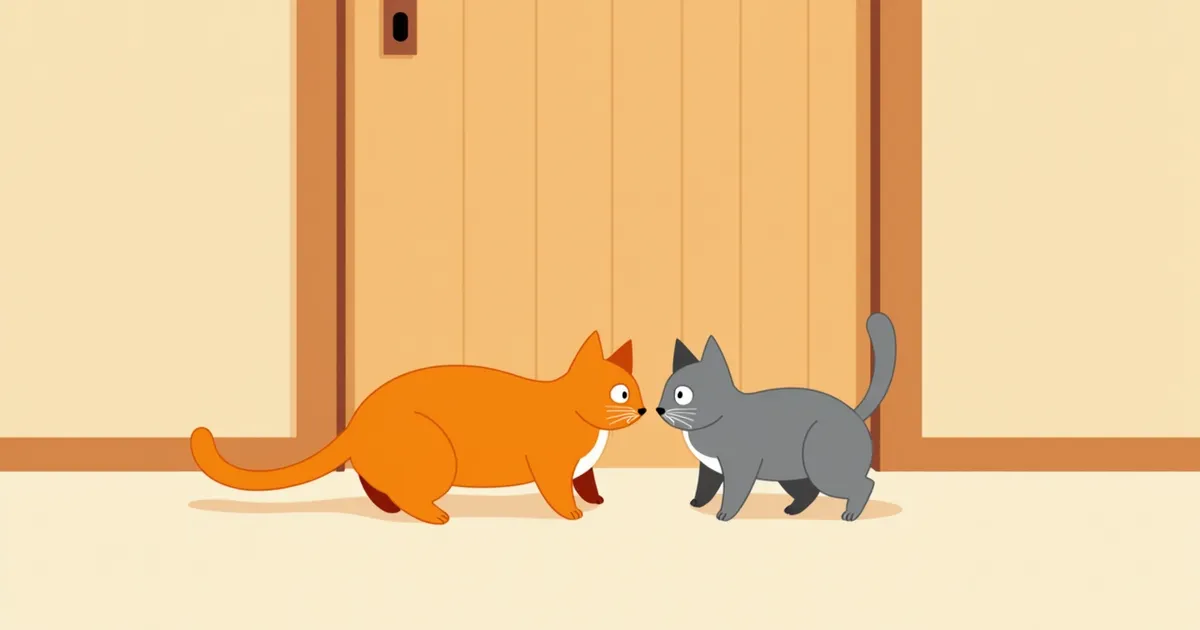
Why Cats Get Stressed When a New Pet Arrives — Key Q&A
We’ve compiled a Q&A guide on the stress responses cats may exhibit when a new animal or family member joins the household, along with step-by-step strategies to help them adjust.
What Is Stress from Introducing a New Cat to the Household?
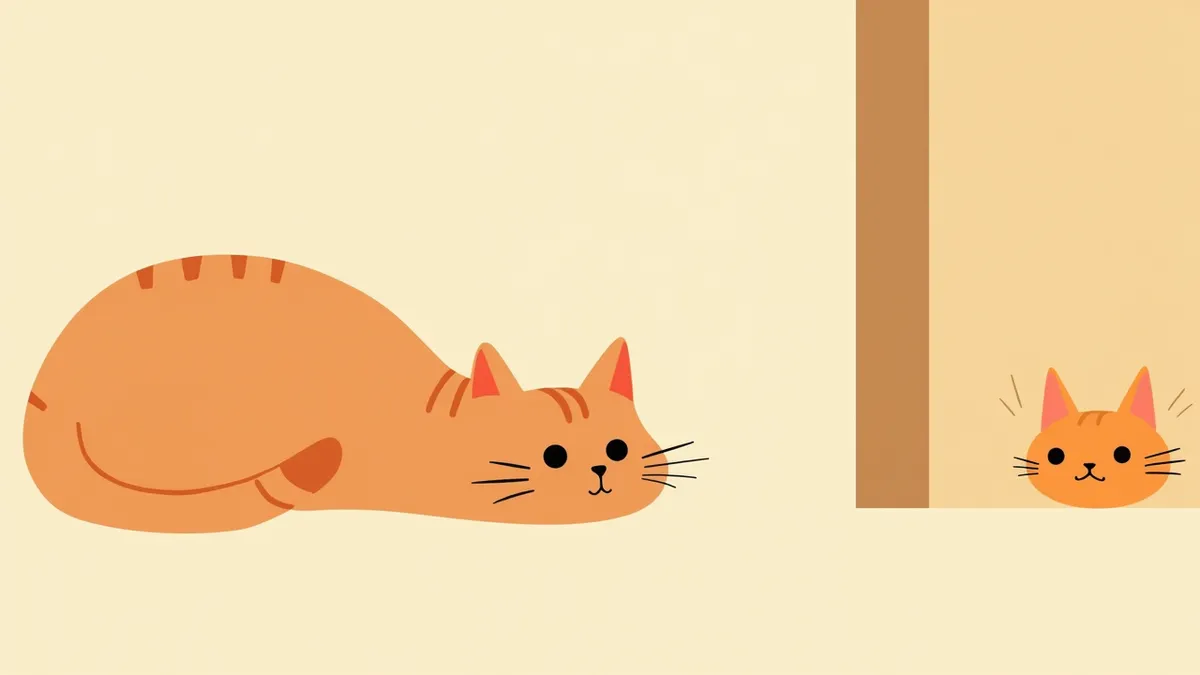
How to Recognize Stress Signals
Step-by-Step Introduction Protocol — How Many Weeks Are Needed?
| Item | Period | Key Actions | Signs of Success |
|---|---|---|---|
| Stage 1 — Complete Separation | 1–3 days | Give each their own space without scent exchange | Stable eating and drinking |
| Stage 2 — Scent Exchange | 3–7 days | Swap blankets and toys, exchange scents through the door gap | Reduced hissing |
| Stage 3 — Visual Contact | 1–2 weeks | Share brief sightlines across a safety gate or glass door | Passing by without wariness |
| Stage 4 — Direct Meeting | 2–4 weeks | Share the same space while giving treats, increasing by 3–5 minutes at a time | Nose greetings and peaceful coexistence |
Since individual differences are large, the key is not to rush the stages
How to Conduct the First Meeting to Reduce Fighting

When to Separate Them Immediately
If the cats engage in physical fights that cause injuries, if one cat refuses to eat for more than 48 hours, or if urine spraying persists throughout the home, it is necessary to revert to an earlier step or consult a veterinarian or a behavior specialist. Forcing the process can lead to entrenched aggression.
Supplementary Methods to Help Reduce Stress
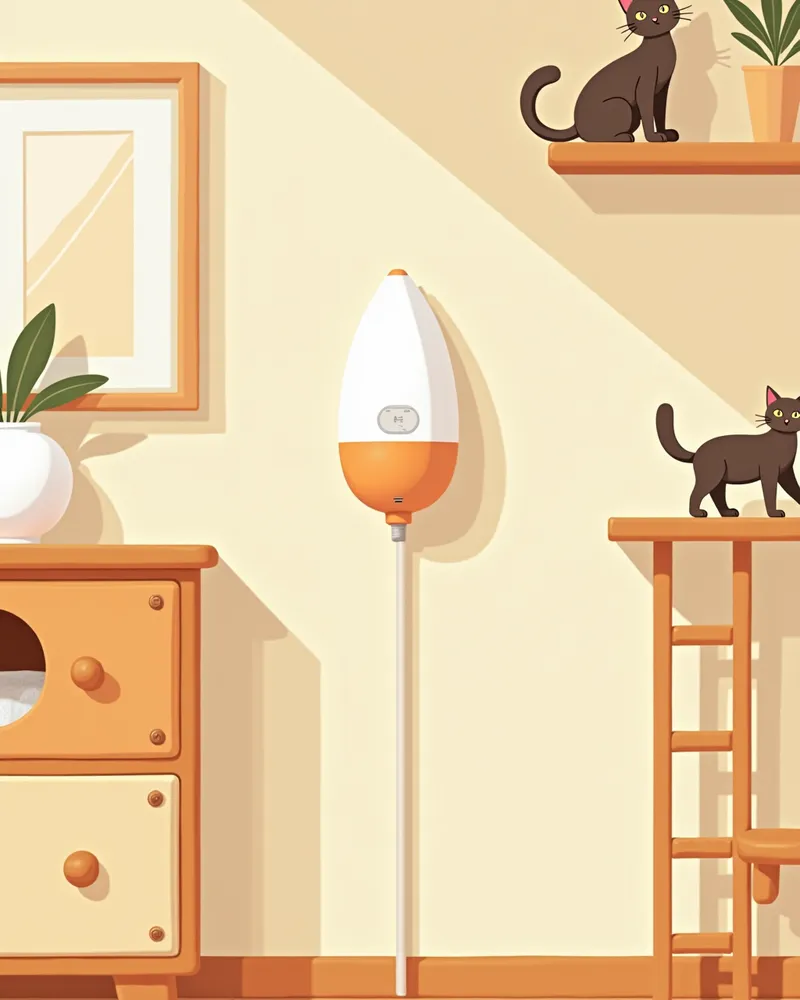
What If There Is No Improvement After Four Weeks?

Reviewed by a veterinarian

Dr. Tony — Punnawat Phongkittirak
VeterinarianA veterinarian who majored in veterinary medicine at Khon Kaen University, Thailand, and completed the IVSA program at North Carolina State University in the United States. Drawing on clinical experience at animal hospitals, he works in the pet healthcare field and is dedicated to building a digital care environment that connects pet parents with veterinarians.
Reviewed 2026-06-01
Frequently Asked Questions
We just brought home a new kitten, and our existing cat has stopped eating. How long should we wait before getting concerned?
Is a quarantine period really necessary? Can’t we have them meet right away?
My cats got into a fight and one of them got injured. What should I do?
I just brought home a puppy, but my cat is extremely scared. What should I do?
When can I expect them to fully get along?
Share
Related Guides

7 Behavioral Enrichment Strategies for Mental Stimulation Recommended by Veterinarians

Top 5 Calming Supplements for Dogs and Cats in 2026

L-Theanine Effects and Calming Support

Cyclosporine (Atopica) Usage Guide
Sedation and Anesthesia Medication Guide: Types of Pre-anesthetics and Safe Usage

What pathogens can be identified with a gastrointestinal PCR test?
Meaning and Interpretation of Urine Specific Gravity (USG) Testing

How to Read Cortisol Test Results

Comparison of Anemia Types (Regenerative, Non-Regenerative, IMHA)

How to Measure Your Dog or Cat’s Respiratory Rate and Normal Ranges
References
[1] McCobb, E.C. et al. (2005) 'Assessment of stress levels among cats in four animal shelters', Journal of the American Veterinary Medical Association, 226(4), pp. 548–555.
[2] Behnke, A.C., Vitale, K.R. and Udell, M.A.R. (2021) 'The effect of owner presence and scent on stress resilience in cats', Applied Animal Behaviour Science, 243, p. 105444.
[3] Beata, C. et al. (2007) 'Effect of alpha-casozepine (Zylkene) on anxiety in cats', Journal of Veterinary Behavior, 2(2), pp. 40–46.
[4] Bowen, J. and Heath, S. (2005) Behaviour Problems in Small Animals: Practical Advice for the Veterinary Team. Philadelphia: Elsevier Saunders.
[5] Jensen, J.B.H., Sandøe, P. and Nielsen, S.S. (2020) 'Owner-Related Reasons Matter more than Behavioural Problems — A Study of Why Owners Relinquished Dogs and Cats to a Danish Animal Shelter from 1996 to 2017', Animals, 10(6), p. 1064.