Like
Share
멍실장
고양이 알도스테론증 고양이 자주 묻는 질문 Q&A — 보호자가 꼭 알아야 할 핵심

Feline Hyperaldosteronism FAQ — Key Information Every Pet Owner Should Know

EndocrineQ&AMeongsiljang Veterinary Advisory Board

Feline hyperaldosteronism is an endocrine disorder caused by excessive secretion of aldosterone from the adrenal cortex, leading to high blood pressure and low potassium levels. We’ve compiled the essential information every pet owner should know in a Q&A format.

What is feline hyperaldosteronism?
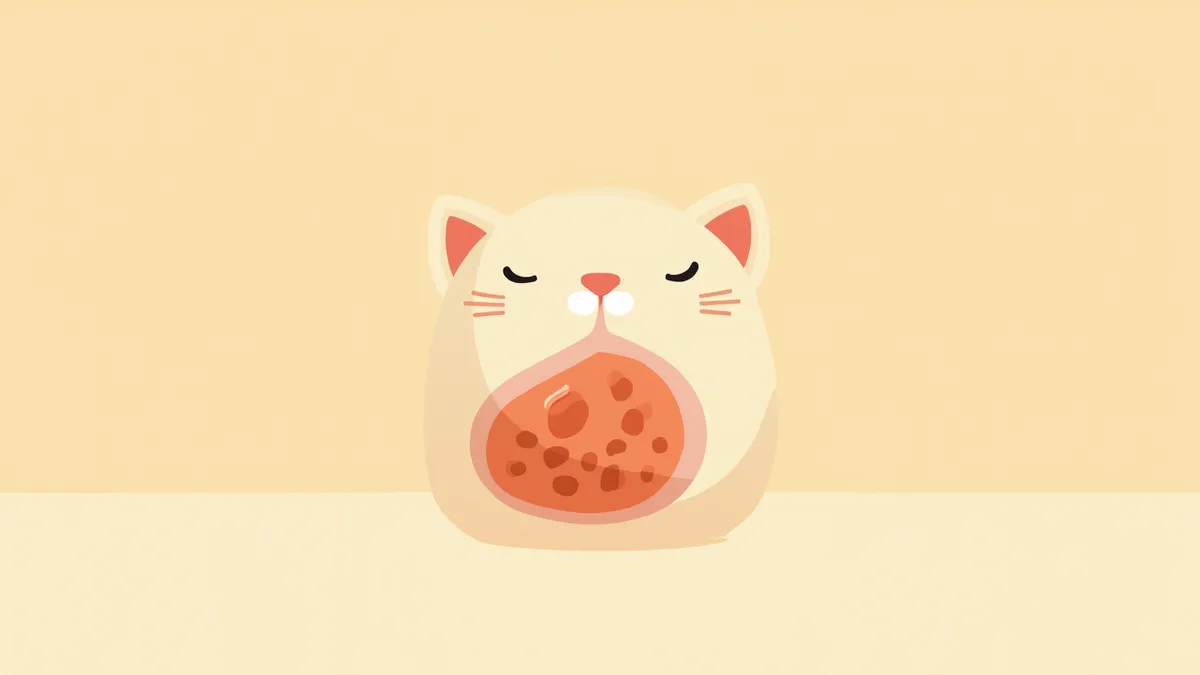
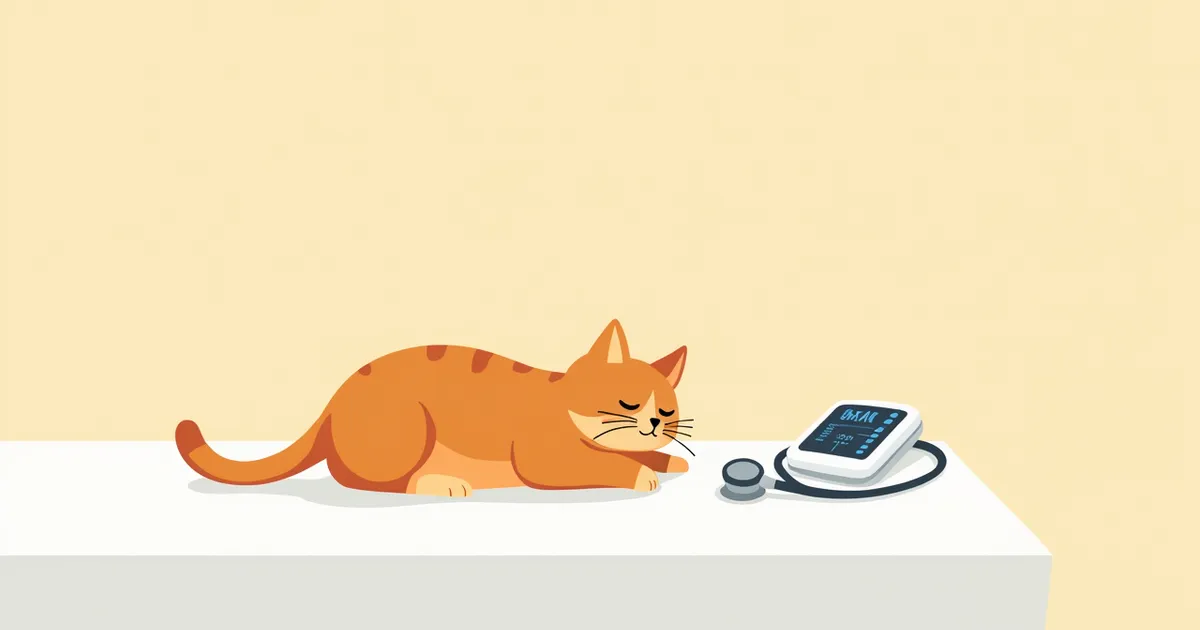
Abnormal changes in the adrenal cortex of cats
Feline hyperaldosteronism is an endocrine disorder in which the adrenal cortex secretes excessive aldosterone, leading to hypertension and hypokalemia. - Excess aldosterone: Tumors or abnormal cell proliferation in the adrenal cortex cause overproduction of this hormone. - Hypertension: This places strain on blood vessels and increases the risk of cerebral hemorrhage or heart failure. - Hypokalemia: This can cause muscle weakness and cardiac arrhythmias. Early symptoms are often subtle and easily overlooked by pet owners; if left untreated, it can lead to kidney, heart, and brain damage. Prompt diagnosis and treatment are essential.

What are the main causes of this condition?
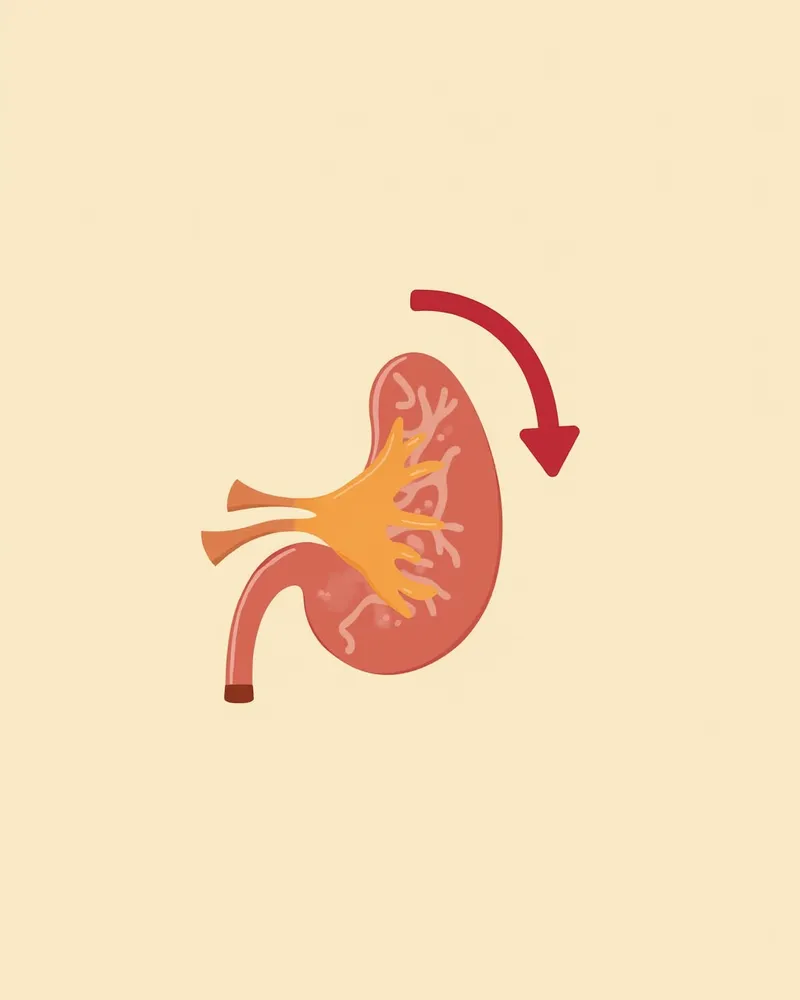
The main causes of feline hyperaldosteronism are adrenal cortical tumors (adenomas or carcinomas) or idiopathic bilateral adrenal hyperplasia. - Adrenal cortical tumors: Aldosterone-secreting adenomas or carcinomas produce excessive amounts of the hormone. - Idiopathic adrenal hyperplasia: The condition can also result from hyperplasia of the zona glomerulosa in both adrenal glands. - Age factor: It primarily affects middle-aged to senior cats, with an average age of onset of approximately 12 years. - Autonomous hormone secretion: Aldosterone is secreted autonomously, independent of renin regulation, resulting in low plasma renin activity. No significant predisposition by breed or sex has been reported. While trauma or infection are not direct causes, stress can exacerbate symptoms.
Pathway of aldosterone overproduction

What are the main symptoms?

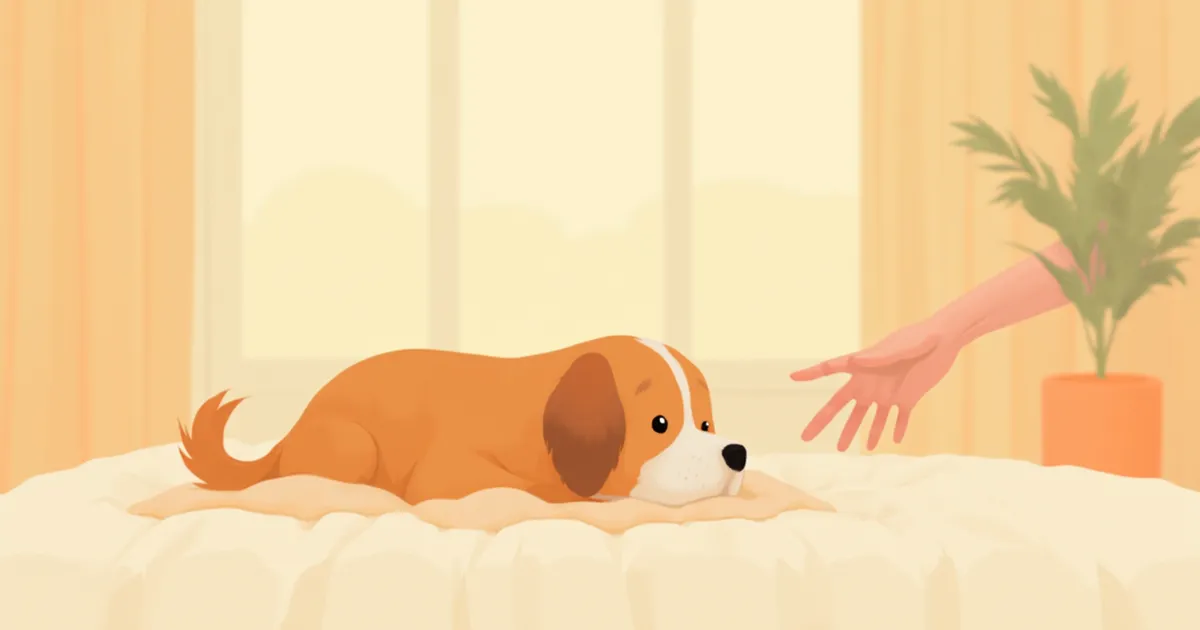
The main symptoms of feline hyperaldosteronism include hypertension, hypokalemia, polyuria and polydipsia, lethargy, and muscle weakness. - Hypertension: Damage to blood vessels in the eyes, such as the retina, can lead to acute blindness or cerebral hemorrhage. - Hypokalemia: This can cause muscle weakness, head ventroflexion (a posture where the neck is drooped downward), and cardiac arrhythmias. - Lethargy: Your cat may appear listless, slumped, and exhibit sudden weakness. - Polyuria and polydipsia: Increased water consumption and larger urine output are common. - Decreased activity: Your cat may show less interest in play and move less. It is important to consult your veterinarian before symptoms worsen.
Lethargy caused by feline hyperaldosteronism

Signs Requiring Immediate Veterinary Care

If your cat suddenly faints, experiences vision loss, seizures, difficulty breathing, or severe lethargy, seek veterinary care immediately. These symptoms may indicate retinal damage, cerebral hemorrhage, or cardiac complications caused by high blood pressure. In middle-aged to senior cats (around 12 years old on average), such signs should raise suspicion of hyperaldosteronism. Delaying treatment can be life-threatening.

How is it diagnosed?
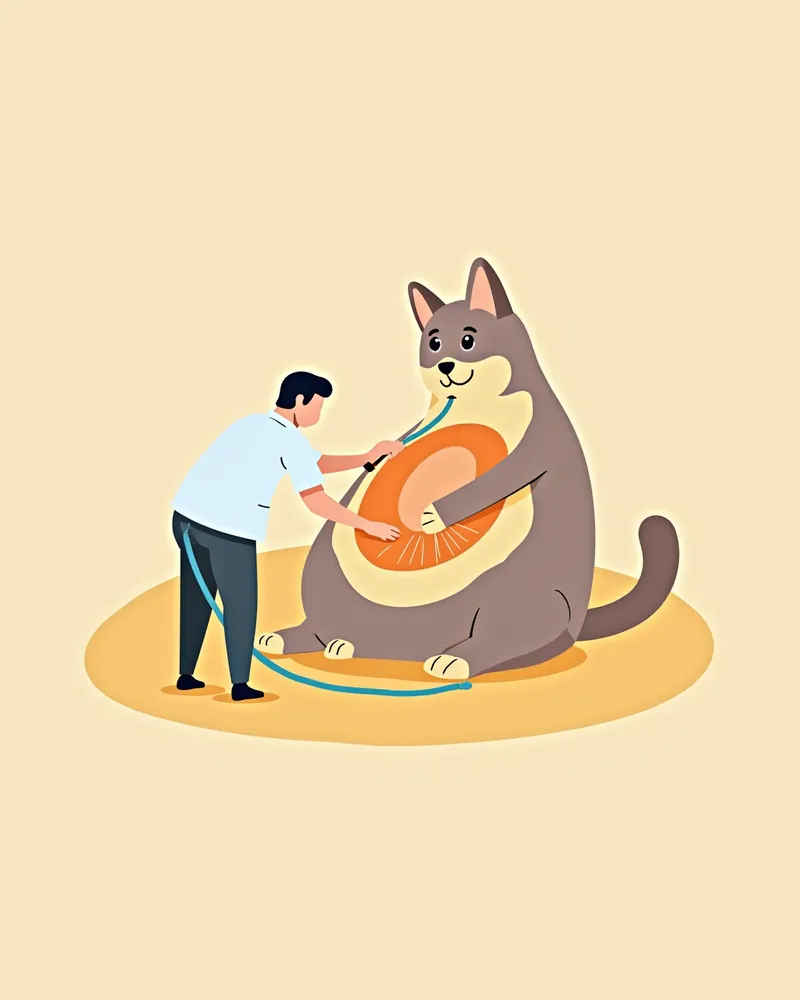
Feline hyperaldosteronism is diagnosed through blood tests, urinalysis, hormone level measurements, and ultrasound imaging. - Blood tests: Analyze aldosterone and renin levels to determine their ratio. - Urinalysis: Assess potassium excretion and evaluate kidney function. - Ultrasound imaging: Identify the presence and size of tumors in the adrenal cortex. - Blood pressure monitoring: Perform repeated measurements to check for hypertension. - Ophthalmic examination: Inspect the blood vessels in the eyes to assess the risk of hemorrhagic stroke. A combination of these tests is used to ensure an accurate diagnosis.
Ultrasound examination of the feline adrenal cortex

What are the treatment options?

Treatment typically involves a combination of surgery, medication, and hormone regulation. - Surgical treatment: The best course of action is to surgically remove the tumor once it is detected. - Medication: If surgery is not feasible, aldosterone inhibitors are prescribed. - Blood pressure management: Antihypertensive medications are used to stabilize blood pressure. - Potassium supplementation: Supplements are administered to prevent hypokalemia. - Regular monitoring: Hormone levels and blood pressure are checked periodically after treatment. The success of treatment depends on early diagnosis and consistent management.
Medication administration during treatment of feline hyperaldosteronism

Key Points for Home Care

Daily care is crucial for managing feline hyperaldosteronism. - Medication administration: Give medication at the exact prescribed time. Missing a dose can reduce its effectiveness. - Low-sodium diet: Reduce salt intake to help prevent hypertension. - Stress management: Maintain a quiet environment and keep a consistent daily routine. - Physical activity: Maintain activity levels through regular play and walks. - Regular check-ups: Keep all veterinary appointments and review test results. Consistent management is key to controlling the disease.
Environment for managing feline hyperaldosteronism

Comparison of Symptoms and Responses by Severity: Mild, Moderate, and Severe

ItemStageMain SymptomsManagement MethodEmergency Status
MildSlight hypertension, mild polyuriaDietary management, regular testsNoInformation provided
ModeratePersistent hypertension, muscle weaknessBegin medication, blood pressure monitoringYesHospital visit
SevereFainting, seizures, decreased visionImmediate surgery or medicationYesEmergency room visit

Because the management approach differs depending on the severity of symptoms, regular checkups are important.

Reviewed by a veterinarian

Dr. Tony — Punnawat Phongkittirak

Dr. Tony — Punnawat Phongkittirak

Veterinarian

A veterinarian who majored in veterinary medicine at Khon Kaen University, Thailand, and completed the IVSA program at North Carolina State University in the United States. Drawing on clinical experience at animal hospitals, he works in the pet healthcare field and is dedicated to building a digital care environment that connects pet parents with veterinarians.

Frequently Asked Questions

Can feline hyperaldosteronism be genetic?
It is caused by acquired factors such as adrenal tumors (adenomas or carcinomas) or idiopathic hyperplasia, rather than genetic predisposition. No clear breed- or sex-related predispositions have been reported in veterinary textbooks, and it is more common in middle-aged to senior cats (average age around 12 years), making age an important factor.
Can medication alone lead to a complete cure?
While medications can help manage symptoms, surgery is necessary if a tumor is present. Medication may also be required on an ongoing basis even after the tumor has been surgically removed.
Can a low-sodium diet help?
A low-sodium diet can help manage high blood pressure. However, because aldosterone promotes potassium excretion, dietary intake alone may not be sufficient to meet potassium needs. If hypokalemia is present, it is important to supplement potassium as prescribed by your veterinarian and follow the recommended diet.
How likely is it to recur?
Although the risk of recurrence after surgery is low, ongoing monitoring of hormone levels is still necessary. Regular check-ups are also required during medication therapy.
My cat hates taking medication. What should I do?
Try mixing the medication into your pet’s food, or use a treat specifically designed for administering medicine. You can also consult your veterinarian about changing the form of the medication.

Share

Related Guides

References

[1] Flood SM, Randolph JF, Gelzer AR, Refsal K. Primary hyperaldosteronism in two cats. J Am Anim Hosp Assoc 1999;35(5):411–6.

[2] Brown SA, Henik RA. Diagnosis and treatment of systemic hypertension. Vet Clin North Am Small Anim Pract 1998;28(6):1481–94.

[3] Cracknell K, et al. Feline primary hyperaldosteronism: a retrospective study of 12 cases. J Feline Med Surg 2021;23(8):735–742.

This information is based on veterinary literature and does not replace diagnosis or treatment. Please consult a veterinarian for specific health concerns.

Metapet Co., Ltd. | CEO: Park Sung-yong | Business Reg. No. 417-88-02562 | Seoul, South Korea | Customer Center

Feline Hyperaldosteronism: 5 Frequently Asked Questions | Meongsiljang