Like
Share
멍실장
고양이 고칼슘혈증 자주 묻는 질문 Q&A — 보호자가 꼭 알아야 할 핵심

Feline Hypercalcemia FAQ — Key Information Every Pet Owner Should Know

EndocrineQ&AMeongsiljang Veterinary Advisory Board

Feline hypercalcemia is a condition characterized by elevated calcium levels. We’ve compiled the essential information pet owners need to know about its causes, symptoms, and treatment options.

What is Feline Hypercalcemia?
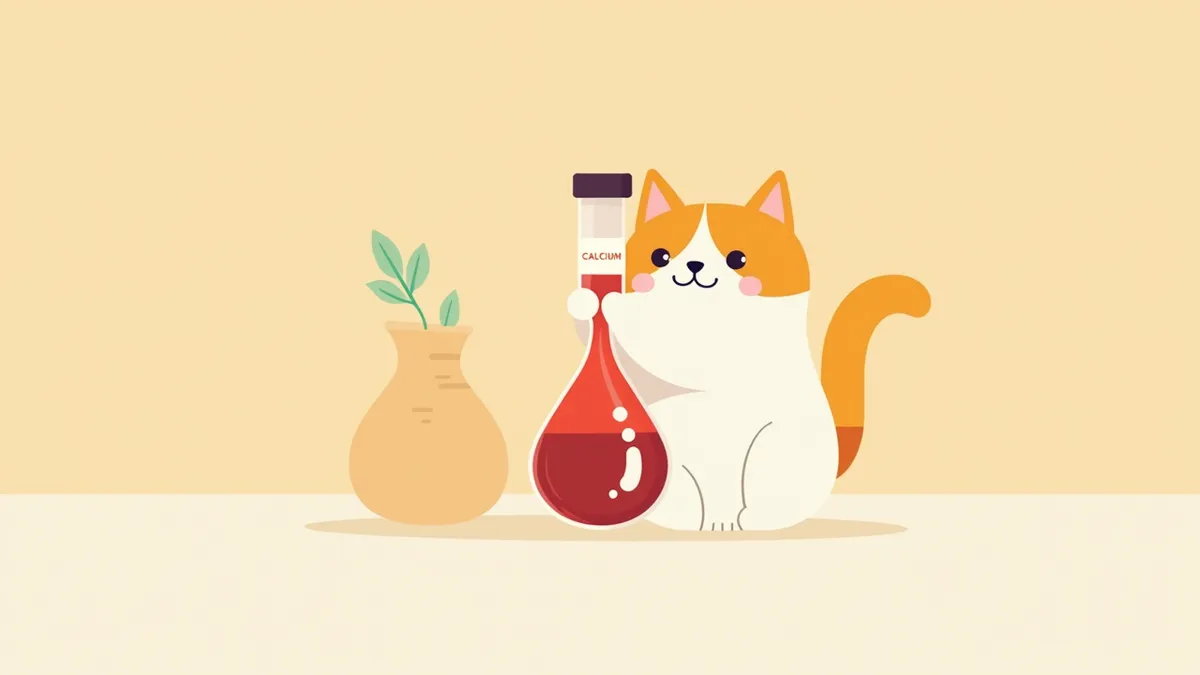
A scene of a veterinarian analyzing a cat's blood sample, showing results with high calcium levels
Feline hypercalcemia is a condition in which blood calcium levels exceed the normal range. In cats, it is generally diagnosed when total calcium exceeds 11 mg/dL or ionized calcium exceeds 1.4 mmol/L (5.6 mg/dL). Mild cases often progress without noticeable symptoms, making them easy for pet owners to overlook. While calcium is essential for bone and muscle function, excessively high levels can lead to problems such as impaired kidney function and abnormal heart rhythms. Consequently, hypercalcemia is frequently discovered incidentally during blood tests performed for routine checkups or other reasons. Although mild hypercalcemia is not an immediate emergency, severely elevated calcium levels can be life-threatening, making it crucial to accurately identify the underlying cause and provide consistent management.

What are the Main Causes of Hypercalcemia?
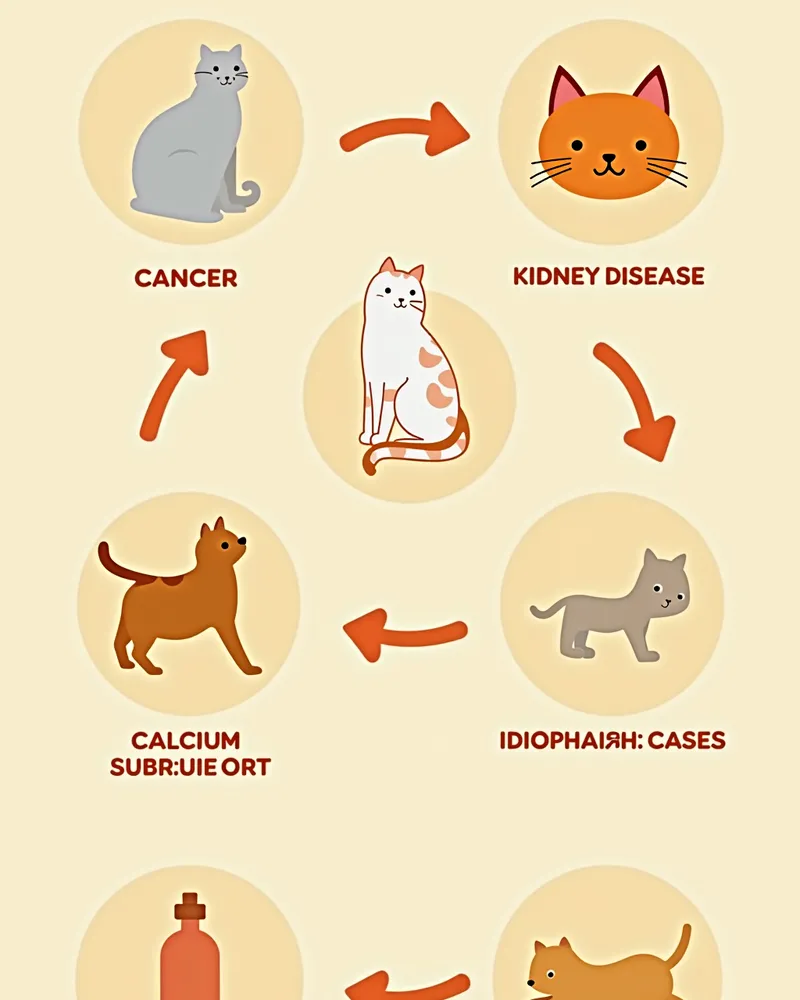
The most common causes of hypercalcemia in cats are malignant tumors (cancer) and kidney damage. One study found that among the causes of feline hypercalcemia, malignancy accounted for the highest proportion at approximately 22.7%, followed by kidney damage at about 13.4%. In other words, these figures represent the distribution of causes of hypercalcemia, not the percentage of cats with cancer. Excessive intake of calcium supplements or the use of phosphate binders containing calcium can also be contributing factors. In some cases, the condition is diagnosed as idiopathic hypercalcemia, meaning no specific cause is identified; this form typically affects young to middle-aged cats. Accurately determining the underlying reason for elevated calcium levels is the first step toward effective treatment.
A diagram explaining the causes of hypercalcemia in cats, including cancer, kidney disease, and excessive supplementation.

What are the Main Symptoms of Hypercalcemia?

Hypercalcemia often shows few or no symptoms in its early stages. However, as calcium levels rise, the following signs may appear. Please consider visiting a veterinarian if you notice any of these symptoms. Polyuria and polydipsia (excessive urination and thirst): The kidneys are affected by high calcium levels, leading to increased water intake and more frequent urination. Note that these symptoms are less common in cats than in dogs. Decreased appetite: Your pet may lose interest in food and eat less. Vomiting and constipation: Reduced gastrointestinal function can lead to vomiting or constipation. Lethargy and muscle weakness: Your pet may seem tired, move less, and in severe cases, may stumble or appear disoriented. Generalized weakness: Very high calcium levels can lead to seizures or even coma. If these symptoms persist, kidney damage can worsen, making early detection crucial.
A lethargic cat lying on the sofa, with a water bowl and urine stains nearby.

When to Visit the Vet Immediately

Severe shock, intense vomiting or diarrhea, and complete inability to urinate are emergency situations in cats. These symptoms may indicate a sudden decline in kidney function or an abnormal heart rhythm. Immediate consultation with a veterinarian is essential, along with blood tests and an ultrasound. If calcium levels are critically high, they must be rapidly lowered through fluid therapy or medication, as delays increase the risk of organ damage.

How is Hypercalcemia Diagnosed?

Hypercalcemia can be confirmed through blood tests. While a standard blood test may show elevated total calcium levels, measuring ionized calcium is necessary for an accurate diagnosis. Ionized calcium represents the physiologically active form, reflecting the actual amount of calcium affecting the body. Additional tests, such as kidney and liver function panels, hormone assays, X-rays, or ultrasounds, are used to identify the underlying cause. Abdominal ultrasound is frequently employed to check for cancer, and bone examinations may also be required.
A veterinarian drawing blood from a cat, with the sample being used for a calcium level test.

What are the Treatment Options?

Treatment depends on the underlying cause. If cancer is the cause, treating the tumor itself takes priority. If kidney damage is the cause, fluid therapy (with saline) is used to correct dehydration and help excrete calcium. If excessive intake of calcium supplements is the cause, they should be stopped immediately, and the veterinarian will adjust the dosage based on the pet’s weight and test results. In cases of high or severe calcium levels, medications such as diuretics (furosemide), calcitonin, or steroids (glucocorticoids) may be used to lower calcium levels. However, steroids should not be used until the presence of a tumor has been confirmed. Once calcium levels stabilize, regular blood tests are necessary for monitoring. The duration of treatment varies depending on the cause, and some cases require long-term management.
A cat receiving intravenous fluids, with a monitor displaying stable vital signs

Home Care Tips

Managing hypercalcemia requires strict adherence to your veterinarian’s instructions. - Dietary management: Choose a diet that balances calcium and phosphorus levels. - Ensure adequate hydration: Offer water frequently and place multiple water bowls around your home. - Medication management: Administer supplements and medications at the correct times and dosages. - Regular check-ups: Repeat blood tests and kidney function assessments every 3 to 6 months. - Symptom monitoring: Keep a record of changes in appetite, urine output, and activity levels. This information will be invaluable during consultations with your veterinarian. Once calcium levels stabilize, your pet can resume a normal daily routine.
A cat drinking from a water fountain, with a food and urine log notebook nearby.

Stage-by-Stage Symptoms and Management of Hypercalcemia

ItemStageCalcium levelMain symptomsManagement
MildMildTotal calcium 11.0–12.0 mg/dLAsymptomatic or mild decrease in appetiteRegular checkups, dietary management
ModerateModerateTotal calcium 12.1–13.5 mg/dLPolyuria, vomiting, lethargyFluid therapy, investigation of the cause
SevereSevereTotal calcium 13.6 mg/dL or higherSevere weakness/shock, poor urination, cardiac rhythm abnormalitiesEmergency treatment, medication adjustment

The calcium levels in the table are based on total calcium. Feline hypercalcemia is defined as total calcium exceeding 11 mg/dL or ionized calcium exceeding 1.4 mmol/L (5.6 mg/dL), and the stage classifications above are for reference only. Final severity assessment and diagnosis should follow ionized calcium measurement and examination by a veterinarian.

Caution: Avoid Excessive Supplement Intake

Some owners may self-prescribe calcium supplements or phosphate binders, but this can actually raise calcium levels further. This is especially dangerous for cats with compromised kidney function. Supplements should only be prescribed by a veterinarian based on the cat’s weight and test results. Overconsumption can lead to kidney damage and heart problems, so never administer these products without veterinary guidance.

Reviewed by a veterinarian

Dr. Tony — Punnawat Phongkittirak

Dr. Tony — Punnawat Phongkittirak

Veterinarian

A veterinarian who majored in veterinary medicine at Khon Kaen University, Thailand, and completed the IVSA program at North Carolina State University in the United States. Drawing on clinical experience at animal hospitals, he works in the pet healthcare field and is dedicated to building a digital care environment that connects pet parents with veterinarians.

Frequently Asked Questions

Is hypercalcemia in cats treatable?
If the cause is clear and detected early, treatment is possible. If cancer or kidney disease is the underlying cause, managing that primary condition is key. Calcium levels are adjusted under veterinary guidance, and with proper management, your pet can maintain a normal daily life.
Is hypercalcemia common in cats?
While it's relatively uncommon overall, it's more frequently seen in cats with cancer or kidney disease. Early detection through regular check-ups is key.
Can dietary management help prevent hypercalcemia?
Appropriately limiting dietary calcium can be helpful, but if the underlying cause is cancer or kidney disease, it is difficult to completely prevent the condition through diet alone. However, a diet that balances calcium and phosphorus can help reduce the risk.
Can hypercalcemia be fatal in cats?
In severe cases, kidney function can deteriorate rapidly or heart rhythm abnormalities may occur, and severe hypercalcemia can be life-threatening. If symptoms appear, we recommend visiting a veterinary clinic without delay.
Is hypercalcemia genetically inherited?
The exact genetic factors that cause hypercalcemia in cats are not well understood. In particular, the precise cause of "idiopathic hypercalcemia," where the underlying reason remains unknown, has yet to be identified. Therefore, rather than focusing on hereditary factors, regular check-ups to detect underlying conditions such as tumors or kidney disease at an early stage are more important.

Share

Related Guides

References

[1] Chew DJ, Leonard M, Muir W. Effect of sodium bicarbonate infusions on ionized calcium and total calcium concentrations in serum of clinically normal cats. Am J Vet Res. 1989;50(1):145–150.

[2] Taylor SS, Sparkes AH, Briscoe K, et al. ISFM consensus guidelines on the diagnosis and management of hypertension in cats. J Feline Med Surg. 2017;19(3):28.

[3] Feline Emergency and Critical Care Medicine, 2nd Ed. Elsevier, 2017. Chapter 32: Hypercalcemia in Cats.

This information is based on veterinary literature and does not replace diagnosis or treatment. Please consult a veterinarian for specific health concerns.

Metapet Co., Ltd. | CEO: Park Sung-yong | Business Reg. No. 417-88-02562 | Seoul, South Korea | Customer Center

Feline Hypercalcemia: 5 Frequently Asked Questions | Meongsiljang