Like
Share
멍실장
고양이 기본 예방접종 스케줄 자주 묻는 질문 Q&A — 보호자가 꼭 알아야 할 핵심

Cat Basic Vaccination Schedule FAQ — Key Points Every Owner Must Know

Lifestyle & Age CareQ&AMeongsiljang Veterinary Advisory Board

The basic vaccination schedule for cats begins at 8 weeks of age. We’ve compiled the essential information every pet owner should know, offering a practical guide to help you create a tailored plan for your cat.

The Cat Basic Vaccination Schedule Begins at 8 Weeks of Age

A kitten with the veterinarian
The basic vaccination schedule for cats begins at 6–8 weeks of age, and this is essential information for all pet owners to know. Because kittens’ immune systems are not yet fully mature, multiple doses are required. Your veterinarian will create a plan tailored to your cat’s individual circumstances.
Initial vaccination timing: The first dose is given at 6–8 weeks of age, followed by 2–3 booster shots at 3–4 week intervals.
Essential vaccines: Core vaccines include those for FPV, FCV, FHV, FeLV, and Rabies (depending on local regulations) to prevent major diseases. The FIP vaccine is considered optional.
Vaccination intervals: Administering doses at 3–4 week intervals is most effective.
Individualized planning: Your veterinarian will set a customized schedule based on your cat’s living environment, whether it goes outdoors, and a risk assessment.

Why Do Cats Require Multiple Vaccination Doses?
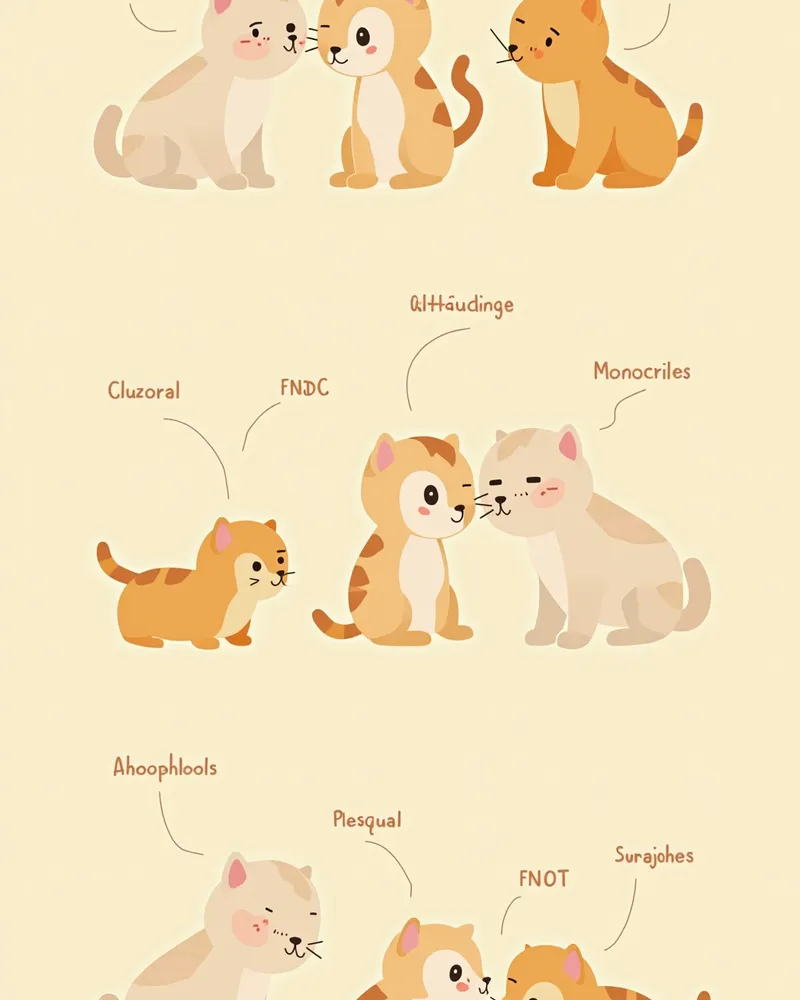
Kittens rely on maternal antibodies passed down from their mother for early immunity. These antibodies gradually wane over time, but the timing varies among individuals, making it difficult to ensure adequate protection with a single vaccination. Therefore, booster shots at regular intervals are necessary.
Maternal Antibody Interference: Remaining maternal antibodies can interfere with vaccine efficacy. For this reason, vaccinations should begin at 6–8 weeks of age and be repeated every 3–4 weeks until the kitten is 16–20 weeks old.
Enhancing Immune Response: Repeated vaccinations help strengthen the immune response sufficiently.
Long-Term Protection: Three major vaccine guideline groups recommend a booster shot one year after the final kitten vaccination, followed by Feline Panleukopenia Virus (FPV) vaccinations no more frequently than every three years.
Accounting for Individual Differences: Since the timing of maternal antibody loss and the speed of immune response can vary among cats, veterinarians provide ongoing monitoring and care.
How maternal antibodies in kittens can interfere with vaccine effectiveness

Key Points of the Cat Vaccination Schedule
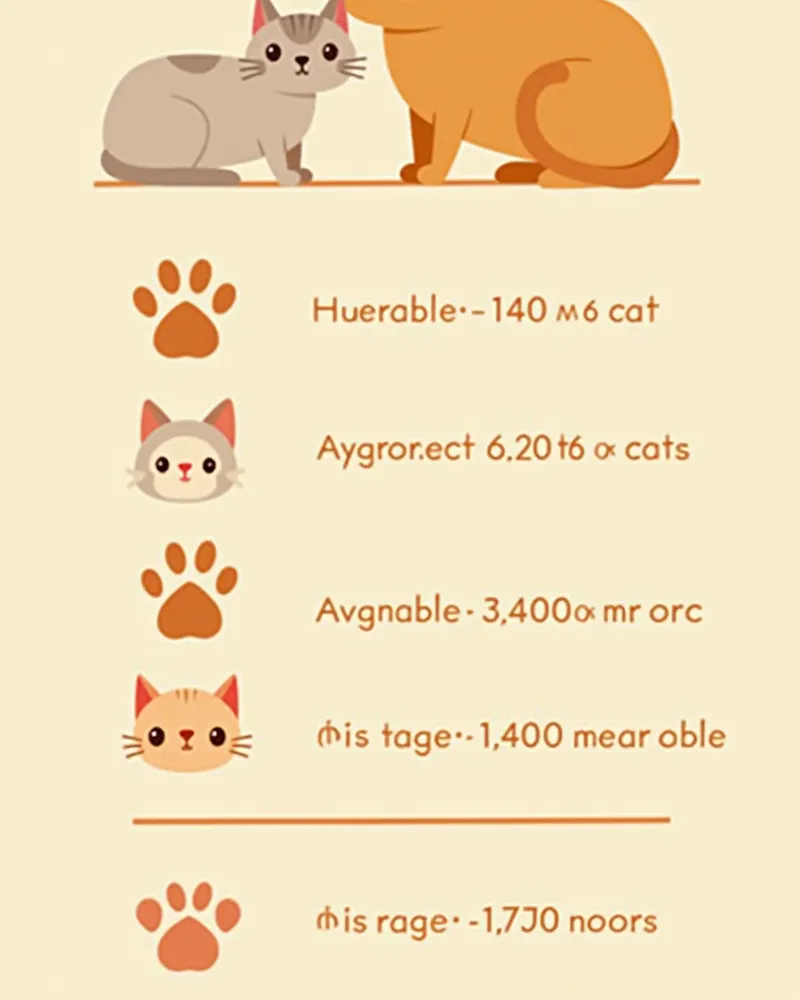
A cat’s vaccination schedule varies depending on the type of disease and the cat’s living environment. Here are the key points every owner should review.
FPV (Feline Panleukopenia): Begin at 6–8 weeks of age, with booster doses every 3–4 weeks until 16–20 weeks of age. Administer a booster one year later, then boost no more frequently than every three years.
FCV/FHV (Feline Upper Respiratory Disease): Begin at 6–8 weeks of age, with booster doses every 3–4 weeks until 16–20 weeks of age. Administer a booster one year later, then boost every 1–3 years depending on risk factors.
FeLV (Feline Leukemia Virus): Administer two doses starting at 8 weeks of age, spaced 3–4 weeks apart, followed by a booster one year later. This is considered a core vaccine for kittens, while it is classified as a non-core vaccine for adult cats at low risk.
FIP (Feline Infectious Peritonitis): This is an optional (non-core) vaccine; consult your veterinarian to decide whether it’s appropriate. Administer two doses starting at 16 weeks of age, spaced 3–4 weeks apart. The manufacturer recommends annual boosters.
FIV (Feline Immunodeficiency Virus): Recommended for cats that go outdoors or live in multi-cat households. Administer three doses starting after 8 weeks of age, spaced 2–3 weeks apart. Cats with ongoing risk factors should receive annual boosters thereafter.
A chart outlining the vaccination schedule for cats.

Cat Vaccination Schedule Comparison Chart (8–16 Weeks of Age)

ItemVaccination TimingNumber of DosesBooster Timing
FPV6–8 weeks2 or more doses1 year later
FCV6–8 weeks2 or more doses1 year later
FeLV8 weeks2 doses1 year later
FIP16 weeks2 doses1 year later

The vaccination timing and number of doses may be adjusted by the veterinarian depending on the cat's health status and environment.

What to Do If Your Cat Is Uncomfortable After Vaccination
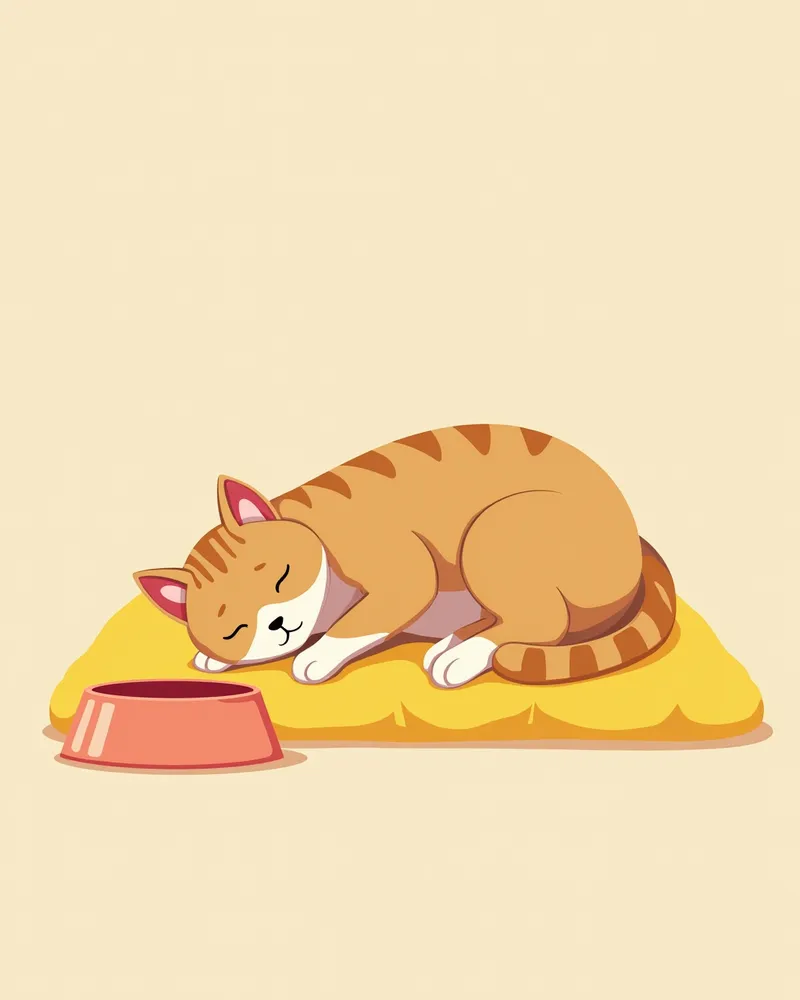
It’s common for pets to experience mild discomfort after vaccination. Here are the signs owners should watch for.
Mild reactions: Swelling at the injection site, lethargy, and decreased appetite. These typically resolve within 1–2 days.
Moderate reactions: Fever, reduced activity, and persistent lethargy. If symptoms persist, consult your veterinarian immediately.
Severe reactions: Difficulty breathing, severe vomiting and diarrhea, seizures, or shock. These may indicate anaphylaxis (an acute allergic reaction) and require immediate veterinary attention.
Post-vaccination care: Limit your pet’s activity for 24 hours after vaccination and encourage fluid intake.
Keep records: Note the vaccination date and any reactions to reference during future visits.
A cat resting comfortably after vaccination

Seek Immediate Veterinary Care for Severe Reactions After Vaccination

If your pet experiences difficulty breathing, seizures, or severe vomiting or diarrhea after vaccination, seek veterinary care immediately. These symptoms may indicate an allergic reaction or acute adverse effects that require prompt medical intervention.

5 Tips for Staying on Top of Your Cat’s Vaccination Schedule
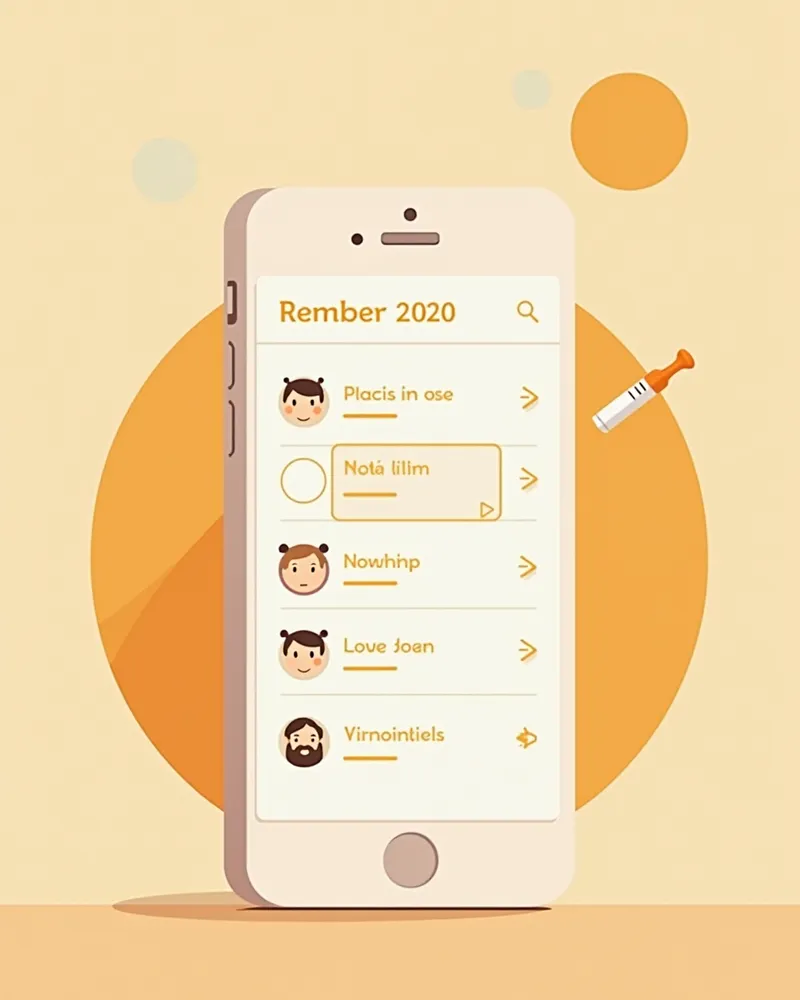
Here are some practical tips to help you stay on top of your cat’s vaccination schedule.
Use a calendar: Set reminders on your smartphone or add vaccination dates to a scheduling app.
Partner with your vet: Work with your veterinarian to plan regular health checkups and vaccination schedules together.
Keep records: Save vaccination records as PDFs or in a dedicated notebook.
Monitor for reactions: Closely observe your cat for any changes in condition for 24 hours after vaccination.
Check before going out: Discuss with your vet whether additional vaccines or boosters are needed based on your cat’s outdoor exposure.
A smartphone app screen for managing vaccination schedules

Reviewed by a veterinarian

Dr. Tony — Punnawat Phongkittirak

Dr. Tony — Punnawat Phongkittirak

Veterinarian

A veterinarian who majored in veterinary medicine at Khon Kaen University, Thailand, and completed the IVSA program at North Carolina State University in the United States. Drawing on clinical experience at animal hospitals, he works in the pet healthcare field and is dedicated to building a digital care environment that connects pet parents with veterinarians.

Frequently Asked Questions

When should kittens start receiving their vaccinations?
Vaccination begins at 6 to 8 weeks of age, with subsequent doses administered every 3 to 4 weeks until the puppy reaches 16 to 20 weeks of age, ensuring at least two total vaccinations.
Do indoor cats also need vaccinations?
Yes, even if your cat doesn’t go outside, they can still be exposed to pathogens through family members or visitors. Core vaccines (such as FPV, FCV, FHV, and rabies) are recommended for indoor cats as well.
What should I do if my cat gets sleepy after vaccination?
Temporary drowsiness is a normal reaction. Allow your pet to rest in a comfortable environment and encourage them to drink water.
What happens if you miss a vaccination?
If the vaccination schedule is interrupted, immunity may not develop fully. It’s important to consult with your veterinarian as soon as possible to arrange for a catch-up vaccination.
Do cat vaccines provide lifelong protection?
Not all vaccines provide lifelong protection. Most require a booster shot after one year. For feline panleukopenia virus (FPV), boosters should be given no more frequently than every three years. For feline herpesvirus (FHV) and feline calicivirus (FCV), revaccination can be done every one to three years, depending on the risk level. Your veterinarian will monitor and manage your pet's vaccination schedule.

Share

Related Guides

References

This information is based on veterinary literature and does not replace diagnosis or treatment. Please consult a veterinarian for specific health concerns.

Metapet Co., Ltd. | CEO: Park Sung-yong | Business Reg. No. 417-88-02562 | Seoul, South Korea | Customer Center

Cat Core Vaccination Schedule: Frequently Asked Questions | Meongsiljang