
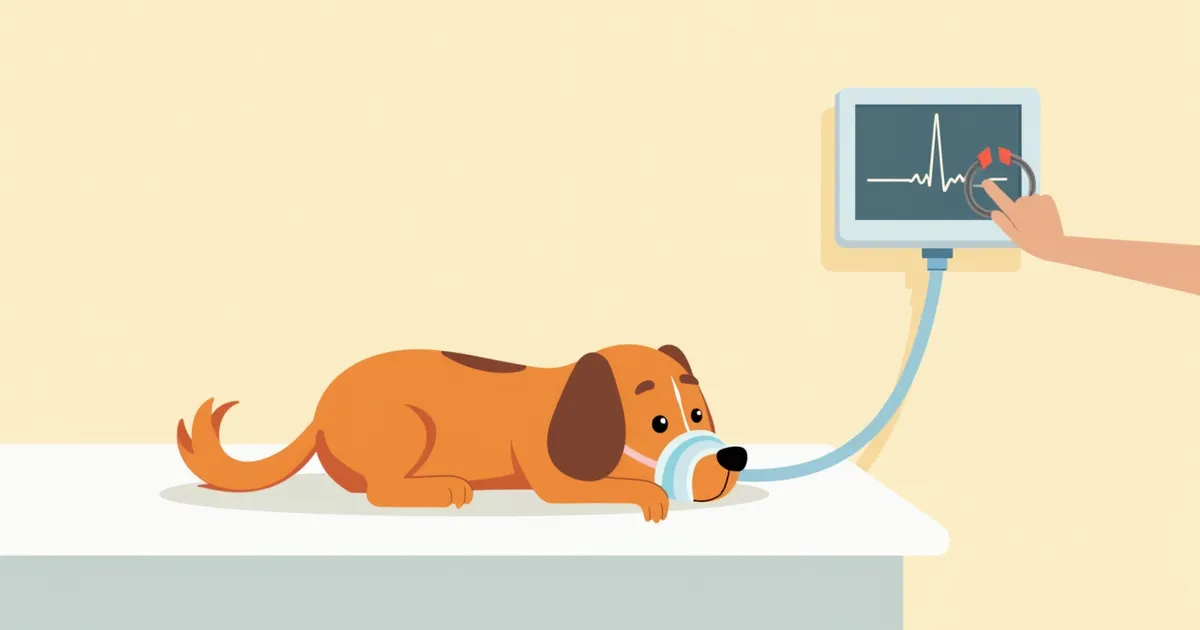
Frequently Asked Questions on the Safety of Anesthesia for Your Dog’s Dental Treatment — Key Information Every Pet Owner Should Know
The safety of anesthesia for your dog’s dental treatment depends on thorough pre-anesthetic evaluation and careful monitoring. Here’s the essential information every pet owner should know.
The Safety of Anesthesia for Your Dog’s Dental Treatment Depends on Collaboration Between the Owner and the Veterinarian
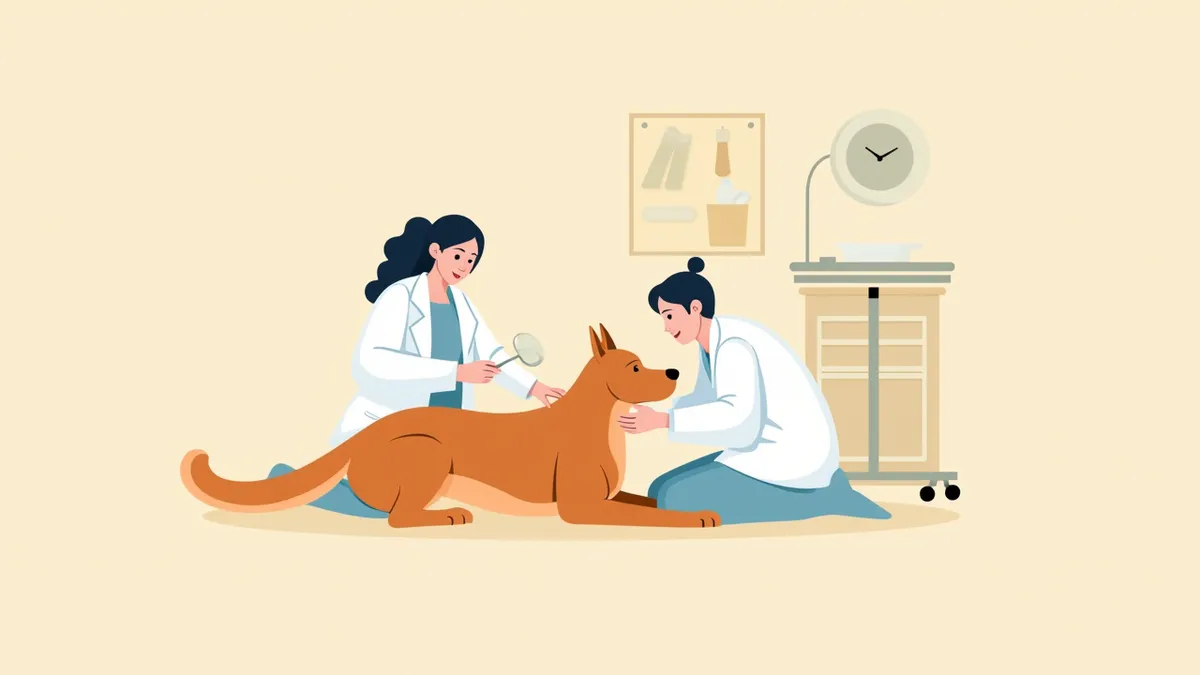
Why Is Pre-Anesthetic Evaluation Important?

What Are the Main Risks During Anesthesia?

Comparison Table of Pre- and Post-Anesthesia Precautions
| Item | Before Anesthesia | After Anesthesia |
|---|---|---|
| Fasting Time | Sufficient fasting according to veterinary guidance | Provide small amounts of water first per veterinary instructions after confirming recovery status |
| Medication Use | Discontinue as directed by the veterinarian | Do not administer without instructions |
| Activity Restriction | Keep quiet as directed by the veterinarian | Avoid strenuous activity and outings until recovered |
| Warning Signs | Difficulty breathing, vomiting, lethargy | Fainting, seizures, severe shock reactions |
Pre- and post-anesthetic care is key to a safe recovery. Always follow your attending veterinarian's instructions for specifics such as fasting and activity restriction times.
What Should the Owner Do During the Post-Anesthesia Recovery Process?

Signs Requiring Immediate Veterinary Visit
If your dog experiences difficulty breathing, persistent vomiting, lethargy, seizures, or a sudden drop in body temperature after anesthesia, contact your veterinarian immediately. These could be signs of a serious complication. In particular, if these symptoms appear within six hours after anesthesia, emergency treatment may be necessary. Owners should closely monitor their dog’s condition for 24 hours after anesthesia and consult a veterinarian right away if any abnormal signs occur.
Advantages and Necessity of Anesthesia-Assisted Dental Care

Reviewed by a veterinarian

Dr. Tony — Punnawat Phongkittirak
VeterinarianA veterinarian who majored in veterinary medicine at Khon Kaen University, Thailand, and completed the IVSA program at North Carolina State University in the United States. Drawing on clinical experience at animal hospitals, he works in the pet healthcare field and is dedicated to building a digital care environment that connects pet parents with veterinarians.
Reviewed 2026-06-07
Frequently Asked Questions
Is anesthesia for dog dental treatment really dangerous?
Is a pre-anesthetic blood test really necessary?
What should be avoided during the recovery period after anesthesia?
What should I do if my pet keeps vomiting after anesthesia?
Is it normal for my dog to be lethargic after anesthesia?
Share
Related Guides

7 Best Cat Dental Chews for Tartar Prevention Recommended by Veterinarians and Selection Criteria

Top 5 Recommended Dental Treats for Dogs in 2026 — VOHC Certification Criteria

7 Criteria for Choosing Dog Tartar Prevention Dental Chews Recommended by Veterinarians

Cat Tumor Biopsy and Fine-Needle Aspiration FAQ — Key Information for Pet Owners

What is Feline Squamous Cell Carcinoma? — What Symptoms Should Raise Suspicion?

When to Spay Your Cat to Prevent Mammary Tumors — Key Prevention Q&A

How to Reduce Pain in Cats with Cancer at Home — Key Q&A on Palliative Care

Cat Epistaxis and Nasal Obstruction: Could It Be a Nasal Tumor? — Key Symptoms and Treatment Overview

What Are Feline Mammary Tumors? — Key Q&A on Symptoms, Malignancy, and Treatment

How to Confirm Lymph Node Metastasis in Cats: From Testing to Interpreting Results
References
[1] Brodbelt DC, Blissitt KJ, Hammond RA, et al. The risk of death in small animal anaesthesia. Vet J. 2009;182:152–161.
[2] Pypendop BH, Ilkiw JE. Anesthetic-related death in cats: a retrospective study of 10,000 cases. Vet Anaesth Analg. 2007;34(1):1-10.
[3] The Cat, Clinical Medicine and Management, 2nd Edition. Elsevier, 2020.