Like
Share
멍실장
아목시실린 페니실린 항생제 완벽 가이드

The Complete Guide to Amoxicillin, a Penicillin-Class Antibiotic

ImmunityQ&AMeongsiljang Veterinary Advisory Board

Amoxicillin is a penicillin-class antibiotic widely used to treat bacterial infections. We’ve put together a clear, pet-owner-friendly guide covering proper use, side effects, and important precautions.

What Is Amoxicillin? Key Summary
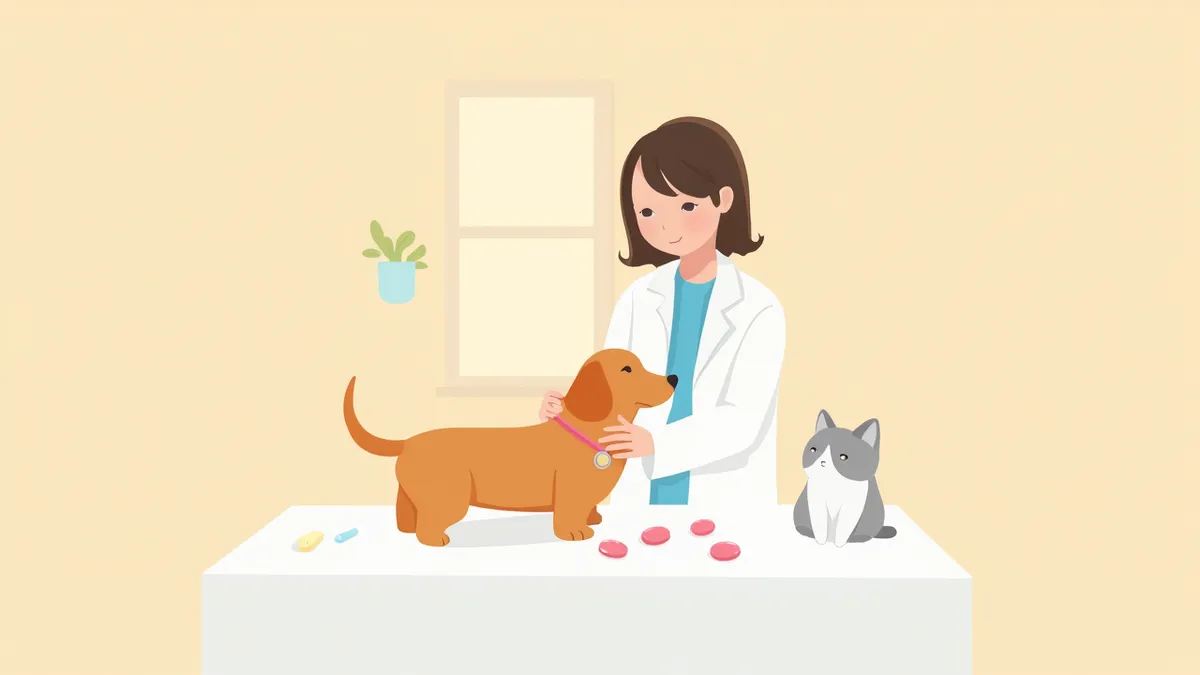
A veterinarian examining a puppy and prescribing amoxicillin.
Amoxicillin is a broad-spectrum antibiotic belonging to the penicillin class and is one of the most commonly prescribed medications for treating bacterial infections in dogs and cats. The most important thing is to administer the full course exactly as prescribed by your veterinarian. Stopping the medication midway, even if symptoms improve, can lead to antibiotic-resistant bacteria, so it’s essential to complete the entire prescribed duration. Never give human medications or leftover drugs without veterinary guidance.

What Conditions Is It Used For?

Amoxicillin is prescribed for a variety of bacterial infections. According to veterinary pharmacology textbooks, it is primarily used for skin infections (pyoderma, wounds), urinary tract infections, respiratory infections, periodontitis, and soft tissue infections (such as abscesses). It is commonly used for pyoderma or cystitis in dogs, and for upper respiratory infections in cats (secondary bacterial infections accompanying herpesvirus or calicivirus). It is also used for prophylactic administration before and after invasive procedures. However, it is ineffective against viral and fungal infections, and its efficacy may be limited against resistant bacteria that produce beta-lactamases (such as Klebsiella spp.).

Amoxicillin vs. Other Antibiotics: A Comparison

ItemAmoxicillinAmoxicillin+Clavulanic acidCephalexin
ClassPenicillinPenicillin+Beta-lactamase inhibitorFirst-generation cephalosporin
Main useSimple bacterial infectionResistant bacteria/Mixed infectionSkin/Soft tissue infection
Response to resistant bacteriaLimitedExcellentGood
Representative brand nameAmoxilClavamoxKeflex

The actual prescription is determined by the veterinarian based on the site of infection, bacterial strain, and susceptibility test results

Mechanism of Action and Administration
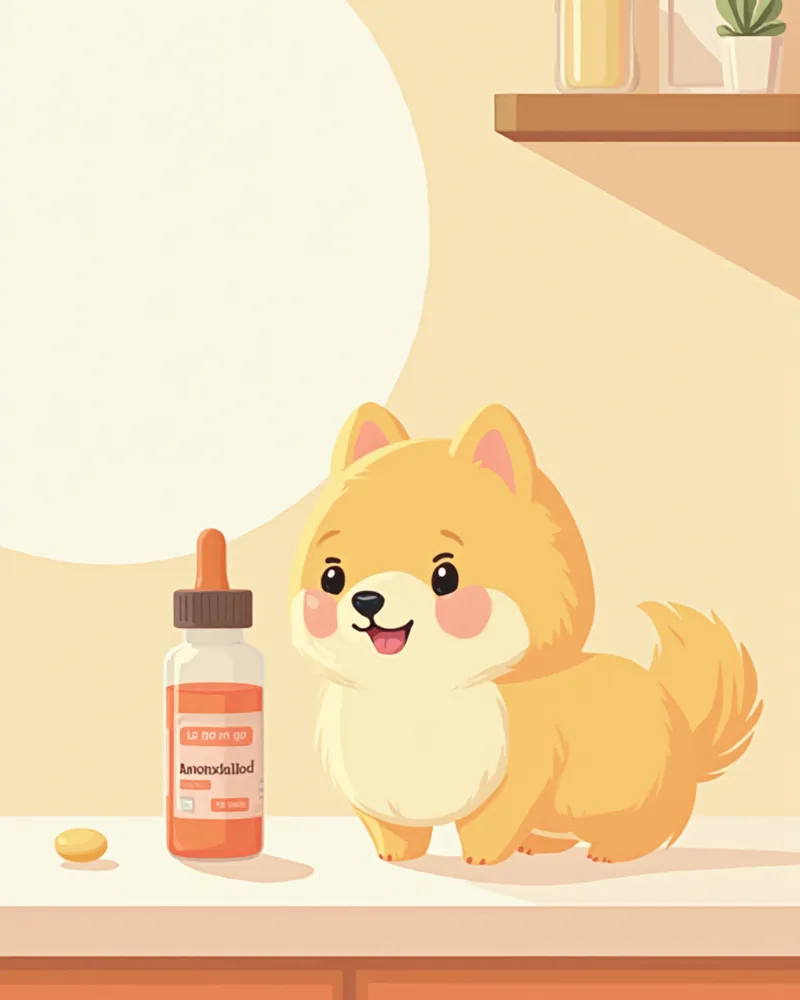
Amoxicillin works by interfering with bacterial cell wall synthesis, ultimately killing the bacteria. According to veterinary textbooks, administering the medication with meals can help reduce gastrointestinal side effects such as vomiting and diarrhea. The dosing interval and duration vary depending on the site of infection, with your veterinarian determining the appropriate dosage and schedule based on your pet’s weight and condition. Adjusting the dose or skipping a day on your own can reduce the medication’s effectiveness. If your pet dislikes tablets, you can switch to the prescribed syrup formulation.
Amoxicillin syrup and a dosing syringe, with a puppy waiting patiently.

When to Seek Immediate Veterinary Care

If your pet develops facial or periorbital swelling, hives, difficulty breathing, or repeated sudden vomiting and diarrhea after taking amoxicillin, it may be a penicillin allergy. Acute reactions occurring within 30 minutes to several hours after the first dose can be life-threatening, so stop the medication immediately and seek emergency veterinary care if any symptoms appear. Always inform your veterinarian if your pet has a history of penicillin reactions before prescribing.

Common Side Effects and What to Monitor at Home

The most common side effects are gastrointestinal symptoms. Diarrhea, decreased appetite, and mild vomiting may occur, and veterinary textbooks explicitly list these as representative side effects. Here’s how to manage them: - Hydration: Preventing dehydration is the top priority when diarrhea occurs. - Diet: Switching to a low-irritant prescription diet or boiled chicken breast can help. - Probiotics: Consider using them alongside other treatments with your veterinarian’s approval. Consult your vet to determine the appropriate dosing interval. If symptoms persist for 2–3 days, contact your clinic.
A cat resting while taking antibiotics, with a water bowl nearby

Medications and Situations to Avoid Combining

Amoxicillin is a bactericidal antibiotic that kills bacteria by inhibiting the synthesis of their cell walls during growth. Because it works by directly killing bacteria, there is a theoretical concern that its effectiveness could be reduced if used together with bacteriostatic antibiotics (such as tetracyclines), which work by stopping bacterial multiplication rather than killing them outright. Therefore, whether to combine these medications should always be left to your veterinarian’s judgment. Additionally, most of the amoxicillin dose is excreted largely unchanged through the kidneys in urine. In pets with reduced kidney function, this excretion process may slow down, potentially requiring dosage adjustments. Use in pregnant or nursing pets, as well as in young animals, should be approached with caution and only under veterinary guidance. If your pet is taking any other medications (such as joint supplements, heart medications, or immunosuppressants), be sure to inform your veterinarian before prescribing. It is also important to consult your vet if the medication schedule overlaps with your pet’s vaccination timeline.

Never Reuse Leftover Medication

Never give leftover amoxicillin to another pet or for a different condition without veterinary guidance. If the infection site or bacterial strain differs, the medication may be ineffective, merely masking symptoms, while incorrect dosing can promote antibiotic-resistant bacteria. Even if the color hasn’t changed, expired liquid amoxicillin loses potency and should be discarded. The safest way to dispose of unused medication is to return it to your veterinary clinic.

Reviewed by a veterinarian

Dr. Tony — Punnawat Phongkittirak

Dr. Tony — Punnawat Phongkittirak

Veterinarian

A veterinarian who majored in veterinary medicine at Khon Kaen University, Thailand, and completed the IVSA program at North Carolina State University in the United States. Drawing on clinical experience at animal hospitals, he works in the pet healthcare field and is dedicated to building a digital care environment that connects pet parents with veterinarians.

Frequently Asked Questions

The symptoms have improved, but is it okay to stop the remaining medication?
No, you shouldn’t stop. It’s important to give the medication for the full prescribed duration. If you stop midway, the surviving bacteria may develop resistance, making the drug ineffective for future infections.
Can I give my pet human amoxicillin?
Even if the active ingredients are the same, human and veterinary medications differ in dosage instructions and formulations. Calculating the correct dose based on your pet’s weight is a veterinarian’s responsibility, so administering medication without professional guidance can be dangerous.
What should I do if I forgot to give my pet their medication?
Administer a missed dose as soon as you remember, but if it's close to the next scheduled dose, skip the missed one and resume the regular schedule. Never give two doses at once, as this increases the risk of side effects.
Can the same medication be used for cats?
Cats can also be treated with penicillin-class antibiotics. According to veterinary textbooks, the recommended dosage of amoxicillin for cats is 11–22 mg per kilogram of body weight, with the specific dose and formulation determined by your veterinarian based on the site of infection and your cat’s weight. Gastrointestinal side effects such as vomiting, diarrhea, and loss of appetite may occur, so please contact your veterinarian immediately if you notice any adverse reactions.
Can I give this to my pet along with probiotics?
You may consider using them together with your veterinarian’s approval. However, since veterinary evidence on the optimal timing for administering probiotics during antibiotic treatment has not yet been established, be sure to consult your veterinarian for specific dosing instructions.

Share

Related Guides

References

[1] Ahmadi AH et al., Handbook of Veterinary Pharmacology, Wiley-Blackwell, 2009

[2] Plumb DC, Plumb's Veterinary Drug Handbook, 10th Edition, 2023

[3] Little SE, The Cat: Clinical Medicine and Management, 2nd Edition, Elsevier, 2020

This information is based on veterinary literature and does not replace diagnosis or treatment. Please consult a veterinarian for specific health concerns.

Metapet Co., Ltd. | CEO: Park Sung-yong | Business Reg. No. 417-88-02562 | Seoul, South Korea | Customer Center

The Complete Guide to Amoxicillin, a Penicillin Antibiotic | Meongsiljang