

Protein Deficiency Symptoms and Assessment
Protein deficiency in pets is a condition where blood protein levels are low. We’ll help you check for signs like muscle loss, swelling, and weakened immunity, and explain how to identify the cause through blood tests.
What Is Protein Deficiency in Pets?
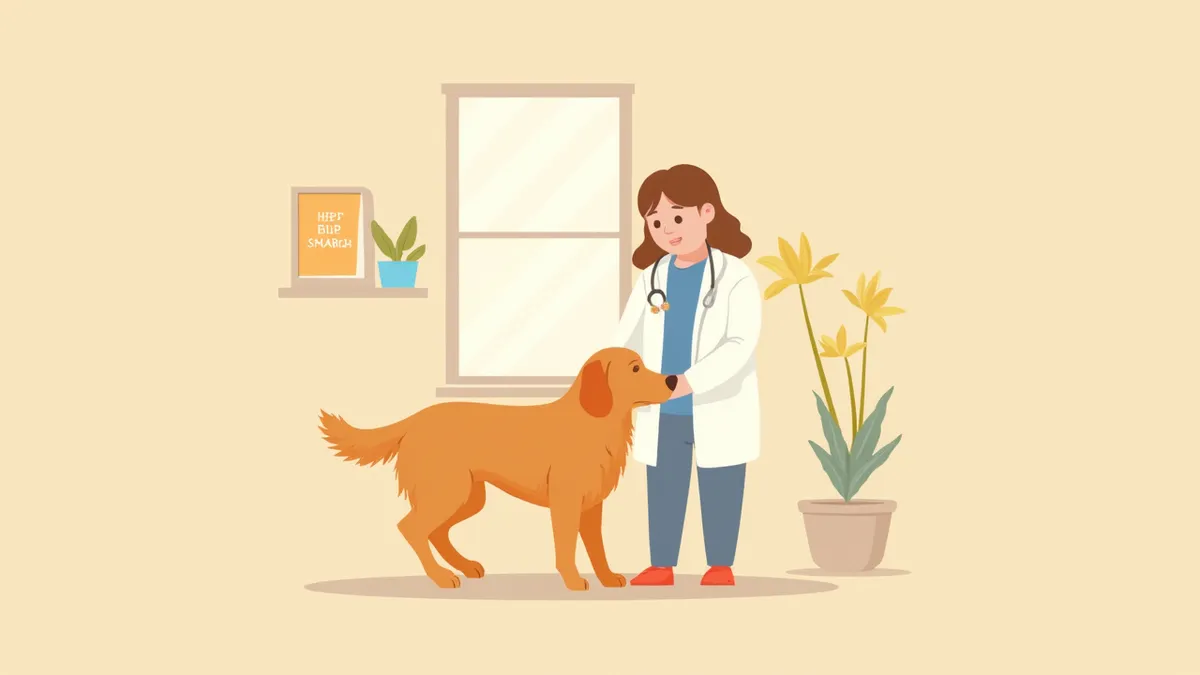
Why Does Protein Become Deficient?

Checklist of Signals from the Body

Go to the Vet Immediately If You See These Symptoms
If your pet’s abdomen suddenly swells and they struggle to breathe, their gums become pale and they appear weak and lethargic, or swelling spreads from their legs to their face, it is an emergency. When blood albumin levels are extremely low, fluid can leak out of blood vessels and accumulate in the lungs and abdominal cavity, potentially requiring treatment within 24 hours. Please do not delay and take your pet to the nearest 24-hour veterinary clinic immediately.
Comparison of Protein Loss Patterns by Cause
| Item | Intestinal Loss (PLE) | Renal Loss (PLN) | Reduced Hepatic Synthesis |
|---|---|---|---|
| Main Symptoms | Chronic diarrhea/vomiting | Weight loss, edema | Jaundice, ascites |
| Albumin Decrease | Distinct | Distinct | Distinct |
| Globulin Change | Concurrent decrease | Normal | Normal or concurrent decrease (panhypoproteinemia) |
| Urine Protein | Normal | Increased (elevated UPC) | Normal |
| First-Line Test | Fecal exam, abdominal ultrasound | Urinalysis, UPC | Liver enzymes, bile acids |
These are general tendencies referenced from veterinary clinical pathology textbooks; individual diagnosis requires the veterinarian's judgment.
How Is It Assessed at the Vet?

Do Not Arbitrarily Supplement Protein at Home
Increasing high-protein food or protein powder without knowing the underlying cause can actually worsen the problem. If your pet has kidney or liver issues, excessive protein intake increases the burden of waste product metabolism, potentially aggravating their condition. A proper diagnosis must come first, followed by a veterinarian’s tailored recommendations for prescription diet, portion sizes, and feeding schedule.
Management Points to Monitor at Home

Reviewed by a veterinarian

Dr. Tony — Punnawat Phongkittirak
VeterinarianA veterinarian who majored in veterinary medicine at Khon Kaen University, Thailand, and completed the IVSA program at North Carolina State University in the United States. Drawing on clinical experience at animal hospitals, he works in the pet healthcare field and is dedicated to building a digital care environment that connects pet parents with veterinarians.
Reviewed 2026-04-27
Frequently Asked Questions
Does a protein deficiency mean I should simply feed more meat?
How low does albumin need to be to be considered dangerous?
Senior pets naturally lose muscle mass, but how can you tell the difference between that and a protein deficiency?
Do cats have similar causes to dogs?
If a protein deficiency is confirmed, how long does it take to recover?
Share
Related Guides

Chitosan Effects and Obesity/Fat Absorption

Top 5 Weight-Management Dog Food Recommendations for 2026

7 Best Cat Weight-Loss Diets Recommended by Veterinarians and How to Choose

Feline Chronic Gingivostomatitis FAQ — Key Information for Pet Owners

Feline Enamel Hypoplasia FAQ — Key Information Every Pet Owner Should Know

Frequently Asked Questions About Feline Dental Scaling and Tartar Removal — Key Points Every Pet Owner Should Know
Frequently Asked Questions About Feline Dental Radiography — Key Information for Pet Owners

Frequently Asked Questions About Preventive Dental Treats and Chews for Cats — Key Points Every Owner Should Know

Frequently Asked Questions on Preventing Feline Tartar and Plaque — Key Information Every Pet Owner Should Know

Feline Oral Abscess & Root Abscess FAQ — Key Information Every Pet Owner Should Know
References
[1] Friedrichs KR, Scott MA, Stockham SL. Proteins. In: Fundamentals of Veterinary Clinical Pathology, 3rd Edition
[2] Ettinger SJ, Feldman EC. Textbook of Veterinary Internal Medicine, 8th Edition