
Like
Share
멍실장
고양이 허피스바이러스 증상과 관리

Symptoms and Management of Feline Herpesvirus

ImmunityQ&AMeongsiljang Veterinary Advisory Board

Feline herpesvirus is the most common cause of upper respiratory infections in cats. We’ve summarized the key symptoms, treatment options, and home care tips to help prevent recurrence.

Why Is Feline Herpesvirus Important?
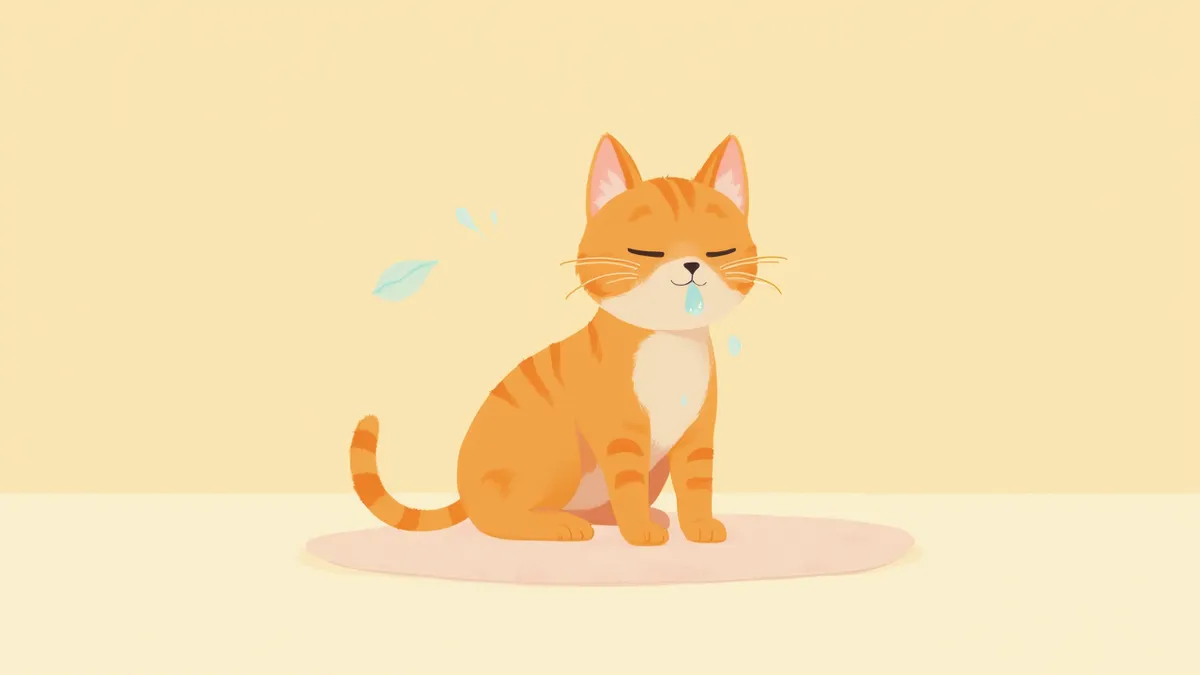
A cat sneezing while sitting on a blanket indoors.
Feline herpesvirus is the most common cause of upper respiratory infections in cats. It produces cold-like symptoms such as sneezing, nasal discharge, and red, inflamed eyes. The key thing to know is that once a cat is infected, the virus never completely disappears. It lies dormant in the nerve ganglia and reactivates whenever the immune system weakens. While a complete cure is difficult, symptoms can be well managed with proper care. Let’s go through the symptoms and management strategies step by step.

How Is It Transmitted?

Feline herpesvirus is a double-stranded DNA virus that infects only cats. It is not transmissible to humans or dogs, so you can rest assured. There are three main routes of transmission:
Direct contact: The virus spreads when an infected cat rubs noses with or grooms another cat.
Droplet infection: It can be transmitted through secretions expelled during sneezing.
Contaminated objects: The virus can also spread via fomites such as food bowls, blankets, or a caregiver’s hands.
Kittens, immunocompromised cats, and cats in densely populated environments like shelters are at higher risk of infection.

Comparing Symptoms: Herpesvirus vs. Calicivirus

ItemHerpesvirusCalicivirus
Typical symptomsSneezing, runny noseOral ulcers, drooling
Eye symptomsConjunctivitis, corneal ulcersRare
Oral symptomsRareTongue and gum ulcers
Latent infectionLatent in the trigeminal ganglionMaintains a chronic carrier state
Recurrence patternRecurs under stressCan shed continuously

Based on veterinary internal medicine textbooks

Check for These Symptoms

Sneezing: This is usually the first symptom to appear. Your pet may sneeze repeatedly or have clear nasal discharge.
Eye redness and tearing: The conjunctiva becomes red and swollen, with increased tearing. Sticky eye discharge may also form.
Changes in nasal discharge: Initially clear, the discharge may turn yellow or green if a secondary bacterial infection develops.
Loss of appetite: A stuffy nose impairs the sense of smell, leading to reduced food intake.
Fever: A fever may occur during the acute phase of the illness.
Corneal ulcers: The virus can directly attack the corneal epithelial cells, potentially causing ulcers.
A close-up of a cat's face with red, watery eyes.

When to Seek Immediate Veterinary Care

If your cat’s eyes are so swollen they can’t open, if they haven’t eaten at all for more than 48 hours, or if they’re breathing with difficulty while panting with their mouth open, seek veterinary care immediately. This is especially critical for kittens, as dehydration and malnutrition can progress rapidly, making prompt intervention essential.

How Is It Treated?
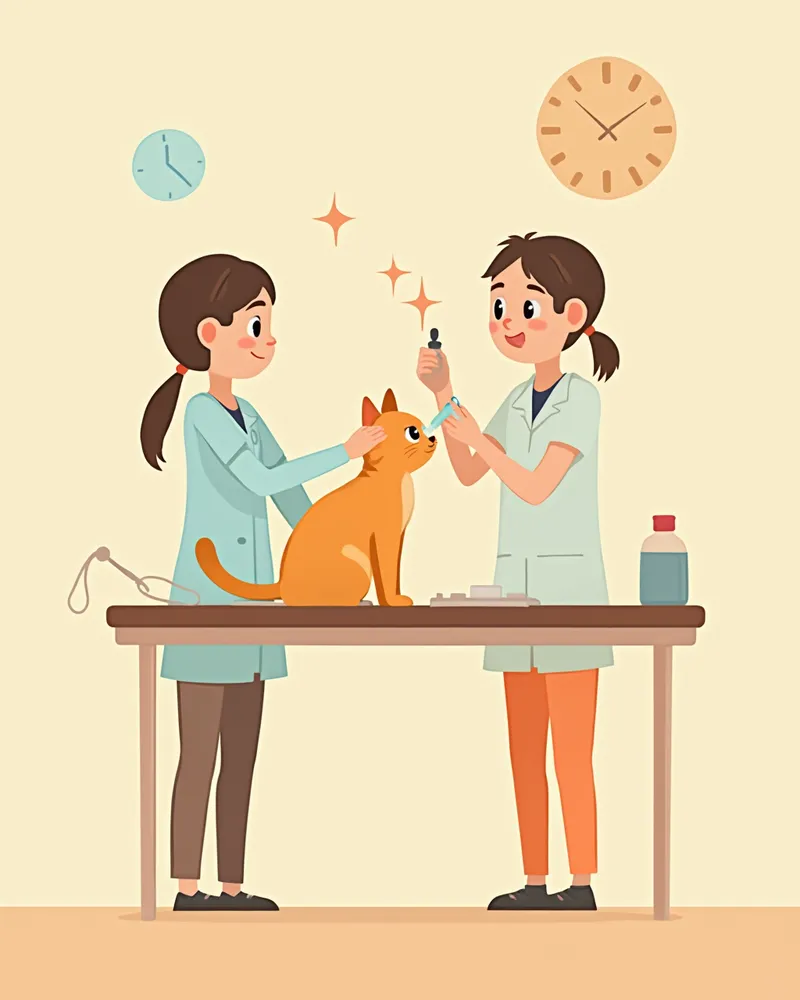
The key to treating feline herpesvirus is alleviating symptoms and preventing secondary infections.
Antiviral therapy: Your veterinarian will prescribe antiviral eye drops or oral medications based on your cat’s symptoms.
Antibiotics: While antibiotics don’t affect the virus itself, they are used if a secondary bacterial infection is present.
Eye drop treatment: If conjunctivitis or corneal ulcers are present, medicated eye drops are necessary.
Fluid therapy: Intravenous fluids may be administered if dehydration is severe.
The duration of treatment and specific medications are determined by your veterinarian based on your cat’s weight and symptoms, so please strictly follow the prescribed dosage and instructions.
A veterinarian administering eye drops to a cat

Home Care to Prevent Recurrence

Once a cat contracts the herpesvirus, it remains latent in the nerve ganglia for life. Because the virus can reactivate when the immune system weakens, consistent daily management is crucial.
Minimize stress: Moving, introducing a new cat, or other environmental changes are the most common triggers for recurrence. If changes are necessary, please introduce them gradually.
Nutritional care: A balanced diet and adequate hydration are the foundation of maintaining a strong immune system.
Supplement consultation: After consulting with your veterinarian, you may consider providing immune-supporting supplements.
Indoor environment: Avoid sudden temperature fluctuations and unpleasant irritants, and provide a stable, comfortable indoor space where your cat can rest peacefully.
A healthy cat enjoying its meal from a clean bowl in a warm home.

Essential Information for Multi-Cat Households

Most cats that have been infected remain latent carriers even after recovery. While they typically show no symptoms, stress can trigger viral shedding, potentially transmitting the virus to other cats. When introducing a new cat, isolate it for at least two weeks and provide separate food bowls and litter boxes. Regularly cleaning and disinfecting household items also helps reduce the risk of transmission.

Reviewed by a veterinarian

Dr. Tony — Punnawat Phongkittirak

Dr. Tony — Punnawat Phongkittirak

Veterinarian

A veterinarian who majored in veterinary medicine at Khon Kaen University, Thailand, and completed the IVSA program at North Carolina State University in the United States. Drawing on clinical experience at animal hospitals, he works in the pet healthcare field and is dedicated to building a digital care environment that connects pet parents with veterinarians.

Frequently Asked Questions

Can feline herpesvirus be transmitted to humans?
No, feline herpesvirus is species-specific, so it cannot be transmitted to humans or dogs. Please rest assured and continue caring for your cat.
Can cats infected with herpesvirus be completely cured?
It’s difficult to completely eradicate the virus. Once infected, it remains latent in the nerve ganglia for life. However, with proper management, pets can live healthy lives without symptoms.
Can vaccinations prevent infections?
Vaccination is an important tool in preventing and managing upper respiratory diseases in cats. The effectiveness of the vaccine and the appropriate schedule can vary depending on the cat's age, health status, and living environment, so it's best to have a thorough discussion with your veterinarian before making a decision.
How often do herpesvirus recurrences occur?
It varies from cat to cat. Some cats rarely experience recurrences if they are kept in a low-stress environment with strong immune function, while others may show symptoms with every seasonal change. Managing stress is the key to preventing flare-ups.
My pet only has eye discharge—should I take them to the vet?
Clear tears alone may not be a cause for concern, but if you notice yellow or green discharge or if your pet is having trouble opening their eyes, it could indicate a corneal ulcer or secondary infection. It’s best to visit the vet as soon as possible.

Share

Related Guides

References

[1] Schaer M. Clinical Medicine of the Dog and Cat, 4th Ed., CRC Press

[2] Radford AD, Gaskell RM, Dawson S. Feline Viral Upper Respiratory Disease, in: King LG (ed), Textbook of Respiratory Disease in Dogs and Cats, Saunders

[3] Silverstein DC, Hopper K. Small Animal Critical Care Medicine, 3rd Ed., Elsevier

This information is based on veterinary literature and does not replace diagnosis or treatment. Please consult a veterinarian for specific health concerns.

Metapet Co., Ltd. | CEO: Park Sung-yong | Business Reg. No. 417-88-02562 | Seoul, South Korea | Customer Center

Feline Herpesvirus: Symptoms & Management | Meongsiljang