
Like
Share
멍실장
고양이 당뇨 인슐린 종류와 평생 관리 비용 가이드

Guide to Insulin Types and Lifelong Management Costs for Feline Diabetes

EndocrineQ&AMeongsiljang Veterinary Advisory Board

Feline diabetes is an endocrine disorder that requires lifelong management. We’ve outlined the differences between insulin types, monthly real-world management costs, and key cost-saving tips every pet owner should know.

What Is Feline Diabetes — Starting with the Core Cost Structure

A cat resting comfortably in the sunlight
Feline diabetes mellitus is an endocrine disorder characterized by chronically elevated blood glucose levels due to insufficient insulin secretion from the pancreas or inadequate bodily response to insulin. The most critical aspects of management are selecting the appropriate type of insulin and implementing proper dietary care. Since this condition requires lifelong management, the first month after diagnosis typically costs between $400 to $700 for diagnostic tests and owner education, while the stable maintenance phase averages $100 to $200 per month. Costs can vary significantly depending on the type of insulin used and the monitoring methods employed.

Causes of Feline Diabetes and the Diagnostic Process

Feline diabetes is most similar to type 2 diabetes in humans. The main causes include obesity, lack of exercise, advanced age, and long-term use of steroids. Diagnosis is not based on blood glucose levels alone; fructosamine testing is also used to assess average blood glucose over the past two to three weeks. This is because cats are prone to stress-induced transient hyperglycemia, so a single measurement carries a risk of misdiagnosis. At initial diagnosis, a package including blood tests, urinalysis, and fructosamine testing costs approximately $200 to $300.

Comparison of Insulin Types for Cats

ItemLantus (glargine)ProZincCaninsulin
Duration of action12–24 hours12 hours8–12 hours
Frequency of administrationTwice dailyTwice dailyTwice daily
Likelihood of remissionHighModerateLow
Monthly drug cost (average)KRW 80,000–120,000KRW 100,000–150,000KRW 50,000–80,000
Prescription frequencyMost commonDedicated productAdjunctive use

Average animal hospital price as of May 2026; estimate based on 4 kg body weight, twice daily

Insulin Administration and Storage — Practical Tips for Pet Owners
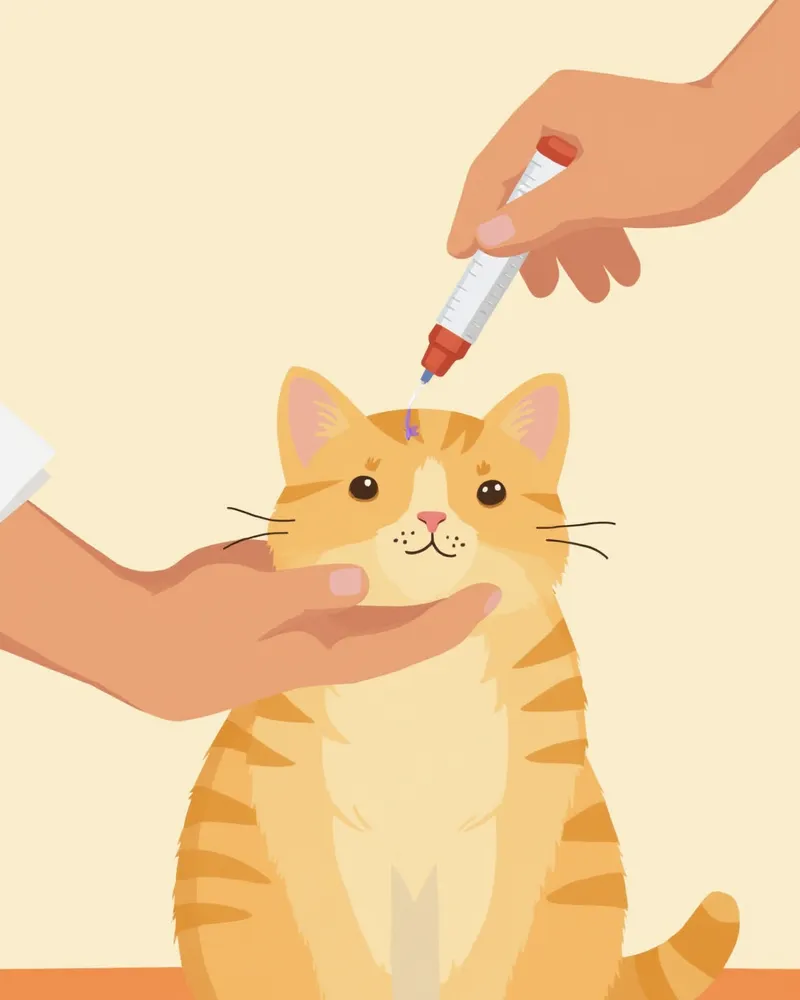
Your veterinarian will determine the insulin dosage based on your pet’s body weight and blood glucose curve. Never adjust the dose on your own. Administer the injection subcutaneously immediately after meals by gently lifting the skin between the shoulder blades or on the flank. Insulin should be stored in the refrigerator and mixed by gently rolling it between your palms, not by shaking. Once opened, an insulin pen should typically be used within 28 to 42 days to maintain its efficacy.
A caregiver's hand administering insulin to a cat

Hypoglycemia Is More Dangerous Than Hyperglycemia

If your pet shows signs of hypoglycemia after an insulin injection—such as staggering, drooling, seizures, or difficulty standing—apply honey or syrup to the gums and seek immediate veterinary care. On days when meals are skipped, it’s safer to reduce the insulin dose by half or contact your veterinarian first. Emergency hypoglycemia treatment costs can range from $200 to $600 during nighttime hours.

Monthly Real-World Management Cost Checklist

Breaking down the monthly costs during the stabilization period by category makes budgeting much easier. - Insulin: $40 to $100 (varies by type and body weight) - Syringes and needles: $10 to $20 - Prescription diet: $40 to $90 (diabetes-specific low-carbohydrate food) - Blood glucose test strips: $10 to $40 (for home monitoring) - Regular check-ups: Average of $20 to $40 per month (fructosamine test every three months) The typical total monthly cost ranges from $100 to $300.
A desk with diabetes management supplies and a ledger for a cat

Possibility of Remission and Cost-Saving Points

Unlike dogs, cats with diabetes can sometimes achieve remission, which means maintaining normal blood sugar levels for at least two weeks without insulin injections. Starting insulin therapy as soon as possible after diagnosis and combining it with a low-carb, high-protein diet can allow some cats to stop insulin altogether. While it’s difficult to pinpoint an exact remission rate, using long-acting insulin like Glargine (Lantus), early diagnosis, and consistent weight management are known to increase the chances of remission. Since relapse is possible even after remission, it’s recommended to monitor for recurrence with fructosamine tests every 3 to 6 months.

When Emergency Costs Increase

Diabetic ketoacidosis (DKA) is a life-threatening emergency complication characterized by loss of appetite, vomiting, lethargy, and abnormal breathing. Hospitalization costs can range from $700 to $2,000. If concurrent conditions such as pancreatitis, urinary tract infections, or dental disease are present, insulin response may become unstable, leading to additional diagnostic and treatment expenses. Even with prior insurance coverage, benefits are often limited after a diabetes diagnosis, so it is crucial to verify the timing of your policy enrollment.

Reviewed by a veterinarian

Dr. Tony — Punnawat Phongkittirak

Dr. Tony — Punnawat Phongkittirak

Veterinarian

A veterinarian who majored in veterinary medicine at Khon Kaen University, Thailand, and completed the IVSA program at North Carolina State University in the United States. Drawing on clinical experience at animal hospitals, he works in the pet healthcare field and is dedicated to building a digital care environment that connects pet parents with veterinarians.

Frequently Asked Questions

Why is the cost of diagnosing feline diabetes so high in the first month?
The initial costs are higher because they include blood, urine, and fructosamine tests, a blood glucose curve test (requiring 8–12 hours of hospitalization) to determine the starting insulin dose, and caregiver education. Once a stable dose is established, costs drop significantly from the second month onward.
Can I use a human blood glucose meter to test at home?
While human blood glucose meters can be used as a supplementary tool, they may yield readings lower than the actual values due to the unique characteristics of feline blood. For accurate results, it is best to use a veterinary-specific meter, such as the AlphaTrak 2. Home monitoring can help reduce the cost of hospital-based curve testing.
Can I feed regular low-carb food instead of diabetic-specific food?
Prescription diets for diabetic pets are specifically formulated to strictly manage and keep carbohydrate levels low. While some regular pet foods also claim to be low-carb, their protein and fat balances differ, which can impact blood sugar control. Therefore, it is essential to consult with your veterinarian before switching your pet’s diet.
Once the condition is resolved, can insulin be completely discontinued?
Even after being deemed in remission, diabetes can recur over time. Although insulin therapy may be discontinued, a low-carbohydrate prescription diet and weight management must be maintained for life. If signs of relapse such as polyuria, polydipsia, or weight loss appear, visit the clinic immediately to check blood glucose levels.
Can I get coverage for diabetes-related costs through pet insurance?
If your pet was enrolled in insurance before being diagnosed with diabetes, hospitalization and treatment for complications are often covered. However, routine management costs such as insulin and prescription diets are typically excluded. Be sure to review your policy’s terms and conditions carefully.

Share

Related Guides

References

[1] Notes on Canine and Feline Internal Medicine, 4th Ed — Endocrine Disorders

[2] Clinical Medicine of the Dog and Cat, 4th Ed — Diabetes Mellitus Management

[3] BSAVA Manual of Canine and Feline Endocrinology — Feline Diabetes Mellitus Chapter

This information is based on veterinary literature and does not replace diagnosis or treatment. Please consult a veterinarian for specific health concerns.

Metapet Co., Ltd. | CEO: Park Sung-yong | Business Reg. No. 417-88-02562 | Seoul, South Korea | Customer Center

Feline Diabetes Costs: Insulin Types & Lifelong Care Budget | Meongsiljang