Like
Share
멍실장
강아지 전립선 비대(BPH) 관리

Managing Benign Prostatic Hyperplasia (BPH) in Dogs

UrinaryQ&AMeongsiljang Veterinary Advisory Board

We’ve outlined the symptoms, diagnosis, and management of benign prostatic hyperplasia, a common condition in intact senior male dogs. Learn to recognize signs like difficulty defecating and blood in the urine, and find out the optimal timing for neutering.

What Is Benign Prostatic Hyperplasia (BPH) in Dogs?
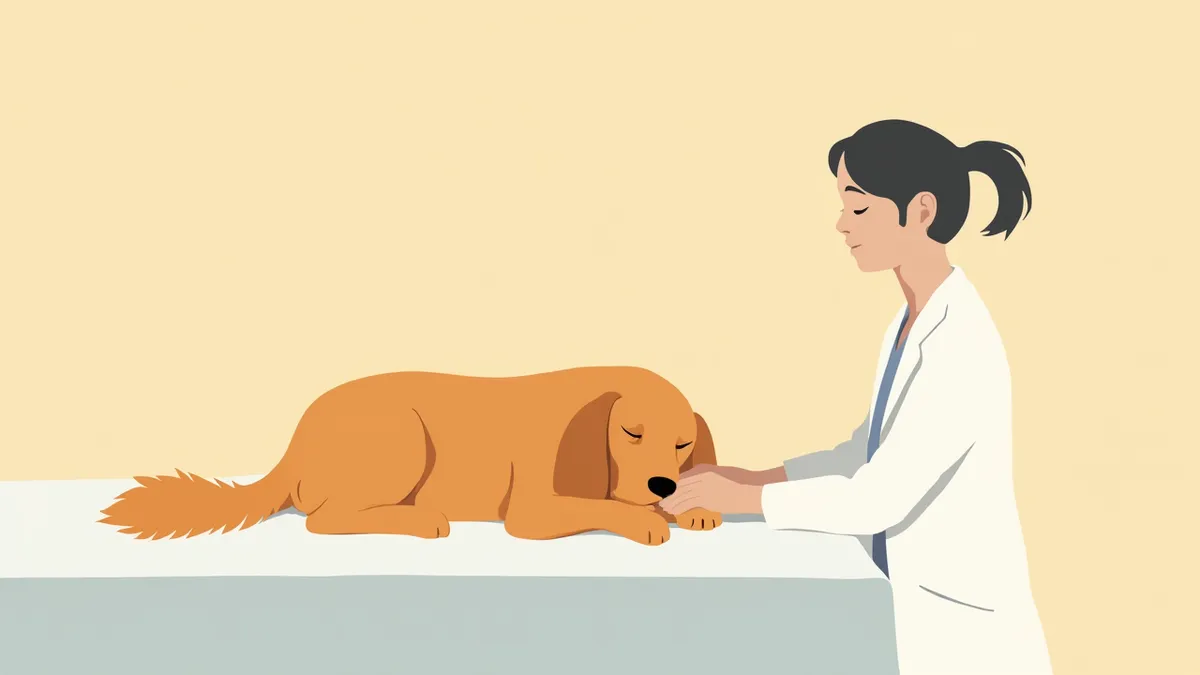
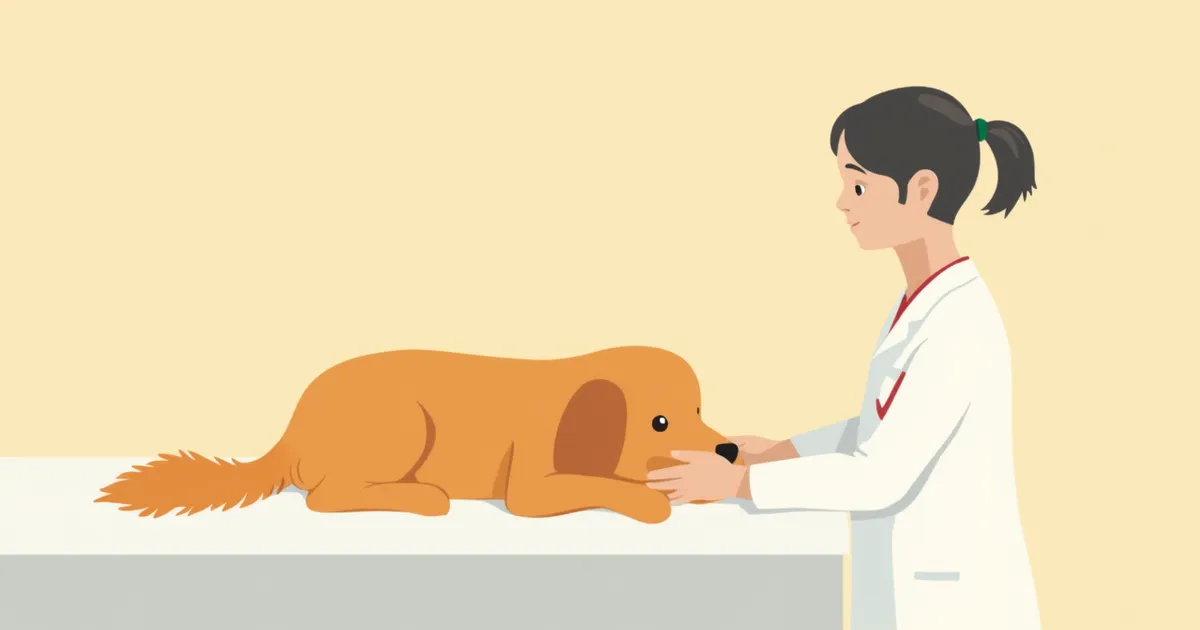
A middle-aged male dog undergoing a veterinary examination
Benign prostatic hyperplasia (BPH) in dogs is a non-cancerous condition in which the prostate gland gradually enlarges as testosterone is converted into dihydrotestosterone (DHT) by the enzyme 5-alpha reductase within the prostate tissue. It is the most common prostate issue in intact, senior male dogs. Early detection is key. If your dog struggles to defecate or you notice blood at the end of urination, don’t dismiss it as a normal part of aging; have your veterinarian perform a prostate examination. In many cases, neutering alone can reduce prostate size by approximately 50% within three weeks.

Causes and Common Age of Onset

Benign prostatic hyperplasia occurs as aging leads testosterone to be converted into dihydrotestosterone (DHT) by the enzyme 5-alpha reductase within the prostate gland, and this DHT causes excessive proliferation and enlargement of prostate cells. According to textbook data, approximately 75% (3 out of 4) of intact male dogs show signs associated with benign prostatic hyperplasia by around 6 years of age, and the prevalence rises with age, reaching about 95% in dogs aged 9 years and older. - Primary cause: Long-term exposure to dihydrotestosterone (DHT) - Common age group: Intact males aged 6 years and older - High-risk groups: Intact males, senior dogs - Neutered dogs: Rarely occurs

Differentiating Prostatic Conditions (Hyperplasia vs. Inflammation vs. Tumor)

ItemBenign prostatic hyperplasia (BPH)ProstatitisProstatic tumor
PainAlmost noneSevereSevere in later stages
FeverNonePresentRarely
HematuriaIntermittentFrequentPersistent
Occurrence in neutered dogsVery rareRareOccurs
Effect of neuteringVery effectiveAdjunctiveLimited

Even if symptoms look similar, the causes and treatments are completely different. A veterinary diagnosis is essential.

Signs That Warrant a Veterinary Checkup
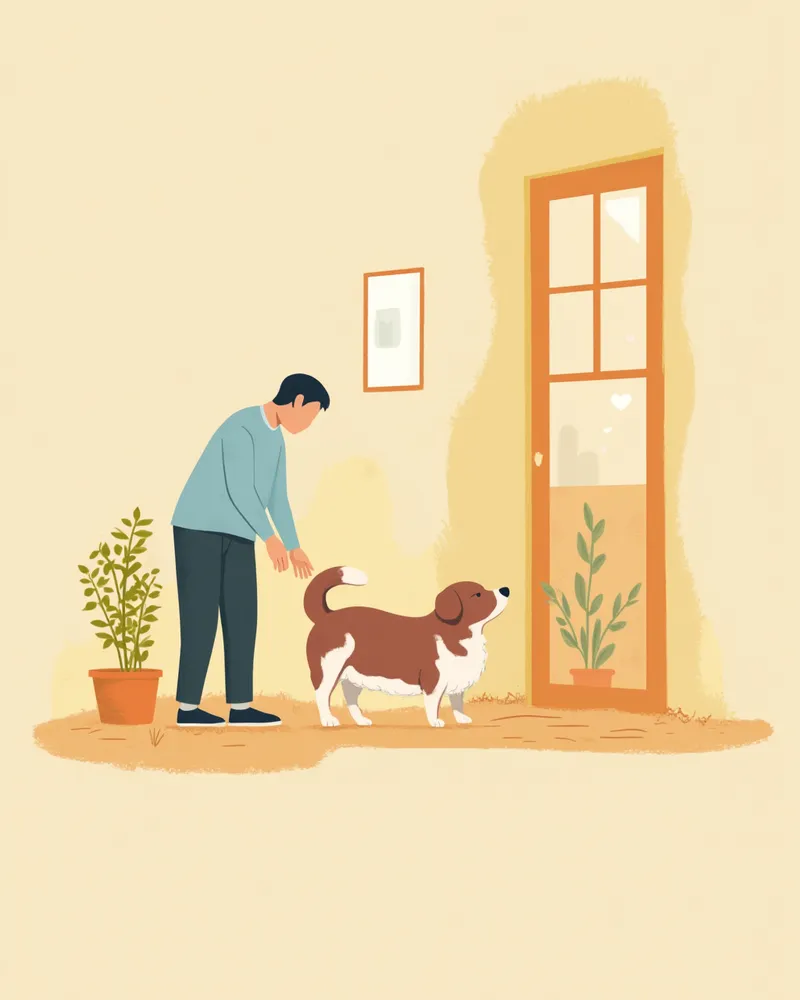
When the prostate enlarges, it presses against the adjacent rectum and urethra, often causing bowel and urinary issues to appear first. Here are the key signs you can look for at home: - Ribbon-shaped stools: Stools appear flattened or compressed. - Difficulty defecating: Your pet strains and takes a long time to pass stool. - Blood in urine or semen: A reddish tint may be visible at the end of urination or on the tip of the penis. - Abdominal discomfort: Your pet reacts sensitively when the belly is touched. - Changes in gait: Your pet walks with hind legs spread apart and stiffly.
An elderly male dog having difficulty defecating

When to Seek Immediate Veterinary Care

While most cases of prostate enlargement are not emergencies, you should visit a veterinary clinic within 24 hours if any of the following conditions are present, as complications such as prostatitis, prostatic abscesses, or tumors can lead to sepsis: - Refusal to defecate or urinate accompanied by a high fever (a body temperature noticeably higher than normal) - Severe abdominal pain upon palpation - Complete inability to urinate for more than 24 hours - Dark, purulent hematuria rather than clear blood-tinged urine - Severe lethargy and complete loss of appetite

How Is It Diagnosed at the Clinic?
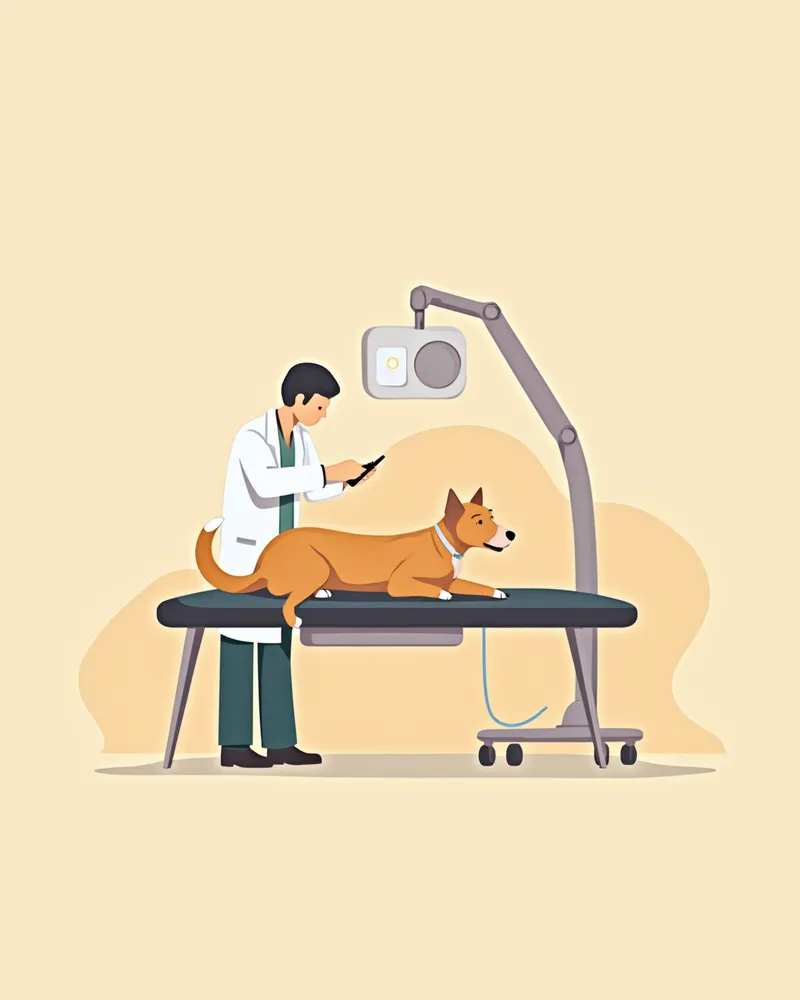
The veterinarian begins with a digital rectal exam, inserting a gloved finger into the rectum to palpate the prostate and assess its size, symmetry, and any signs of pain. Next, an abdominal ultrasound is performed to visualize the internal structure of the prostate, while blood and urine tests are conducted to check for inflammation markers and signs of infection. If necessary, prostatic fluid may be collected, or a fine-needle aspiration (FNA) biopsy may be performed to examine tissue samples and rule out tumors. Ultrasound is a valuable tool for evaluating prostate size, symmetry, and internal echogenic patterns, helping to distinguish between benign enlargement and neoplasia. For more precise diagnosis, a CT scan may also be recommended.
Male puppy undergoing an abdominal ultrasound examination

Neutering Is the Most Effective Treatment

The root cause of benign prostatic hyperplasia is DHT (dihydrotestosterone). Therefore, neutering, which involves removing the testes, is the most effective treatment and prevents recurrence. Within three weeks after surgery, the prostate size decreases by approximately 50%, and clinical symptoms resolve within two to three months. For dogs with breeding plans or those who are elderly or have underlying conditions that make surgery difficult, management with anti-androgen medications such as osaterone acetate may be used. However, since the prostate will enlarge again once the medication is stopped, lifelong management is required.

Medical Management When Surgery Is Not an Option

For senior dogs with underlying conditions such as heart or kidney disease, or those at high risk for anesthesia, medication can be used for management. Your veterinarian will determine the appropriate dosage and administration schedule based on your dog’s weight and overall health. - Osaterone acetate: Blocks the effects of male hormones on the prostate. - Finasteride: Inhibits 5-alpha reductase to reduce DHT production; low doses of human medications for hair loss or prostate conditions may also be used. - GnRH agonist implants: Subcutaneous implants that suppress hormonal stimulation, used at the veterinarian’s discretion. While medications can alleviate symptoms, they do not address the root cause. Long-term, neutering is recommended.

Home Care Tips

For dogs with prostate enlargement, adjust their environment to make urination and defecation as comfortable as possible. The key is to increase water intake and prevent constipation. - Adequate hydration: Place fresh water in multiple locations. - High-fiber diet: Mix small amounts of pumpkin or sweet potato into their food to soften stools. - Regular walks: Walk at least twice a day, allowing plenty of time for bathroom breaks. - Weight management: Obesity increases abdominal pressure, which can worsen symptoms. - Regular check-ups: Monitor changes in prostate size through rectal palpation and ultrasound every six months. In some cases, the condition can progress to infectious prostatitis. If symptoms worsen, learn more about canine urinary tract infection symptoms and treatment.
An elderly male dog drinking water at home

Reviewed by a veterinarian

Dr. Tony — Punnawat Phongkittirak

Dr. Tony — Punnawat Phongkittirak

Veterinarian

A veterinarian who majored in veterinary medicine at Khon Kaen University, Thailand, and completed the IVSA program at North Carolina State University in the United States. Drawing on clinical experience at animal hospitals, he works in the pet healthcare field and is dedicated to building a digital care environment that connects pet parents with veterinarians.

Frequently Asked Questions

Can a dog that has already been neutered still develop prostate enlargement?
The risk is very low. In neutered dogs, the sharp drop in male hormones causes the prostate to shrink. If a neutered male develops an enlarged prostate, it is more likely to be a tumor rather than benign enlargement, so a thorough diagnostic workup is essential.
Does an enlarged prostate progress to cancer?
Benign enlargement itself does not turn into cancer. However, older male dogs are at risk for prostate cancer, so enlargement and tumors can occur at the same time. Even though the symptoms may look similar, a veterinarian's diagnosis is necessary to distinguish between them.
Can the prostate enlarge again after neutering surgery?
Once male hormones are removed, the enlargement won’t recur. If the prostate enlarges again after neutering, it’s important to consider the possibility of residual testicular tissue, prostatitis, or a tumor.
Is it okay to just continue with medication treatment?
While the medication helps control symptoms, the condition tends to recur once the drugs are discontinued. Because long-term use can place a strain on the liver and kidneys, we recommend monitoring blood work every 6 to 12 months and transitioning to neutering whenever possible.
At what age should I start having my dog’s prostate checked?
For intact male dogs, it’s a good idea to include a digital rectal exam in their health checkups starting at age five. After age seven, we recommend adding an annual ultrasound. Early detection makes management much easier.

Share

Related Guides

References

[1] Ettinger SJ, Feldman EC. Textbook of Veterinary Internal Medicine, 8th Edition, Chapter on Diseases of the Prostate Gland

[2] Nelson RW, Couto CG. Small Animal Internal Medicine, 6th Edition, Prostatic Disorders

[3] Johnston SD et al., Canine and Feline Theriogenology, Prostatic Disease in the Dog, 2001

This information is based on veterinary literature and does not replace diagnosis or treatment. Please consult a veterinarian for specific health concerns.

Metapet Co., Ltd. | CEO: Park Sung-yong | Business Reg. No. 417-88-02562 | Seoul, South Korea | Customer Center

Benign Prostatic Hyperplasia (BPH) in Dogs: Management | Meongsiljang