Like
Share
멍실장
강아지 신장 아밀로이드증 자주 묻는 질문 Q&A — 보호자가 꼭 알아야 할 핵심

What is Canine Renal Amyloidosis? — Symptoms, Prognosis, and Treatment Directions

KidneyQ&AMeongsiljang Veterinary Advisory Board

Canine renal amyloidosis is a rare disease with a strong genetic component, and early detection is key to effective treatment. Here’s a summary of the symptoms and management strategies every pet owner should know.

What is Canine Renal Amyloidosis?

A dog undergoing a kidney examination with a veterinarian
Canine renal amyloidosis is a condition in which abnormal amyloid proteins (with a beta-pleated sheet structure) accumulate in the glomeruli and interstitium of the kidneys, gradually impairing their function. Familial and genetic predispositions have been reported, with cases of familial renal amyloidosis documented in certain breeds such as English Foxhounds, Beagles, and Shar-Peis. In the early stages, symptoms are minimal, making early detection difficult; however, as the disease progresses, proteinuria and declining kidney function become apparent. Because this condition is difficult to cure, early diagnosis and consistent management are essential. Regular health check-ups and identification of genetic risk factors are important. - Genetic predisposition: Renal amyloidosis has been reported as a familial condition in certain breeds, which may increase the risk of developing the disease. - Declining kidney function: As amyloid accumulates in the glomeruli and interstitium, filtration capacity decreases, making it harder to eliminate waste products. - Importance of early detection: Detecting the disease early through screening before symptoms appear is key to effective management.

What are the Main Causes of This Condition?
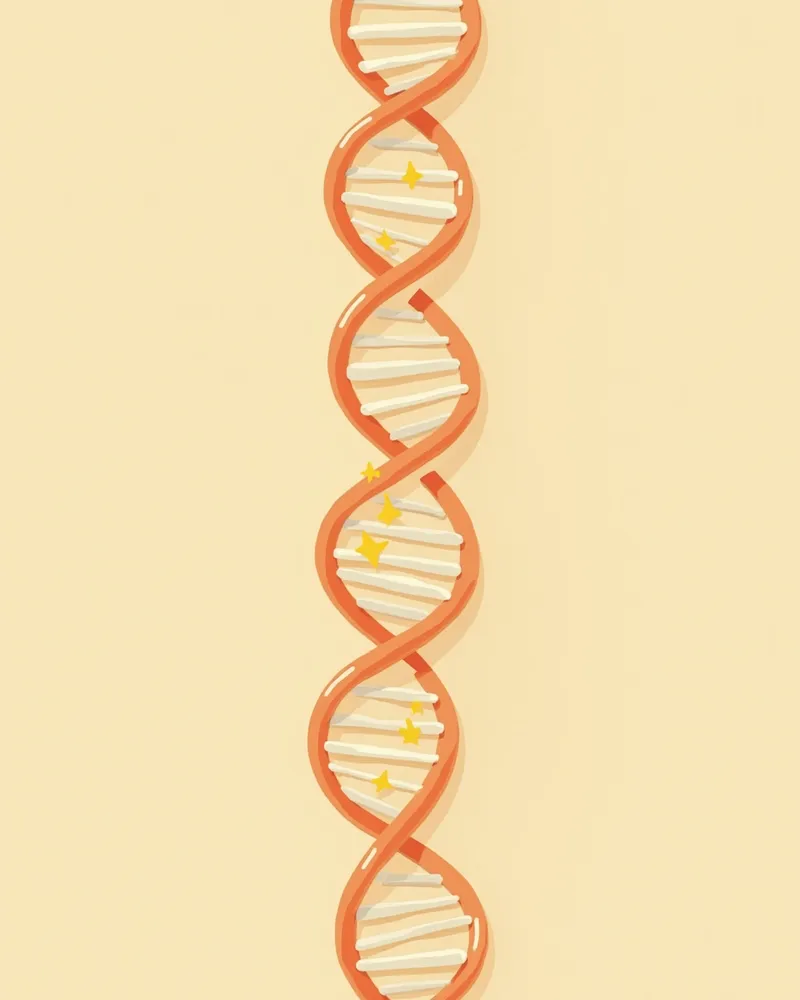
Canine renal amyloidosis is closely linked to genetic and familial factors. It occurs in a familial pattern in certain breeds, with familial renal amyloidosis reported in English Foxhounds and Beagles. In Shar-Peis, it may present alongside a history of fever episodes. Additionally, chronic inflammation or long-term infections can stimulate acute-phase proteins, thereby promoting amyloid formation. Regular check-ups are beneficial for breeds with genetic risk factors. - Genetic mechanism: In certain breeds, renal amyloidosis is passed down in a familial pattern, serving as a primary background for disease development. - Breed specificity: Familial predisposition has been reported in English Foxhounds, Beagles, and Shar-Peis, increasing their risk of developing the condition. - Impact of chronic inflammation: Prolonged inflammatory responses can stimulate acute-phase proteins, accelerating amyloid accumulation.
Genetic mutations associated with canine renal amyloidosis

What Symptoms Appear?

In the early stages, canine renal amyloidosis typically shows few or no symptoms. However, as the condition progresses, the following signs may appear. By the time symptoms become noticeable, kidney function is often severely compromised and proteinuria has already advanced, making early detection crucial.
Polyuria and polydipsia: Increased water consumption and more frequent urination.
Weight loss: Reduced appetite or a noticeable decrease in body weight.
Recurrent vomiting: Accumulation of uremic toxins leads to frequent nausea and vomiting.
Lethargy: Decreased activity levels and reluctance to move, often staying in one place throughout the day.
Proteinuria and edema: Damage to the glomeruli allows protein to leak into the urine, which can result in hypoalbuminemia and swelling.
A lethargic dog due to decreased kidney function

Signs Requiring Immediate Veterinary Visit

If your dog suddenly loses its appetite, vomits repeatedly, or stops urinating altogether, take it to the vet immediately. These are signs of a rapid decline in kidney function. Early treatment significantly improves survival rates.

How is it Diagnosed?

Canine renal amyloidosis is difficult to diagnose in its early stages because it often presents no symptoms. Blood and urine tests can help determine whether kidney function has declined. In particular, elevated blood creatinine and BUN levels, proteinuria (high UPC ratio) in the urine, and hypoalbuminemia are warning signs. A definitive diagnosis is made through a kidney biopsy that confirms the presence of amyloid; specifically, the diagnosis is established when Congo red staining shows characteristic apple-green birefringence under polarized light. However, in advanced stages where the kidneys are small and exhibit increased echogenicity, a biopsy may not be helpful. Ultrasound examination is also useful for evaluating structural changes such as reduced kidney size and increased echogenicity. Regular check-ups are recommended for breeds with genetic risk factors. - Blood and urine tests: Early abnormalities can be detected by monitoring for elevated creatinine and BUN levels, proteinuria, and hypoalbuminemia. - Kidney biopsy: This is the definitive method for directly confirming amyloid through Congo red staining, but it has limitations in advanced stages of the disease. - Ultrasound examination: This allows for non-invasive assessment of structural changes, such as reduced kidney size and increased echogenicity. - Importance of regular check-ups: Regular veterinary examinations are recommended for breeds with genetic risk factors.
A veterinarian performing a kidney biopsy under ultrasound guidance

What are the Treatment Methods?

Canine renal amyloidosis is a challenging condition to cure, so treatment focuses on managing symptoms and slowing disease progression. Your veterinarian will determine the appropriate medications and dietary adjustments based on your dog’s weight and overall condition. The main treatment approaches include:
Colchicine: This amyloid-specific medication can be used to slow amyloid formation by inhibiting microtubule assembly.
Blood pressure management: Controlling high blood pressure helps reduce damage to the glomeruli.
Renal prescription diet (protein-controlled): Commercial renal prescription diets help manage protein intake to reduce the workload on the kidneys.
Fluid therapy: Intravenous fluids or oral hydration are provided to prevent dehydration.
Dogs eating special food for kidney disease

Home Care Points

Daily care is the key to successfully managing canine renal amyloidosis. Here are the essential guidelines for pet owners to follow:
Water Access: Always provide fresh water and encourage your dog to drink frequently.
Dietary Management: Strictly adhere to the diet prescribed by your veterinarian and limit treats.
Activity Regulation: Avoid strenuous exercise and maintain a comfortable environment.
Regular Check-ups: Have blood and urine tests performed every one to two months.
Medication Adherence: Administer medications consistently at the correct times and dosages.
Creating a Home Environment for Managing Your Dog’s Kidney Disease

Breeds and Ages to Watch For

Familial renal amyloidosis is reported more frequently in certain breeds. Among dogs, cases have been documented in English Foxhounds, Beagles, and Shar-Peis, with Shar-Peis sometimes presenting alongside a history of fever episodes. In cats, the Abyssinian breed is well known for this condition. Breeds with a genetic predisposition are advised to undergo pre-screening and regular veterinary check-ups.

Reviewed by a veterinarian

Dr. Tony — Punnawat Phongkittirak

Dr. Tony — Punnawat Phongkittirak

Veterinarian

A veterinarian who majored in veterinary medicine at Khon Kaen University, Thailand, and completed the IVSA program at North Carolina State University in the United States. Drawing on clinical experience at animal hospitals, he works in the pet healthcare field and is dedicated to building a digital care environment that connects pet parents with veterinarians.

Frequently Asked Questions

Is canine renal amyloidosis hereditary?
Yes, it is a condition with a strong genetic predisposition, and certain breeds have a higher incidence. If there is a family history, early screening is important.
Is this condition curable?
While a complete cure remains difficult at this time, early detection and consistent management can significantly extend your pet’s lifespan and greatly improve their quality of life.
Why is dietary management important?
Proper protein intake helps reduce the burden on the kidneys and slows disease progression. Be sure to follow the diet plan recommended by your veterinarian.
How should the medication be administered?
It’s important to give the medication consistently at the correct dose and on schedule. Missing doses can significantly affect the effectiveness of the treatment.
When should the next check-up be?
Typically, blood and urine tests are performed every one to two months. Please follow your veterinarian's instructions for regular check-ups.

Share

Related Guides

References

[1] Ko et al. (2020) Canine Renal Amyloidosis: A Retrospective Study of 45 Cases. Journal of Veterinary Internal Medicine, 34(3), 1123–1130.

[2] Plumb's Veterinary Drug Handbook, 9th Edition. (2021). Wiley-Blackwell.

[3] The Cat and Dog: Clinical Medicine and Management, 2nd Edition. (2022). Elsevier Health Sciences.

This information is based on veterinary literature and does not replace diagnosis or treatment. Please consult a veterinarian for specific health concerns.

Metapet Co., Ltd. | CEO: Park Sung-yong | Business Reg. No. 417-88-02562 | Seoul, South Korea | Customer Center

What Is Canine Renal Amyloidosis? Symptoms, Prognosis, and Treatment | Meongsiljang