Like
Share
멍실장
강아지 시선·아이콘택트 의미

Meaning of Dog Gaze and Icon-tact

Brain & CognitionQ&AMeongsiljang Veterinary Advisory Board

When your dog locks eyes with you, it can convey a range of signals—affection, a request, or tension. By observing the duration of the gaze, pupil dilation, and surrounding body language, you can accurately understand what your dog is trying to communicate.

Dog Icon-tact: What Does It Mean?
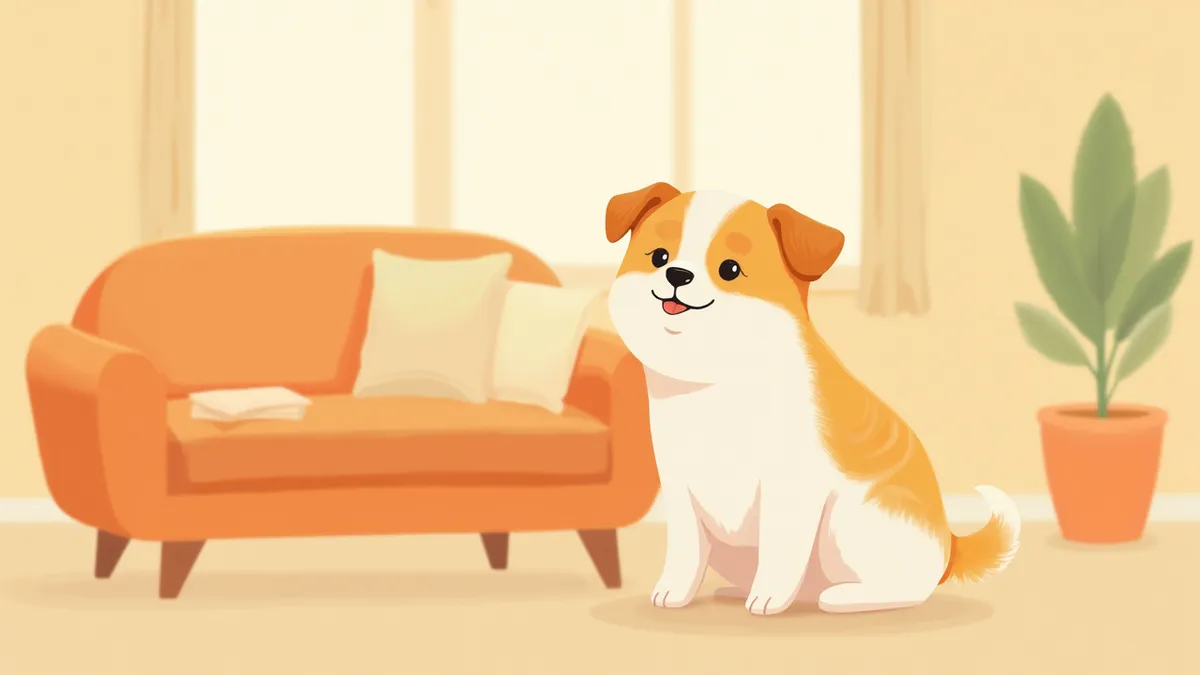
A dog gazing up at its owner on the sofa, making eye contact.
Dog icon-tact is a form of nonverbal communication in which a dog maintains eye contact with its owner for a certain period of time to convey emotions or needs. What truly matters is not the gaze itself, but its duration, intensity, and accompanying body language. A soft, relaxed gaze may signal affection, whereas wide-eyed staring with a stiff body can serve as a warning. To accurately interpret the meaning of a dog's gaze, it is essential to consider the context and the signals conveyed by its entire body.

Why Do Dogs Look at People's Eyes?

For dogs, eye contact is a vital form of communication, as both humans and dogs are social animals. Natural, voluntary eye contact conveys a meaningful and calming signal, whereas forced eye contact can make a dog feel uncomfortable or even threatened. Therefore, rather than demanding eye contact, it’s best to interpret your dog’s gaze as a “signal of interest,” indicating they are focused on you and ready to engage. Gentle, voluntary eye contact is more than just a behavior; it’s a way of communication that comfortably connects you and your dog.

Meanings of Gaze Types at a Glance

ItemAccompanying BehaviorMeaning
Soft, natural gazeGentle tail wag, relaxed expressionAffection/trust
Staring intently while tapping with a front pawNear the food bowl/in front of the doorA request (food/walk)
Averting eyes and turning the headTongue flick, yawningDiscomfort/stress
Glaring with a rigid bodyTail upright, growlingWarning/precursor to attack
Whale eye with whites showingEars back, body hunchedExtreme tension/fear

Eye contact must always be interpreted together with the whole-body signals to be accurate.

'Soft Gaze' Conveying Affection and Trust
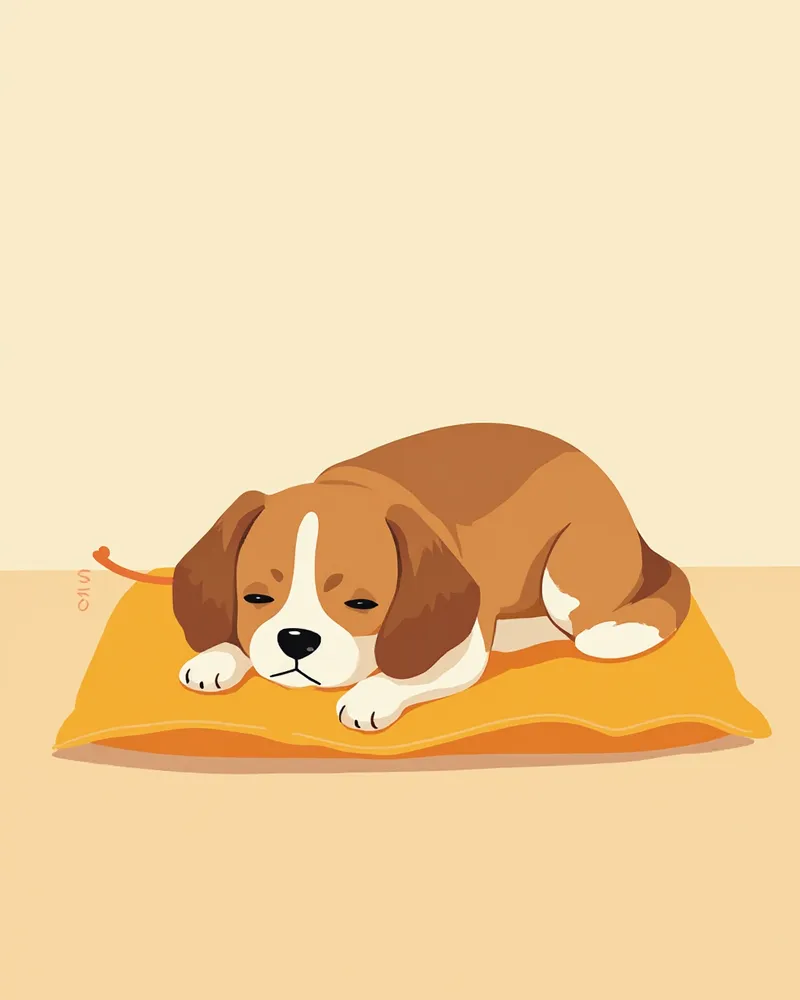
When the muscles around the eyes are relaxed, the pupils are a normal size (not excessively dilated), and the entire body is free of tension, it is likely a signal of affection and trust. The more natural and voluntary the eye contact, the more comforting and meaningful the signal. At such moments, if the owner responds calmly with a gentle expression, the dog will feel even more at ease. - Soft eyes: The eyes appear relaxed and free of tension. - Relaxed expression: There is no tension in the mouth or facial muscles. - Gentle tail wagging: A tail that sways broadly and loosely from side to side expresses comfort and friendliness. The more these three signs overlap, the deeper the bond with the owner, marking a moment of true relaxation.
A beagle slowly blinking its eyes with a calm and gentle gaze

Keep Your Distance from This Type of Gaze

A rigid body posture with the head lowered and eyes fixed upward in a hard stare can signal an imminent attack. This behavior is especially concerning near food or toys, as it may escalate into resource guarding. In such situations, avoid direct eye contact and slowly move to the side to exit your dog’s line of sight. Confronting your dog with direct eye contact or scolding can worsen the situation.

5 Common 'Demand Gaze' Types
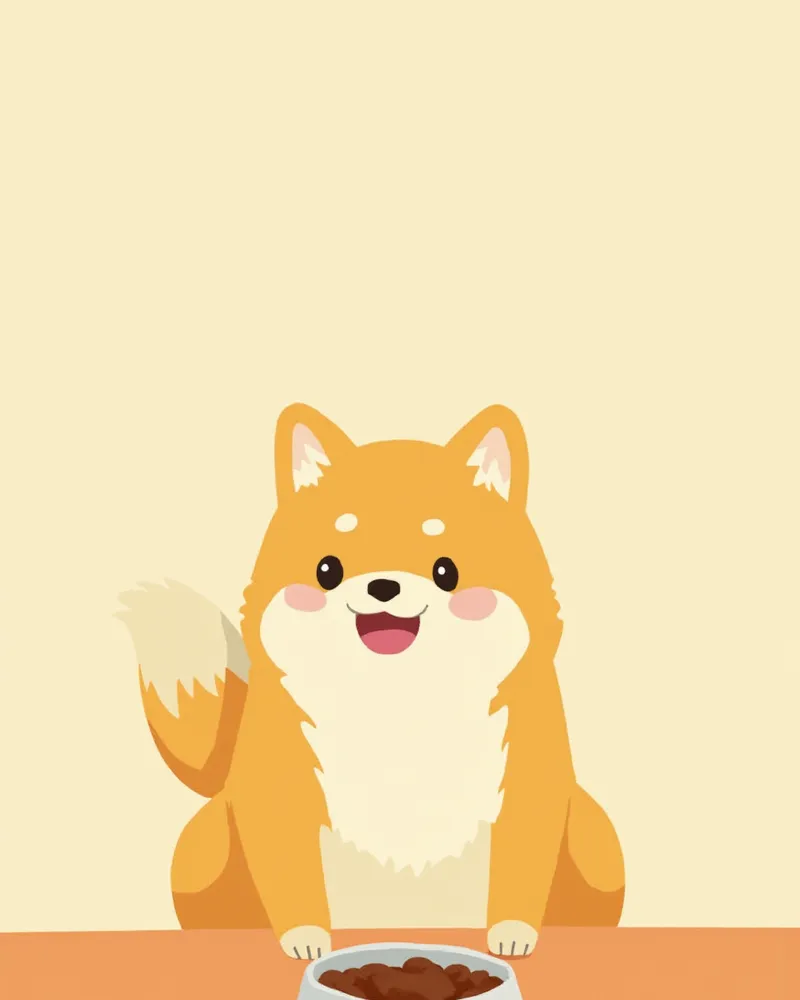
That intense stare your pet gives you while asking for something is actually learned communication. Most often, this habit develops from past experiences where making eye contact was followed by a reward. - Staring near the food bowl: "I'm hungry." - Staring at the front door: "I want to go for a walk." - Staring at your lap: "Please hold me" or "Please pet me." - Holding a toy in their mouth while staring: "Play with me." - Staring after using the bathroom: "Did I do good? Praise me." If you only respond when the behavior is appropriate, it won't become a bad habit.
A Shiba Inu staring intently at its owner beside an empty food bowl

'Avoiding' Gaze Is Also an Important Signal

When your dog suddenly averts their gaze or sharply turns their head, it’s not a sign of ignoring you—it may actually be a non-aggressive way of saying, “I have no intention of harming you.” Even well-socialized dogs often briefly avoid eye contact when encountering each other, as a signal that they are not hostile. Additionally, behaviors like yawning or licking their lips while avoiding eye contact can be stress signals that appear in anxious or tense situations. These signs are commonly seen when dogs feel pressured, such as when meeting strangers or being scolded. If you continue to force eye contact or push them in these moments, your dog may become even more anxious. The best response is to gently break eye contact yourself and maintain a comfortable distance, helping your dog feel at ease.

Changes in Gaze Can Also Be a Sign of Disease

If your usually active pet suddenly avoids eye contact or stares blankly into space for extended periods, it may be more than just a mood swing. Changes in behavior or consciousness, as well as vision loss, can stem from abnormalities in the eyes or nervous system. In fact, conditions such as cataracts, retinal diseases, optic nerve disorders, and even brain lesions can cause vision impairment or behavioral changes. If neurological symptoms like ataxia (staggering) or seizures occur alongside these signs, a veterinary examination is necessary. For senior dogs showing sudden behavioral changes, also consider reviewing early signs of canine cognitive dysfunction.

How to Train Icon-tact
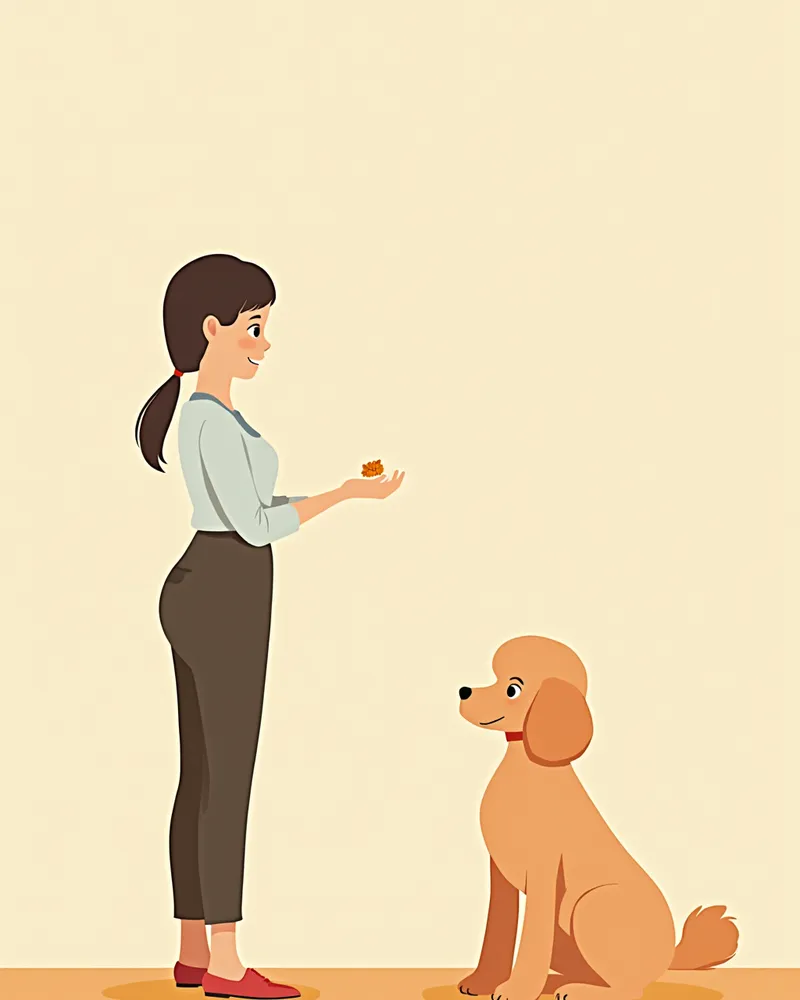
The "Look" command is the foundation of all training. The method is simple: hold a treat in your hand at your dog's eye level, say "Look," and as soon as your dog makes eye contact, immediately reward them with the treat and praise. Start with just one second of eye contact, then gradually increase to three and five seconds as your dog becomes more comfortable. Consistently repeating short sessions will help your dog develop the habit of focusing on you, even in distracting environments. This training enhances your dog's attention toward you and can also be helpful in managing unexpected situations during walks.
A Poodle making eye contact with its owner during a "look" training session using treats.

Reviewed by a veterinarian

Dr. Tony — Punnawat Phongkittirak

Dr. Tony — Punnawat Phongkittirak

Veterinarian

A veterinarian who majored in veterinary medicine at Khon Kaen University, Thailand, and completed the IVSA program at North Carolina State University in the United States. Drawing on clinical experience at animal hospitals, he works in the pet healthcare field and is dedicated to building a digital care environment that connects pet parents with veterinarians.

Frequently Asked Questions

Is it okay to maintain prolonged eye contact with my dog?
Soft eye contact with your own dog strengthens your bond. However, avoid prolonged eye contact with unfamiliar dogs. In the canine world, a long, fixed stare from a stranger can be interpreted as a threat.
My dog keeps avoiding me. Does he dislike me?
Not at all. In fact, it may be a sign of respect or a response to stress. First, check whether you’ve recently scolded your pet loudly or if there’s any underlying pain or discomfort. Avoid forcing eye contact and instead wait patiently at a comfortable distance.
Is frequent blinking a sign of a health issue?
When your pet’s eyes look relaxed and they blink naturally, there’s usually no cause for concern. However, if only one eye blinks frequently, or if blinking is rapid and accompanied by tearing or discharge, it could indicate an eye condition such as a corneal ulcer, and a veterinary examination is recommended.
Is the "whale eye" phenomenon, where the whites of the eyes are visible, dangerous?
Whale eye is a sign that your dog is extremely tense. If your pup is showing this, it’s important to remove them from the uncomfortable situation right away. For example, if you notice the whites of their eyes while holding them for a photo, it’s best to gently put them down immediately.
When should you start eye contact training with your pet?
It’s best to start eye-contact training with puppies as early as possible. During the critical socialization period, build positive associations by rewarding brief 1–2 second eye contacts with praise and treats, establishing a lifelong good habit. Keep the training light and playful rather than forceful.

Share

Related Guides

References

[1] Horowitz, A., Inside of a Dog: What Dogs See, Smell, and Know, Scribner, 2009

[2] Nagasawa M. et al., Oxytocin-gaze positive loop and the coevolution of human-dog bonds, Science, 2015

[3] Overall K.L., Manual of Clinical Behavioral Medicine for Dogs and Cats, Elsevier, 2013

This information is based on veterinary literature and does not replace diagnosis or treatment. Please consult a veterinarian for specific health concerns.

Metapet Co., Ltd. | CEO: Park Sung-yong | Business Reg. No. 417-88-02562 | Seoul, South Korea | Customer Center

The Meaning of Dog Gaze and Eye Contact | Meongsiljang