Like
Share
멍실장
강아지 체형 점수(BCS) 판단법 — 집에서 쉽게 확인하는 방법

How to Assess Your Dog’s Body Condition Score (BCS) — Easy Methods to Check at Home

WeightQ&AMeongsiljang Veterinary Advisory Board

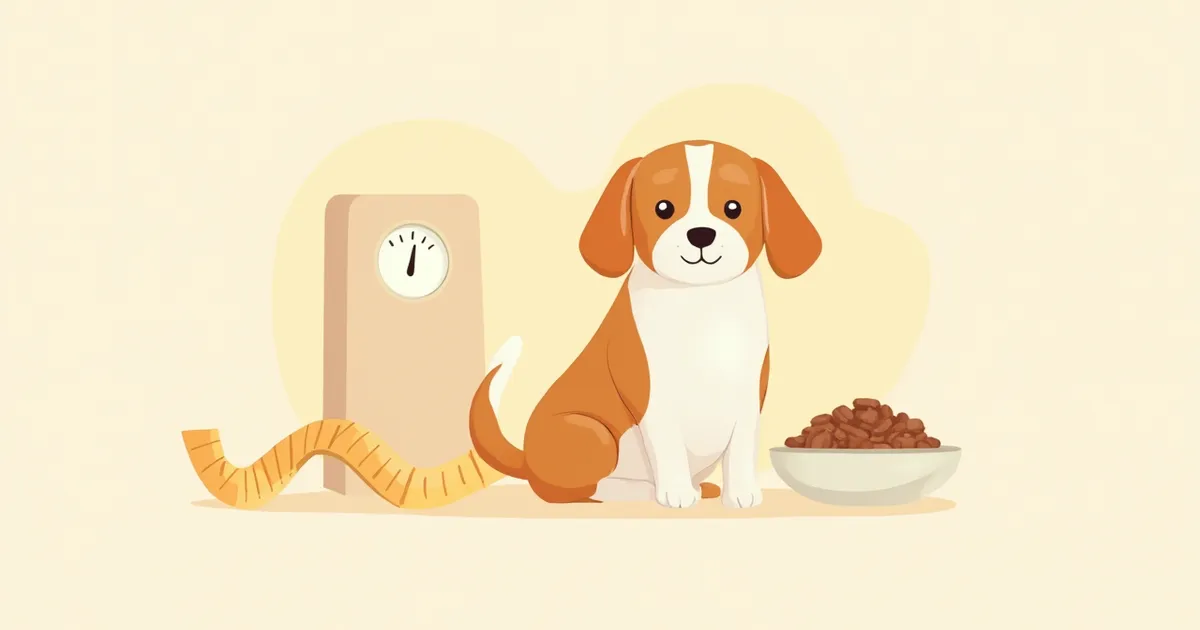
A dog’s Body Condition Score (BCS) is assessed on a 1–9 scale by feeling the ribs and evaluating the waist and abdominal profile. A score of 4–5 is ideal, while 6 or higher indicates overweight.

How to Assess Your Dog’s Body Condition Score?

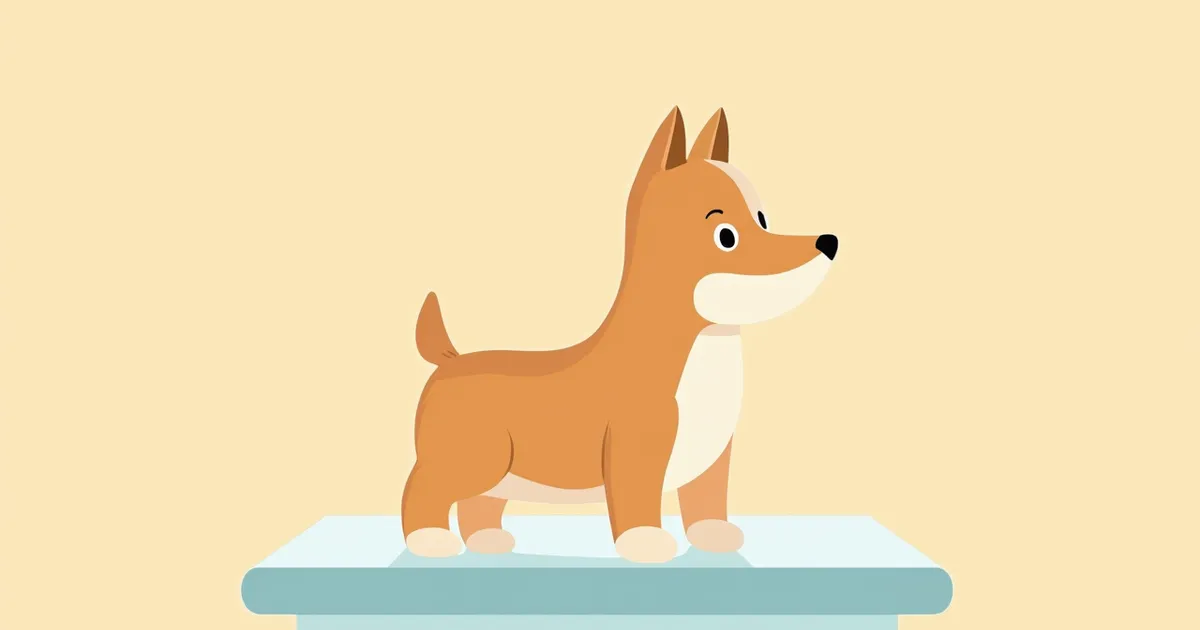
A golden retriever with an ideal body shape standing in profile.
The Body Condition Score (BCS) is a 1-to-9 scale used to estimate your dog’s body fat percentage. A score of 4 to 5 is considered ideal, and for every point above 5, your dog is approximately 10% overweight. You can easily assess this at home by feeling for the ribs with your hands and observing the waistline from above. It’s important to look at the BCS alongside the number on the scale because the score is a better screening tool for reflecting the amount of body fat accumulated. In reality, many pet owners tend to underestimate their dog’s weight, so regularly checking the BCS is very helpful in preventing overweight conditions from going unnoticed.

Why It’s Essential to Check Body Condition Score

Canine obesity is more than just extra weight; it’s a condition that requires careful health management. A body condition score (BCS) above 5 indicates overweight status, and as the score rises, the dog deviates further from an ideal body shape. Prolonged overweight or obese conditions place increased strain on various parts of the body, potentially harming overall health. While a chubby appearance may seem cute to owners, it often reflects a body condition well beyond the healthy range. Regular BCS checks enable early detection of overweight issues and allow owners to begin proactive care sooner, helping maintain an ideal body condition (BCS 4–5) throughout the dog’s life.

Body Condition Score Criteria by Level (1–9 Points)

1–3 points (Underweight): The ribs, spine, and hip bones are clearly visible. There is very little body fat and noticeable muscle loss.
4–5 points (Ideal body condition): The ribs can be felt with a slight layer of fat, and a distinct waistline is visible from above. This is the healthiest body condition.
6 points (Early overweight): The ribs can be felt under a slightly thickened layer of fat. A waistline is present but not well-defined from above. This represents 10% overweight.
7 points (Overweight): Fat deposits are thick enough that the ribs are difficult to feel. The waistline is barely visible or absent, and abdominal tuck is lost. This represents 20% overweight.
8–9 points (Obese): The ribs are completely covered by a thick layer of fat and cannot be felt. There is no waistline, and the abdomen is pendulous. This represents 30–40% overweight.

3 Ways to Check Body Condition Score at Home
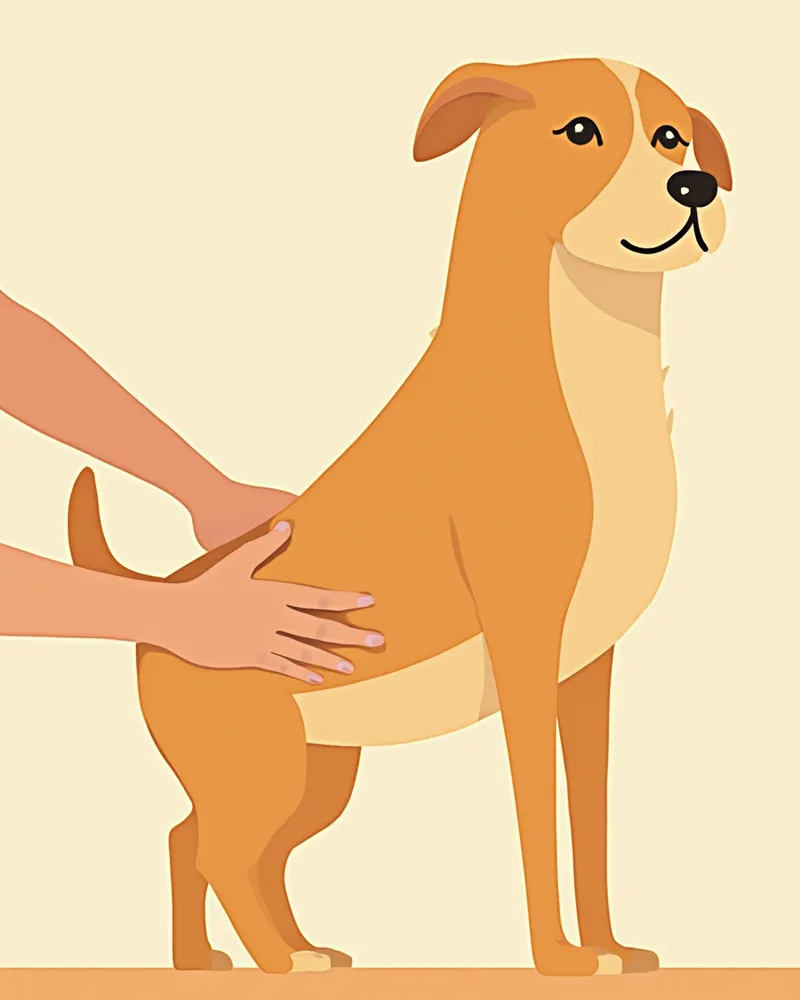
Rib Check: Gently run your hands along your pet’s sides. You should be able to feel the ribs easily under a thin layer of fat. If you have to press hard to feel them, your pet may be overweight.
Waistline: When viewed from above, there should be a visible waist behind the ribs. If the body looks like a straight tube, it may indicate excess weight.
Abdominal Tuck: When viewed from the side, the abdomen should slope upward slightly behind the ribs. A sagging belly may suggest obesity.
A guardian gently feeling along their dog’s ribcage with their hand to check the ribs.

Don’t Judge Obesity by Weight Alone

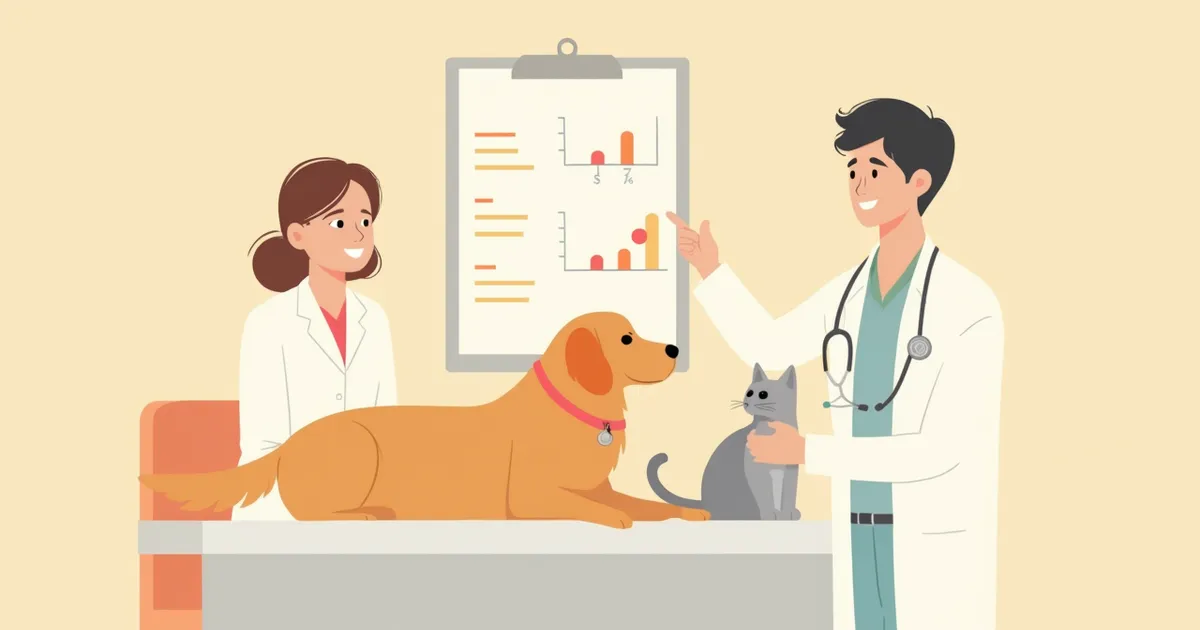
Body condition scores reflect body fat levels, which can’t be determined by scale readings alone. Even if your pet’s weight falls within the normal range, a high body condition score may indicate they are already overweight. Pet owners often underestimate their pet’s weight, making it easy to overlook excess weight. Always check the body condition score and have your veterinarian assess your pet’s body condition and muscle mass at every clinic visit.

Management Methods by Body Condition Score
4–5 points (Ideal body condition): You can maintain your pet’s current food intake and exercise routine. Offer treats sparingly, ensuring they make up only a small portion of your pet’s total daily caloric intake. 6–7 points (Overweight): Try gradually reducing the amount of food given and increasing walk time. Switching to low-calorie treats is also a good idea. For safety, plan weight-loss goals and feeding amounts together with a veterinarian or veterinary technician. 8–9 points (Obese): It is best to consult with a veterinarian and start a weight-loss program. Sudden dietary restriction can be harmful to health, so weight loss should be done slowly under professional guidance. 1–3 points (Underweight): There may be an underlying medical condition, so please have your pet examined by a veterinarian first.
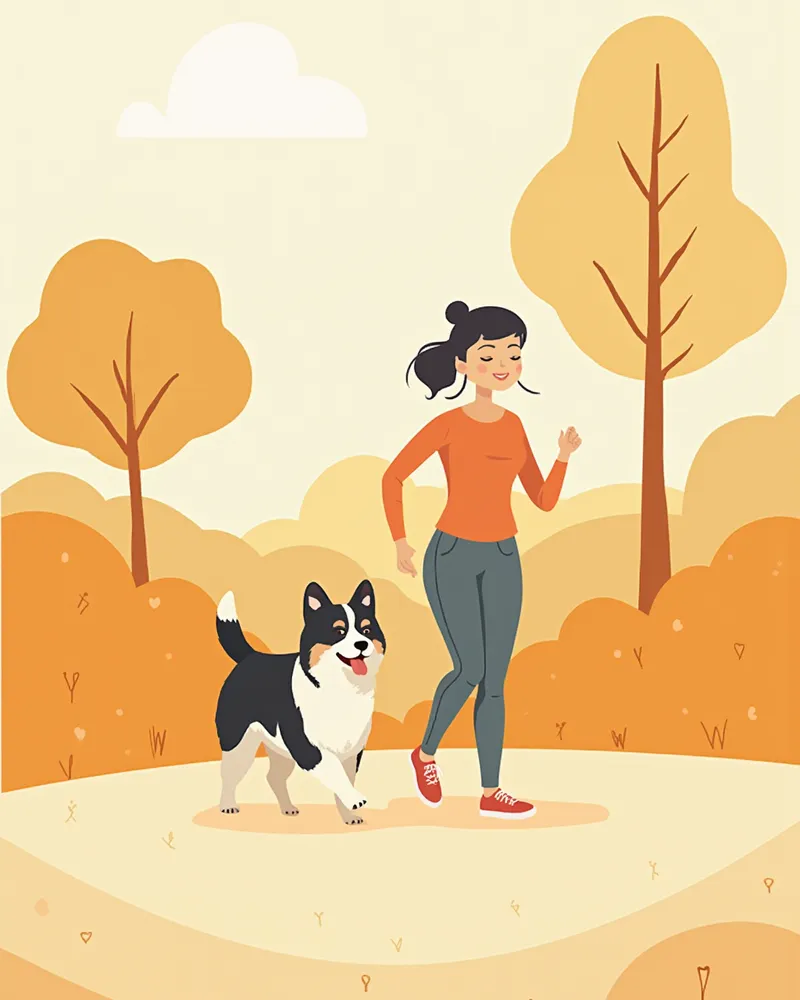
A dog enjoying a walk and exercise in the park with its owner.

Additional Tips for Accurate Body Condition Assessment

Long-haired puppies can look chubbier than they actually are because of their fluffy coats, so always check by gently feeling their body. Recording their body condition score every 2 to 4 weeks makes it easier to track changes. Since growing puppies change rapidly, it’s best to check them more frequently. Obesity usually results from eating more than needed and not getting enough exercise, so please monitor their body condition score closely during periods when their food intake or activity level changes.
Parting the long hair of a long-haired puppy to check its body shape

Body Condition Standards Vary by Breed

Sighthound breeds like Greyhounds and Whippets are naturally built to have a slight rib visibility, which is considered normal. On the other hand, brachycephalic breeds such as Bulldogs and Pugs can make body condition assessment more challenging. It’s important to interpret body condition scores with breed-specific traits in mind, so we recommend having your veterinarian guide you during the initial evaluation.

Reviewed by a veterinarian

Dr. Tony — Punnawat Phongkittirak

Dr. Tony — Punnawat Phongkittirak

Veterinarian

A veterinarian who majored in veterinary medicine at Khon Kaen University, Thailand, and completed the IVSA program at North Carolina State University in the United States. Drawing on clinical experience at animal hospitals, he works in the pet healthcare field and is dedicated to building a digital care environment that connects pet parents with veterinarians.

Frequently Asked Questions

How often should you check your pet’s body condition score?
For adult dogs, it's a good idea to check their weight every 2 to 4 weeks, while growing puppies should be checked every 1 to 2 weeks. If your dog is on a diet, monitor their weight weekly and have your veterinarian assess their progress during each visit.
Should I use the 5-point or 9-point body condition score scale?
The 9-point scale is more detailed and widely used in veterinary medicine. An ideal body condition scores 4–5 on the 9-point scale, or 3 on the 5-point scale.
How do you start a dog diet?
Gradually reduce your pet’s daily food intake and increase physical activity, such as through longer walks. For a safe and effective weight-loss plan, consult your veterinarian or veterinary nurse to set appropriate dietary goals and portion sizes. If your pet is already classified as obese, discuss with your vet whether a prescription weight-management diet would be suitable.
Does a low body condition score always mean you should just feed your pet more?
No, that’s not the case. Since low body weight can be caused by parasitic infections, gastrointestinal disorders, or endocrine diseases, it’s important to have your pet examined by a veterinarian first.
Do senior dogs follow the same body condition score guidelines?
Yes, we use the same 1–9 point scale. However, since older dogs often experience muscle loss, it’s also helpful to assess their muscle condition score.

Share

Related Guides

References

[1] Englar, R.E., The Veterinary Workbook of Small Animal Clinical Cases, Chapter: The New Puppy Wellness Examination — Body Condition Scoring

[2] Laflamme, D.P., Development and validation of a body condition score system for dogs, Canine Practice, 1997

[3] German, A.J., The Growing Problem of Obesity in Dogs and Cats, Journal of Nutrition, 2006

This information is based on veterinary literature and does not replace diagnosis or treatment. Please consult a veterinarian for specific health concerns.

Metapet Co., Ltd. | CEO: Park Sung-yong | Business Reg. No. 417-88-02562 | Seoul, South Korea | Customer Center

Dog Body Condition Score (BCS) Guide: How to Check at Home | Meongsiljang