Like
Share
멍실장
차량 이동 시 멀미 원인과 대처

Why Do Dogs Get Car Sickness? — Causes, Prevention, and Relief Explained

ImmunityQ&AMeongsiljang Veterinary Advisory Board

We’ve compiled the causes and symptoms of car sickness in dogs and cats, along with pre- and post-travel care tips, all backed by veterinary science. You’ll also find information on when to administer motion sickness medication and breed-specific precautions.

What Is Motion Sickness in Pets?

Dogs that feel anxious in the car
Motion sickness in pets occurs when the vestibular system in the inner ear is stimulated by the swaying motion of vehicles or airplanes, as well as by visual and auditory stimuli such as passing scenery and sounds outside the window, leading to symptoms like nausea, vomiting, drooling, and anxiety. However, it is important to note that vomiting caused by vestibular stimulation is not particularly common in a textbook sense, meaning that motion sickness can be significantly reduced through environmental management and driving habits. Simply avoiding sudden stops and sharp turns, and driving smoothly and safely, can lower the likelihood of motion sickness, while blocking visual stimuli from outside the window can provide further relief. If symptoms recur consistently, you may consider administering a veterinarian-prescribed motion sickness medication (such as maropitant) at least two hours before departure. Combining medication with adaptation training to help your pet associate car rides with positive experiences can ensure long-lasting effectiveness.

Why Do Pets Get Motion Sickness Only in Cars?

There are three main causes. First, stimulation of the vestibular system: the car’s motion and vibrations can irritate the inner ear’s balance organs, leading to nausea and vomiting. Second, psychological stress: if a pet associates car rides with negative experiences like vet visits, just seeing the car can trigger anxiety, making the journey itself a stressor. Third, visual and olfactory stimuli: rapidly passing animals or scenery outside the window, combined with unfamiliar odors inside the car, can compound and worsen symptoms. Therefore, using window shades or limiting the pet’s view to reduce external stimulation, along with placing familiar-smelling items in the car, can help alleviate both anxiety and motion sickness.

Signs That Indicate Motion Sickness

Motion sickness in pets can show up in ways beyond vomiting. If you notice any of the following signs, suspect motion sickness and try to drive more smoothly or pull over briefly to check on your pet.
Excessive drooling: The area around the mouth is wetter than usual, and drool may drip onto the floor.
Panting: Rapid breathing with the tongue out, even when it’s not hot.
Restlessness: Inability to stay in one spot, constantly shifting positions.
Vomiting or dry heaving: Occurs after starting the trip as nausea sets in.
Trembling or crouching: Curling up in a corner and refusing to move.
Excessive whining: A clear sign of stress.
However, if your pet also tilts their head to one side, has rapid eye movements (nystagmus), or walks unsteadily, it may not be simple motion sickness but a vestibular disorder. In such cases, veterinary care is necessary.
A cat showing signs of stress inside a carrier

How to Respond Based on the Severity of Motion Sickness

ItemMildModerateSevere
Main SymptomsMild drooling, restlessnessPanting, retchingRepeated vomiting, exhaustion
ResponseOpen window slightly, drive smoothlyStop at rest area for 10-15 min walkStop travel immediately, consult veterinarian
Motion Sickness Medication NeededNot neededNot needed for short trips, consider for long tripsPrescription strongly recommended
Preparing for Next TripGradual acclimation trainingEmpty stomach beforehand + thorough ventilationRe-establish plan after veterinary examination

Even if mild, if it recurs every time, consulting a veterinarian is recommended.

When to Stop Traveling and Visit the Vet

If vomiting persists for more than 30 minutes, your pet becomes lethargic and unresponsive, or their lips and tongue turn pale, it may not be simple motion sickness. These signs could indicate an underlying condition such as vestibular disease, dehydration, or heatstroke, so seek immediate veterinary care. In senior dogs and cats, sudden severe motion sickness symptoms may suggest a neurological issue like vestibular syndrome and should be evaluated promptly.

How to Prepare Before Travel
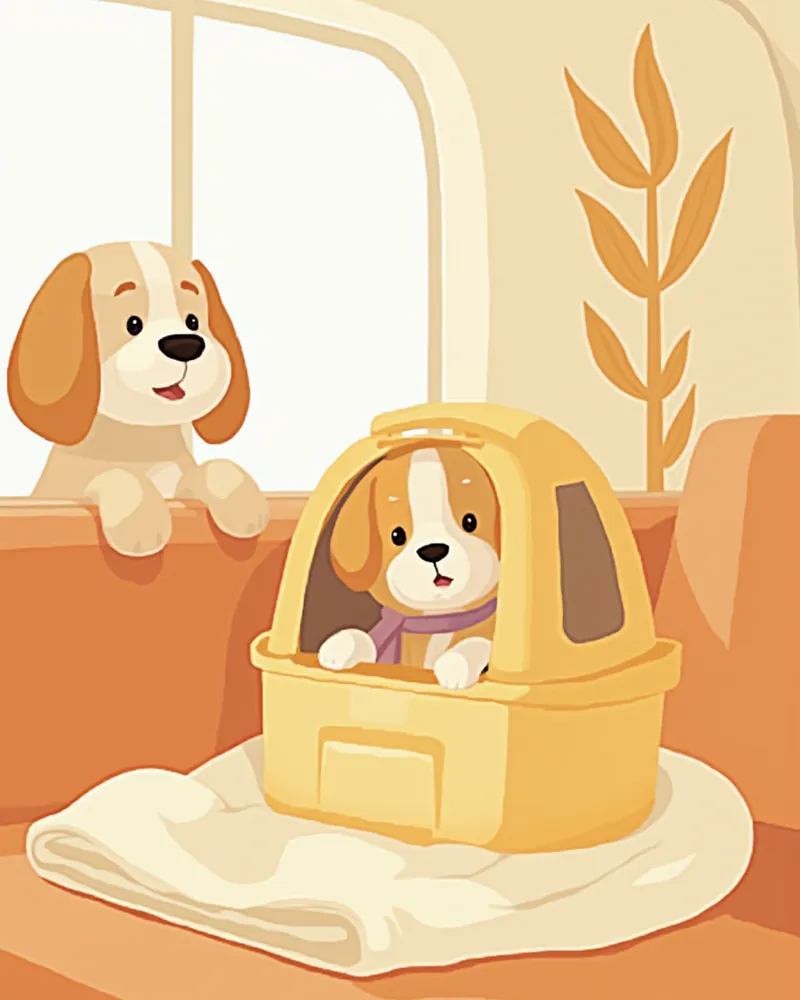
How you prepare the environment on the day of travel can significantly influence the severity of motion sickness. Start by planning a smooth drive that avoids sudden stops and sharp turns, and slightly open the windows to ensure proper air circulation. To reduce the risk of vomiting, avoid feeding your pet a heavy meal right before departure; instead, keep their stomach relatively empty. However, the appropriate fasting period varies depending on your pet’s age and health status, so it’s safest to consult your veterinarian. Placing familiar items like their favorite blanket or toy inside the carrier can help alleviate anxiety by providing the comforting scent of home, which also helps mask unfamiliar odors such as those from the veterinary clinic. For cats, always use a sturdy carrier and cover the top with a towel to block visual stimuli from outside the window. For more details, please refer to our Cat Carrier Training Guide.
A carrier equipped with a blanket and toys

When and How to Use Motion Sickness Medication

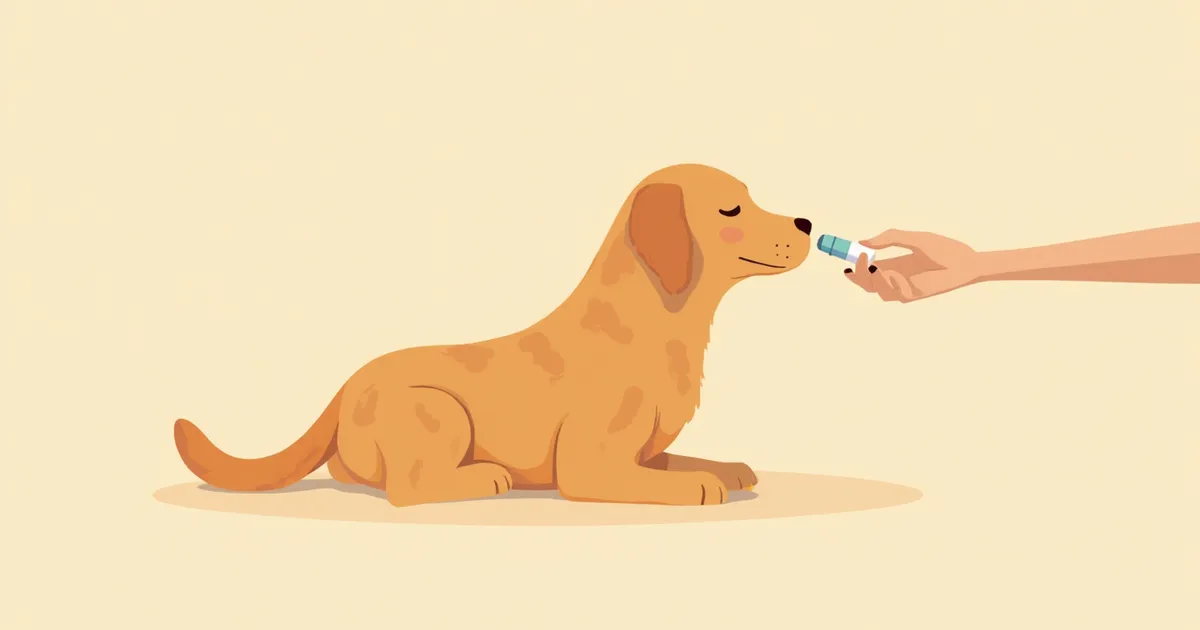
If your pet suffers from severe, recurring motion sickness, prescription medications from your veterinarian can be highly effective. For dogs, maropitant (brand name Cerenia) is widely used to prevent motion sickness and should be administered at least two hours before travel to ensure it takes full effect. Maropitant is also an approved antiemetic for cats, so your vet may recommend it for them as well. Additionally, certain antihistamines like dimenhydrinate and diphenhydramine can help prevent motion sickness in dogs by blocking signals from the vestibular system to the vomiting center in the brain. Dosage and timing must be determined by your veterinarian based on your pet’s weight and overall health. Human medications can be dangerous if the ingredients or dosages are incorrect, so never guess the type or amount; always follow your veterinarian’s instructions to ensure safety.

Breed-Specific and Individual Precautions

Even with the same medication, responses can vary depending on breed and individual. Certain breeds are known to be more sensitive to specific drugs or sedatives, so it’s important to accurately inform your veterinarian about your pet’s breed and any past reactions to medications before a prescription is issued. Additionally, pets with heart disease, liver conditions, or those who are senior may metabolize and eliminate drugs at different rates, making dosage adjustments essential. Young animals may also react differently to medications compared to adult dogs or cats, so for safety, always consult your veterinarian to determine the appropriate type, dosage, and timing for any medication, including motion sickness remedies, rather than administering them on your own.

Long-Term Solution: Adaptation Training
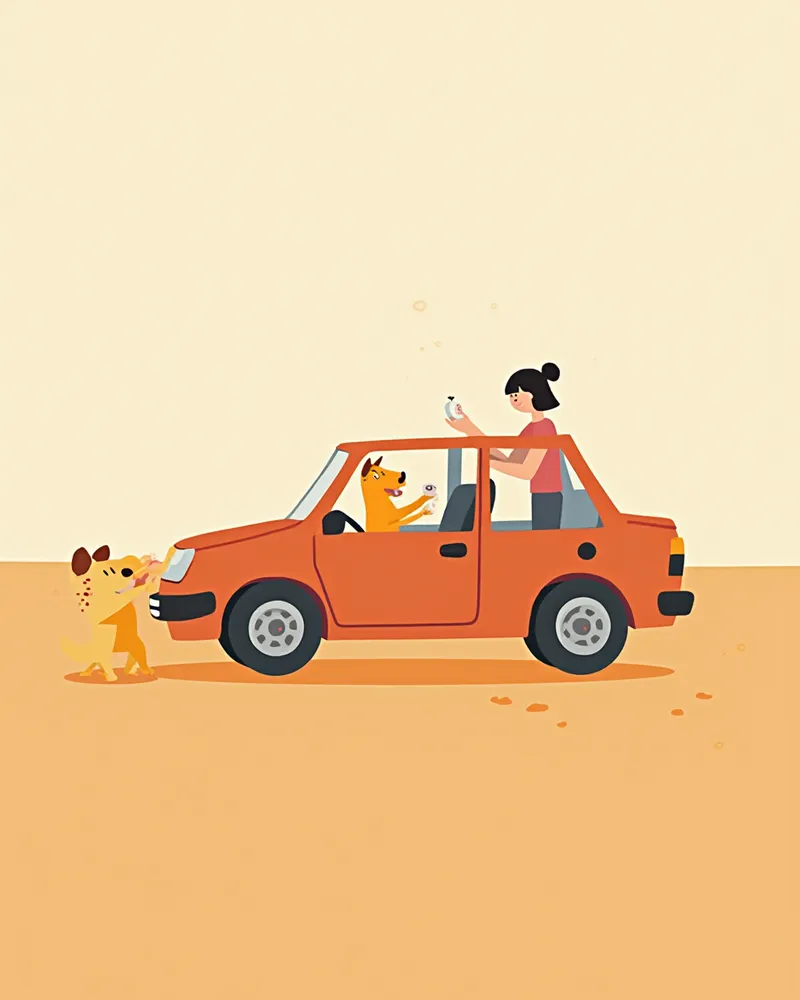
Medication is only a short-term fix; the real solution lies in gradual adaptation training. In step one, for several days, repeatedly give treats inside the car with the engine running but not moving. Step two involves short rides of 1–2 minutes within a garage or parking lot. In step three, take a short drive around your neighborhood and then arrive at a fun place like a park, linking the car ride to a positive destination. The key is to help your pet learn that the car equals a fun experience, not a trip to the vet. You can enhance this effect by pairing the experience with positive emotions using puzzle toys or their favorite treats. Start with short distances and repeat consistently; most pets will gradually improve, so avoid rushing and proceed at your pet’s pace. You may also find it helpful to read about how to manage stress in dogs.
A dog happily enjoying a treat in the car

Reviewed by a veterinarian

Dr. Tony — Punnawat Phongkittirak

Dr. Tony — Punnawat Phongkittirak

Veterinarian

A veterinarian who majored in veterinary medicine at Khon Kaen University, Thailand, and completed the IVSA program at North Carolina State University in the United States. Drawing on clinical experience at animal hospitals, he works in the pet healthcare field and is dedicated to building a digital care environment that connects pet parents with veterinarians.

Frequently Asked Questions

Can I give my pet human motion sickness medication?
Never administer medication without a veterinarian’s guidance. Human drugs often contain ingredients and dosages that are unsuitable for pets, posing a risk of adverse side effects. While certain antihistamines, such as dimenhydrinate, may be used to prevent motion sickness, the specific type and dosage must always be determined by a veterinarian to ensure safety.
Can I give my pet water while traveling?
It’s fine to offer small amounts at rest stops. However, it’s best to avoid giving food or water while the car is moving, as this can increase the risk of vomiting.
Does motion sickness improve as pets get older?
It varies from dog to dog. Some gradually improve with repeated exposure and desensitization training, but motion sickness triggered by stress often won’t resolve on its own without such training. If symptoms persist, it’s best to consult your veterinarian to identify the underlying cause.
Which is better, a carrier or a safety belt?
Cats should always be transported in a carrier. For dogs, small breeds are best kept in a carrier, while medium to large breeds benefit from a car safety harness, which provides both safety and a sense of security.
How long should my pet fast before a long-distance trip?
Avoid feeding your pet a large meal right before travel; keeping their stomach relatively empty can help reduce the risk of vomiting. However, the appropriate fasting period varies depending on age and health status, so it’s safest to consult your veterinarian for personalized guidance.

Share

Related Guides

References

[1] Overall, K.L., Manual of Clinical Behavioral Medicine for Dogs and Cats, 2nd Edition, 2013

[2] Landsberg, G., Hunthausen, W., Ackerman, L., Behavior Problems of the Dog and Cat, 3rd Edition, 2013

[3] van Haaften, K.A. et al., Effects of a single preappointment dose of gabapentin on signs of stress in cats during transportation and veterinary examination, JAVMA, 2017

[4] Conder, G.A. et al., Efficacy and safety of maropitant for prevention of motion sickness in dogs, J Vet Pharmacol Ther, 2008

This information is based on veterinary literature and does not replace diagnosis or treatment. Please consult a veterinarian for specific health concerns.

Metapet Co., Ltd. | CEO: Park Sung-yong | Business Reg. No. 417-88-02562 | Seoul, South Korea | Customer Center

Why Does My Dog Get Car Sick? Causes, Prevention, and Relief | Meongsiljang