

Dog Anal Sac Disease and How to Express Them
We’ve put together a comprehensive guide covering everything you need to know about your dog’s anal glands: what they are, why they need to be expressed, how to safely express them at home, and when it’s time to visit the vet.
What Are Dog Anal Sacs?
Why Should Anal Sacs Be Expressed?
Suspect Anal Sac Issues If You See These Signs

Comparison of Anal Sac Problem Stages
| Item | Symptoms | Management |
|---|---|---|
| Normal | Asymptomatic | Check once every few months |
| Impaction (blockage) | Scooting, licking | Attempt manual expression |
| Anal sacculitis | Swelling, pain, worsening foul odor | Visit the clinic |
| Abscess·rupture | Bleeding, fever, opening | Seek emergency care immediately |
As the stage advances, veterinary care is needed rather than self-management
When to Skip Expression and Go to the Vet
If the area around the anus is already red and swollen, if you see blood or pus, or if your dog cries out in pain when touched, do not attempt to express the anal glands at home. Forcing pressure in this condition can cause the anal sac to rupture, spreading infection to surrounding tissues and potentially requiring surgery. According to veterinary textbooks, an anal sac abscess requires incision and drainage followed by systemic antibiotic therapy, and may be accompanied by systemic symptoms such as fever and lethargy. If bleeding, pus, or systemic symptoms are present, it is safest to seek veterinary care as soon as possible.
How to Express Anal Sacs at Home (External Method)
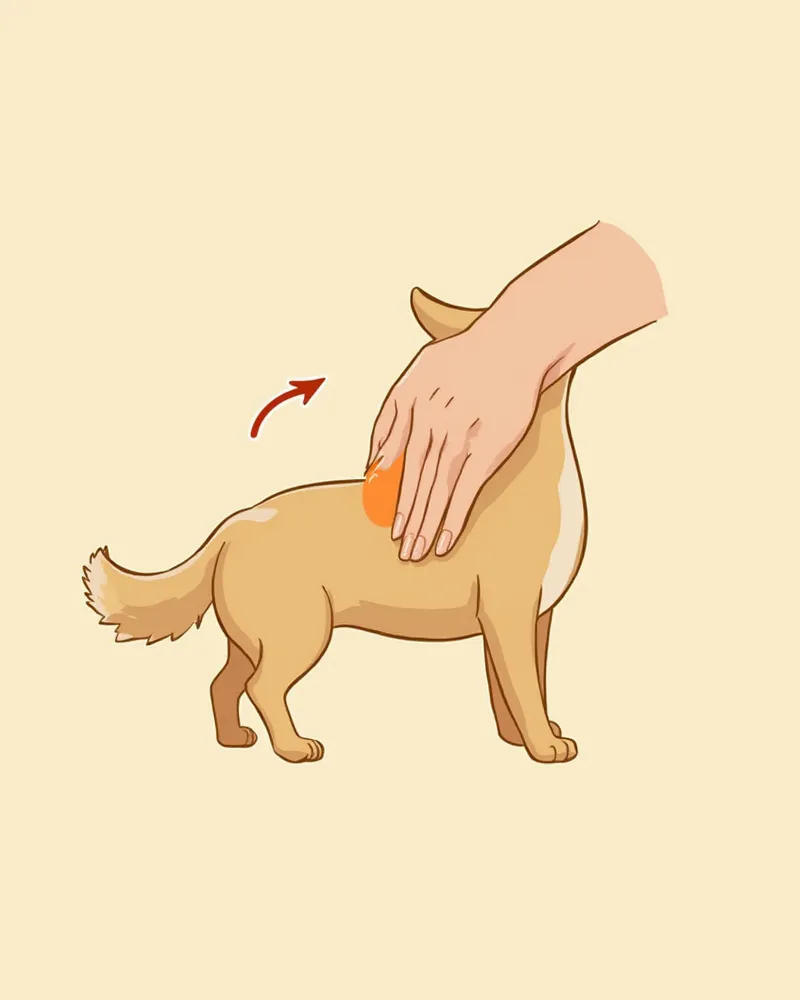
Precautions When Expressing Anal Sacs
If external expression isn’t working well, don’t force it. According to veterinary textbooks, when anal glands are impacted, gentle external massage and pressure should be tried first. If the secretions still don’t come out, professional treatment such as flushing with saline may be necessary. If there’s no discharge after 2–3 attempts, internal expression may be required. Since this method involves inserting a finger into the rectum to express the glands, it’s safest to leave it to a trained veterinarian or groomer.
Daily Management for Anal Sac Health

Reviewed by a veterinarian

Dr. Tony — Punnawat Phongkittirak
VeterinarianA veterinarian who majored in veterinary medicine at Khon Kaen University, Thailand, and completed the IVSA program at North Carolina State University in the United States. Drawing on clinical experience at animal hospitals, he works in the pet healthcare field and is dedicated to building a digital care environment that connects pet parents with veterinarians.
Reviewed 2026-04-23
Frequently Asked Questions
How often should anal glands be expressed?
What happens if the anal glands aren’t expressed?
Is it sufficient to just squeeze them out during grooming?
When should anal gland surgery be considered?
Do cats need their anal glands expressed?
Share
Related Guides

Primary vs. Secondary Veterinary Hospitals: A Comparison

5 Easy-to-Raise Cat Breeds for First-Time Owners — Grooming Difficulty Comparison

Top 7 Short-Legged Dog Breeds
How to Read Your Dog’s Liver Enzyme Levels (ALT & ALP) and Normal Range Guide
Canine Osteosarcoma: Should You Amputate the Leg? — Essential Guide Before Making a Decision

Is it okay if my dog eats xylitol? — Emergency signs of hypoglycemia and liver damage

Dictionary of 100 Essential Veterinary Terms
Is TENS Electrical Stimulation Rehabilitation Effective for Dog Joints?

Why Dogs Circle Before Lying Down
Creating Vertical Spaces for Cats — The Ultimate Guide to Cat Tree and Shelf Placement
References
[1] Frankel JL, Scott DW, Erb HN. Gross and cytological characteristics of normal feline anal-sac secretions. J Feline Med Surg. 2008;10:319.
[2] Heaton CM, Fernandes AFA, Jark PC, et al. Evaluation of toceranib for treatment of apocrine gland anal sac adenocarcinoma in dogs. J Vet Intern Med. 2020;34(2):873-881.
[3] Mellanby RJ, Foale R, Friend E, et al. Anal sac adenocarcinoma. J Feline Med Surg. 2002;4:205.
[4] Ettinger SJ, Feldman EC. Textbook of Veterinary Internal Medicine, 8th Edition. Chapter: Diseases of the Anus and Rectum.