

Frequently Asked Questions About Canine Coccidiosis — Key Information for Pet Owners
Canine coccidiosis is caused by parasites that live in the small intestine and can lead to severe diarrhea and dehydration, especially in puppies. Here’s a summary of the key information pet owners should know.
What Is Canine Coccidiosis?

How Is It Transmitted?
What Are the Main Symptoms?

When Should You Seek Immediate Veterinary Care?
Comparison of Symptoms and Management by Infection Stage
| Item | Main Symptoms | Response Method | Whether Treatment Is Needed |
|---|---|---|---|
| Mild | Mild diarrhea | Environmental cleaning and enhanced hygiene | Usually not needed |
| Moderate | Persistent diarrhea, weight loss | Veterinary examination and medication prescription | Needed |
| Severe | Bloody stool, dehydration, shock | Immediate hospital visit and detailed examination | Absolutely needed |
Since the response method varies by infection stage, you need to accurately assess the degree of symptoms.
How Is It Treated?
Practical Tips for Prevention

Caution: It Can Be Transmitted to Humans
Intestinal coccidia are common in dogs and primarily parasitize animals, with transmission to humans being extremely rare. Nevertheless, for hygiene purposes, extra caution is advised for young children, pregnant women, and the elderly, who have weaker immune systems. Always wash your hands thoroughly after handling feces, and make handwashing a habit after any contact with your dog. Additionally, ensure that animal feces do not remain in sandboxes or play areas where children play. Keep in mind that coccidial infection in humans is very rare, and transmission generally occurs between animals. If you have concerns, consult your veterinarian.
Reviewed by a veterinarian

Dr. Tony — Punnawat Phongkittirak
VeterinarianA veterinarian who majored in veterinary medicine at Khon Kaen University, Thailand, and completed the IVSA program at North Carolina State University in the United States. Drawing on clinical experience at animal hospitals, he works in the pet healthcare field and is dedicated to building a digital care environment that connects pet parents with veterinarians.
Reviewed 2026-06-29
Frequently Asked Questions
How do dogs get infected with coccidia?
If my pet has diarrhea, could it be coccidiosis?
Should I continue giving the medication even after the symptoms have disappeared?
Can it be prevented at home?
If a dog contracts coccidiosis, can it spread to other dogs?
Share
Related Guides

5 Flea and Tick Preventives for Cats Recommended by Veterinarians — Ingredient Safety Comparison

The Ultimate Guide to Differentiating Symptoms, Managing Internal Parasites in Dogs, and Choosing the Best Products

Best Practices and Selection Criteria for Dog Heartworm Antigen Testing
Dog Liver Ultrasound: When and Why — Q&A from Exam to Result Interpretation

What to Feed Your Dog with Poor Liver Function — Key Q&A on Liver-Support Diets

Complete Guide to Prognostic Indicators for Canine Liver Disease — From Test Values to Recovery Signs
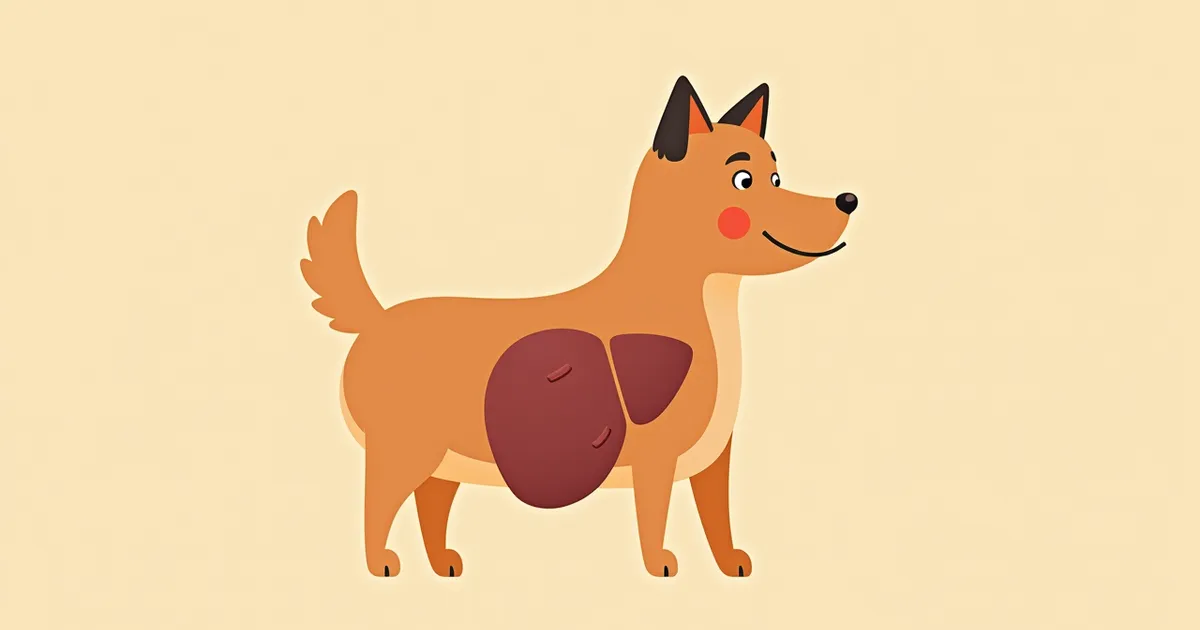
What is Canine Cirrhosis and Hepatic Fibrosis? — Can It Be Reversed? Key Progression and Management
Why Are Your Dog’s Liver Enzymes Elevated? — Differentiating Causes of ALT and ALP Elevation and Additional Testing Q&A

Complete Guide to Canine Bile Acids Test: Why It’s Done and How to Interpret Results

Why Does Feline Liver Fibrosis Occur? — Key Q&A on Stellate Cell Activation
References
[1] Holbrook ED, Greene RI, Rubin SL et al. (2019) Novel canine anti-Coccidioides immunoglobulin G enzyme immunoassay aids in diagnosis of coccidioidomycosis in dogs. Medical Mycology 57, 800-806.
[2] BSAVA Manual of Canine and Feline Dermatology, 4th Ed. (2020). Chapter on Protozoal Infections.
[3] Plumb's Veterinary Drug Handbook, 9th Edition. (2021). Coccidiostats and antiprotozoal agents.