
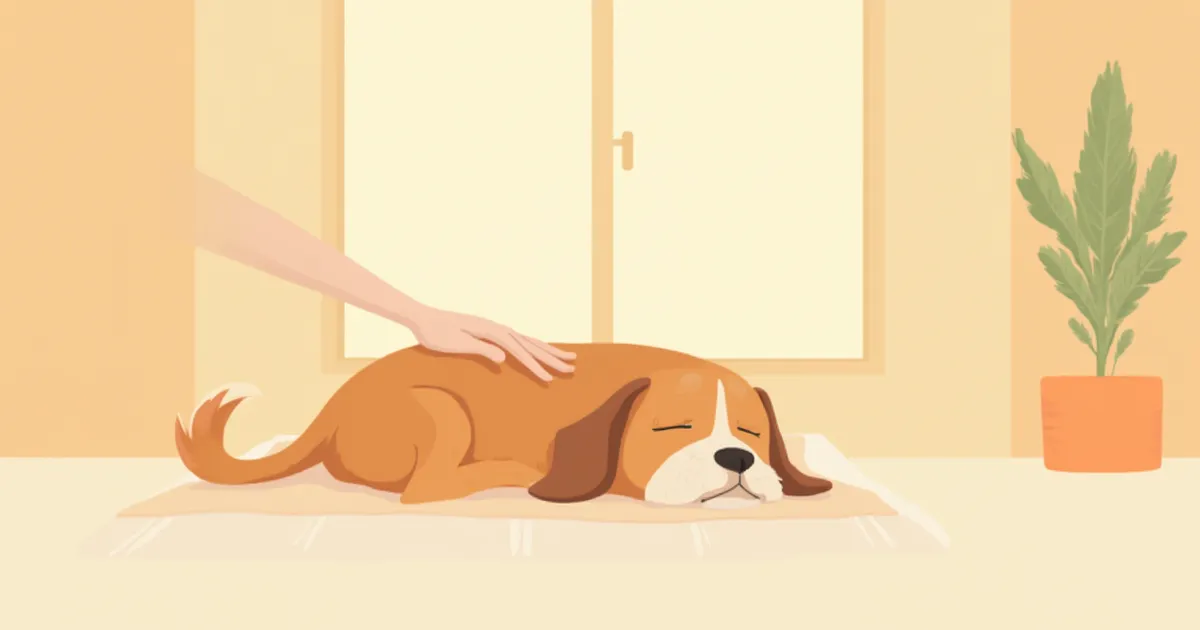
How is canine chemotherapy different from human treatment? — Key home care tips for managing side effects
Unlike cancer treatment in humans, the primary goal of chemotherapy for dogs is to maintain quality of life, so the treatment is designed to have a significantly lower incidence and severity of side effects. We’ve outlined what owners should monitor at home and when to contact the veterinary clinic.
What is canine chemotherapy, and how does it differ from human treatment?
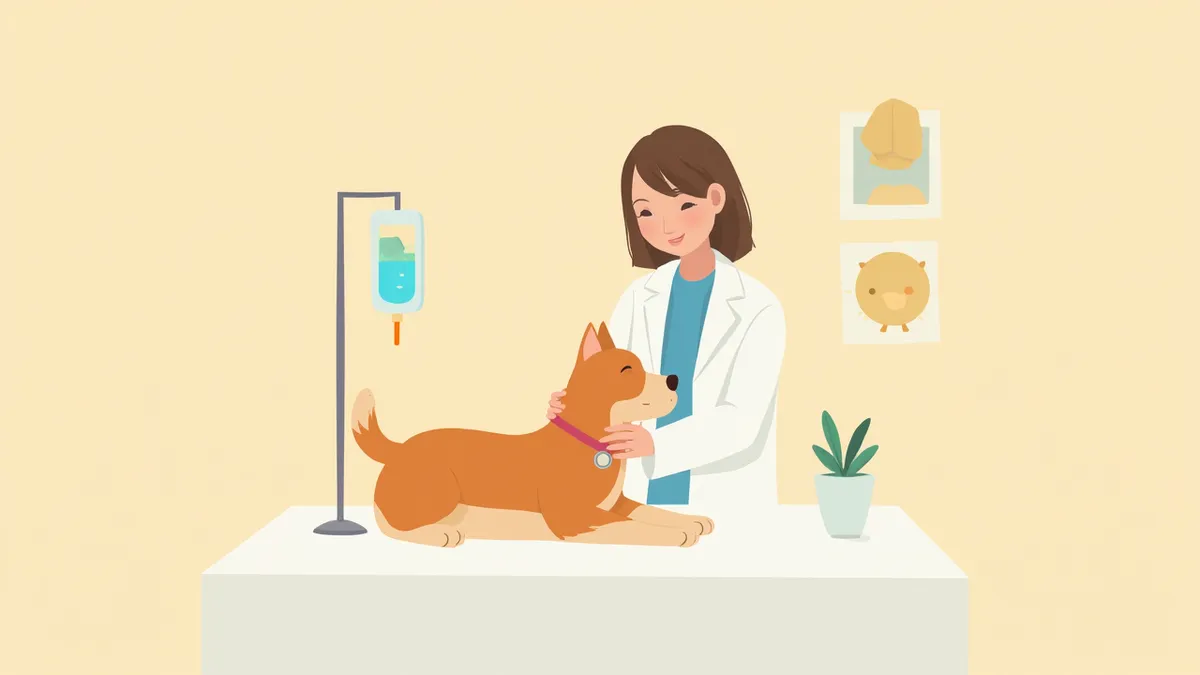
Three key differences from human chemotherapy
The most common side effects — Signs owners should watch for
Contact the clinic immediately if you see these signs
The following symptoms may indicate an emergency rather than a simple side effect. Contact a 24-hour emergency veterinary clinic immediately, even in the early hours of the morning. - Fever above 39.5°C (possible infection—risk of sepsis if white blood cell count is low) - Vomiting or bloody/black stools lasting more than 24 hours - Pale or purplish gums - Bleeding from the nose, gums, or anus (a sign of low platelet count) - Rapid, labored breathing or new-onset coughing - Refusing to drink water and remaining lethargic for more than a day
Diet and hygiene management at home

Human vs. Canine Chemotherapy at a Glance
| Item | Humans | Dogs |
|---|---|---|
| Treatment goal | Cure | Maintain quality of life · extend survival time |
| Drug dose | Maximum tolerated dose | Quality of life prioritized, designed lower than maximum tolerated dose |
| Generalized hair loss | Common | Rare (partial hair loss in some breeds) |
| Frequency of severe vomiting | Common | Rare (severe vomiting is uncommon) |
| Treatment form | Mix of inpatient and outpatient | Mostly outpatient |
| Time per session | Several hours to several days | 30 minutes to 2 hours |
General comparison based on veterinary oncology textbooks. Differences may exist by individual and by drug.
48–72 hours after administration — Precautions for handling bodily fluids and waste
For 2–3 days after administration, traces of the chemotherapy drug may remain in your dog’s urine, feces, vomit, and saliva. To minimize your exposure, please take the following precautions: - Wear disposable gloves when handling waste, and dispose of soiled potty pads sealed in double plastic bags. - If any spills occur, clean the area thoroughly with regular detergent twice. - Pregnant or breastfeeding family members should avoid direct contact with waste. - Avoid kissing your dog around the mouth for three days, and wash your hands carefully and frequently.
Boosting recovery — Emotional and exercise management

Reviewed by a veterinarian

Dr. Tony — Punnawat Phongkittirak
VeterinarianA veterinarian who majored in veterinary medicine at Khon Kaen University, Thailand, and completed the IVSA program at North Carolina State University in the United States. Drawing on clinical experience at animal hospitals, he works in the pet healthcare field and is dedicated to building a digital care environment that connects pet parents with veterinarians.
Reviewed 2026-05-05
Frequently Asked Questions
Does my dog’s fur really fall out completely during chemotherapy?
How much will the treatment cost?
Can my pet receive vaccinations while undergoing cancer treatment?
Is it okay to stop the treatment midway?
Do you use the same medications as those used for human cancer treatment?
Share
Related Guides

Comprehensive Guide to Recommended Hospice Care and Quality of Life Management for Cats with Tumors
7 Factors Determining Prognosis and Life Expectancy in Dogs with Tumors, According to Veterinarians
7 Key Management Points for Canine Transitional Cell Carcinoma (Bladder Cancer) Recommended by Veterinarians — From Symptoms to Care

What to Prepare Before Adopting a Puppy — Essential Checklist

Symptoms and Treatment Process of Bladder Stones in Dogs

How to Remove Tartar from Your Dog’s Teeth and Care Guide

Frequently Asked Questions on Preventive Diets for Canine Urinary Tract Stones — Key Information Every Pet Owner Should Know
Dog Urethral Stricture FAQ — Key Information Every Pet Owner Must Know

Dog Uric Acid Uroliths FAQ — Key Information for Pet Owners

Frequently Asked Questions About Chronic Recurrent Urinary Tract Infections in Dogs — Key Points Every Pet Owner Should Know
References
[1] Burton JH. Complications of Chemotherapy Agents. Small Animal Critical Care Medicine, 3rd Ed.
[2] Plumb's Veterinary Drug Handbook, 10th Ed — Doxorubicin monograph.
[3] The Cat, Clinical Medicine and Management, 2nd Ed — Chemotherapy chapter.