
Causes of Coprophagia by Case
Puppy coprophagia isn’t just a bad habit—it can stem from various causes, including nutritional deficiencies, digestive or absorption issues, stress, or learned behavior. We’ll help you identify the underlying cause specific to your dog and provide tailored solutions.
Puppy Coprophagia: Causes Vary by Case
Why Start with Case Classification?
Comparison of Coprophagia Causes by Case
| Item | Behavioral Type | Nutritional Type | Disease Type | Environmental Type | Learned Type |
|---|---|---|---|---|---|
| Main Cause | Stress and anxiety | Reduced digestion and absorption | Intestinal disease or parasites | Separation anxiety or boredom | Learned in early life |
| Main Onset Timing | After environmental changes | Old age or low-quality food | Sudden onset | When left alone | From an early age |
| Accompanying Symptoms | Panting and licking | Weight loss and hair loss | Diarrhea and vomiting | Barking and destructive behavior | None |
| First-line Response | Stabilize the environment | Check the food | Veterinary examination | Exercise and play | Clean up immediately |
A case may not fall into only one category. Combined types are also common.
Cases 1 & 2: Behavioral and Nutritional Types
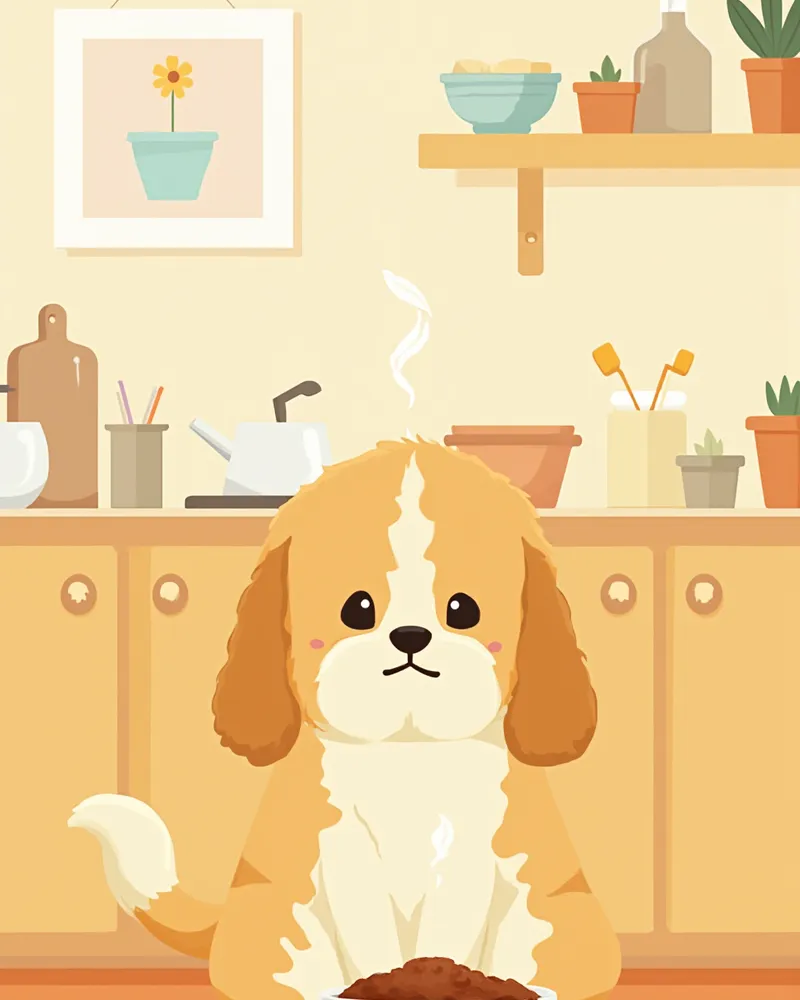
Cases 3, 4, & 5: Medical, Environmental, and Learned Types
When to Seek Immediate Veterinary Care for Coprophagia
If you notice any of the following signs, it is likely not simple coprophagia but rather a symptom of an underlying medical condition, requiring prompt diagnosis. - Diarrhea and/or vomiting persisting for more than two days alongside coprophagia - Rapid weight loss or visible ribs - Abnormally increased appetite compared to normal, accompanied by coprophagia - Sudden onset in puppies under one year of age (suspected parasitic infection) - Presence of blood or mucus in the stool
Tailored Management Strategies by Case
What to Absolutely Avoid
- Sniffing at or scolding your pet for eating feces (this only increases anxiety) - Applying irritants like hot sauce or pepper to the stool (risk of inflammation and oral injury) - Long-term use of unverified anti-coprophagia supplements (burden on the liver and kidneys) - Repeatedly scolding after punishment with thoughts like “They’re still doing it” (this reinforces the behavior as a learned habit) Treating the issue based solely on internet advice without consulting a veterinarian may cause you to miss the underlying cause.
Reviewed by a veterinarian

Dr. Tony — Punnawat Phongkittirak
VeterinarianA veterinarian who majored in veterinary medicine at Khon Kaen University, Thailand, and completed the IVSA program at North Carolina State University in the United States. Drawing on clinical experience at animal hospitals, he works in the pet healthcare field and is dedicated to building a digital care environment that connects pet parents with veterinarians.
Reviewed 2026-04-27
Frequently Asked Questions
Will a puppy’s pica go away as they grow up?
My dog only eats other dogs’ poop. Why is that?
Are there any supplements that help with pica?
My adult dog has suddenly developed a ravenous appetite. Why is this happening?
Is eating feces also a sign of pica in cats?
Share
Related Guides
7 Behavioral Enrichment Strategies for Mental Stimulation Recommended by Veterinarians
Top 5 Calming Supplements for Dogs and Cats in 2026
L-Theanine Effects and Calming Support
Tumor Resection: What Are the Methods? — Why Margins Determine Recurrence
What is Feline Toxoplasmosis? — Risk of Human Infection and Prevention Guidelines
Complete Guide to IRIS Stages of Feline Chronic Kidney Disease
Stage-by-Stage Symptoms and Treatment Options for Feline Megacolon
How should you design a cat window perch?
Cat Tower Selection Criteria — The Perfect Guide to Protecting Your Cat’s Health
The Ultimate Guide to Super-Senior Cat (15+) Care
References
[1] Hart BL et al., The paradox of canine conprophagy, Veterinary Medicine and Science, 2018
[2] Notes on Canine Internal Medicine, 4th Edition - Gastrointestinal Disorders
[3] Applied Veterinary Clinical Nutrition, 2nd Edition - Behavioral Nutrition
[4] BSAVA Manual of Canine Behavioural Medicine, 3rd Edition