Like
Share
멍실장
강아지 요도절개 수술 과정 총정리

Complete Guide to Urethrotomy Surgery in Dogs

UrinaryQ&AMeongsiljang Veterinary Advisory Board

A urethrotomy for dogs is an emergency procedure to remove stones or foreign objects lodged in the urethra. I’ll walk you through the surgical process and post-operative care step by step.

What is Urethrotomy?
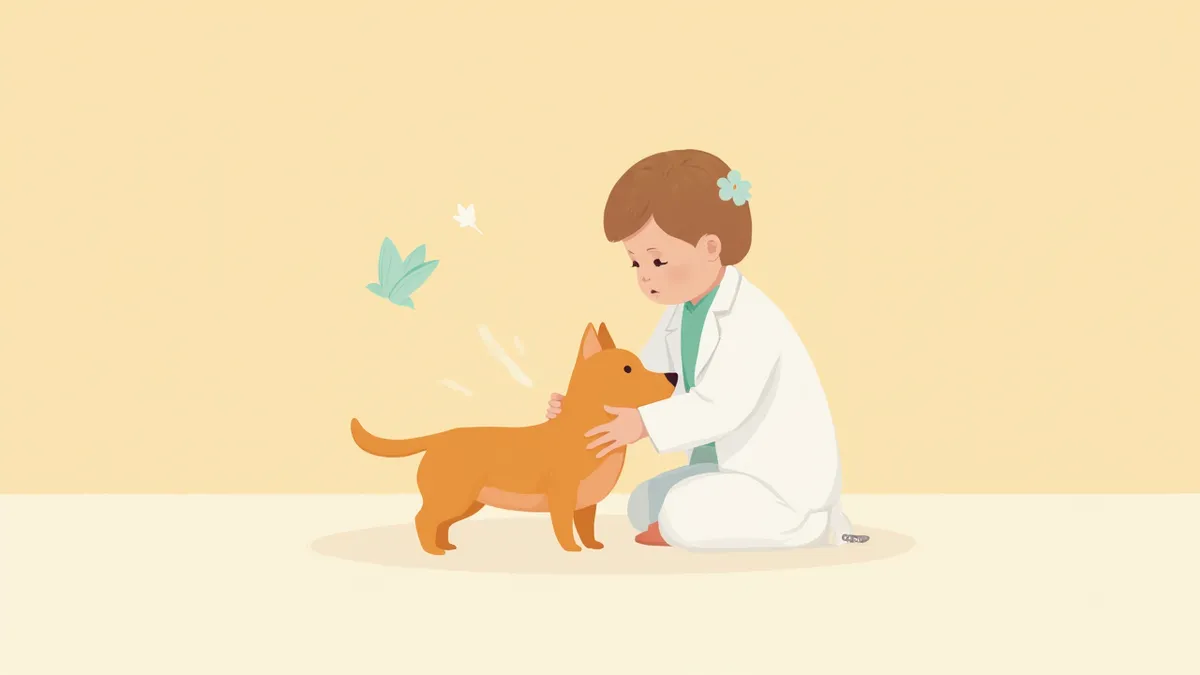
Illustration of a dog undergoing a urinary tract examination
Urethrotomy in dogs is a urinary tract surgery that involves directly incising the urethra to remove stones or foreign objects lodged within it. This is a highly urgent emergency. When the urethra is blocked and urine cannot pass, waste products accumulate in the body, leading to hyperazotemia (uremia) and hyperkalemia. In severe cases, this can cause bradycardia and circulatory collapse, posing a life-threatening risk. Therefore, if a stone is lodged in the urethra and obstructing urine flow, the blockage must be relieved and surgically addressed as quickly as possible. Urethral obstruction caused by stones is significantly more common in male dogs.

Why is it More Common in Male Dogs?

In male dogs, the urethra runs along the os penis (penile bone), which features a groove that houses the urethra. Most urethral obstructions occur when stones become lodged at this bony section and fail to pass. In contrast, female dogs have a shorter, wider urethra, so stones usually pass naturally or can be managed through catheterization. Consequently, urethrotomy is almost exclusively performed on male dogs.

Checklist for Situations Requiring Surgery

If you notice any of the following symptoms, suspect a urethral obstruction and seek immediate veterinary care: - Anuria: No urine output at all for 8–12 hours or longer - Straining to urinate: Assuming a urination posture and straining without producing urine - Hematuria: Small amounts of blood-tinged urine - Abdominal distension: A firm, distended abdomen due to an enlarged bladder - Vomiting and lethargy: Early signs of uremia - Pain: Vocalizing or crying out when the lower abdomen is touched
Illustration of a worried pet owner and their dog

The 24-Hour Golden Window

Urethral obstruction is a true emergency. As time passes with urine unable to pass, hyperkalemia (dangerously high blood potassium) and severe uremia progress rapidly, leading to bradycardia and circulatory collapse that can be life-threatening. Further delay can cause the bladder to become overly distended and damaged. Even in the middle of the night, you must go directly to an emergency animal hospital. Never wait at home or hold off until morning.

Pre-Surgical Preparation Process

Before surgery, we go through several stabilization steps: - Attempted catheterization: We first try to push the stones into the bladder using a thin catheter. - Blood tests: We check uremic values, electrolytes, and kidney function. - Fluid therapy: We correct dehydration and hyperkalemia first. - X-rays and ultrasound: We confirm the location and number of stones, as well as the condition of the bladder. - Anesthesia assessment: We develop an anesthesia plan based on heart and kidney status. If catheterization resolves the urethral obstruction, a urethrotomy can be avoided. If stones remain in the bladder, we proceed with a cystotomy; if no stones are present, we transition to medical management.

Urethrotomy vs. Urethrostomy

ItemUrethrotomyUrethrostomy
PurposeStone removal (one-time)Creation of a permanent urinary opening
Incision locationUrethra in front of the os penisUrethra at the scrotal region
Recovery period2–3 weeks3–4 weeks
Response upon recurrenceRequires reoperationLittle affected by recurrence
Applicable casesFirst obstruction/single stoneRecurrent obstruction/recurrent

Patients with recurrent obstruction may be recommended urethrostomy

Step-by-Step Surgical Procedure
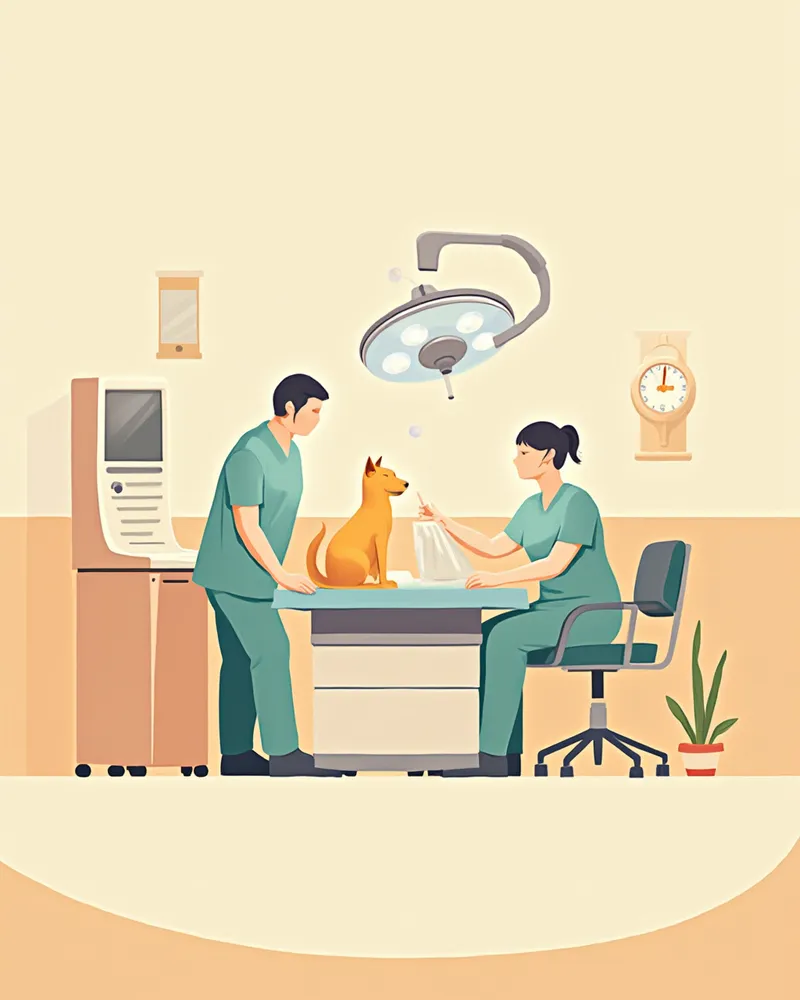
After general anesthesia, the procedure proceeds as follows: 1. Positioning: The patient is placed on their back, and the surgical site is disinfected. 2. Incision: A 1–2 cm vertical incision is made in the skin over the urethra, just in front of the os penis. 3. Urethral Exposure: The urethral muscle layer is retracted to expose the urethral wall. 4. Urethrotomy: The urethral wall is opened vertically, and the stone is removed using forceps. 5. Irrigation: The urethra is flushed with saline to remove any remaining sand or small stones. 6. Catheter Insertion: A thin catheter is inserted to maintain urethral alignment. 7. Suturing: The urethral mucosa, muscle, and skin are carefully sutured layer by layer.
Illustration of an animal hospital operating room

Anesthesia and Surgical Duration

The procedure is performed under general anesthesia. General anesthesia is essential to adequately relax the urethra, allowing safe manipulation of the stones and secure catheter placement. The duration of surgery varies depending on the number and location of the stones, as well as whether a cystotomy (bladder incision) is performed concurrently. If there are numerous stones or if stones within the bladder also need to be removed, the procedure may take longer. It is crucial to follow the hospital’s instructions for fasting and withholding water before anesthesia. If kidney function is compromised, anesthetic agents that place less stress on the kidneys will be used. The veterinarian will determine the anesthesia plan and dosage based on the patient’s weight, as well as heart and kidney health.

The First 48 Hours Post-Surgery Are Most Critical

For two days after surgery, a urinary catheter will be in place, allowing urine to drain into a collection bag. During this time, complications such as bleeding, infection, or urethral stricture may occur. It is safer to have your pet hospitalized for professional nursing care rather than monitoring at home. Once the catheter is removed, it is essential to closely check for blood in the urine and monitor urination.

Recovery Period and Home Care

Careful monitoring is essential for the first two to three weeks after discharge. - Wear an e-collar: Keep it on for at least 10–14 days to prevent your pet from licking the surgical site. - Leash walks only: Avoid running and jumping; limit outdoor time to brief bathroom breaks. - Monitor urination: Record the frequency, color, and volume of urine daily. - Prescription diet: Feed a therapeutic diet designed to prevent stone recurrence (e.g., struvite or oxalate prescription food). - Antibiotics and pain medication: Administer exactly as prescribed for 7–14 days. - Follow-up visits: Schedule rechecks at 7 days, 14 days, and 1 month post-surgery for urinalysis and X-rays.
Illustration of a recovering puppy wearing a neck brace

Complications and Risk of Recurrence

The main complications of a urethrotomy are bleeding, urethral stricture, and stone recurrence. Some bleeding from the surgical site for 2 to 5 days is normal, but if bright red blood continues to flow, you should visit the clinic. Urethral stricture occurs when the sutured area narrows, causing difficulty urinating again. Without dietary management, the risk of stone recurrence is quite high, and the recurrence rate varies depending on the type of stone and the individual pet's condition. Prescription diet and adequate water intake are key to preventing recurrence.

Consider Urethrostomy for Recurrent Obstructions

If stones continue to form and cause recurrent blockages even after a urethrotomy, your veterinarian may recommend a scrotal urethrostomy. This surgery creates a permanent urinary opening in the scrotal area to bypass the narrow penile bone. It is often performed alongside neutering and significantly reduces the risk of emergency situations due to recurrence.

Reviewed by a veterinarian

Dr. Tony — Punnawat Phongkittirak

Dr. Tony — Punnawat Phongkittirak

Veterinarian

A veterinarian who majored in veterinary medicine at Khon Kaen University, Thailand, and completed the IVSA program at North Carolina State University in the United States. Drawing on clinical experience at animal hospitals, he works in the pet healthcare field and is dedicated to building a digital care environment that connects pet parents with veterinarians.

Frequently Asked Questions

How much does a urethrostomy surgery typically cost?
Costs can vary significantly depending on the hospital, location, number of missing teeth, and length of hospitalization. Be sure to ask your veterinary clinic for a detailed breakdown of the total cost, including pre-surgical tests, anesthesia, and hospitalization. Emergency nighttime surgeries may incur higher fees than daytime procedures.
When can my pet resume normal walks after surgery?
For the first 10 to 14 days, until the sutures are removed, limit your pet to short bathroom walks only. After that, gradually increase their activity level over the next 1 to 2 weeks. Running and jumping should not be allowed until 3 to 4 weeks after surgery. Once your veterinarian confirms everything is normal at the follow-up appointment, you can return to your regular routine.
Can it be treated medically without surgery?
In emergency cases where the urethra is completely blocked, surgery or catheterization is essential. After using a catheter to push the stones back into the bladder, they can be removed through a cystotomy (bladder surgery), or small stones may be dissolved with prescription diet. The choice of treatment depends on the type and location of the stones.
Do female puppies also undergo urethrostomy?
Female cats have a shorter and wider urethra, so urethral obstruction is rare, and even if stones form, they can often be resolved through catheterization or passed naturally. Urethrotomy is almost exclusively performed in male cats. In females, bladder stones are typically treated with cystotomy.
What should I do to prevent recurrence?
The most important thing is to consistently feed a prescription diet tailored to the type of stone and ensure your pet drinks plenty of water to keep the urine dilute. Have your pet rechecked for recurrence with a urinalysis and X-ray every 6 to 12 months. Returning to regular commercial food significantly increases the risk of recurrence.

Share

Related Guides

References

[1] Fossum TW, Small Animal Surgery, 5th Ed, Chapter on Urinary System Surgery

[2] Tobias KM, Johnston SA, Veterinary Surgery: Small Animal, 2nd Ed

[3] Ettinger SJ, Textbook of Veterinary Internal Medicine, 8th Ed, Urinary Disorders

This information is based on veterinary literature and does not replace diagnosis or treatment. Please consult a veterinarian for specific health concerns.

Metapet Co., Ltd. | CEO: Park Sung-yong | Business Reg. No. 417-88-02562 | Seoul, South Korea | Customer Center

Urethrotomy in Dogs: A Complete Step-by-Step Guide | Meongsiljang