Like
Share
멍실장
고양이 이부프로펜 중독 — 신부전·위출혈 응급 대처

My Cat Ate Ibuprofen — Key Emergency Response for Kidney Failure and Stomach Bleeding

Emergency/ToxicityQ&AMeongsiljang Veterinary Advisory Board

We’ve outlined the symptoms of kidney failure and stomach bleeding that can occur when cats ingest ibuprofen, along with the lethal dose threshold and what owners should do before reaching the vet. Even doses as low as 5 mg/kg can be dangerous.

What Is Ibuprofen Poisoning in Cats?
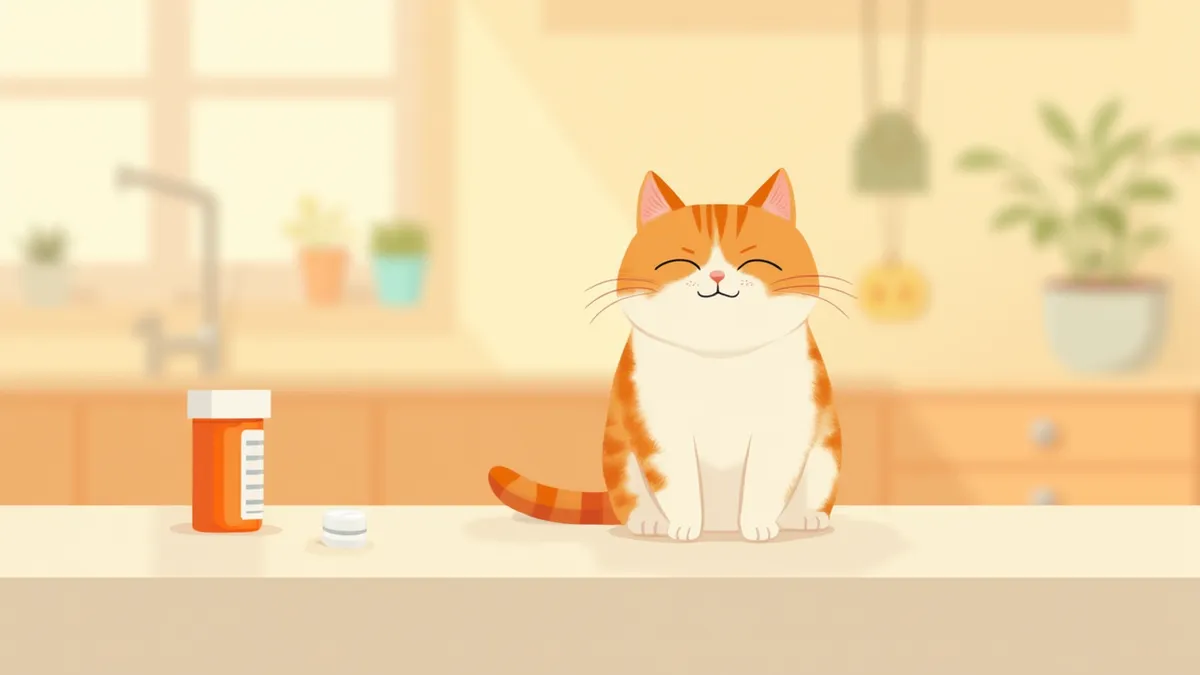
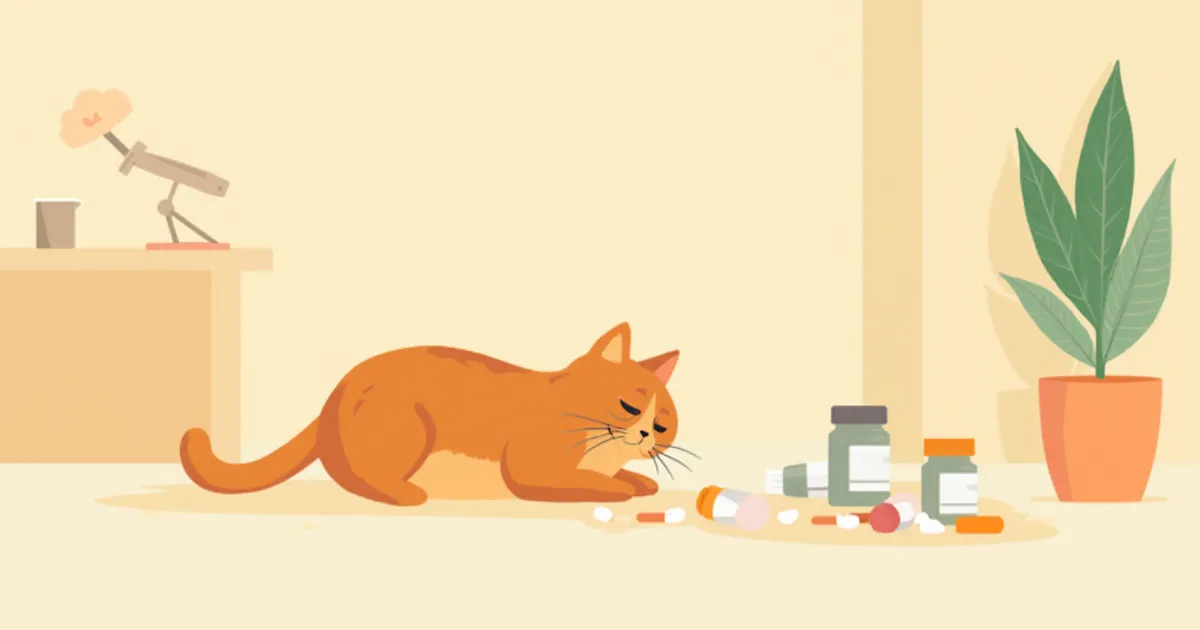
A cat curiously eyeing an ibuprofen tablet
Ibuprofen poisoning in cats is a medical emergency that occurs when a cat ingests this human pain reliever and anti-inflammatory drug, causing severe damage to the kidneys and gastrointestinal lining. Time is of the essence. Cats have a much lower capacity to metabolize medications than humans or dogs, making them far more sensitive to even small amounts. Toxicity can begin at doses as low as half the amount that causes side effects in dogs. Therefore, even a single 200 mg tablet can be dangerous for a small cat, and essentially any size pill poses a potential toxic risk. It is most critical to get your cat to a veterinary clinic within two hours of ingestion.

Why Is Ibuprofen Dangerous for Cats?

Cats have a significantly reduced ability to detoxify drugs through glucuronidation in the liver compared to humans and dogs, and their elimination half-life—the time it takes for a drug to leave the body—is also longer. As a result, ibuprofen remains in the body for an extended period, causing two types of damage simultaneously. - Kidney damage: It reduces blood flow to the kidneys, leading to acute kidney failure. - Gastrointestinal damage: It blocks the production of prostaglandins that protect the stomach lining, increasing stomach acid and pepsin while decreasing protective mucus, which can lead to gastric ulcers and bleeding. - Prolonged retention: Slower metabolism and excretion mean that both the drug’s effects and toxicity last longer in cats than in humans, making them more vulnerable.

Ibuprofen Toxic Dose by Weight (Based on 1 Tablet = 200mg)

Item1 tablet (200mg) ingested2 tablets (400mg) ingestedToxicity stage
2 kg cat100mg/kg200mg/kgVery high likelihood of being fatal
3 kg cat67mg/kg133mg/kgRisk of kidney failure and gastric bleeding
4 kg cat50mg/kg100mg/kgHigh risk of nephrotoxicity
5 kg cat40mg/kg80mg/kgRisk of gastrointestinal irritation and nephrotoxicity
Risk baselineGastrointestinal risk from 5 mg/kg, kidney failure risk from 50 mg/kg

Even dropping just one tablet (200 mg) is an emergency for cats of any body weight.

🚨 Signs Requiring Immediate Emergency Vet Visit

If any of the following apply, head to a 24-hour emergency animal hospital immediately—even in the middle of the night. If you suspect an issue, call the emergency room ahead of time while en route so they can prepare. Bring the medication packaging or blister pack, as this greatly helps determine the exact dosage. - The cat was found near a pill bottle (even if you didn’t see it ingest anything) - Vomiting, drooling, or loss of appetite - Black or coffee-ground–like vomit or feces - Staggering, lethargy, or rapid breathing - A sudden decrease or increase in urine output

Timeline of Major Symptoms
Symptoms of ibuprofen poisoning change over time. Even if your pet seems fine initially, kidney damage may already be progressing. - 0–6 hours: Vomiting, drooling, loss of appetite — signs of gastrointestinal irritation - 12–24 hours: Black, tarry stools (melena), vomiting blood, abdominal pain posture — indicating gastric ulcers or bleeding - 24–72 hours: Changes in urine output, lethargy, dehydration — progression toward acute kidney failure - After 72 hours: Scanty urine or no urine production, uremia — life-threatening stage Even if no symptoms are visible, kidney damage may have already begun if more than 4 hours have passed.
A cat being examined by a veterinarian on the examination table at an animal hospital.

What to Do and What Not to Do Before Arriving at the Clinic

What you do during the trip to the clinic can significantly affect the prognosis. Incorrect first aid can actually worsen the condition. - What to bring: The medication packaging, the number of remaining pills, the estimated time of ingestion, and your cat’s weight. - What not to do: Do not induce vomiting at home using salt or hydrogen peroxide, as this poses a risk of esophageal damage in cats. - What not to do: Do not give milk or oil, as these may accelerate absorption of the toxin. - What not to do: Do not substitute with other pain relievers; acetaminophen is even more lethal. - What to do: Call the emergency clinic while en route to provide your estimated arrival time, your cat’s weight, and the amount ingested.

Treatment Provided at the Veterinary Hospital
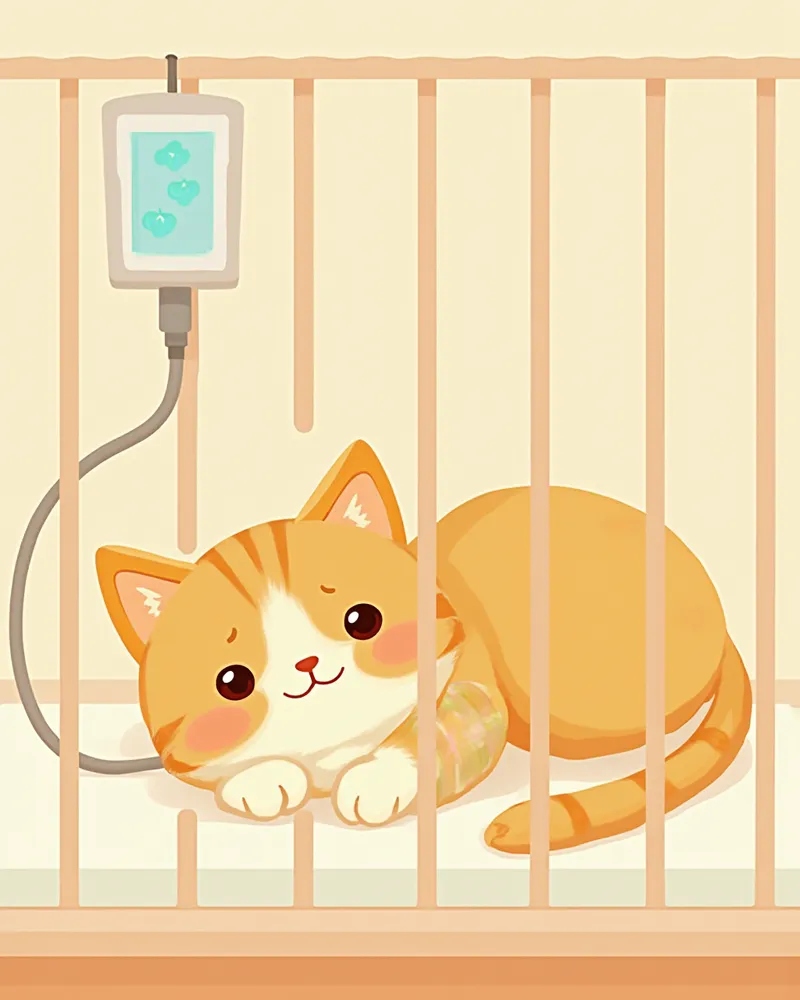
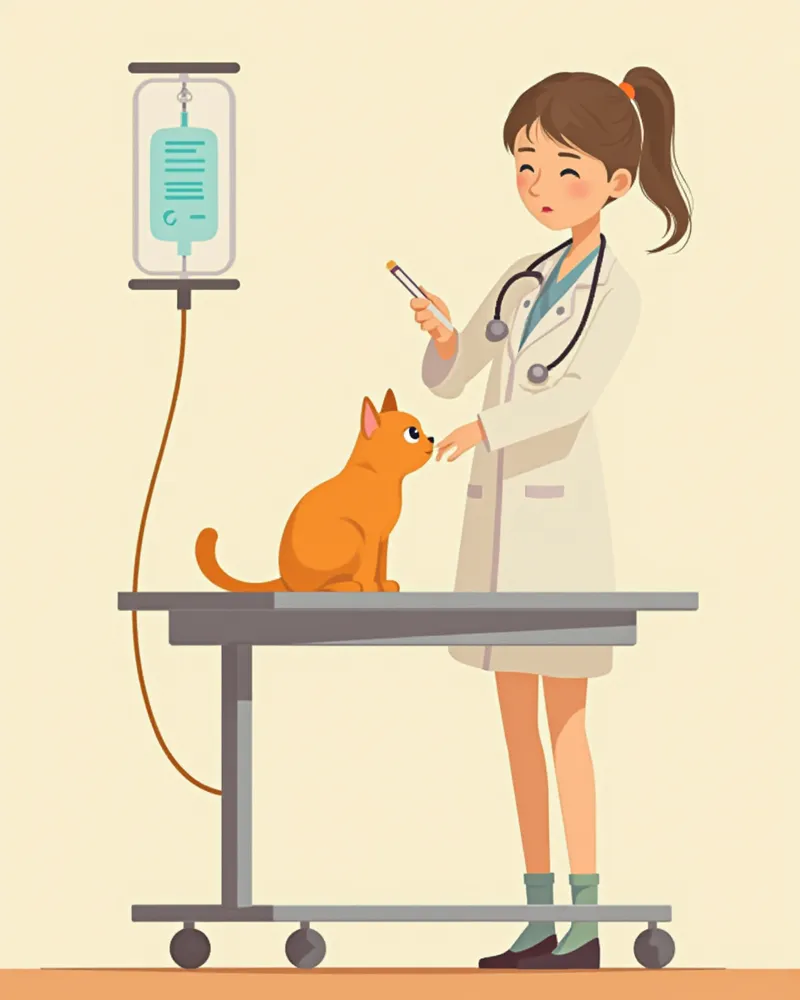
Since ibuprofen has no specific antidote, treatment relies on time-sensitive, multi-stage supportive care. Knowing this in advance helps owners make quicker decisions regarding consent. - Early arrival: Administering activated charcoal or performing gastric lavage to block further absorption (at the veterinarian’s discretion) - Fluid therapy: If the ingested dose approaches nephrotoxic levels, intravenous fluids are administered for at least 48 hours to maintain renal perfusion through diuresis. Prognosis improves significantly with prompt treatment, especially within 18 hours of ingestion (this constitutes a major portion of treatment costs) - Gastroprotectants: Medications such as omeprazole and sucralfate are used to prevent the progression of gastric ulcers and bleeding - Blood work monitoring: Kidney function markers, including BUN and creatinine, are checked repeatedly - Severe renal failure or gastrointestinal bleeding: Intensive care is required; if anemia becomes severe due to gastric bleeding, red blood cell transfusions may be necessary to maintain hematocrit levels (requires specialized facilities) The veterinarian will determine the treatment schedule based on the pet’s weight and the amount ingested.
A hospitalized cat receiving intravenous fluids

Preventing Recurrence — Principles for Storing Medications at Home

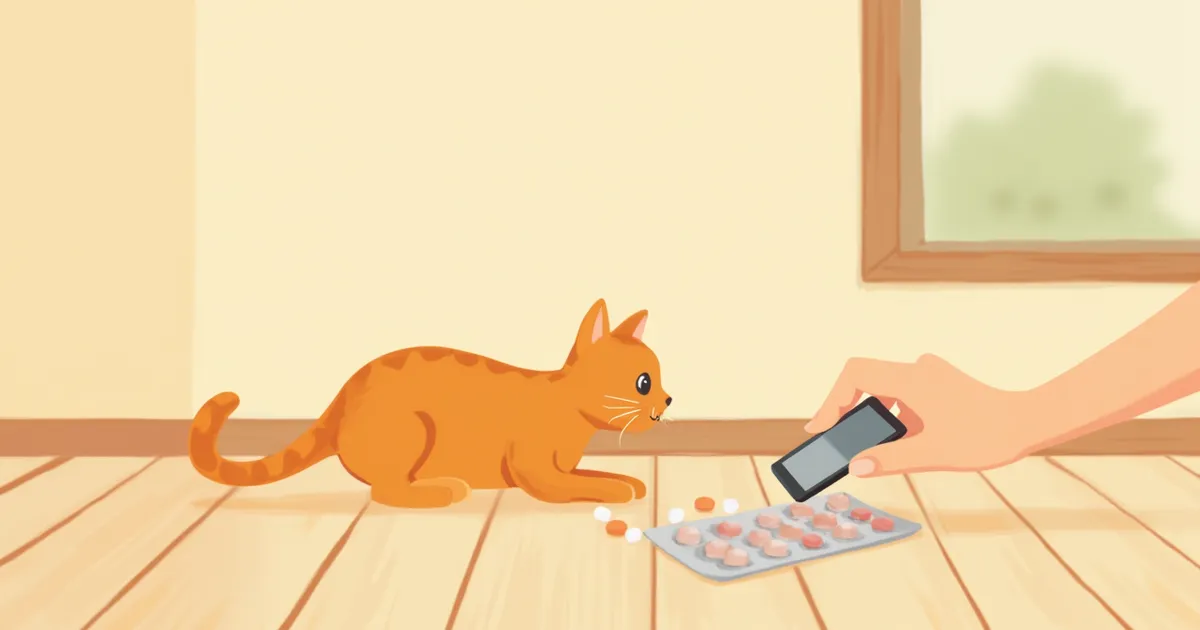
Even after recovery, cats may repeat the same mistake. They are often drawn to the sound and glint of rolling pills, treating them like toys and swallowing them. - Store human medications in a drawer that your cat absolutely cannot open (the top of a cabinet is not safe) - Immediately check whether even a single pill has fallen after administering medication - Other pain relievers such as acetaminophen, aspirin, and naproxen are equally dangerous - Keep the phone number of a 24-hour veterinary clinic attached to your refrigerator

Reviewed by a veterinarian

Dr. Tony — Punnawat Phongkittirak

Dr. Tony — Punnawat Phongkittirak

Veterinarian

A veterinarian who majored in veterinary medicine at Khon Kaen University, Thailand, and completed the IVSA program at North Carolina State University in the United States. Drawing on clinical experience at animal hospitals, he works in the pet healthcare field and is dedicated to building a digital care environment that connects pet parents with veterinarians.

Frequently Asked Questions

My cat only licked one ibuprofen pill. Is it okay?
Even if your cat only licks the coating, the medication can be absorbed. Cats are so sensitive that toxicity can begin at half the dosage intended for dogs; in smaller cats, even a trace of a single pill can cause gastrointestinal irritation. Please call your veterinarian to report the situation and monitor your cat’s appetite, vomiting, and urine output for at least 24 hours.
Is children’s ibuprofen syrup for humans also dangerous?
Yes, it’s equally dangerous. Ibuprofen itself is toxic to cats, so whether it’s in pill or syrup form, it can lead to an emergency situation regardless of the form. Even if your cat just licked a small amount, contact an emergency vet immediately.
How much will the treatment cost?
The exact cost varies significantly depending on the clinic, your pet’s weight, and the severity of their condition. Typically, hospitalization for intravenous fluid therapy lasting at least 48 hours is standard, but costs rise substantially if intensive care is required for severe kidney failure. It’s a good idea to ask for an estimated cost when you call the emergency clinic.
Can kidney damage be reversed?
Starting intravenous fluid therapy early after ingestion—especially within 18 hours—can sometimes restore kidney function, but delayed treatment leads to a poor prognosis, and any kidney tissue that has been damaged may suffer permanent loss of function. Even after recovery, it’s essential to regularly monitor kidney markers (BUN and creatinine).
Can I give my cat a dog pain reliever containing ibuprofen?
Absolutely not. Human NSAIDs (such as ibuprofen) should never be given to pets without veterinary guidance, and they can be fatal to cats. For pain management in cats, only use NSAIDs approved and prescribed specifically for felines (e.g., robenacoxib), and strictly follow your veterinarian's instructions.

Share

Related Guides

References

[1] Plumb's Veterinary Drug Handbook, 9th Edition — Ibuprofen toxicity in cats chapter

[2] Small Animal Toxicology, 3rd Edition — NSAID toxicosis in feline patients

[3] Clinical Medicine of the Dog and Cat, 4th Ed — Acute kidney injury and toxicant exposure

[4] ASPCA Animal Poison Control Center — Ibuprofen toxicity guidelines for felines, 2023

This information is based on veterinary literature and does not replace diagnosis or treatment. Please consult a veterinarian for specific health concerns.

Metapet Co., Ltd. | CEO: Park Sung-yong | Business Reg. No. 417-88-02562 | Seoul, South Korea | Customer Center

Cat Ate Ibuprofen: Kidney Failure & Stomach Bleeding First Aid | Meongsiljang