Like
Share
멍실장
유기견입양 절차와 주의사항 – 입양 전 꼭 알아야 할 것들

Rescue Dog Adoption Procedures and Precautions – What You Must Know Before Adopting

ImmunityQ&AMeongsiljang Veterinary Advisory Board

We’ve put together everything you need to know, from the steps to adopt a rescue dog and how to help them adjust during their first week, to tips for introducing them to your current pets and a checklist for their initial health exam.

How to Start Adopting a Rescue Dog?

A scene of meeting a stray dog at the shelter.
Adopting a rescue dog typically follows this sequence: visiting the shelter, consulting with staff, submitting an adoption application, and finally taking your new companion home. However, what matters even more than the procedure itself is thorough preparation and the right mindset before adoption. According to veterinary behavioral studies, shelter dogs often have experienced emotional issues such as fear, anxiety, or past trauma, so they need ample time to fully adjust to their new homes—though the exact duration varies from dog to dog. This article covers everything you need to know, from the adoption process and tips for helping your dog settle in during the first week, to strategies for introducing them to existing pets and a checklist for post-adoption health checkups.

Adoption Procedures at a Glance

Adopting a rescue dog generally involves four main steps.
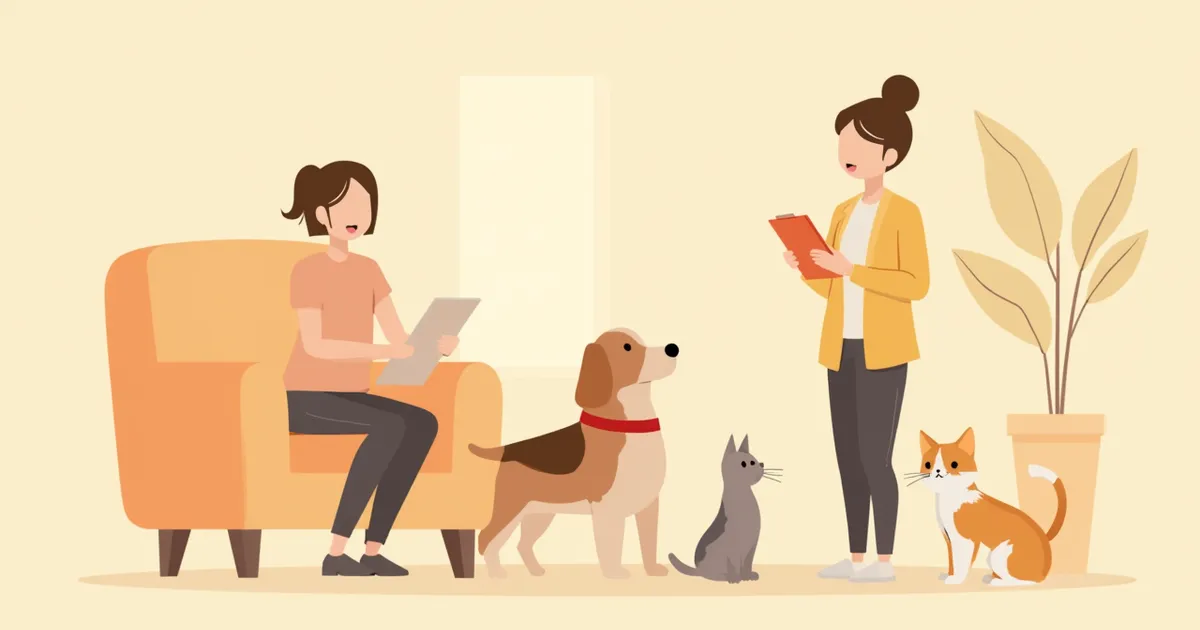
Step 1 — Visit a Shelter: Visit a nearby animal protection center or private shelter to meet the dogs in person. You can also check information about animals available for adoption nationwide in advance on the Animal Protection Management System website.
Step 2 — Adoption Counseling: Consult with shelter staff to carefully review the dog’s personality, health status, and any special considerations.
Step 3 — Application Submission: Complete an adoption application form detailing your living environment, household composition, and prior pet ownership experience.
Step 4 — Education and Handover: Receive basic care education, and once you are prepared, you can bring your new dog home.

What You Must Prepare Before Adopting

Before deciding to adopt, please carefully review the following points.
Living Environment: Ensure there is sufficient space for your new companion to live comfortably and check if any safety measures are needed.
Family Consent: Confirm that all family members agree to the adoption. If anyone in the household has allergies, consider getting tested in advance.
Financial Preparation: Be prepared for monthly expenses of at least $70 to $100, covering food, veterinary care, grooming, and supplies.
Time Commitment: During the initial adjustment period, dedicate ample time to help your new pet overcome fear and anxiety.
Existing Pets: If you already have pets, plan ahead for a smooth introduction and cohabitation.

Helping With First-Week Adjustment

The first week is often the most unfamiliar and anxiety-inducing time for your new pet. According to veterinary behavioral studies, pets from shelters frequently have experienced emotional issues such as fear, anxiety, or past trauma, so while adaptation periods vary by individual, they generally need ample time to adjust to their new environment.
Create a safe space: Designate a small room as your pet’s personal sanctuary. Place their bed, water bowl, and toys there to make it comfortable.
Maintain a consistent routine: Keep feeding, walking, and sleeping times regular. A predictable daily schedule helps reduce anxiety.
Avoid excessive physical contact: Initially, it’s best to wait for your pet to approach you on their own terms. Forcing hugs or handling can inadvertently cause stress.
An adopted dog resting comfortably in a safe space.

Post-Adoption Health Checkups Are Essential

It’s a good idea to visit a veterinarian as soon as possible after adopting your new pet. Even if the shelter has already provided basic vaccinations and spaying or neutering, it’s important to have your pet’s overall health checked by a vet. Animals in shelters, where many pets live together, may be more susceptible to parasitic infections, and some of these parasites can be transmitted to humans, posing a zoonotic risk. Therefore, consider discussing with your vet whether to test for internal parasites and heartworms, and have your pet’s overall health thoroughly evaluated. Bringing the medical records from the shelter will help the vet make a more accurate assessment.

Living With Existing Pets

If you already have a pet at home, introductions must be done gradually. Rescue animals may show anxiety or fear in unfamiliar environments due to their past experiences, so it’s important to be patient and consistently help them adjust at a slow pace.
Step 1 — Scent Exchange: Swap blankets or toys between the pets so they can first become familiar with each other’s scent.
Step 2 — Visual Introduction: Allow them to see each other through a baby gate or a slightly open door.
Step 3 — Face-to-Face Meeting: Begin with short meetings while both pets are on leashes, and gradually increase the duration. Always ensure the resident pet has access to a safe space where they can retreat if needed.
Two puppies meeting cautiously with a safety gate between them

Common Behavioral Issues After Adoption and How to Handle Them

Rescue animals may exhibit various behavioral issues due to past experiences and the stress of shelter life. While many improve with consistent care, some may not respond quickly even to gradual adaptation efforts, making patience and consistent handling essential.
Separation anxiety: Excessive barking, destructive behaviors such as chewing furniture or scratching doors, and house-soiling accidents may occur when separated from their owner. Start with very short departures and gradually increase the duration.
Noise phobia: For animals that are extremely startled by loud noises or thunder, always provide access to a safe space and avoid forcing them to calm down.
House-soiling accidents: Potty training may need to be restarted in a new environment. Reinforce success with praise and treats each time.
If symptoms are severe, consulting a veterinary behaviorist is a good option.
A pet owner using treats for positive reinforcement training with their adopted dog

Adoption Is a Commitment of at Least 10–15 Years

Before adopting, please be sure to review the shelter’s vaccination records, spay/neuter status, disease test results (such as for heartworm), and the animal’s temperament and behavior around other animals. It’s also wise to familiarize yourself with the shelter’s return policy in advance. Most importantly, remember that adoption isn’t a fleeting impulse—it’s a lifelong commitment to care for the animal for the rest of its life. Please take your time to think it through and ensure all family members are in agreement before making your decision.

Reviewed by a veterinarian

Dr. Tony — Punnawat Phongkittirak

Dr. Tony — Punnawat Phongkittirak

Veterinarian

A veterinarian who majored in veterinary medicine at Khon Kaen University, Thailand, and completed the IVSA program at North Carolina State University in the United States. Drawing on clinical experience at animal hospitals, he works in the pet healthcare field and is dedicated to building a digital care environment that connects pet parents with veterinarians.

Frequently Asked Questions

How much does it cost to adopt a rescue dog?
Public shelters often offer adoption for free or at a minimal fee. Private shelters may charge around $70 to $200, which typically includes spaying/neutering and vaccination costs. Be sure to set aside funds for your pet’s first post-adoption health checkup.
Don’t rescue dogs have behavioral problems?
That’s not the case. Most dogs end up in shelters due to their owners’ circumstances, such as moving or financial difficulties. However, since shelter temperament assessments have limited reliability, it’s important to thoroughly discuss the dog’s behavioral history and reactions to other animals with shelter staff during the adoption counseling. Adult dogs have already developed their personalities, so their temperament can serve as a useful reference for determining how well they’ll fit into your home environment.
How long does the adjustment period last after adoption?
Individual differences can be significant, and the adaptation period may vary greatly depending on emotional factors such as fear, anxiety, or past trauma. Some pets adapt relatively quickly, while those with emotional issues may require more time. Since every pet is different, please avoid rushing the process and allow them to adjust at their own pace.
Can I adopt a cat from a shelter?
Absolutely. Both public animal protection centers and private shelters care for abandoned cats as well. Since cats can experience fear and anxiety in new environments, it’s important to provide them with a separate safe space after adoption and give them plenty of time to adjust.
Can families with young children also adopt?
Yes, it’s possible. However, when consulting with the shelter, it’s best to request a pet with a child-friendly temperament. Initially, an adult should always supervise interactions between the child and the pet.

Share

Related Guides

References

[1] Veterinary Guide to Preventing Behavior Problems in Dogs and Cats, Chapter 9: Adopting a Shelter Dog, Chapter 10: Adopting a Shelter Cat

[2] Landsberg, G., Hunthausen, W., & Ackerman, L., Behavior Problems of the Dog and Cat, 3rd Edition, Saunders, 2013

This information is based on veterinary literature and does not replace diagnosis or treatment. Please consult a veterinarian for specific health concerns.

Metapet Co., Ltd. | CEO: Park Sung-yong | Business Reg. No. 417-88-02562 | Seoul, South Korea | Customer Center

Rescue Dog Adoption: Steps and Precautions to Know | Meongsiljang