Like
Share
멍실장
고양이 비만과 인슐린 저항성 자주 묻는 질문 Q&A — 보호자가 꼭 알아야 할 핵심

Feline Obesity and Insulin Resistance FAQ — Key Information Every Pet Owner Should Know

EndocrineQ&AMeongsiljang Veterinary Advisory Board

Feline obesity can lead to insulin resistance, which increases the risk of diabetes. We’ve compiled the essential information every pet owner should know.

Feline Obesity and Insulin Resistance Are Closely Linked
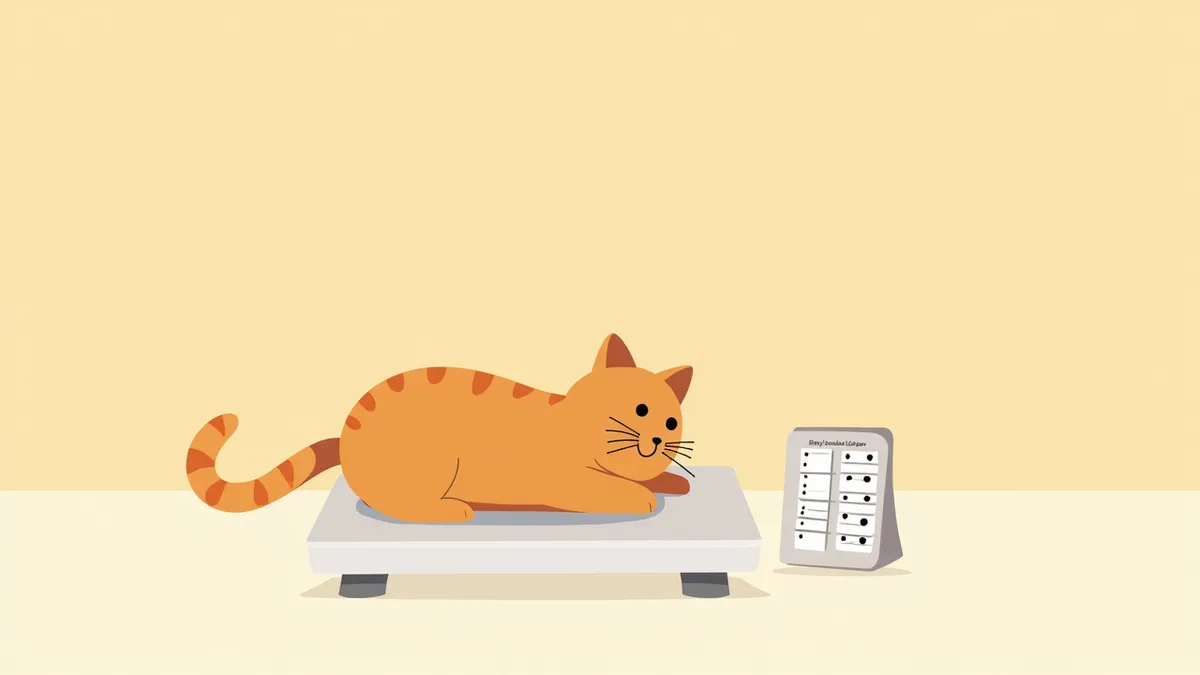
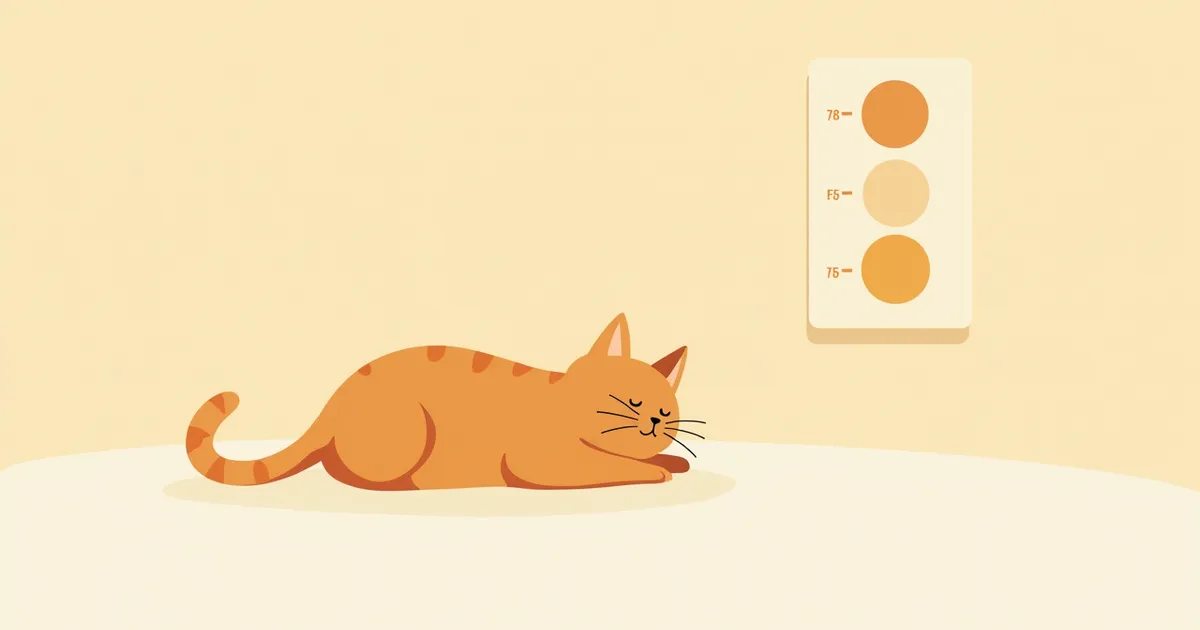
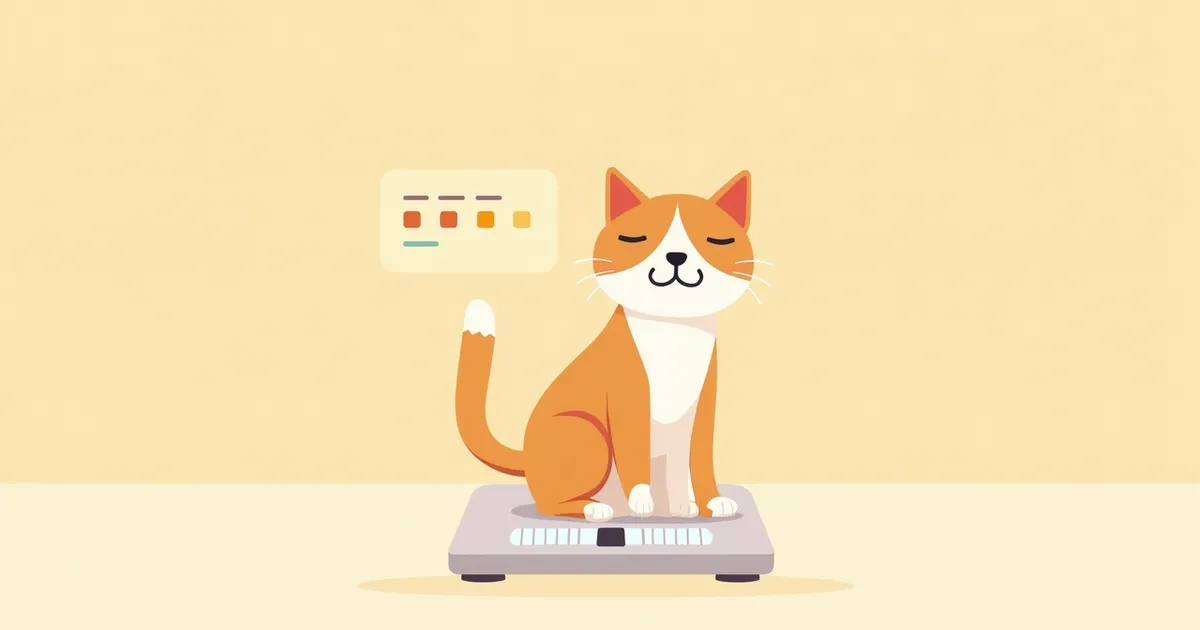
A cat lying on a weighing scale, with a body condition assessment checklist beside it.
Feline obesity is a key factor that can lead to insulin resistance. As weight increases, excessive fat cell accumulation triggers the release of inflammatory substances, which reduces the responsiveness of insulin receptors. This impairs blood sugar regulation and prevents insulin from functioning properly. Consequently, the pancreas attempts to compensate by producing more insulin, but over time its function becomes exhausted, potentially leading to diabetes. Therefore, obesity can be considered a precursor to diabetes, making it essential for pet owners to promptly recognize and address any weight changes. Since this process develops gradually, careful monitoring is necessary.

The Mechanism by Which Obesity Leads to Insulin Resistance
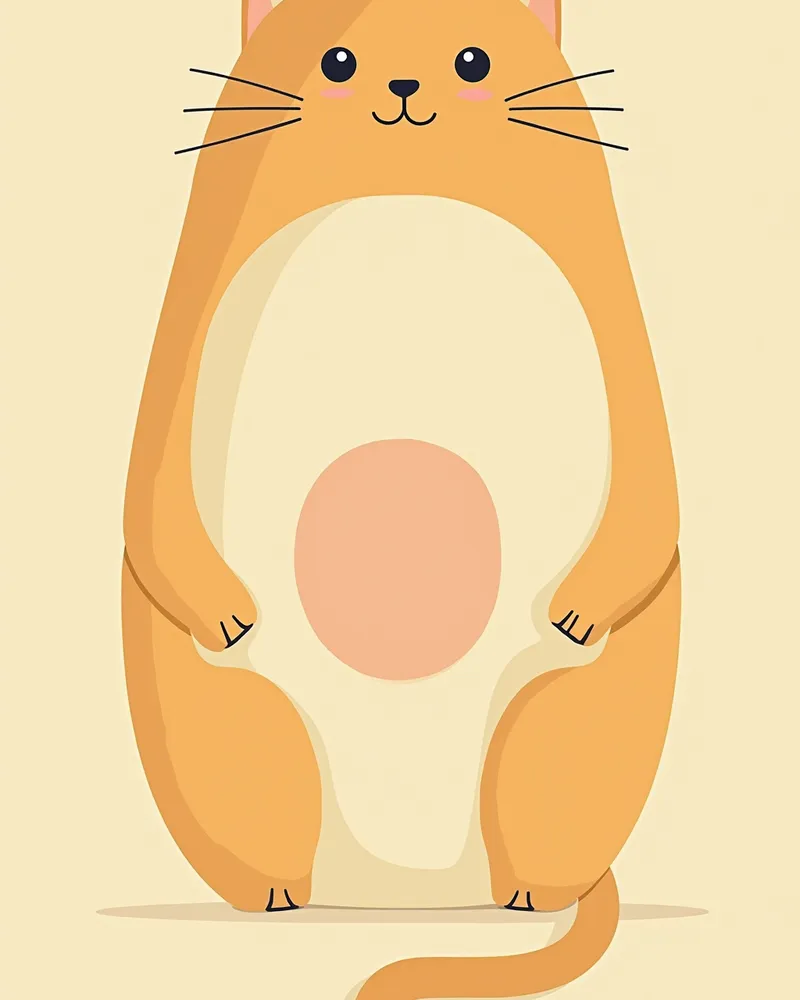
- Excessive fat cell accumulation: Weight gain causes fat cells to proliferate excessively, triggering an inflammatory response. - Reduced insulin receptor sensitivity: Inflammatory substances decrease the sensitivity of insulin receptors, interfering with their function. - Failed blood sugar regulation: When insulin cannot function properly, blood sugar levels rise, marking an early sign of diabetes. - Pancreatic overload: The pancreas attempts to secrete more insulin, but its function becomes exhausted over time. - Increased risk of diabetes: If this process continues, the likelihood of developing diabetes increases significantly. - Early intervention is essential: Addressing obesity in its early stages is crucial to preventing insulin resistance.
An anatomical illustration showing fat accumulation in a cat’s abdominal area

5 Key Signs of Obesity and Insulin Resistance
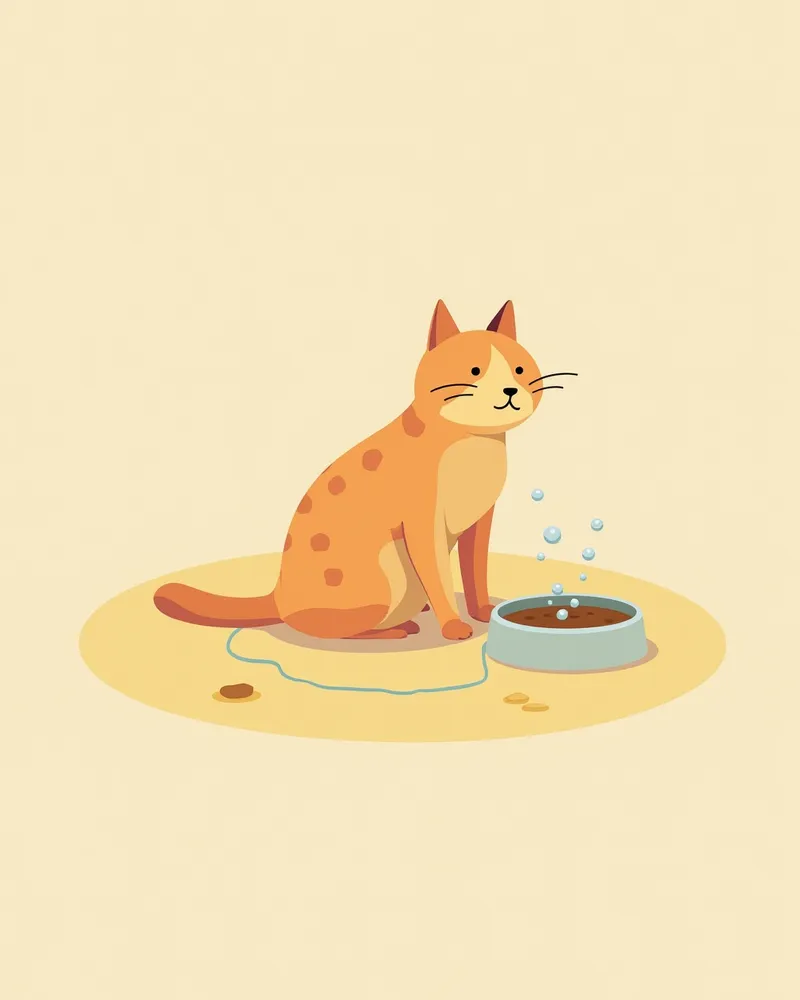
Obesity and insulin resistance often present no obvious symptoms on their own. In the obesity stage, the liver may continue to respond to insulin, keeping fasting blood glucose levels within the normal range, so the condition may not be readily apparent. However, if the condition progresses to diabetes, the following signs may appear: - Excessive thirst: Your pet drinks water more frequently, and the water bowl empties quickly. - Frequent urination: Both the frequency of bathroom visits and the volume of urine increase. - Changes in appetite: Weight loss may occur despite a good appetite, or food intake may increase. - Lethargy: Activity levels decrease, and your pet shows little interest in play. - Weight gain and abdominal fat: Fat accumulation, particularly around the belly, is the most noticeable sign of obesity. These signs may indicate that blood glucose regulation has already been disrupted, making consistent monitoring of weight and body shape changes essential for early detection.
A cat sitting near its water bowl and litter box, showing signs of thirst and urinary symptoms.

Signs Requiring Immediate Veterinary Visit

If your cat suddenly loses its appetite, vomits repeatedly, or becomes so lethargic that it can’t move, you should take it to the vet immediately. These could be signs of diabetic ketoacidosis, a serious complication of diabetes. Because this condition can be life-threatening, prompt action is essential.

Comparison of Insulin Resistance Risk by Degree of Obesity

ItemDegree of obesityRisk of insulin resistanceLikelihood of developing diabetes
3 points or belowThinVery lowVery low
4–5 pointsNormalLowLow
6–7 pointsMild obesityModerateModerate
8–9 pointsSevere obesityHighHigh

According to studies, insulin sensitivity can drop by about 15–30% for every 1 kg of weight gain, so the higher the body condition score, the greater the risk of both insulin resistance and diabetes.

5 Management Methods You Can Do at Home
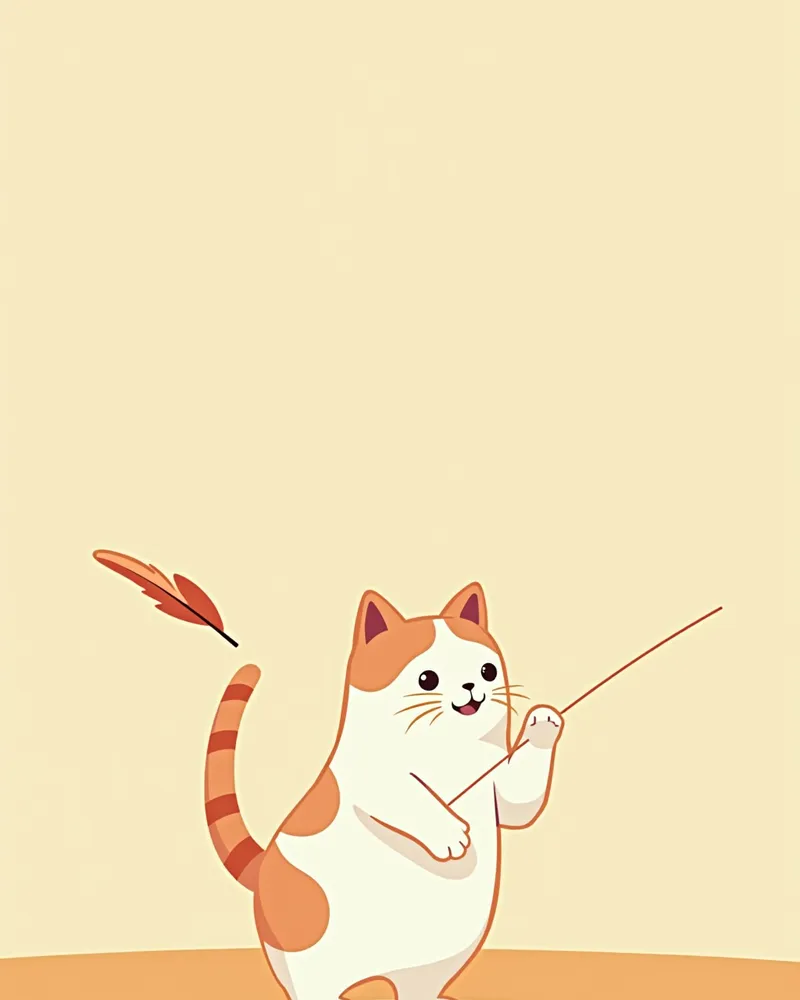
Dietary management: Work with your veterinarian to transition to a low-carbohydrate, high-protein diet and reduce overall caloric intake. Diets rich in fiber can help improve insulin sensitivity and blunt post-meal blood sugar spikes.
Split meals: Feeding three to four smaller meals a day helps maintain a longer-lasting feeling of fullness.
Encourage exercise: Use interactive toys to gently encourage 10–15 minutes of daily activity.
Promote water intake: Providing fresh water at all times encourages your pet to drink more.
Regular weight monitoring: Weigh your pet at the same time each week to track changes.
A cat playing with a laser pointer and a feather toy

4 Daily Habits for Prevention

Choosing the Right Food: Select cat food appropriate for your cat’s age and activity level, and avoid diets high in carbohydrates.
Preventing Overeating: Provide measured meals and limit treats to no more than 10% of daily caloric intake.
Regular Checkups: Schedule health examinations at least once a year to monitor weight and run blood tests for early detection of issues.
Environmental Enrichment: Reduce stress by providing high perches, hiding spots, and opportunities for exploration.
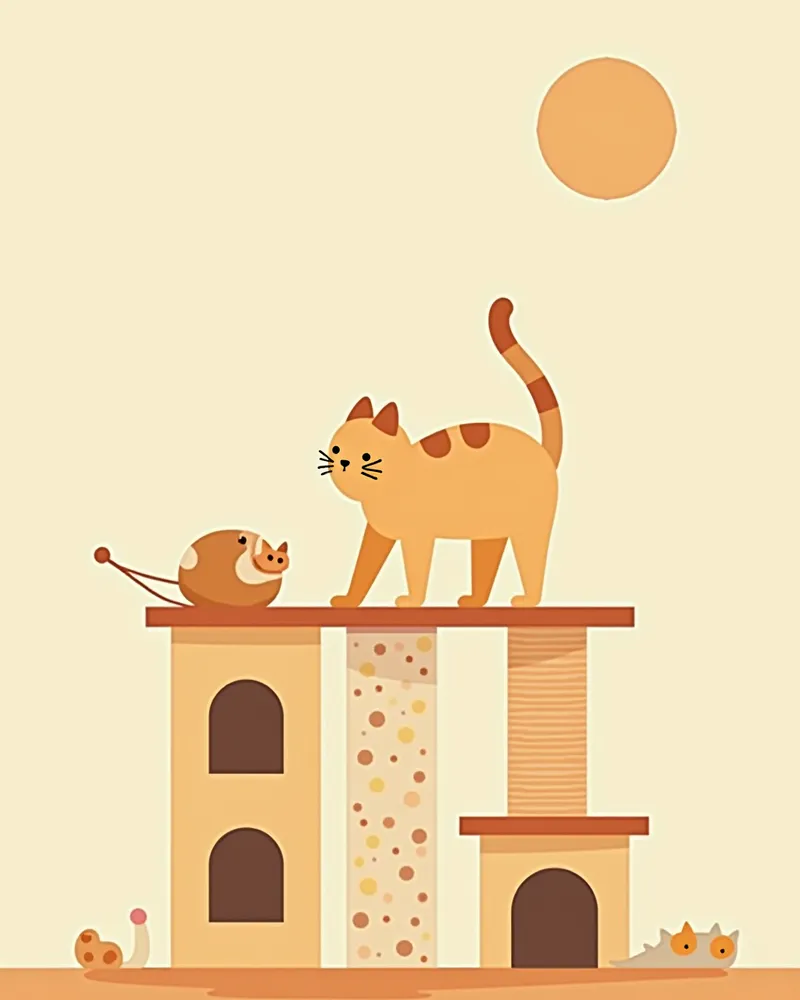
A cat exploring a treehouse play area equipped with toys and hiding spots.

Caution: Choosing the Wrong Food Is Dangerous

Human food or non-cat-specific pet food can worsen insulin resistance. It is especially important to avoid products with high carbohydrate content. Choosing a diet recommended by your veterinarian is the safest option.

Reviewed by a veterinarian

Dr. Tony — Punnawat Phongkittirak

Dr. Tony — Punnawat Phongkittirak

Veterinarian

A veterinarian who majored in veterinary medicine at Khon Kaen University, Thailand, and completed the IVSA program at North Carolina State University in the United States. Drawing on clinical experience at animal hospitals, he works in the pet healthcare field and is dedicated to building a digital care environment that connects pet parents with veterinarians.

Frequently Asked Questions

Can feline obesity lead to diabetes?
Yes, feline obesity can lead to insulin resistance, significantly increasing the risk of developing diabetes. Early management is crucial.
A body condition score of 6 indicates obesity.
Yes, a score of 6 indicates mild obesity. Weight management is necessary, as prolonged overweight can increase the risk of diabetes.
Will reducing food intake improve diabetes?
Dietary management is key to controlling diabetes. Along with weight loss, insulin sensitivity can be restored.
Why should treats be avoided?
Treats are high in calories and carbohydrates, which can worsen obesity and insulin resistance. They should be limited to no more than 10% of your pet’s daily caloric intake.
Is it normal for cats to drink water frequently?
A sudden increase in water intake can be a sign of excessive thirst. In particular, if your cat is overweight, it may be necessary to suspect diabetes.

Share

Related Guides

References

[1] Burkholder WJ. Use of body condition scores in clinical assessment of the provision of optimal nutrition. J Am Vet Med Assoc 2000;217(5):650-4.

[2] The Dog Care Handbook, Things I Wish My Vet Had Told Me. 2020. Page 123-125.

[3] Clinical Medicine of the Dog and Cat, 4th Ed. 2021. Chapter 26: Management of the Obese Dog or Cat.

This information is based on veterinary literature and does not replace diagnosis or treatment. Please consult a veterinarian for specific health concerns.

Metapet Co., Ltd. | CEO: Park Sung-yong | Business Reg. No. 417-88-02562 | Seoul, South Korea | Customer Center

Cat Obesity and Insulin Resistance: Your Complete Guide | Meongsiljang