
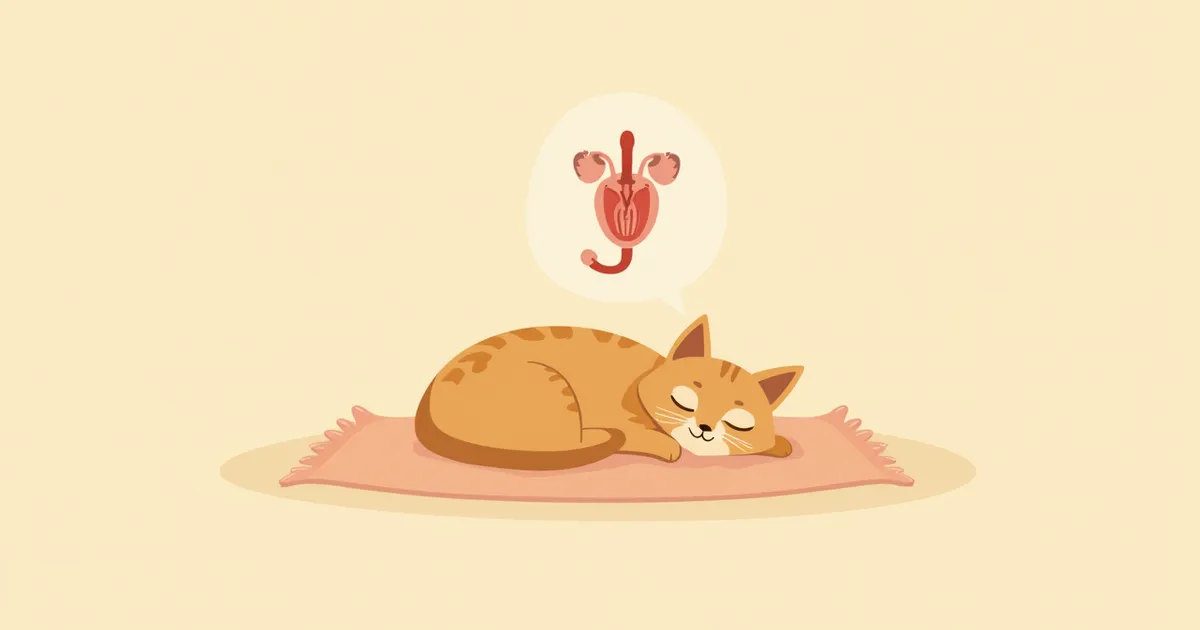
Frequently Asked Questions About Feline Hydronephrosis — Key Points Pet Owners Must Know
Feline hydronephrosis is a condition in which urine accumulates in the kidneys, making early detection crucial. Here’s a summary of key questions and answers that pet owners should know.
What is feline hydronephrosis?
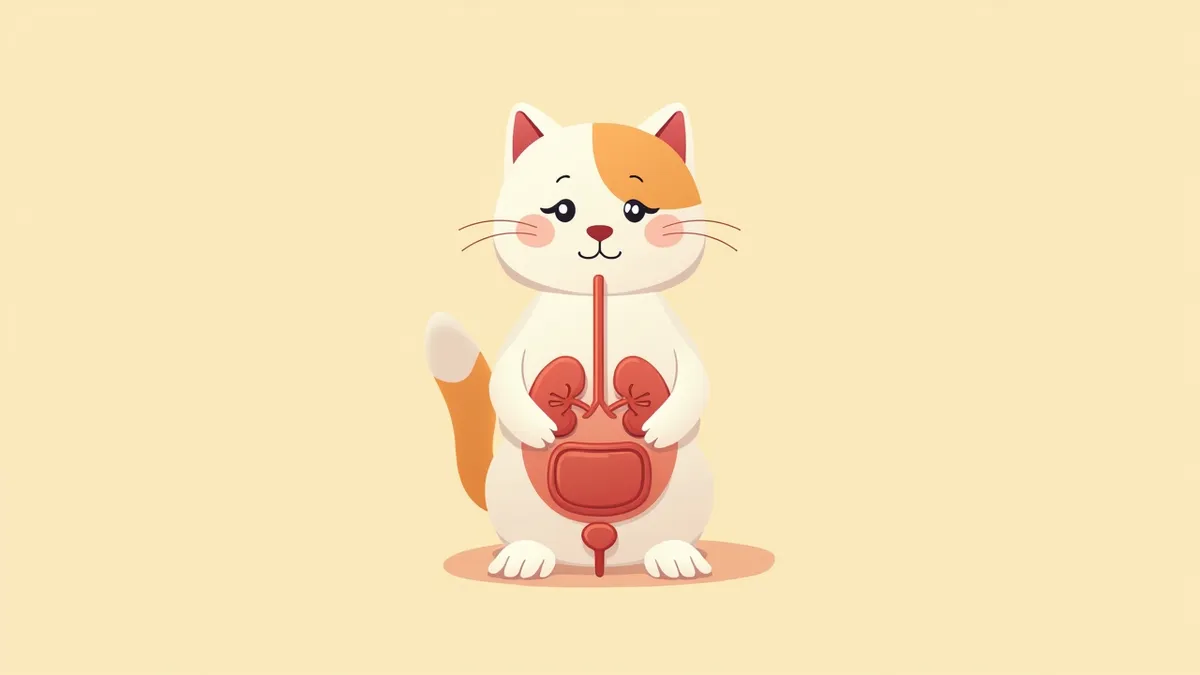
What are the main causes of hydronephrosis?
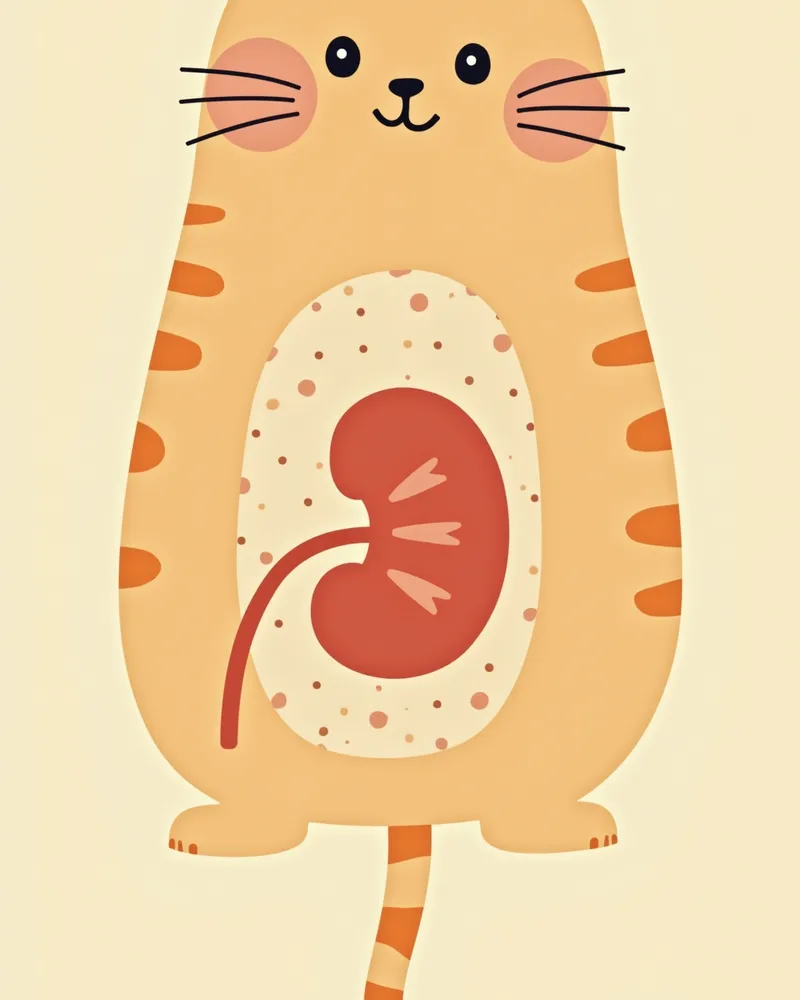
What are the main symptoms of hydronephrosis?

Signs Requiring Immediate Veterinary Visit
If your cat is not urinating at all or shows severe pain while trying to urinate, you should take them to the vet immediately. This could indicate a complete blockage of the ureter. If your cat goes more than 24 hours without urinating, their kidney function can deteriorate rapidly.
How is hydronephrosis diagnosed?
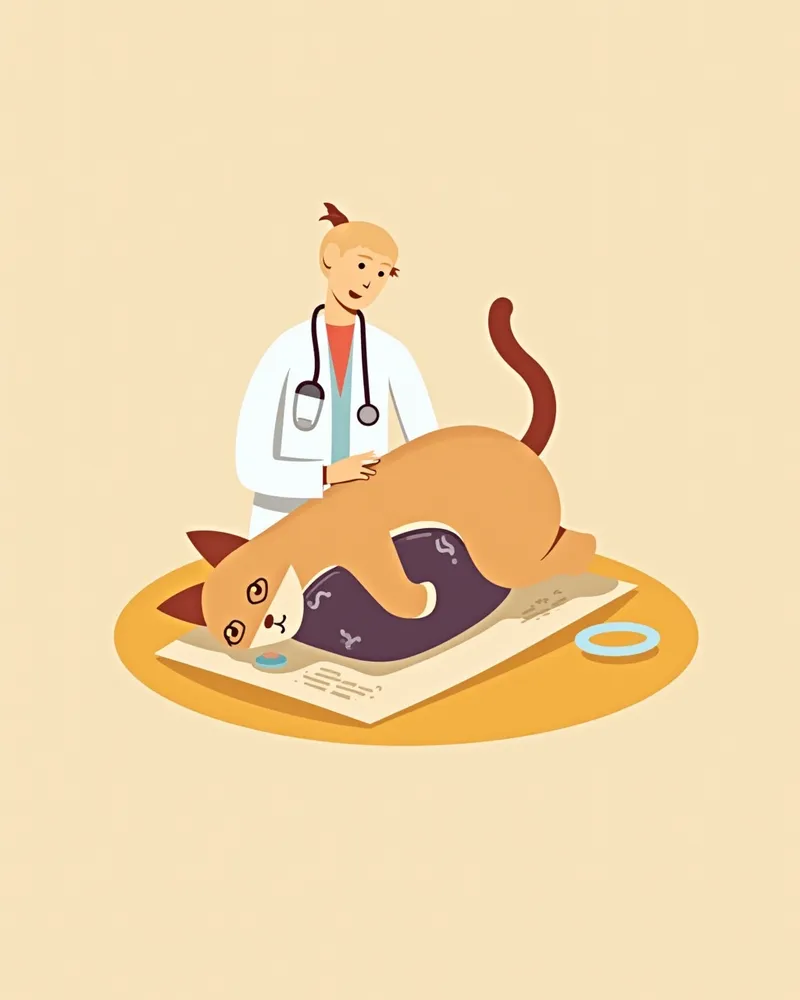
What are the treatment methods for hydronephrosis?
Home Care Points

Stage-by-Stage Symptoms and Management of Hydronephrosis
| Item | Stage | Main Symptoms | Response Method |
|---|---|---|---|
| Mild | Decreased urination frequency | Slight decrease in appetite | Veterinary consultation and schedule examination |
| Moderate | Decreased appetite, vomiting, lethargy | Perform ultrasound examination | Begin drug therapy |
| Severe | No urine at all, expressions of pain | Emergency surgery or drainage tube insertion | Hospitalized inpatient treatment |
If symptoms worsen, kidney function may be permanently damaged. Early response is important.
Reviewed by a veterinarian

Dr. Tony — Punnawat Phongkittirak
VeterinarianA veterinarian who majored in veterinary medicine at Khon Kaen University, Thailand, and completed the IVSA program at North Carolina State University in the United States. Drawing on clinical experience at animal hospitals, he works in the pet healthcare field and is dedicated to building a digital care environment that connects pet parents with veterinarians.
Reviewed 2026-06-29
Frequently Asked Questions
Can feline hydronephrosis be treated?
Is hydronephrosis common in cats?
Can hydronephrosis be prevented?
Can cats die from hydronephrosis?
Does hydronephrosis cause pain in cats?
Share
Related Guides

Top 5 Prescription Diets for Feline FLUTD — Comparison by Struvite and Calcium Oxalate Stones

Top 7 Prescription Diets for Feline Bladder and Urinary Tract Health Recommended by Veterinarians — Including Selection Criteria

Top 5 Cranberry Urinary Supplements for Dogs — Preventing Cystitis

AAFCO Certification Detailed Guide — How to Read Labels

If Your Pet’s Food Is Subject to a Recall — How to Check Recall Information and Take Action

Beach & Pool Safety: How to Keep Your Pet Safe During Water Play?

Is hiking with your pet okay? — Safety rules to check before heading out

Can You Go Camping with Your Pet? A Safety Guide from Preparation to Emergency Response

Our Child Has Lost a Companion — How to Help the Remaining Pet Through Grief

Compulsive Behaviors (Tail-Chasing, Licking) Deep Dive
References
[1] Schriefl S, Steinberg TA, Matiasek K, et al. Etiologic classification of seizures, signalment, clinical signs, and outcome in cats with seizure disorders: 91 cases. J Am Vet Med Assoc 2008;233(10):1591-7.
[2] Coates JR, Bergman RL. Seizures in young dogs and cats: pathophysiology and diagnosis. Compendium 2005:447-59.
[3] Barnes HL. Feline epilepsy. Vet Clin North Am Small Anim Pract 2018;48(1):31-43.