Like
Share
멍실장
고양이 비대성 심근증(HCM) 증상과 관리

Symptoms and Management of Feline Hypertrophic Cardiomyopathy (HCM)

HeartQ&AMeongsiljang Veterinary Advisory Board

We’ve compiled information on hypertrophic cardiomyopathy, the most common heart disease in cats, including its symptoms, diagnostic methods, treatment options, and home care tips for pet owners.

What Is Feline Hypertrophic Cardiomyopathy?
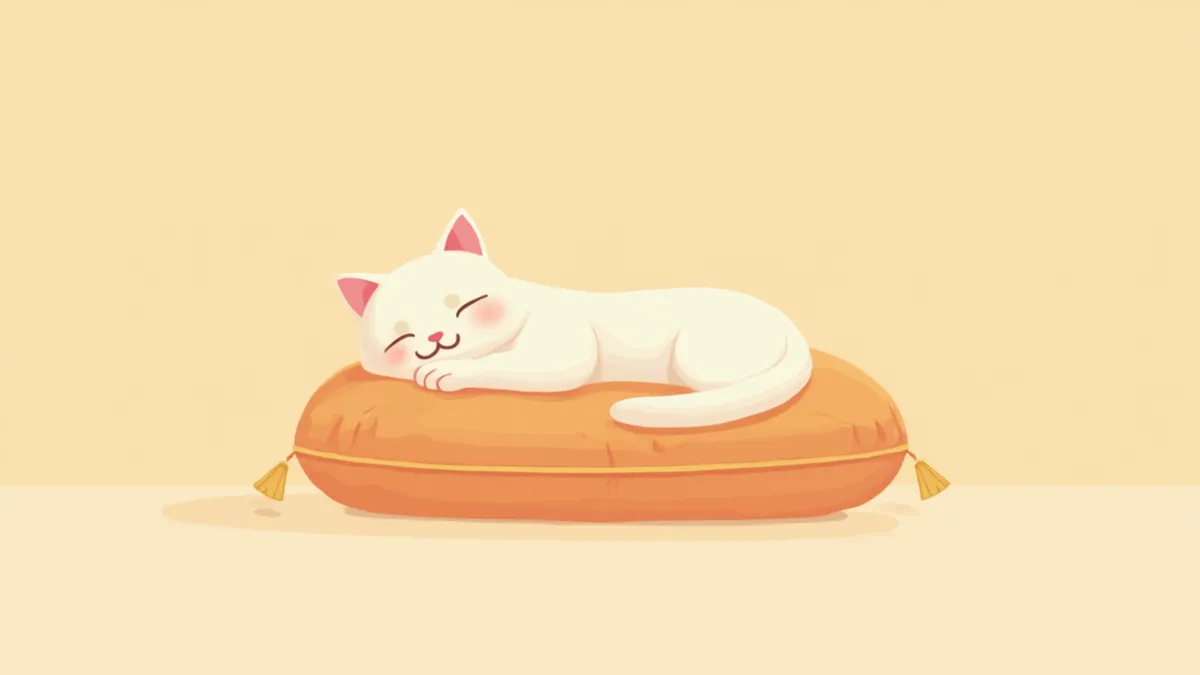
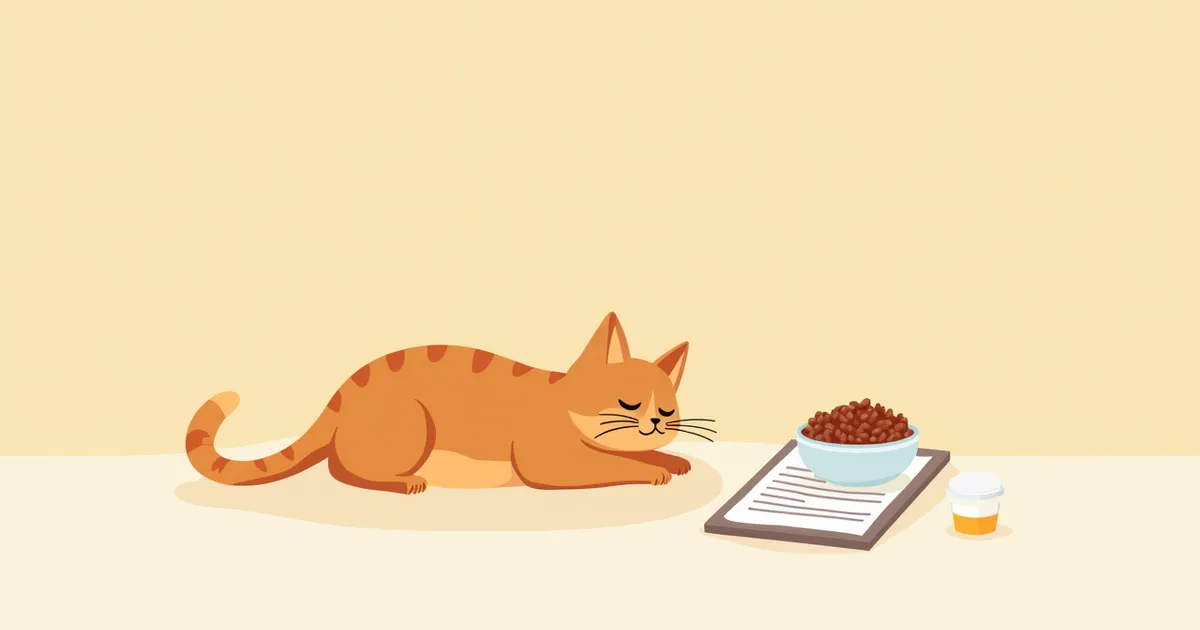
A cat resting comfortably
Hypertrophic cardiomyopathy (HCM) is the most common heart disease in cats. The heart walls thicken abnormally, narrowing the space inside the ventricles and impairing the heart’s ability to pump blood effectively. In the early stages, symptoms are often minimal, making it difficult for pet owners to notice any changes. However, as the condition progresses, it can lead to serious complications such as difficulty breathing or sudden hindlimb paralysis. Early detection through regular check-ups is crucial.

What Causes It?

The primary cause of hypertrophic cardiomyopathy is genetic. Breeds such as Maine Coons, Ragdolls, and British Shorthairs are known to have a genetic predisposition to this condition. In addition to genetics, other diseases like hyperthyroidism, hypertension, and aortic stenosis can also cause thickening of the heart muscle. According to veterinary cardiology textbooks, ruling out these secondary causes is the first step toward an accurate diagnosis.

Suspect HCM If You Notice These Symptoms
Rapid breathing: Be alert if your pet’s breathing becomes faster or more labored than usual while at rest. Comparing their breathing rate during rest or sleep to their normal baseline can be helpful.
Reluctance to exercise: Your pet may avoid play and seek rest more frequently than usual.
Open-mouth breathing: If your cat pants with its mouth open like a dog, it may indicate a heart problem.
Hind limb paralysis: If a blood clot blocks the vessels in the hind legs, your pet may suddenly be unable to walk and exhibit severe pain.
Decreased appetite: As heart function declines, overall energy levels and appetite may diminish.
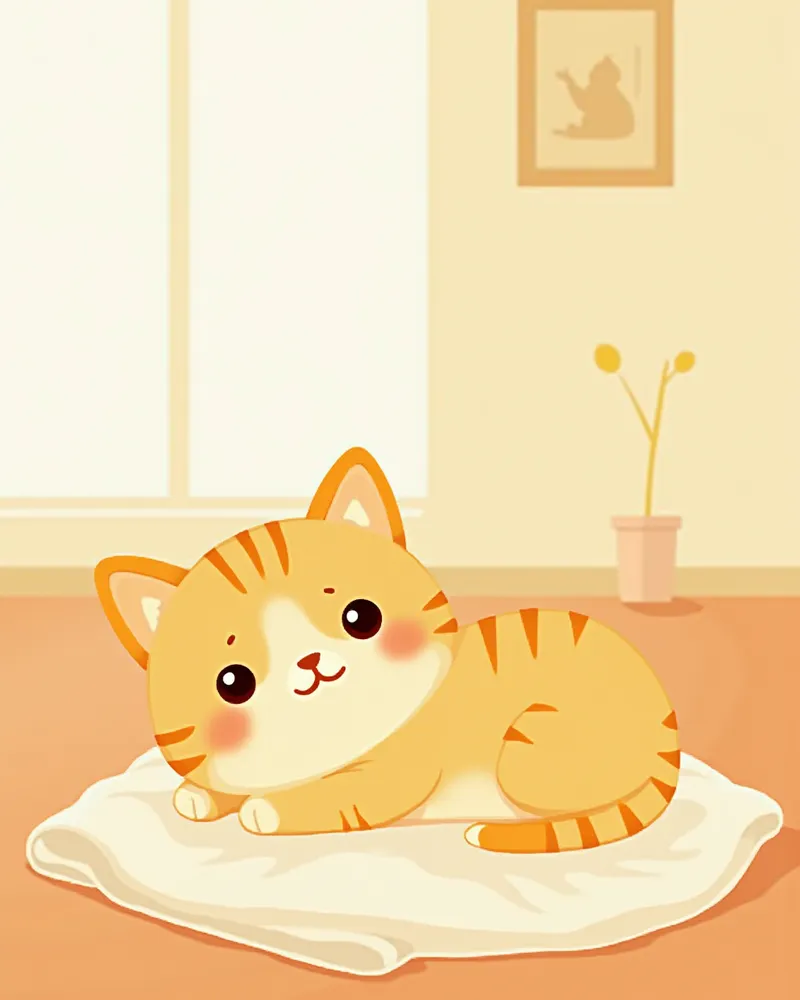
A lethargic cat lying down

How Is It Diagnosed?

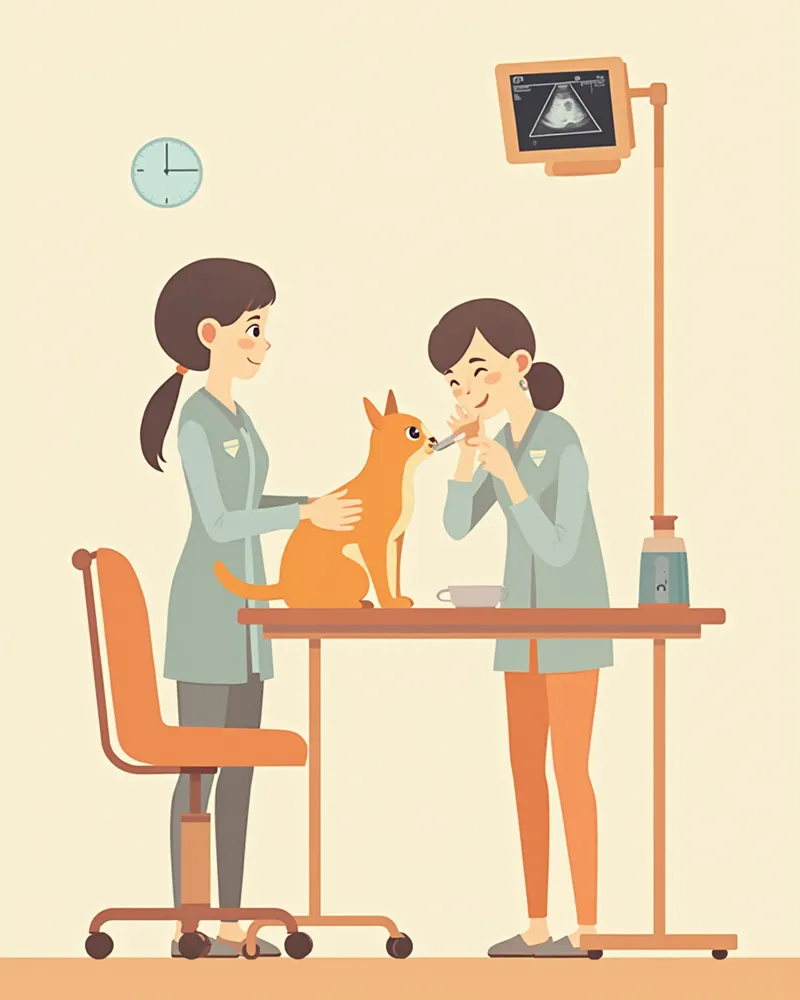
The most accurate test for diagnosing hypertrophic cardiomyopathy is an echocardiogram, which allows real-time assessment of heart wall thickness, ventricular size, and blood flow velocity. Hypertrophic cardiomyopathy is diagnosed when abnormal thickening of the left ventricular wall or interventricular septum is observed on the echocardiogram, though the pattern of hypertrophy can vary significantly among cats. A thoracic radiograph is also performed to evaluate heart size and check for fluid accumulation in the lungs. Additionally, blood tests to measure thyroid hormone levels are an important step to rule out secondary causes.
A cat undergoing an echocardiogram

Seek Immediate Veterinary Care in These Situations

If your pet suddenly drags its hind legs or cries out in severe pain, it could be a sign of thromboembolism. Similarly, if it’s breathing with difficulty while panting with an open mouth, or if its gums turn blue (cyanosis), it may indicate advanced heart failure. These symptoms require immediate attention as the window for effective treatment is very short, so please visit an emergency veterinary clinic right away.

How Is It Treated?

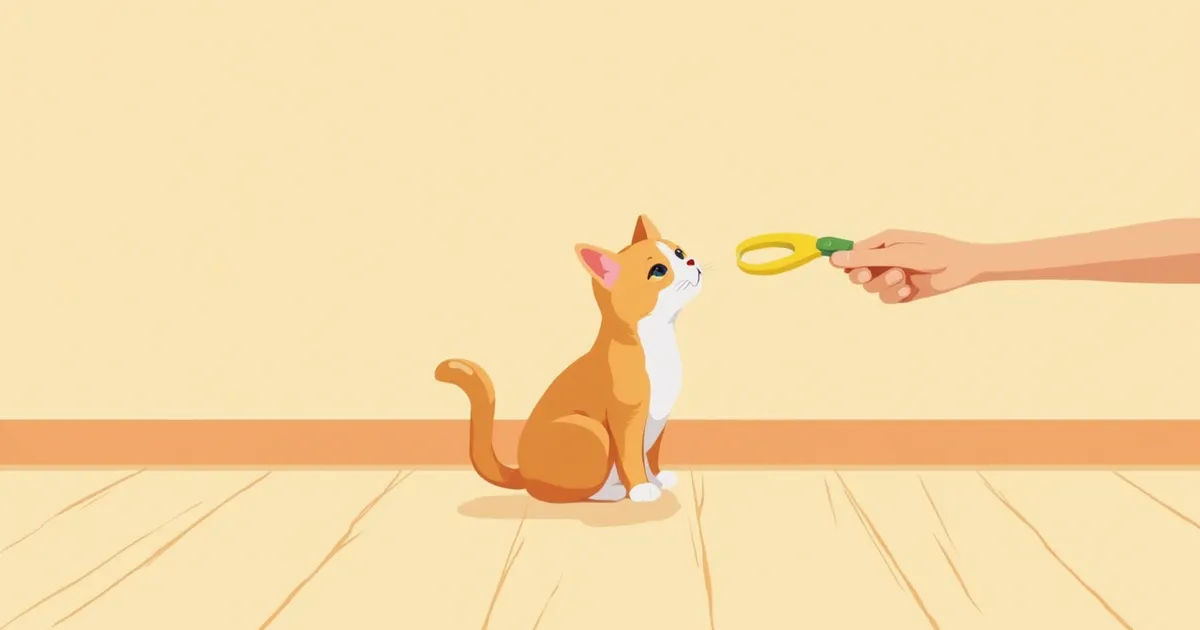
Hypertrophic cardiomyopathy is difficult to cure, but with appropriate medication, its progression can be slowed and your cat’s quality of life maintained. Your veterinarian will prescribe medications tailored to your cat’s condition, such as drugs to relax the heart muscle, prevent blood clots, and diuretics. The type and dosage of medication depend on the results of the echocardiogram and the severity of symptoms, so it’s important to follow your vet’s instructions closely. Once treatment begins, regular echocardiograms will be needed to monitor your cat’s progress.
A cat taking medication, as seen by its owner

Home Care Guidelines

Monitor breathing at rest: Count the number of breaths per minute while your pet is sleeping and compare it to their normal rate. If their breathing becomes faster or more labored than usual, please inform your veterinarian.
Minimize stress: Avoid sudden changes in environment, loud noises, and forced bathing.
Limit strenuous exercise: To prevent strain on the heart, please avoid excessive play.
Administer medication consistently: Do not stop the medication on your own, even if symptoms appear to improve.
Regular check-ups: It is recommended to monitor the condition with an echocardiogram every 3 to 6 months.

Breeds That Require Special Attention

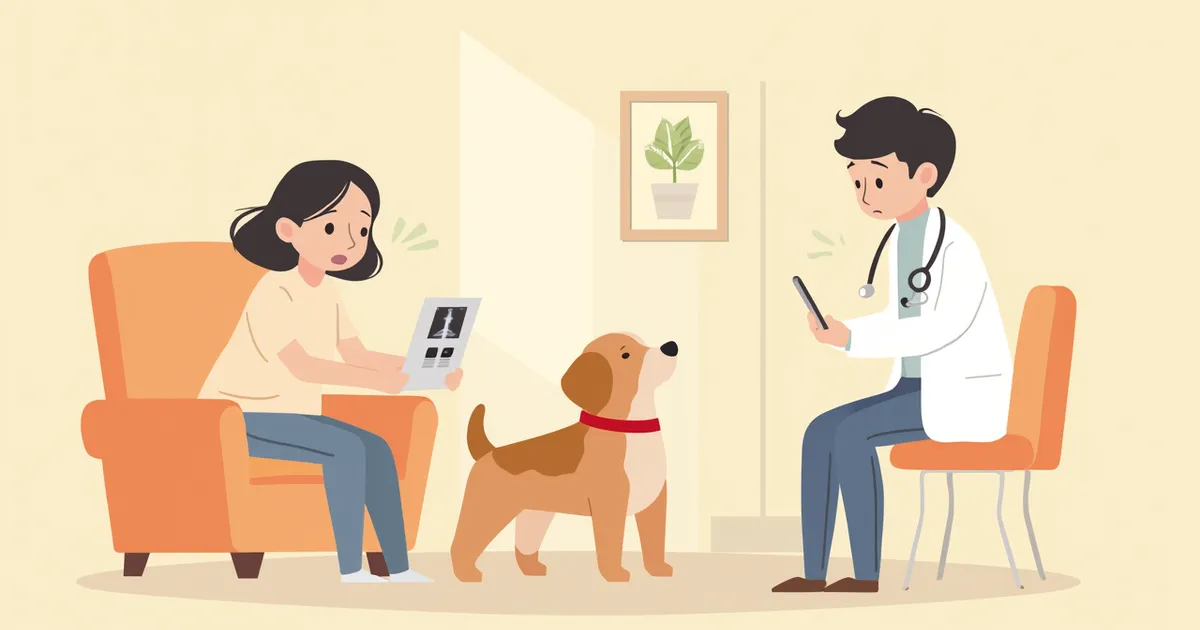
Maine Coons and Ragdolls are the two breeds with officially confirmed MYBPC3 gene mutations linked to hypertrophic cardiomyopathy. Specifically, the A31P mutation has been reported in Maine Coons, and the R820W mutation in Ragdolls. Hypertrophic cardiomyopathy can actually occur in cats of any breed, with Persians showing particularly high prevalence rates. If you have a cat from a high-risk breed, we recommend consulting your veterinarian to begin regular cardiac ultrasound screenings at the appropriate age.

Reviewed by a veterinarian

Dr. Tony — Punnawat Phongkittirak

Dr. Tony — Punnawat Phongkittirak

Veterinarian

A veterinarian who majored in veterinary medicine at Khon Kaen University, Thailand, and completed the IVSA program at North Carolina State University in the United States. Drawing on clinical experience at animal hospitals, he works in the pet healthcare field and is dedicated to building a digital care environment that connects pet parents with veterinarians.

Frequently Asked Questions

Is hypertrophic cardiomyopathy curable?
This condition is difficult to cure completely. However, if detected early and managed with consistent medication, the progression of symptoms can be slowed, allowing your pet to maintain a good quality of life for a long time.
Can young cats also develop hypertrophic cardiomyopathy?
Yes, certain breeds with a genetic predisposition can develop severe cases at a young age. It’s especially important for high-risk breeds like Maine Coons and Ragdolls to undergo regular heart screenings from an early age.
Is anesthesia dangerous for cats with hypertrophic cardiomyopathy?
They may be at higher risk of anesthesia complications compared to healthy cats. If surgery or dental scaling is needed, always have a pre-anesthetic cardiac evaluation and discuss the anesthesia risk level with your veterinarian beforehand.
How do you measure your cat’s respiratory rate at home?
To check your cat’s resting respiratory rate, count the number of chest rises and falls over 15 seconds while they are sleeping comfortably, then multiply that number by four. If you notice a sustained increase in respiratory rate or rapid breathing compared to normal, please contact your veterinarian.
Do cats with hypertrophic cardiomyopathy need to be fed a special diet?
In most cases, a special prescription diet isn’t necessary. A balanced, nutritious diet is the foundation, and whether your cat needs specific dietary management depends on their overall health and any other medical conditions. It’s best to consult with your veterinarian to determine the right approach.

Share

Related Guides

References

[1] Textbook of Cardiovascular Medicine in Dogs and Cats, Chapter 11: Feline Cardiomyopathies

[2] The Cat, Clinical Medicine and Management, 2nd Edition, Chapter 23: Cardiovascular Disease

[3] Teare D. Asymmetrical hypertrophy of the heart in young adults. British Heart Journal, 1958

This information is based on veterinary literature and does not replace diagnosis or treatment. Please consult a veterinarian for specific health concerns.

Metapet Co., Ltd. | CEO: Park Sung-yong | Business Reg. No. 417-88-02562 | Seoul, South Korea | Customer Center

Feline Hypertrophic Cardiomyopathy (HCM): Symptoms & Care | Meongsiljang