Like
Share
멍실장
강아지 비장절제술 후 관리 자주 묻는 질문 Q&A — 보호자가 꼭 알아야 할 핵심

How to Care for Your Dog After a Splenectomy — A Complete Guide to Recovery Precautions

Oncology/CancerQ&AMeongsiljang Veterinary Advisory Board

We’ve compiled the essential points every pet owner should know about their dog’s recovery after a splenectomy. Check out practical tips for pain management, infection prevention, and dietary adjustments.

How Should You Care for Your Dog After a Splenectomy?
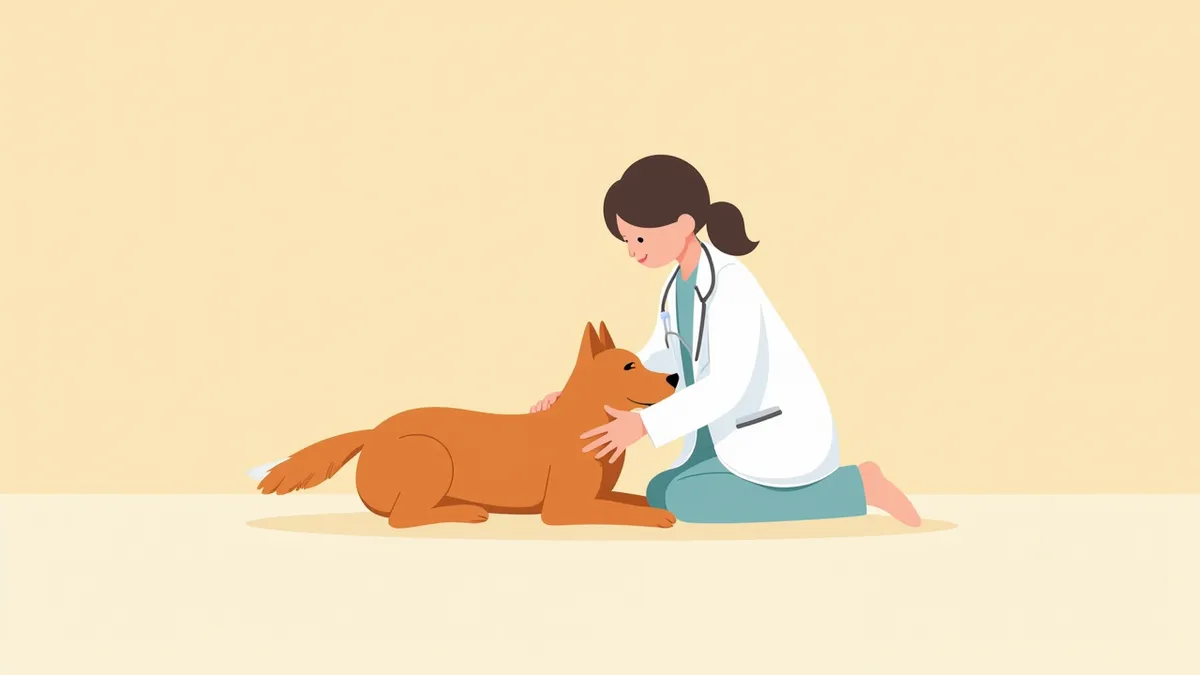
A veterinarian examining a dog recovering from a splenectomy
Caring for your dog after a splenectomy requires meticulous attention. - Pain management: Administer the veterinarian-prescribed pain medication on schedule. Non-steroidal anti-inflammatory drugs (NSAIDs) may be used in combination with opioid medications (such as buprenorphine or methadone). - Surgical site care: Keep the area clean and use an Elizabethan collar to prevent licking or scratching. Seek immediate veterinary attention if you notice swelling or bleeding. - Monitoring heart rhythm: Ventricular arrhythmias can develop within 48 hours after splenectomy. Contact your veterinarian immediately if you observe sudden weakness, fainting, or rapid breathing. - Dietary management: Reduce gastrointestinal burden by offering small, frequent meals and choosing a low-fat, easily digestible diet. - Activity restriction: Limit activity during the initial recovery phase and gradually increase it. Regular follow-up examinations as directed by your veterinarian are essential for a stable recovery.

What Are the Key Aspects of Care After a Splenectomy?
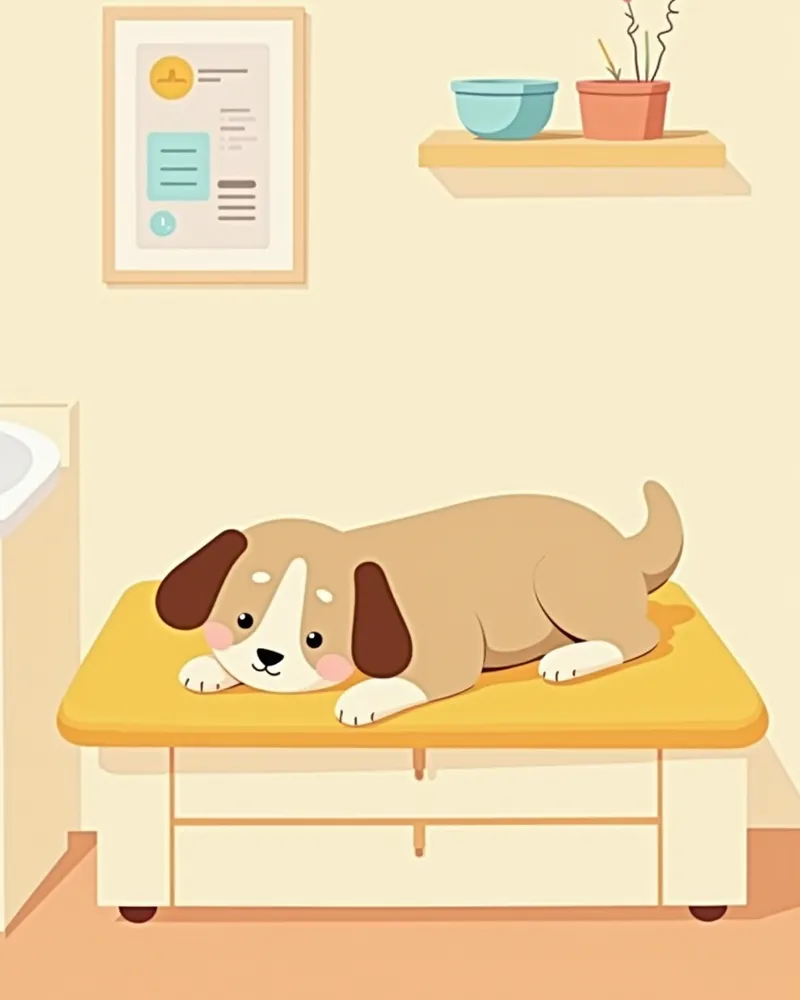
After a splenectomy, the key aspects of care are providing a stable recovery environment and preventing infection. - Surgical site care: Keep the area clean and take care to prevent scratching or wound dehiscence. - Medication administration: Administer medications exactly as prescribed by your veterinarian, adhering strictly to the dosage and schedule. Do not discontinue treatment midway, and report any side effects immediately. - Dietary management: Feed small, frequent meals to minimize stress on the stomach. Avoid sudden changes in food and use the diet recommended by your veterinarian. - Activity restriction: Limit walks and avoid vigorous play for 2 to 4 weeks. - Monitoring elimination: Consistently record the color and consistency of stool. Report any abnormalities to your veterinarian. - Regular follow-up visits: Attend all scheduled appointments to monitor the recovery progress.
A Clean Environment for Your Dog’s Recovery

How Is Pain Managed After a Splenectomy?
Pain after a splenectomy is managed with medications prescribed by your veterinarian. - Pain medication: Nonsteroidal anti-inflammatory drugs (NSAIDs) or opioid medications may be used, and it’s important to administer them at the scheduled times. - Watch for side effects: If your dog experiences vomiting, diarrhea, or decreased appetite, contact your veterinarian immediately. - Assessing pain: Monitor your dog for signs of pain, such as changes in behavior, limited movement, or muscle tension. - Medication adjustments: If pain persists, your veterinarian may adjust the dosage of the medication. - Do not stop medication abruptly: Never discontinue the medication without consulting your veterinarian, and ensure your dog completes the full course as prescribed. - Regular check-ups: Visit the clinic regularly to reassess your dog’s pain management status.
Medications for pain management after splenectomy

Step-by-Step Checklist for Post-Splenectomy Care

ItemMain Management ItemsPrecautions
Immediately After Surgery (Days 0–3)Begin taking pain medication, maintain a stable environmentObserve for signs of bleeding and arrhythmia (watch heart rhythm within 48 hours), monitoring of defecation essential
Early Recovery (Days 4–10)Restrict walks, provide meals in divided portionsCheck for side effects, consult with the veterinarian
Mid Recovery (Days 11–21)Gradually increase activity, check for normalization of dietCheck skin condition and whether defecation is normal
After Recovery (Day 22 Onward)Return to daily activities, schedule regular check-upsEstablish a long-term management plan

Management at each stage must be adjusted according to the veterinarian's instructions.

How to Prevent Infection After a Splenectomy?

After a splenectomy, maintaining hygiene at the surgical site is crucial. Keep the area clean and use an Elizabethan collar to prevent your dog from licking it. Administer prescribed antibiotics exactly as directed, and contact your veterinarian immediately if side effects such as vomiting or diarrhea occur. During recovery, minimize contact with other dogs and keep the living environment clean. When going outside, always use a leash and muzzle. If you notice signs of infection such as redness, warmth, or discharge, seek veterinary care right away.
Post-splenectomy infection prevention: cone care for dogs

These Symptoms Require an Immediate Veterinary Visit

If you notice sudden weakness, fainting, or rapid breathing within 48 hours after surgery, it could be ventricular arrhythmia, a common complication following splenectomy. Please contact your veterinarian immediately. Additionally, pale gums, abdominal distension, and persistent bleeding may indicate internal bleeding. You should also seek immediate veterinary care if your pet develops a high fever, severe pain, swelling at the surgical site, or persistent severe vomiting or diarrhea. Early detection and treatment are crucial for a successful recovery.

How to Manage Diet After a Splenectomy?

Dietary management is a key factor in supporting gastrointestinal recovery after a splenectomy. - Small, frequent meals: Dividing the daily food intake into several small portions helps reduce the burden on the stomach and intestines. Start with easily digestible, soft foods. - Low-fat diet: A bland, low-fat diet is recommended immediately after surgery. Choose food based on your veterinarian’s recommendation. - Caution when changing food: Sudden changes in diet can cause digestive upset, so transition gradually. - Managing nausea and vomiting: If your pet experiences nausea or vomiting, your veterinarian may prescribe antiemetic or antinausea medications. - Rest after meals: Limit activity for at least 30 minutes after eating and allow your pet to rest in a comfortable position. - Monitor bowel movements: Record your pet’s stool condition daily and contact your veterinarian immediately if you notice any abnormalities.
Recommended diet after splenectomy

Reviewed by a veterinarian

Dr. Tony — Punnawat Phongkittirak

Dr. Tony — Punnawat Phongkittirak

Veterinarian

A veterinarian who majored in veterinary medicine at Khon Kaen University, Thailand, and completed the IVSA program at North Carolina State University in the United States. Drawing on clinical experience at animal hospitals, he works in the pet healthcare field and is dedicated to building a digital care environment that connects pet parents with veterinarians.

Frequently Asked Questions

How long is the recovery period after a splenectomy?
Recovery time can vary depending on each dog’s condition and how they respond after surgery. For an accurate recovery timeline, please follow the guidance provided by your veterinarian based on their clinical assessment.
How long should my pet take antibiotics after a splenectomy?
Be sure to give the medication for the entire duration prescribed by your veterinarian. Even if no side effects occur and your pet seems to be recovering well, do not stop the treatment early on your own; always follow the full course of treatment as directed.
Can my dog go for walks after spleen removal surgery?
In the early stages of recovery, it's best to minimize walks and limit them to short, brisk outings with a quick return. After that, gradually increase the duration and intensity as directed by your veterinarian.
What long-term care should be taken after a splenectomy?
Even after recovery, it’s important to regularly check your pet’s condition through routine veterinary exams. Additionally, maintain long-term dietary management and appropriate exercise levels, and follow the preventive care recommendations provided by your veterinarian.
My dog has no appetite after a splenectomy. Is this normal?
It’s common for pets to have a temporary loss of appetite after surgery. However, if the decreased appetite lasts for more than a few days, you should contact your veterinarian. If nausea is present, medication such as an antiemetic may be needed.

Share

Related Guides

References

[1] Plumb's Veterinary Drug Handbook, 9th Edition, 2022

[2] Small Animal Anesthesia and Pain Management A Color Handbook, 3rd Edition, 2020

[3] Veterinary Surgical Oncology, 2nd Edition, 2018

This information is based on veterinary literature and does not replace diagnosis or treatment. Please consult a veterinarian for specific health concerns.

Metapet Co., Ltd. | CEO: Park Sung-yong | Business Reg. No. 417-88-02562 | Seoul, South Korea | Customer Center

Caring for Your Dog After a Splenectomy: Recovery Guide | Meongsiljang