
Dog Neurogenic Bladder FAQ — Key Information for Pet Owners
Neurogenic bladder in dogs is a condition where nerve damage prevents the bladder from contracting properly, leading to urinary dysfunction. Here’s a summary of the key information pet owners should know.
What is neurogenic bladder in dogs?
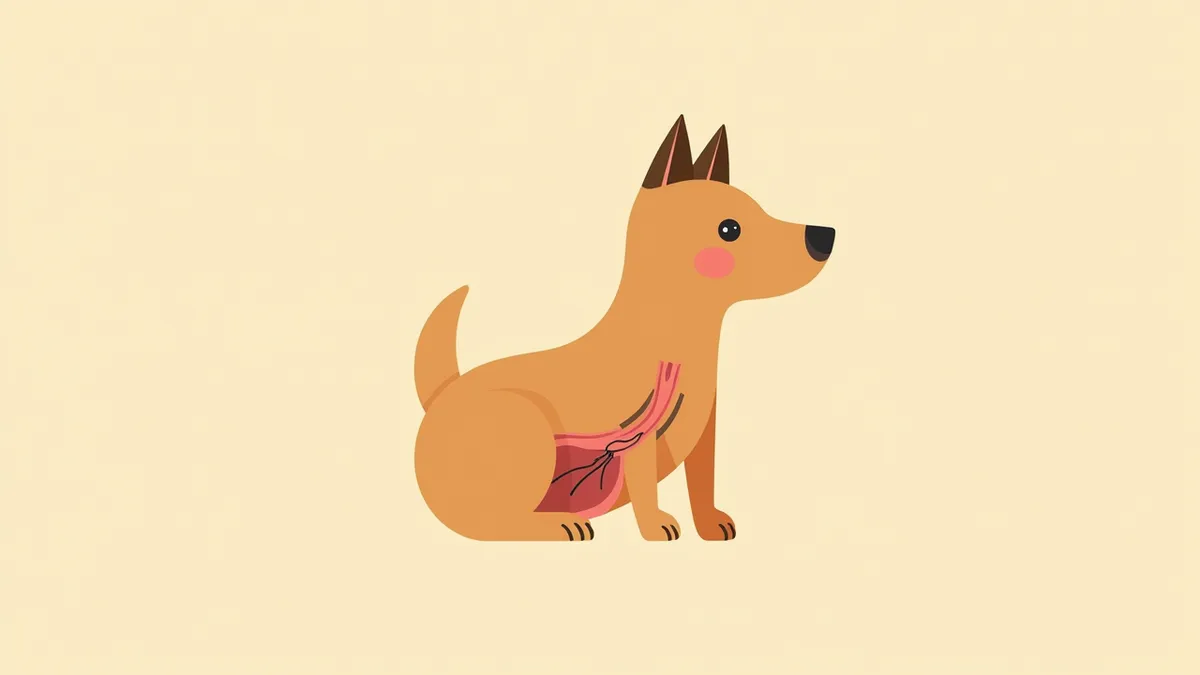
What are the main causes of this condition?
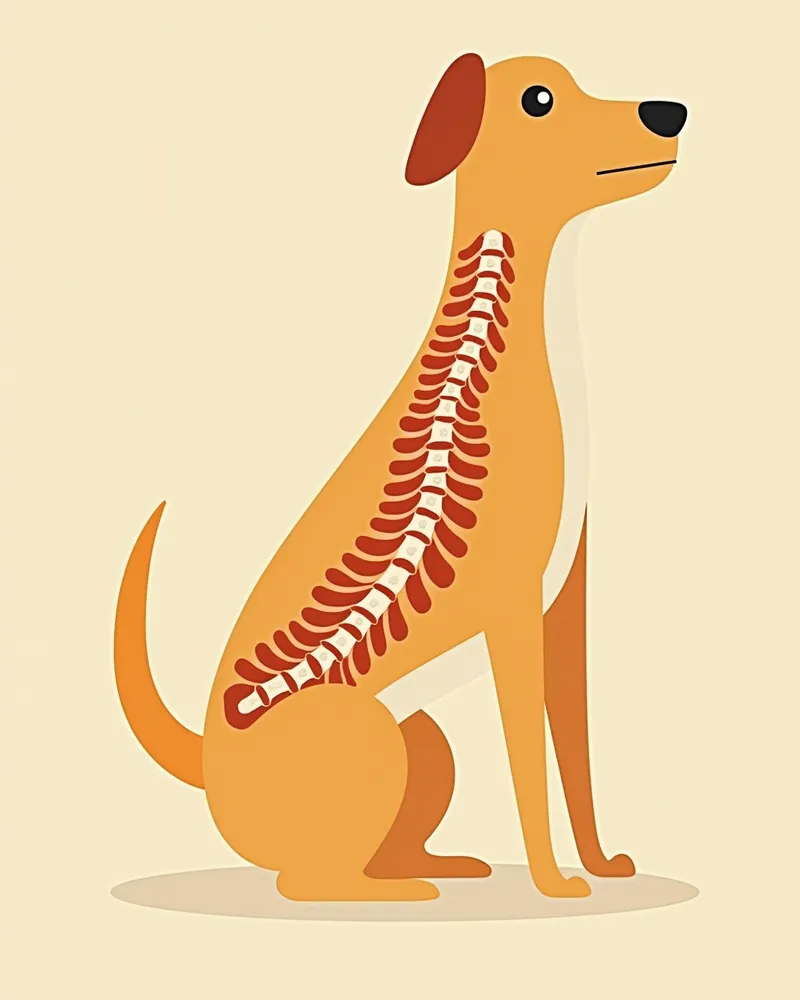
What symptoms appear?
Signs requiring immediate veterinary visit
If your dog is unable to urinate properly, causing their bladder to remain distended, or if they show signs of pain while urinating, seek veterinary care immediately. An overly full bladder can rupture and lead to infection or kidney damage. In particular, injuries to the back, lower spine, or tailbone may indicate spinal nerve damage. This condition can be life-threatening, making early diagnosis and treatment essential.
What tests are needed for an accurate diagnosis?
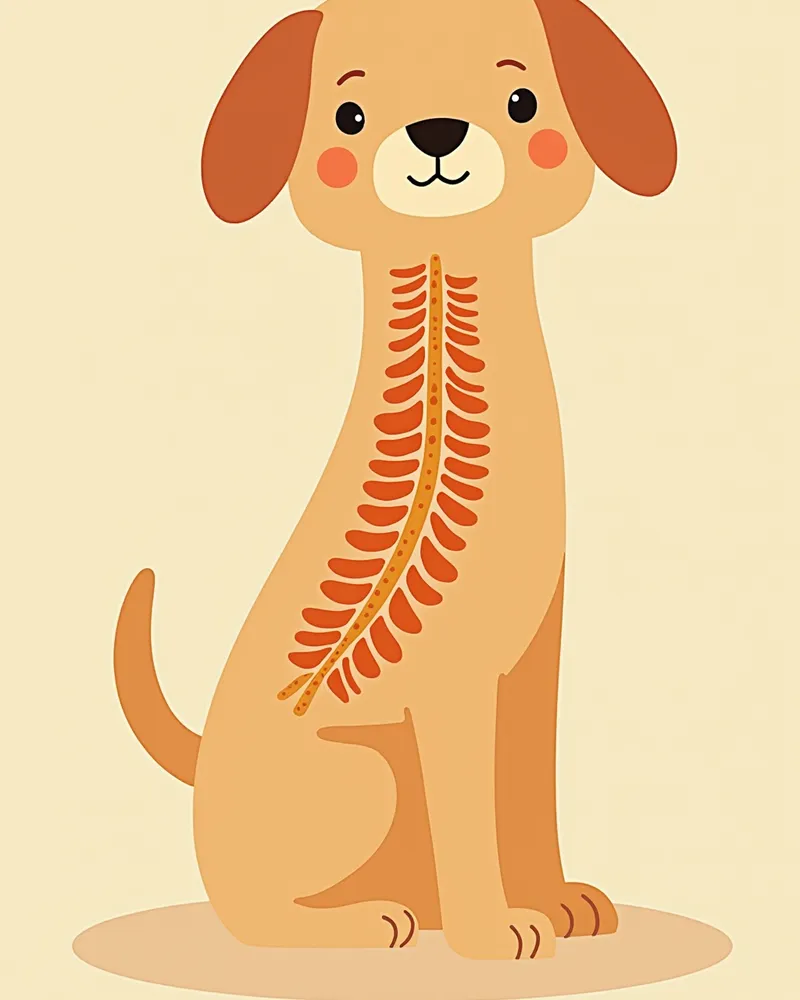
What are the treatment methods?
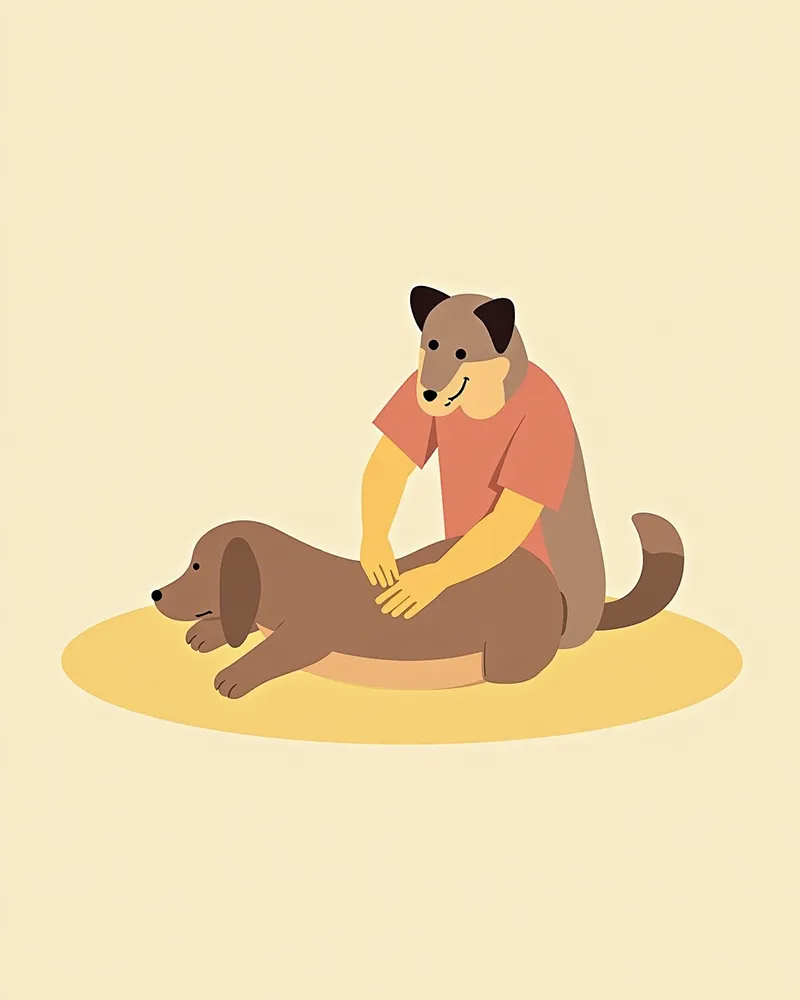
How can it be managed at home?
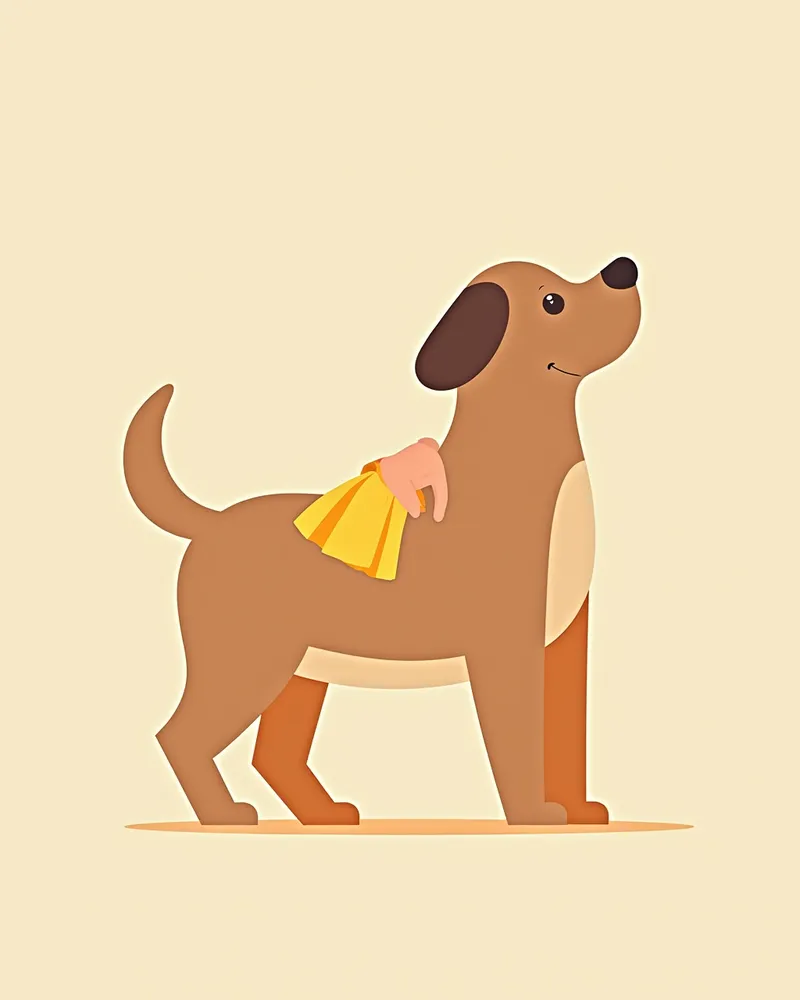
Comparison of management strategies by treatment stage
| Item | Main Symptoms | Main Treatment | Caregiver's Role |
|---|---|---|---|
| Early Stage | Difficulty passing urine, frequent straining | Medication treatment, regular bladder drainage | Regular drainage, keeping records, following the veterinarian's instructions |
| Intermediate Stage | Excessive bladder distension, pain | Bladder drainage / adjusting catheterization frequency, medication treatment | Skin care, infection prevention, preparation for repeat evaluation |
| Long-Term Management Stage | Persistent urination disorder, risk of recurrence | Consider surgery, maintenance treatment medication, regular check-ups | Regular check-ups, cooperation with the veterinarian, quality-of-life management |
The treatment method and the caregiver's role differ depending on the treatment stage. Accurate classification is important.
Points to note: Risks of improper management
Bladder drainage must be performed according to the frequency and method specified by your veterinarian to ensure stable management of your pet’s bladder health. Typically, after receiving proper training, owners are advised to drain the bladder every 6 to 8 hours. Insufficient drainage can cause the bladder to become overly distended, increasing the risk of rupture, so it is crucial to adhere strictly to the prescribed schedule and technique without making arbitrary changes. Additionally, if urine leaks onto the hind legs, it can lead to dermatitis and subsequent infections; therefore, any soiled areas should be cleaned immediately and the skin protected. Improper care can worsen the condition, so consistent and correct management is essential.
Reviewed by a veterinarian

Dr. Tony — Punnawat Phongkittirak
VeterinarianA veterinarian who majored in veterinary medicine at Khon Kaen University, Thailand, and completed the IVSA program at North Carolina State University in the United States. Drawing on clinical experience at animal hospitals, he works in the pet healthcare field and is dedicated to building a digital care environment that connects pet parents with veterinarians.
Reviewed 2026-06-29
Frequently Asked Questions
Can a dog’s neurogenic bladder be completely cured?
How do I drain my pet’s bladder at home?
Which breeds are more commonly affected by this condition?
Will my dog feel pain during bladder drainage?
Is this condition contagious to other dogs?
Share
Related Guides

Top 5 Prescription Diets for Feline FLUTD — Comparison by Struvite and Calcium Oxalate Stones

Top 7 Prescription Diets for Feline Bladder and Urinary Tract Health Recommended by Veterinarians — Including Selection Criteria

Top 5 Cranberry Urinary Supplements for Dogs — Preventing Cystitis
Emergency Response for Acute Kidney Failure (AKI) in Dogs
Distinguishing Mammary Cysts from Tumors and Surgical Removal
Symptoms and Treatment of Thyroid Nodules and Tumors

My Pet Suddenly Can’t See — Emergency Response and Surgical Timing for Retinal Detachment
A Complete Guide to Canine Arrhythmia Types and Treatment
Oxygen Therapy Guide (Cage & Tube)

Why is postoperative hypothermia management important, and how should it be done?
References
[1] Notes on Canine Internal Medicine, 4th Ed. (2023). Chapter 114: Neurogenic Bladder in Dogs. Elsevier.
[2] Plumb's Veterinary Drug Handbook, 9th Ed. (2022). Section on Neuromuscular Agents and Bladder Function. Wiley.
[3] American College of Veterinary Internal Medicine (ACVIM). Consensus Statement on Canine Neurogenic Bladder (2021). J Vet Intern Med.