Like
Share
멍실장
고양이 부동액 중독 — 강아지보다 빠르게 진행되는 이유

Cat Antifreeze Poisoning — Why It Progresses Faster Than in Dogs

Emergency/ToxicityQ&AMeongsiljang Veterinary Advisory Board

Antifreeze poisoning in cats is a medical emergency in which ethylene glycol accumulates in the kidneys, causing acute kidney failure. We’ve outlined why it progresses more rapidly in cats than in dogs—even with smaller amounts—and what emergency steps to take.

What Is Cat Antifreeze Poisoning?
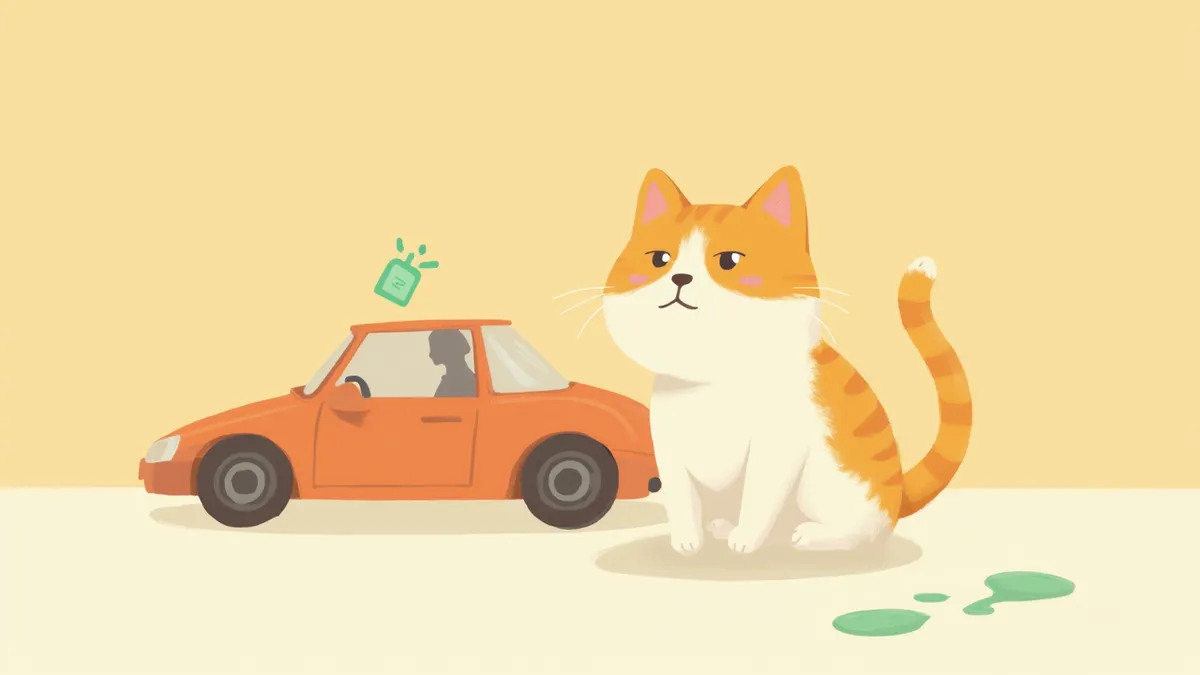
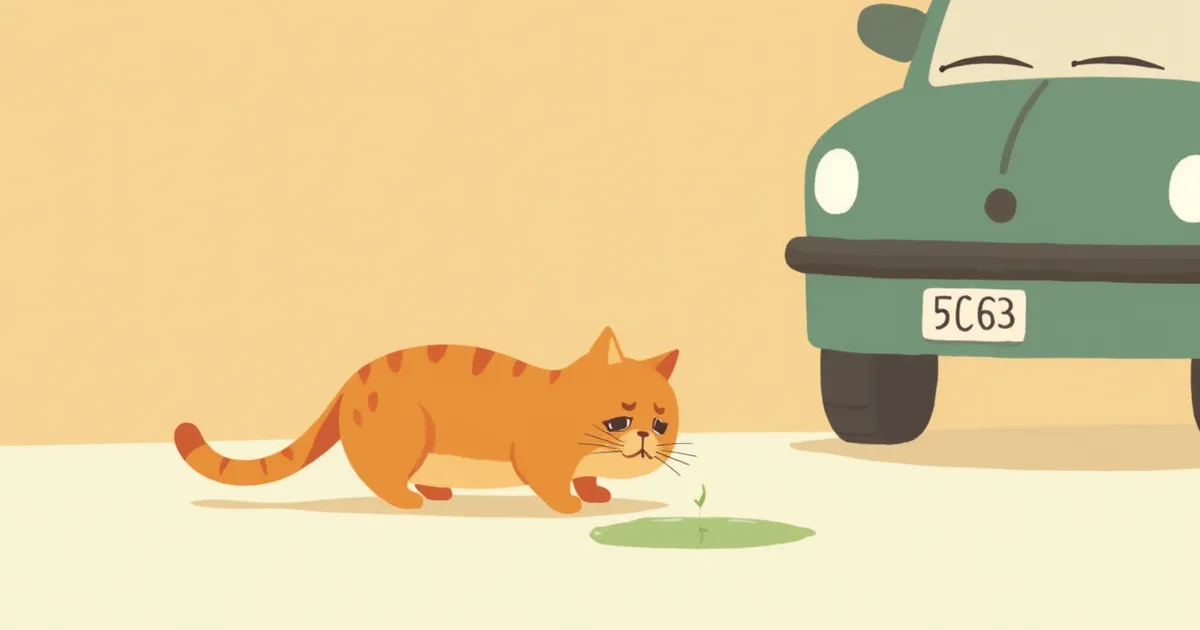
A cat gazing at a puddle of antifreeze near the engine compartment
Cat antifreeze poisoning is a form of acute renal failure caused by ingestion of ethylene glycol, a component of automotive coolant. Time is of the essence. Cats are far more sensitive than dogs and react to much smaller amounts, with the first three hours after ingestion being the critical window for treatment. Because ethylene glycol is sweet-tasting, cats often lick it up voluntarily, and even grooming paws that have brushed against a spill can lead to poisoning. If you suspect exposure, take your cat to a 24-hour emergency animal hospital immediately.

Why Does It Progress Faster Than in Dogs?

The toxic metabolites produced in the body, such as oxalic acid, rather than ethylene glycol itself, damage the renal tubular epithelium and cause acute kidney failure. Cats are at greater risk because the toxicity per unit of body weight is significantly higher, even when ingesting the same amount. According to standard references, the minimum lethal dose is approximately 6.6 ml/kg for dogs, whereas for cats it is about 1.5 ml/kg, meaning cats react to much smaller quantities. Consequently, even with low ingestion levels, kidney failure progresses more rapidly in cats, and the onset of renal failure is known to occur earlier, within 12–24 hours, compared to dogs, which typically take 36–72 hours. Although cats generally avoid antifreeze due to its taste, resulting in a lower overall incidence of poisoning, recovery is difficult once ingested, making it more fatal. Therefore, acting immediately upon suspicion is more critical than determining the exact amount consumed.

Dogs vs. Cats — Antifreeze Toxicity Comparison

ItemDogsCats
Minimum Lethal Dose (by body weight)About 6.6 ml/kgAbout 1.5 ml/kg
Lethal Dose for 5kgAbout 33 ml (half a soju glass)About 7.5 ml (just over 1 teaspoon)
Route of IngestionDirectly licking a puddle on the floorGrooming the amount stuck on paws or fur
Onset of Early SymptomsAbout 30 minutes to 1 hourWithin about 30 minutes
Entry into Kidney Failure36–72 hours12–24 hours
Golden Time for Treatment8 hours after ingestion3 hours after ingestion

Based on veterinary toxicology textbooks. There may be individual variation.

Stage-by-Stage Symptom Checklist
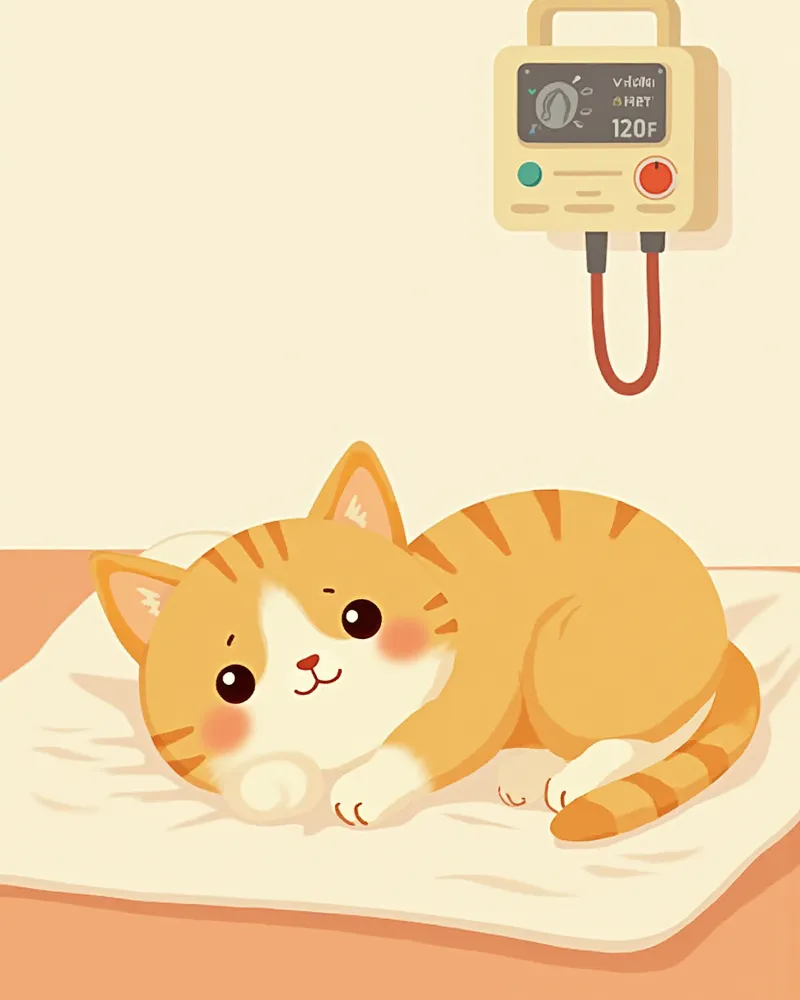
Antifreeze poisoning presents with dramatically different symptoms depending on the time elapsed since ingestion. If you don’t recognize these stage changes, you might mistakenly believe your pet has “survived the worst” and relax—only to discover that their kidneys are already failing. Veterinary textbooks divide the progression into three main stages: the acute phase, a deceptive recovery-like period, and the renal failure stage. - 0–12 hours (Acute/Neurological stage): Staggering as if intoxicated, loss of orientation, drooling, vomiting, excessive thirst, and increased urination. - Deceptive recovery-like period: Dogs may appear to have recovered, but cats typically remain lethargic. This is the most dangerous trap: even though acute symptoms subside, kidney damage is actively progressing. - 12–24 hours (Renal failure stage): Lethargy, loss of appetite, vomiting, a sharp decrease in urine output, and foul breath odor. - After 24 hours: Seizures, coma, and anuria (no urine production). Survival rates drop sharply at this point.
A cat lying listlessly at the veterinary clinic

Go to the Emergency Room Immediately in These Situations

If any of the following apply, head to a 24-hour emergency animal hospital without delay. Do not attempt to induce vomiting while driving, as this poses a risk of aspiration pneumonia. - You noticed your pet licking green or blue fluid near a garage or parking lot, or found traces on their paws. - They are stumbling or drooling more than usual. - They suddenly started drinking excessive amounts of water, with a drastic change in urine output. - You’re not certain they ingested antifreeze, but something seems off—when in doubt, it’s best to seek immediate care.

How Is It Treated at the Hospital?
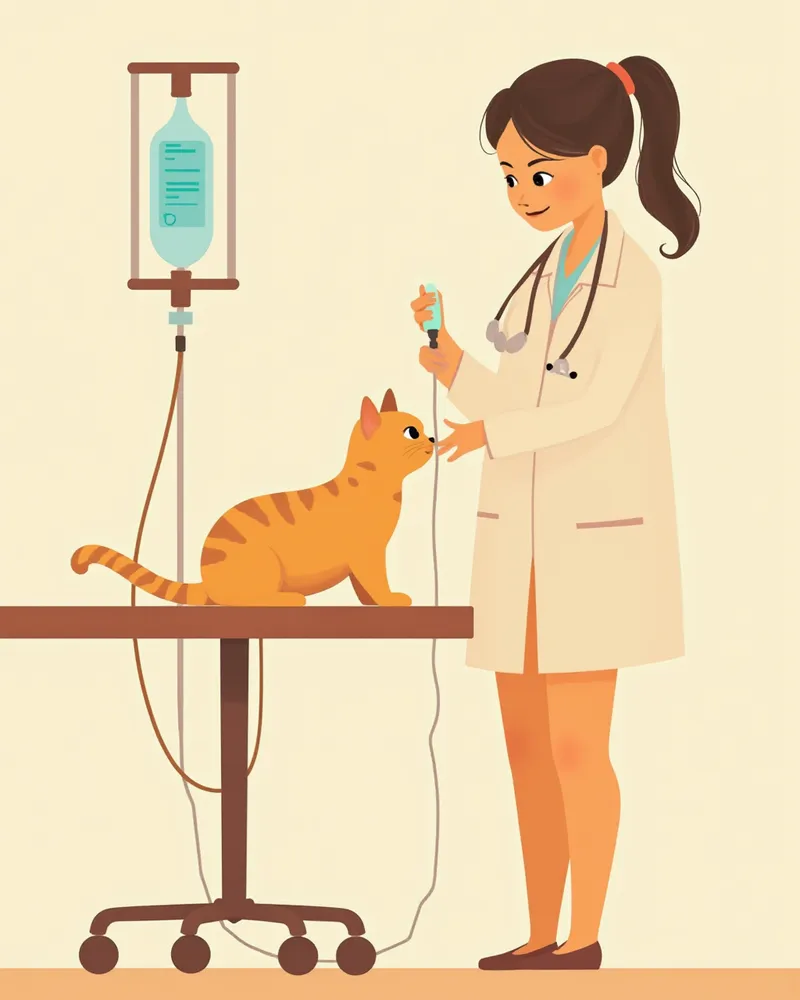
The key to treatment is blocking the toxin before it undergoes toxic metabolism in the liver. Cats, in particular, have very little time to spare, so the treatment approach varies significantly depending on how quickly they receive care. - Arrival within 3 hours: We perform gastric lavage and administer adsorbents to prevent further absorption, while using antidotes to block toxic metabolism. Antidotes for cats (fomepizole or ethanol) must be administered within 3 hours of ingestion to be effective. - After 3–4 hours: Studies report that mortality rates in cats are very high if treatment begins after 4 hours. Nevertheless, we administer intravenous fluids to protect the kidneys and attempt all possible interventions. - After 12 hours (onset of renal failure): We provide inpatient fluid therapy and, if necessary, perform hemodialysis to remove toxic substances. Fomepizole is the preferred antidote, with ethanol as a secondary option. The veterinarian will determine the specific type, dosage, and administration schedule of the antidote based on the cat’s weight and test results.
A cat receiving fluid therapy

Prognosis — Time Is Survival Rate

With antifreeze poisoning, how quickly you reach the hospital is almost everything. According to clinical reports, cats have a high chance of recovery if an antidote is administered within 3 hours of ingestion, but survival rates drop significantly if they arrive after kidney failure has set in. Saying "I'll go to the vet tomorrow" is essentially too late to do anything. The rule is to head to the vet immediately upon suspicion.

Prevention — Even a Single Drop Is Dangerous

Cats can absorb even a single drop spilled on the floor with just one grooming session. By following the steps below, you can prevent nearly all accidents. - Block cats from entering garages or parking areas. - Regularly inspect your vehicle for coolant leaks (especially during winter). - Replace antifreeze with a "pet-safe" product based on propylene glycol. - Always keep opened containers of antifreeze tightly sealed and stored on shelves out of your cat’s reach. - Immediately wipe up any oil leaks from your vehicle and dispose of the used rags separately.

Reviewed by a veterinarian

Dr. Tony — Punnawat Phongkittirak

Dr. Tony — Punnawat Phongkittirak

Veterinarian

A veterinarian who majored in veterinary medicine at Khon Kaen University, Thailand, and completed the IVSA program at North Carolina State University in the United States. Drawing on clinical experience at animal hospitals, he works in the pet healthcare field and is dedicated to building a digital care environment that connects pet parents with veterinarians.

Frequently Asked Questions

If you're not sure whether your pet has licked antifreeze, is it okay to just monitor them for now?
No, that’s not advisable. Dogs often appear to recover after the initial symptoms, and cats may experience a temporary lull in acute neurological signs. However, veterinary textbooks note that cats typically remain lethargic during this period, and even if they seem to be improving externally, kidney damage continues to progress. Moreover, the specific antidote for cats is only effective if administered within three hours of ingestion; waiting to see how they fare can easily lead to a point where treatment becomes ineffective. The correct approach is to seek veterinary care immediately at the first sign of suspicion.
Can I induce vomiting at home by giving my pet milk or water?
We don't recommend it. Forcing a pet to drink liquids when they are disoriented or stumbling can lead to aspiration pneumonia. Inducing vomiting should be done safely at the hospital using intravenous medications.
Is antifreeze that isn’t green also dangerous?
Yes. The color is merely an identifier added at the manufacturer’s discretion and has no bearing on toxicity. Yellow, pink, and blue variants are equally dangerous if they contain ethylene glycol. Please check the ingredient list.
Is propylene glycol truly safe?
While it is true that propylene glycol is significantly less toxic than ethylene glycol, it is not completely harmless. If cats ingest propylene glycol repeatedly or in large amounts, they can develop red blood cell damage (Heinz bodies) and anemia. Even with pet-safe products, proper storage and management are essential.
What information should you bring when arriving at the clinic?
Bring the estimated amount ingested (based on the bottle label and photos of the remaining contents), the estimated time of ingestion, the product name and ingredients of the antifreeze, and if possible, the antifreeze container itself. This information is crucial for quickly determining the type and dosage of the antidote.

Share

Related Guides

References

[1] Blackwell's Five-Minute Veterinary Consult Clinical Companion, Small Animal Toxicology, 3rd Edition — Ethylene Glycol chapter

[2] Plumb's Veterinary Drug Handbook, 10th Ed — Fomepizole, Ethanol monograph

[3] Feline Emergency and Critical Care Medicine, 2nd Ed — Toxicologic Emergencies

[4] Clinical Medicine of the Dog and Cat, 4th Ed — Decontamination and Antifreeze Toxicosis

This information is based on veterinary literature and does not replace diagnosis or treatment. Please consult a veterinarian for specific health concerns.

Metapet Co., Ltd. | CEO: Park Sung-yong | Business Reg. No. 417-88-02562 | Seoul, South Korea | Customer Center

Cat Antifreeze Poisoning: Why It Moves Faster Than in Dogs | Meongsiljang