Like
Share
멍실장
노견 청각 보호 환경 만들기

Creating a Hearing-Friendly Environment for Senior Dogs

ImmunityQ&AMeongsiljang Veterinary Advisory Board

Hearing gradually declines in senior dogs. The key is to create a stress-free environment by adjusting household noise levels, startle responses, and communication methods.

What Is a Hearing-Friendly Environment for Senior Dogs?
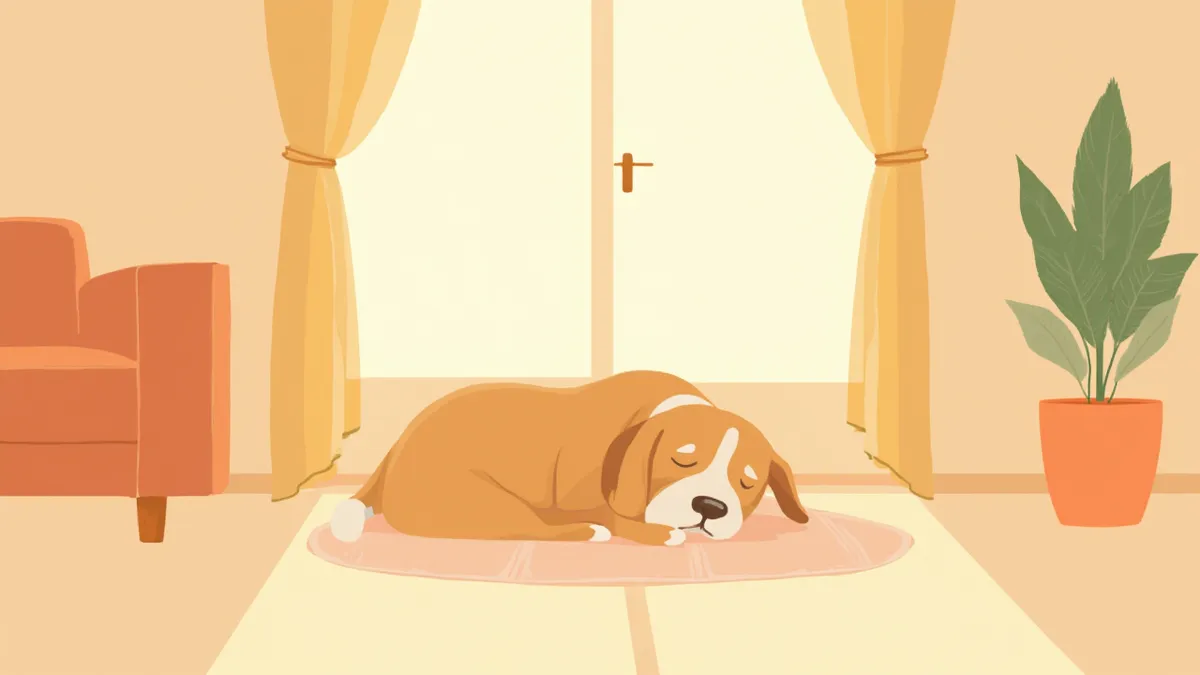
An elderly dog sleeping peacefully in a quiet corner of the living room
A hearing-friendly environment for senior dogs is a home setup that adjusts sound stimuli and space to help aging dogs with declining hearing live calmly, without noise, startles, or confusion. The most important steps are to minimize sudden loud noises and switch to visual and vibration-based cues for communication. Since hearing can gradually decline in senior dogs even without obvious symptoms, it’s best to adjust their environment proactively before any signs appear.

Why Is Hearing Protection Important for Senior Dogs?

As dogs enter their senior years, the cochlea and its associated structures gradually degenerate. According to veterinary textbooks, this age-related hearing loss (presbycusis) progresses gradually and is irreversible. When hearing diminishes, confusion and anxiety increase, sleep becomes deeper, and unexpected contact may startle the dog, sometimes triggering aggressive reactions. In high-traffic environments, dogs may fail to detect approaching sounds from behind, putting them at risk of accidents. Preemptively adjusting the environment can reduce startle responses and help your dog live more calmly and securely.

Is Your Dog’s Hearing Declining? (Checklist)
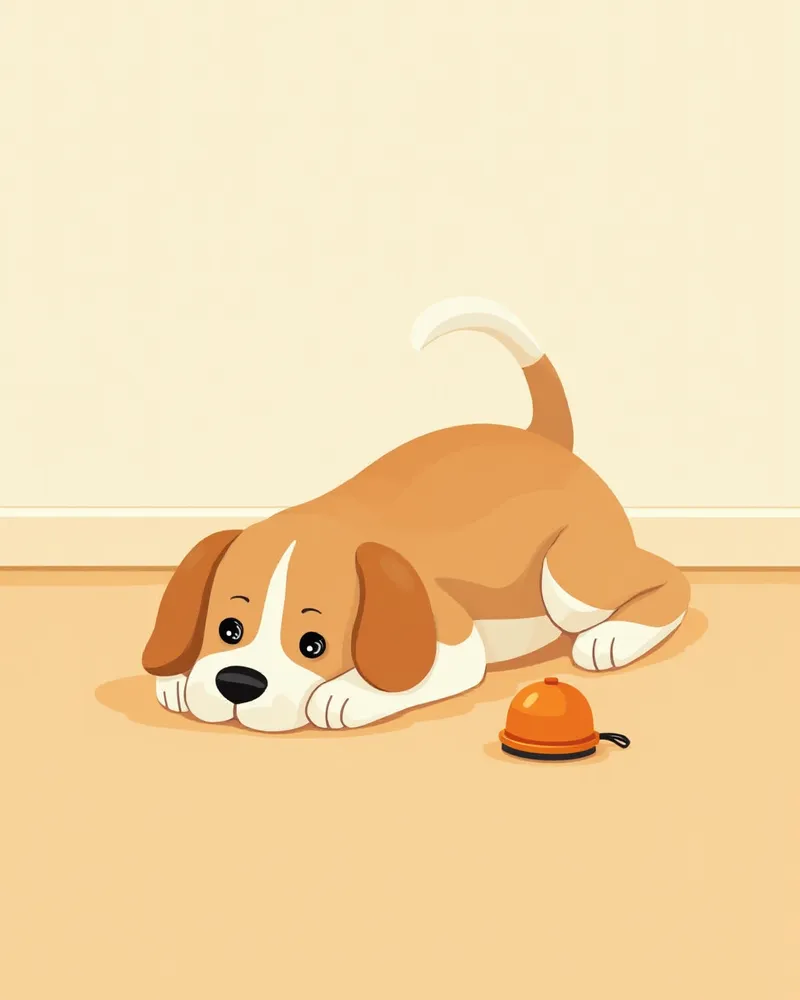
If your pet shows two or more of the following signs, they may be experiencing early hearing loss: - Delayed response to their name: They react slowly or seem not to hear when called. - Deeper sleep: They sleep more deeply than before and startle easily when awakened. - Difficulty locating sounds: They appear confused about where sounds are coming from. - Changes in barking: They bark louder than usual or become unusually quiet. - No reaction to familiar sounds: They no longer respond to sounds they used to react to, such as doorbells or vacuum cleaners. - Startling when touched: They jump or react sensitively because they can’t sense someone approaching.
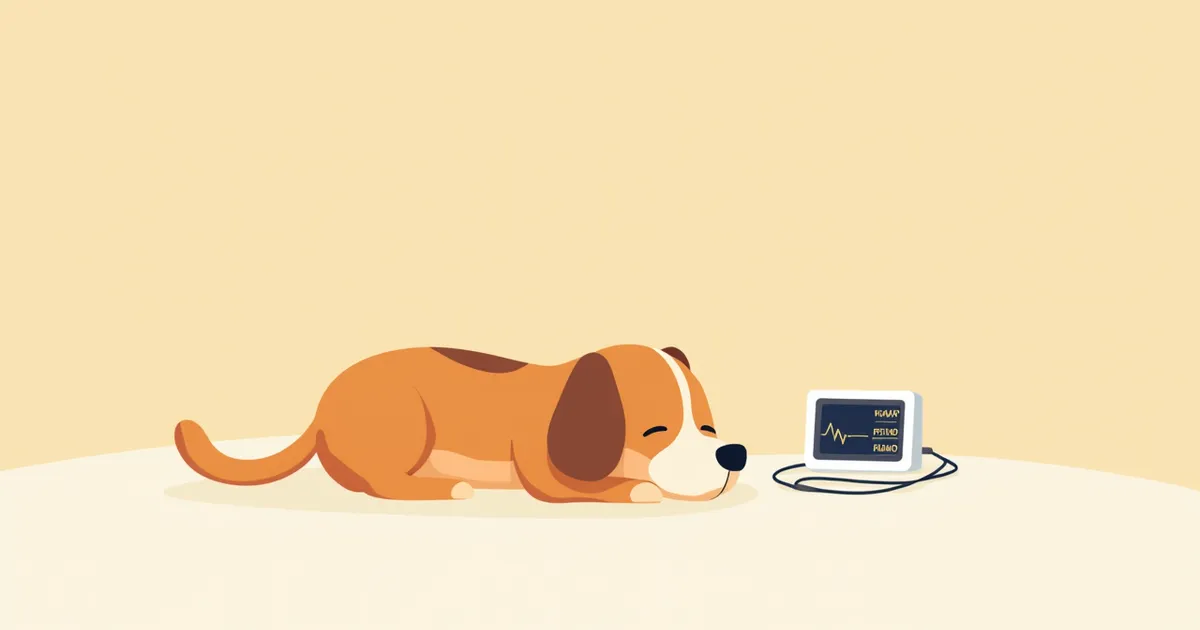
An elderly Beagle that doesn’t respond to the doorbell

When to Visit the Vet for Hearing Changes

Hearing loss caused by disease, rather than simple aging, needs to be addressed promptly. Sudden hearing loss in one ear, foul odor or discharge from the ear, head tilting, or loss of balance may indicate otitis externa, otitis media, or vestibular system issues. If these symptoms persist or are accompanied by vomiting or circling, immediate veterinary care is necessary.

5 Practical Ways to Reduce Household Noise
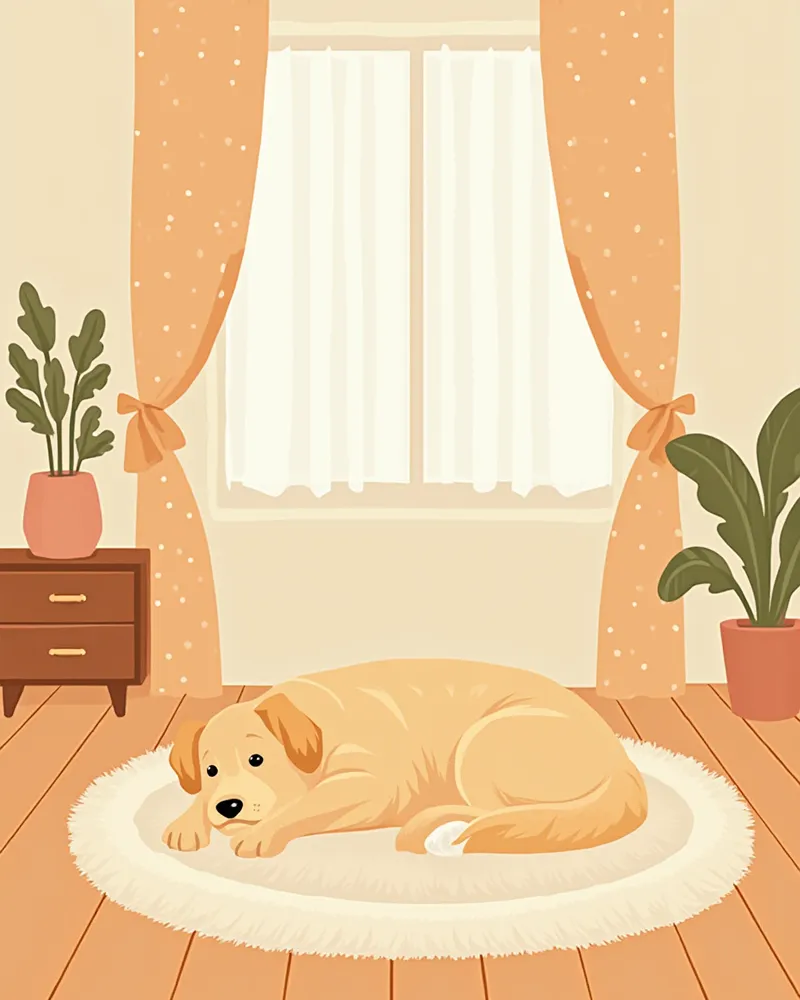
Small adjustments can significantly reduce startle responses in senior dogs. - Sound-absorbing flooring: Lay down rugs or mats to soften footstep and furniture-dragging noises. - TV and music volume: Keep levels low, at or below a quiet conversational tone. - Block sudden loud noises: Use vacuum cleaners and hair dryers in separate rooms. - Cushion door closures: Install door cushions or stoppers to prevent loud slamming sounds. - Replace the doorbell: Switch from a harsh ring to a gentle melodic chime.
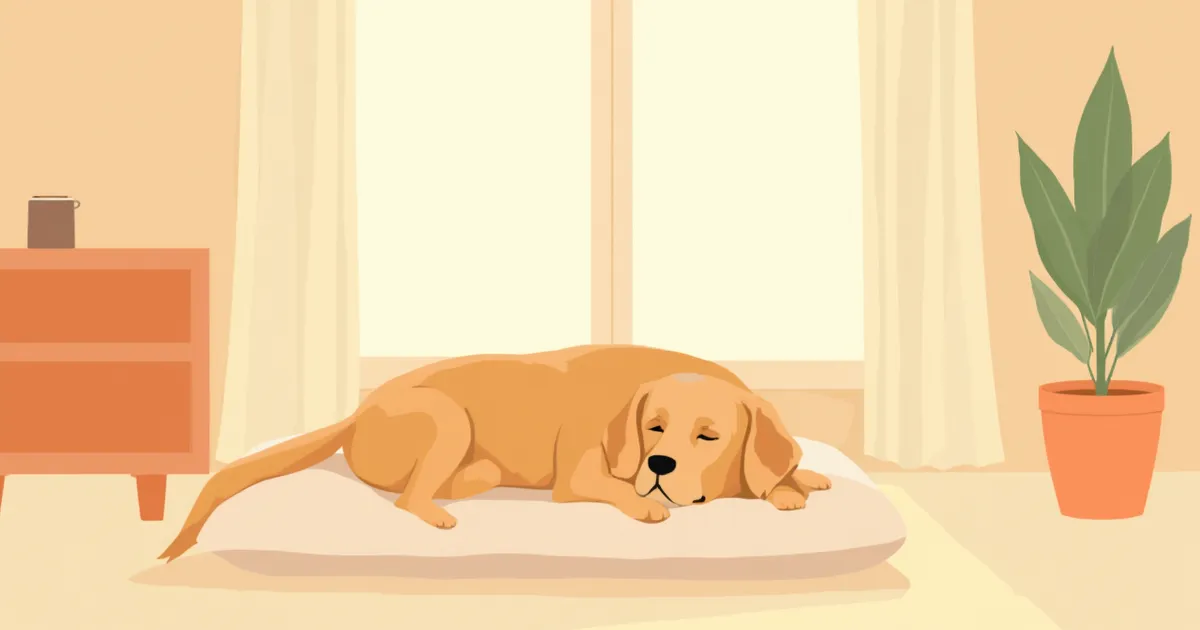
An elderly dog resting comfortably in a cozy living room equipped with sound-absorbing rugs and curtains.

Impact of Daily Noise Levels on Senior Dogs

ItemQuiet conversation (50dB)Normal TV volume (70dB)Vacuum/doorbell (85dB+)
Stress responseLowMediumHigh
Startle/jumpingFalseFalseTrue
Prolonged exposure recommendedTrueFalseFalse
Suitability for senior dogsSuitableOnly brieflyShould be avoided

This is a general reference guide, and specific dB thresholds for senior dogs have not been validated in the veterinary literature. It can vary greatly depending on each individual's sensitivity.

Communicating with Visual and Vibrational Signals Instead of Sound
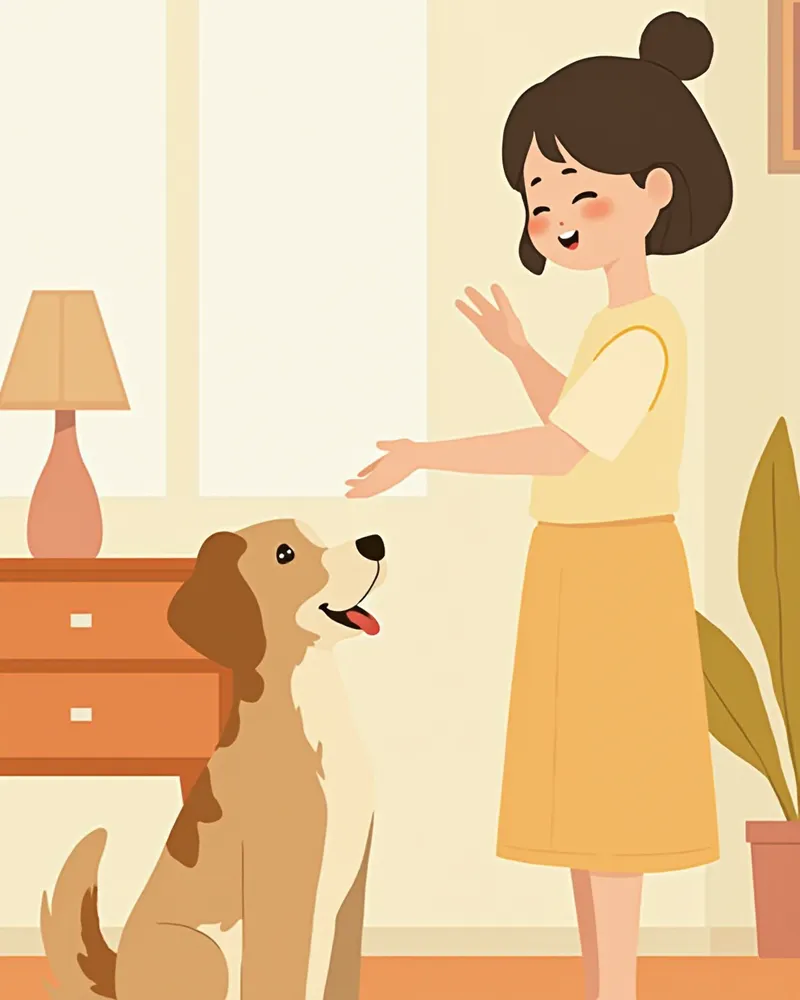
For senior dogs with hearing loss, hand signals, lights, and vibrations can replace verbal cues. At mealtime, show an open palm; for walks, gently shake the leash as a signal. At night, shine a flashlight on the wall when entering the room to announce your presence and prevent startling them. To wake a sleeping dog, it’s safer to gently tap the floor to create vibrations rather than touching their body. New signals become familiar through consistent, repeated training.
A pet owner communicating with an elderly dog through hand gestures

Creating a Safe Space — A “No-Startle” Spot

Create a safe, enclosed space in one corner of your home where two walls block off the area. Having walls behind them prevents your dog from being startled by someone approaching from behind, reducing anxiety. Place a plush memory foam cushion in the space and surround it with a blanket that carries your scent to help your dog feel more secure. If you’d also like to support your dog’s ear health and build a strong foundation for their immune system, check out our Senior Dog Immunity Care Guide.

Must-Dos for Walks and Outings

Senior dogs with hearing loss may not hear bicycles or motorcycles approaching from behind. Always keep the leash short—1.5 meters or less—and walk on the inner side of the path, avoiding roads used by cars and bicycles. Attach a "DEAF DOG" patch or a fluorescent band to the collar to alert others to exercise caution. Never touch the dog suddenly.

Reviewed by a veterinarian

Dr. Tony — Punnawat Phongkittirak

Dr. Tony — Punnawat Phongkittirak

Veterinarian

A veterinarian who majored in veterinary medicine at Khon Kaen University, Thailand, and completed the IVSA program at North Carolina State University in the United States. Drawing on clinical experience at animal hospitals, he works in the pet healthcare field and is dedicated to building a digital care environment that connects pet parents with veterinarians.

Frequently Asked Questions

Can a senior dog's hearing be restored?
Age-related hearing loss is usually irreversible. However, hearing can sometimes be restored if the cause is a treatable condition such as otitis externa or earwax impaction. If you notice a sudden change in your pet’s hearing, please have them examined by a veterinarian.
Are there any assistive devices, like hearing aids?
While hearing aids for dogs have been developed in some countries, they are not yet widely available in Korea. In practice, adjusting the environment and training with visual cues are the most effective approaches.
Will covering the ears help in a noisy environment?
Sudden loud noises, such as thunder or fireworks, may be better tolerated with a snood or ear cover. However, prolonged daily use is not recommended; please use these items only when necessary.
Can I continue taking my pet for walks even after their hearing has declined?
Of course, you should continue walking your pet. Walks are important for maintaining cognitive function through olfactory and visual stimulation. However, it’s necessary to adjust by choosing quieter times and safer routes, and keeping the leash shorter.
At what age should I start preparing a hearing-protective environment for my pet?
I recommend starting preparations before your pet enters their senior years. Hearing can gradually decline even before symptoms become apparent, so making small adjustments to their environment in advance will help ease the transition.

Share

Related Guides

References

[1] The Dog Care Handbook: Things I Wish My Vet Had Told Me, 5M Publishing, 2024

[2] Introduction to Animal Behavior and Veterinary Behavioral Medicine, Ch.17 Geriatric Behavior

[3] Gunn-Moore D, Moffat K, Christie LA, Head E. Cognitive dysfunction and the neurobiology of ageing. J Small Anim Pract 48(10): 546–553, 2007

[4] BSAVA Manual of Canine and Feline Dermatology, 4th Ed, Ch. Otitis

This information is based on veterinary literature and does not replace diagnosis or treatment. Please consult a veterinarian for specific health concerns.

Metapet Co., Ltd. | CEO: Park Sung-yong | Business Reg. No. 417-88-02562 | Seoul, South Korea | Customer Center

Hearing Care for Senior Dogs: Building a Calm Home | Meongsiljang